
Navigating the Waves: An In-Depth Guide to Accessible Cruising for Wheelchair Users

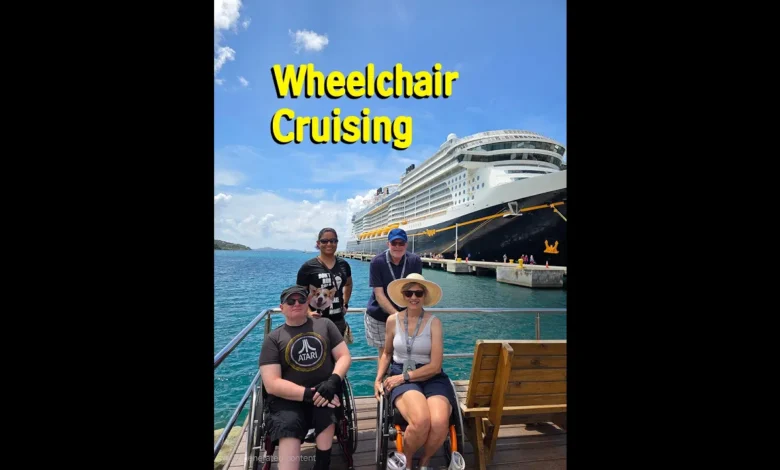
Accessible cruising offers a compelling pathway to a memorable and relaxing vacation, but meticulous attention to detail is paramount for a seamless experience. Before embarking on any booking, understanding the nuances of ships, staterooms, shore excursions, and the importance of proactive inquiry is essential, as highlighted by experienced traveler Mike Greer in a recent interview. Cruising is widely recognized as one of the most convenient modes of travel, consolidating transportation, accommodation, dining, and entertainment into a single, cohesive package. For wheelchair users, this format can significantly streamline the travel process, often presenting a smoother journey compared to other forms of exploration, provided that comprehensive planning is undertaken.
In a detailed interview facilitated by Ashley Lyn Olson of WheelchairTraveling.com, advocate Mike Greer shared his extensive insights into the realities of wheelchair-inclusive cruising. This conversation delved into the practicalities of navigating a cruise ship, from the accessibility of common areas to the planning of engaging shore excursions. Greer’s firsthand experiences offer invaluable, practical wisdom designed to empower travelers with greater preparedness and confidence when considering a cruise. The interview addressed several key areas crucial for accessible travel, including the intricacies of ship design and accessibility features, the selection of appropriate staterooms, the challenges and opportunities of shore excursions, and the critical importance of asking the right questions in advance of booking.
The Crucial Role of Proactive Planning in Accessible Cruising
While the inherent structure of a cruise ship can provide a more contained and manageable travel environment, the level of accessibility can still exhibit considerable variation. These differences are often dictated by the specific cruise line, the architectural design of individual ships, and the accessibility of the destination ports. To mitigate potential surprises and ensure a smooth journey, it is imperative to ask pertinent questions well in advance of making reservations. This preparatory diligence extends to confirming the specific features of accessible staterooms, meticulously researching the available shore excursion options, and understanding any potential limitations. Thorough preparation is not merely a suggestion but a foundational element in crafting an enjoyable and stress-free travel experience.
The global cruise industry has seen significant growth over the past decade, with passenger numbers consistently rising. According to the Cruise Lines International Association (CLIA), in 2023, the industry carried an estimated 31.5 million passengers, a substantial increase from pre-pandemic levels. This growth trajectory underscores the increasing popularity of cruising as a vacation choice. However, the accessibility of this expanding sector remains a critical consideration for a significant segment of the traveling public. While many cruise lines are making strides in enhancing accessibility, the pace and consistency of these improvements can vary. For instance, newer ships often incorporate more advanced accessibility features as standard design elements, whereas older vessels may require retrofitting or offer limited options. This disparity necessitates a detailed approach to planning, especially for travelers with specific mobility needs.
Why Cruising Holds Significant Appeal for Diverse Travelers
One of the primary advantages that draws many travelers to cruising is the unique ability to unpack only once while simultaneously experiencing multiple distinct destinations. Cruise ships are typically engineered with features that facilitate easier movement, such as elevators, wide corridors, and a comprehensive array of onboard amenities. These design elements can contribute to a more navigable daily experience compared to the constant transitions and potential accessibility challenges encountered when traveling extensively on land. This inherent convenience is particularly appealing for individuals who may find frequent packing and unpacking, as well as navigating varied transportation and accommodation types, to be burdensome.
However, it is crucial to acknowledge that the needs of each traveler are inherently individual. Consequently, not all ships or itineraries can offer the same degree of accessibility. This is precisely why firsthand accounts and expert insights, such as those shared by Mike Greer in his interview, are so exceptionally valuable. These personal narratives provide a realistic perspective on what to expect, moving beyond generic marketing materials to offer nuanced details about the practical application of accessibility features. For example, Greer might elaborate on the width of doorways in accessible staterooms, the height of beds, the accessibility of bathroom facilities (e.g., roll-in showers, grab bars), or the availability of accessible seating in entertainment venues. Such specific information can be the deciding factor for a traveler when choosing a cruise.
Deconstructing Ship Accessibility: Beyond the Basics
When considering accessibility on a cruise ship, the conversation typically begins with the staterooms. Accessible staterooms are designed with features to accommodate individuals with mobility impairments. These can include wider doorways, larger turning radii within the room, and bathrooms equipped with features like roll-in showers, grab bars, and raised toilet seats. However, the exact specifications can differ significantly between cruise lines and even between different classes of ships within the same line. Some accessible staterooms may offer a fully roll-in shower, while others might have a bathtub with limited grab bar support. The height of the bed, the accessibility of the closet space, and the reachability of light switches and controls are also important considerations.
Beyond the stateroom, navigating the public areas of the ship is a key aspect of the cruising experience. Most modern cruise ships are equipped with elevators that provide access to all passenger decks. However, the location and availability of these elevators can sometimes be a point of consideration. Are they centrally located? Are they always operational? Are there any decks or specific areas that are not accessible via elevator? Wide corridors are generally standard, but sometimes furniture placement or temporary obstructions can impede easy passage. Dining rooms, lounges, theaters, and deck areas all have their own accessibility considerations, such as the availability of accessible tables, stage access, or accessible seating options in theaters. Some ships may also offer assistive listening devices or other sensory accessibility features, which are important to inquire about.
Shore Excursions: Navigating the World Beyond the Ship
Shore excursions represent a significant part of the cruise experience for many, offering the opportunity to explore new destinations. For wheelchair users, however, these excursions can present a unique set of challenges. The accessibility of ports of call varies dramatically worldwide. Some ports may have well-maintained, accessible promenades and readily available accessible transportation, while others might involve navigating uneven terrain, steep inclines, or limited public transport options.
Mike Greer’s insights would likely touch upon the critical importance of researching shore excursions thoroughly. This research should extend beyond the cruise line’s advertised descriptions. It may involve contacting local tour operators directly to confirm the actual accessibility of specific sites, transportation arrangements, and the physical demands of the tour. For example, a "historic city tour" might sound appealing, but if it involves navigating cobblestone streets or numerous stairs, it would be unsuitable for a wheelchair user. Cruise lines are increasingly offering "accessible" shore excursions, but it is vital to understand what "accessible" truly means in practice. Does it involve a specially adapted vehicle? Is the tour guide knowledgeable about accessibility needs? Are there any significant physical barriers at the visited sites?
The availability of accessible taxis or private transportation at the destination port is another crucial factor. Pre-booking these services can often be a necessity, as on-the-spot arrangements may be limited or unavailable. The cost of accessible excursions can also sometimes be higher, reflecting the specialized services or vehicles required. Therefore, budget considerations should also be factored into the planning process.
The Art of Asking the Right Questions: A Pre-Cruise Checklist
To facilitate a smoother and more enjoyable cruise, Greer’s advice would undoubtedly emphasize a comprehensive pre-cruise inquiry process. This proactive approach can help set realistic expectations and prevent disappointment. Key questions to consider asking the cruise line include:
-
Stateroom Specifics:
- What are the exact dimensions of the accessible stateroom?
- Does the bathroom feature a roll-in shower or a bathtub? If a bathtub, what is its height and are there sufficient grab bars?
- What is the height of the bed from the floor?
- Are there accessible closet spaces and is the hanging rod at an appropriate height?
- Are there accessible controls for lights, air conditioning, and television?
- What is the turning radius in the room and the bathroom?
-
Ship Navigation:
- Are there elevators that provide access to all passenger decks?
- Are there any areas of the ship that are not wheelchair accessible?
- What is the accessibility of dining venues, lounges, theaters, and pools/hot tubs?
- Are there accessible seating options in the main dining room and the theater?
- Are there accessible restrooms available in public areas?
-
Shore Excursions:
- What specific accessible shore excursions are available at each port of call?
- Can you provide detailed descriptions of the accessibility of these excursions, including transportation and the physical environment at each site?
- What is the process for booking accessible shore excursions?
- Are there options for independent exploration, and what is the accessibility of local transportation at each port?
-
Onboard Services and Amenities:
- Are there any onboard services specifically designed for travelers with disabilities (e.g., personal assistance, medical equipment rental)?
- What is the policy regarding service animals?
- Are there any specific dining accommodations available for dietary restrictions or preferences that may be related to a disability?
-
Emergency Procedures:
- What are the emergency evacuation procedures for guests with disabilities?
Industry Trends and Future Outlook
The cruise industry, driven by increasing consumer demand and a growing awareness of inclusivity, is progressively enhancing its accessibility offerings. Many major cruise lines have invested significantly in retrofitting older ships and incorporating advanced accessibility features into their new builds. The CLIA reports that accessibility is becoming a key differentiator for cruise lines, with many actively working to meet and exceed the needs of travelers with disabilities.
This trend is also influenced by legislative frameworks and advocacy efforts. For example, the Americans with Disabilities Act (ADA) in the United States has set standards for accessibility in public accommodations, and while international waters present unique regulatory landscapes, the spirit of inclusivity is gaining global traction. Cruise lines are increasingly collaborating with disability advocacy groups and individuals to gain practical insights and implement effective solutions.
The implications of these advancements are profound. Accessible cruising not only opens up vacation opportunities for individuals with disabilities and their families but also contributes to a more inclusive travel economy. It fosters greater independence and allows a broader demographic to experience the joys of travel and exploration. As technology continues to evolve, we can anticipate further innovations in accessible ship design, excursion planning, and onboard services, making cruising an even more attractive and viable option for all travelers.
Final Thoughts for the Aspiring Cruiser
For individuals contemplating a cruise, the insights provided by experienced travelers like Mike Greer serve as an invaluable starting point. This detailed examination offers a realistic perspective on the realities of accessible cruising, accompanied by practical advice designed to facilitate thorough planning and enhance travel ease. By approaching cruise planning with diligence and a proactive mindset, travelers can navigate the complexities of accessibility and unlock the potential for a truly memorable and relaxing vacation. The journey of discovery begins not just at the destination, but in the meticulous preparation that ensures every step of the voyage is accessible and enjoyable.
The updated information on March 17, 2026, signifies the ongoing relevance and dynamic nature of accessible travel information. As cruise lines continue to evolve their offerings and as traveler experiences are shared, this information remains a vital resource for those planning their next accessible adventure.
Related posts: