The Evolution of Coastal Accessibility
The development of Morro Bay as an accessible destination did not happen in isolation; it is the result of a multi-decade shift in California’s coastal management policy. Historically, coastal access was often limited by steep terrain, sandy shorelines, and aging maritime infrastructure. However, following the strengthening of ADA mandates and a broader cultural pivot toward inclusive tourism, the City of Morro Bay began auditing its public assets in the early 2010s.
The chronology of this transformation began with the modernization of the Embarcadero, the city’s primary waterfront thoroughfare. By upgrading walkways to accommodate wheelchairs and installing sensory-friendly signage, the city transitioned from a traditional fishing village to a modern, accessible hub. This was followed by the implementation of the city’s formal ADA notice, a legal and administrative framework that guarantees communication aids—such as sign language interpretation and document translation—for all city-sponsored programs. This proactive stance reflects a broader mandate from the California Coastal Commission, which has increasingly prioritized "Coastal Access for All" as a central pillar of state land-use policy.
Data-Driven Tourism and Economic Impact
The economic implications of prioritizing accessibility are significant. According to data from the Open Doors Organization, travelers with disabilities represent a multibillion-dollar segment of the U.S. travel market. By optimizing its infrastructure for this demographic, Morro Bay has positioned itself to capture a larger share of the "inclusive travel" sector.
Local economic impact studies suggest that destinations with high accessibility ratings see longer average visitor stays. In Morro Bay, the investment in paved, level-grade trails—such as those surrounding the Morro Bay State Park—has increased the utilization of public lands by senior citizens and families with strollers, in addition to those utilizing mobility devices. Furthermore, the city’s commitment to providing ADA-compliant transit options and accessible parking near the iconic Morro Rock has been cited by local tourism boards as a primary driver for repeat visitation during the off-peak shoulder seasons.
Infrastructure and Urban Design Initiatives
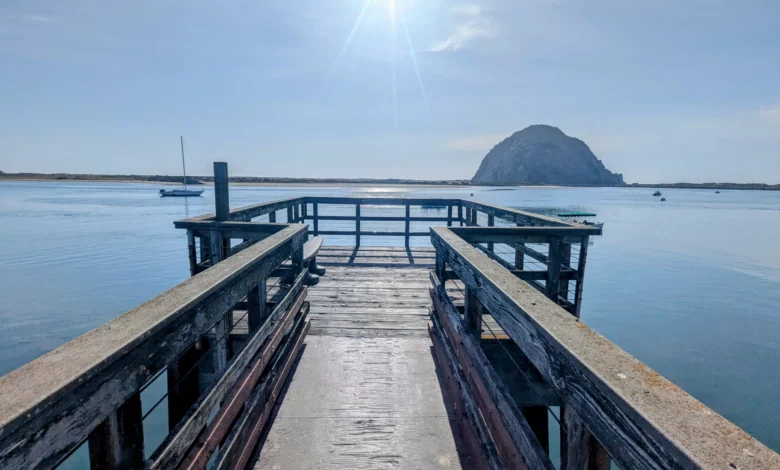
The core of Morro Bay’s accessibility strategy lies in the intersection of nature and engineering. Morro Rock, a 576-foot-tall volcanic plug that serves as the city’s namesake and most recognizable feature, is the focal point of these efforts. Through the installation of wide, stabilized paths and dedicated accessible viewing platforms, the city has ensured that the "Big Rock" experience is not limited to those capable of traversing uneven terrain.
The city’s infrastructure strategy focuses on three specific areas:
- The Embarcadero Corridor: This waterfront area has been retrofitted with curb cuts, tactile paving, and accessible restroom facilities that meet or exceed federal requirements.
- Marine Wildlife Viewing: By partnering with local kayak and tour operators, the city has encouraged the development of adaptive water sports, including the use of specialized transfer benches and stable-platform vessels that accommodate wheelchair users for harbor tours.
- Public Programming: Beyond physical infrastructure, the city has standardized its communication protocols. All public meetings, including those of the City Council, are held in facilities equipped with assistive listening systems and broadcast with closed captioning, ensuring that the democratic process remains open to all citizens regardless of hearing or visual impairment.
Institutional Responses and Official Policy
The City of Morro Bay’s official position, as documented in its November 2025 ADA compliance filing, emphasizes that accessibility is a dynamic, rather than static, requirement. City officials have stated that they view the ADA not as a checklist of legal obligations, but as a framework for community inclusivity.
"Our goal is to ensure that the beauty of the Central Coast is not gated by physical barriers," noted a municipal spokesperson in a recent briefing. The city’s official notice outlines a grievance procedure, ensuring that any citizen or visitor who encounters a barrier to access has a direct line of communication to the municipal government. This feedback loop is essential for identifying "micro-barriers"—such as misaligned pavement or malfunctioning automatic doors—that can otherwise go unnoticed in daily operations.
Broader Implications for California Coastal Tourism
Morro Bay’s approach serves as a case study for other municipalities along Highway 1. As California grapples with an aging population, the demand for accessible recreational spaces is projected to rise. Morro Bay’s model—which blends historical preservation with modern, inclusive design—is being monitored by regional planners in neighboring San Luis Obispo and Monterey counties.
The implications for the hospitality industry are also noteworthy. Local hotels and restaurants are increasingly opting for voluntary accessibility upgrades, such as roll-in showers and adjustable-height dining surfaces, to meet the expectations of an informed and diverse consumer base. This "accessibility-first" business model has helped the city maintain a competitive edge, fostering a reputation as a destination that values inclusivity as a core brand identity.
Navigating the Landscape: A Practical Guide for Visitors
For those planning a visit, the city provides a robust network of support. The Morro Bay Visitor Center acts as a clearinghouse for information, providing detailed maps that highlight the most accessible routes through the city’s parks and commercial zones.
- Outdoor Accessibility: The Morro Bay State Park and the nearby Elfin Forest offer varied levels of access, with many trails featuring packed-earth or boardwalk surfaces designed for mobility aids.
- Dining and Retail: The majority of the establishments along the Embarcadero have been renovated within the last decade, ensuring that main entrances and dining areas remain navigable.
- Communication and Services: Visitors requiring specific accommodations, such as large-print materials or TTY services, are encouraged to contact city administrative offices in advance, as the city maintains a high standard of responsiveness for requests related to public services.
Future Challenges and Sustained Commitment
Despite these advancements, challenges remain. The natural erosion of the coastline and the environmental sensitivity of the Morro Bay Estuary present ongoing difficulties for construction and maintenance. Balancing environmental conservation with the need for accessibility infrastructure is a delicate task that requires constant collaboration between the California Coastal Commission, environmental scientists, and disability rights advocates.
As of late 2025, the city is exploring new technologies in "smart" accessibility, including digital wayfinding tools that provide real-time updates on route conditions, construction, and accessibility status of public facilities. By embracing these technological solutions, Morro Bay is signaling its intent to remain at the forefront of the national movement toward truly inclusive public spaces.
Conclusion: A Legacy of Inclusion
Morro Bay has successfully demonstrated that environmental stewardship and human accessibility are not mutually exclusive. By embedding the principles of the ADA into the very fabric of its civic life, the city has created a destination that is not only visually stunning but also fundamentally welcoming. For the traveler, this means that the experience of watching otters in the harbor, observing the nesting peregrine falcons on Morro Rock, or dining on fresh local seafood is an experience available to all.
As the region looks toward the future, the lessons learned in Morro Bay will likely serve as a blueprint for coastal communities worldwide. The city’s ongoing commitment to transparency, maintenance, and community engagement ensures that it will remain a model of what a modern, inclusive, and accessible American town can achieve when it prioritizes the dignity of all its visitors. Through consistent policy application and a dedicated focus on infrastructure, Morro Bay has ensured that its doors—and its shores—remain open to everyone.
Related posts: