Protecting Aging Adults: Social Security Administration Issues Urgent Warnings Over Sophisticated Phishing Scams Targeting Fixed-Income Seniors

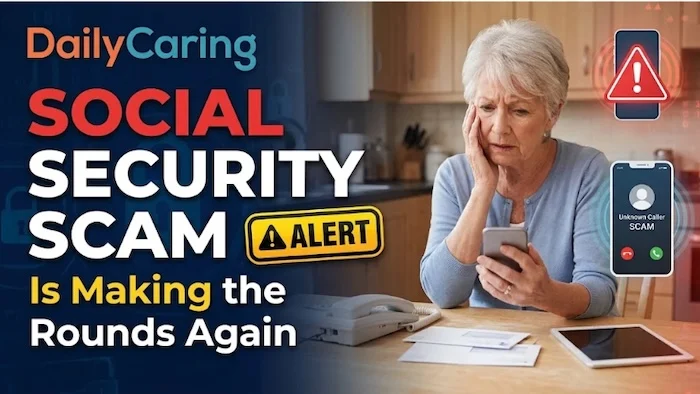
As the digital landscape becomes increasingly complex, family caregivers and older adults find themselves navigating a myriad of online medical schedules, financial portals, and daily routines. In recent months, federal regulators and cybersecurity experts have sounded the alarm over a surging wave of sophisticated cyberattacks impersonating the Social Security Administration (SSA). These fraudulent schemes leverage realistic-looking emails regarding annual Social Security statements, cost-of-living adjustments, and benefit updates, posing severe financial and identity theft risks to vulnerable populations across the United States.
The evolution of government imposter scams represents a calculated shift by cybercriminals who recognize the high reliance older demographics place on fixed retirement incomes. By exploiting routine administrative checkpoints, fraudsters are successfully deceiving individuals into surrendering sensitive personal information, compromising bank accounts, and inadvertently installing malware on personal devices.
Understanding the Mechanics of Modern Social Security Phishing Schemes
The contemporary threat landscape involves highly coordinated phishing operations designed to mimic official federal correspondence. According to formal advisories issued by the Social Security Administration Office of the Inspector General (OIG), the scheme typically begins with an unsolicited email delivered directly to a victim’s inbox. These messages claim that a recipient’s latest Social Security statement, earnings report, or benefit calculation is ready for immediate download or review.
To establish credibility, threat actors routinely replicate official government agency logos, typography, layout templates, and professional footers. However, forensic analysis of these communications reveals distinct discrepancies. Unlike genuine alerts, fraudulent emails feature embedded hyperlinks or malicious file attachments—such as PDFs or compressed ZIP archives—intended to bypass standard authentication protocols.
When a recipient clicks an embedded link, they are redirected to counterfeit landing pages meticulously designed to resemble the official federal portal. Once on these deceptive sites, users are prompted to log in, thereby exposing their Social Security numbers, dates of birth, login credentials, and banking information. In alternative scenarios, opening the attached files initiates the download of malicious software, granting unauthorized third-party access to the victim’s device and compromising stored personal files.
Chronology and Escalation of the Threat
The proliferation of digital impersonation fraud targeting retirement and social welfare programs has escalated significantly over the past several years. While telephone-based government imposter scams—where callers threaten victims with arrest or benefit termination—have long plagued older adults, the transition to email-based phishing marks a strategic pivot toward asynchronous digital deception.
In early 2026, the SSA Office of the Inspector General documented a sharp spike in fraudulent emails explicitly referencing Social Security statements. This surge coincided with annual updates to cost-of-living adjustments (COLA) and benefit schedules, periods when older adults and their caregivers naturally monitor financial correspondence with heightened vigilance. Cybersecurity analysts note that criminals deliberately time these phishing campaigns to coincide with peak administrative milestones, maximizing the likelihood that recipients will perceive the urgent calls to action as routine and legitimate.
Official Warnings and Comparative Analysis
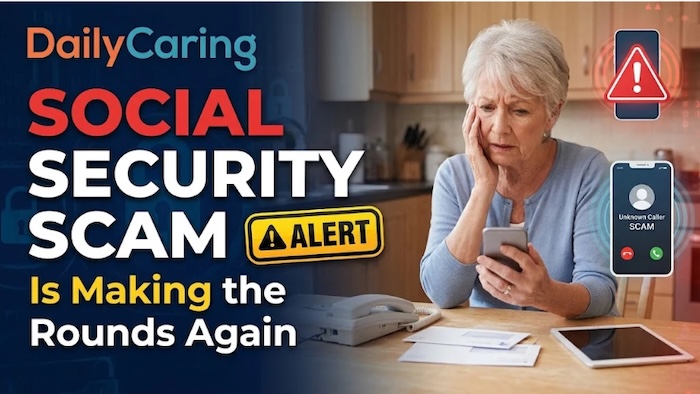
Federal regulatory bodies and consumer protection agencies have intensified public outreach campaigns to differentiate between authentic agency communications and malicious phishing attempts. The SSA maintains strict operational protocols regarding electronic communication with program beneficiaries.
To assist caregivers and beneficiaries in identifying fraudulent correspondence, cybersecurity specialists and federal agencies emphasize several distinguishing characteristics:
Sender Domain Authenticity: Legitimate electronic correspondence originating from the Social Security Administration exclusively utilizes web domains terminating in ".gov." Fraudulent messages frequently employ public webmail extensions, lookalike domains, or altered character strings designed to deceive casual observers.
Handling of Documents and Links: Official agency notifications never include direct file attachments or hyperlinks that direct users straight to document download screens. Genuine courtesy alerts inform account holders that a new message or update is available within their secure portal Message Center, requiring independent navigation to the official site.
Tone and Urgency: Phishing communications routinely employ artificial urgency, threatening benefit freezes, suspension of payments, or legal penalties unless immediate action is taken. Federal administrators maintain that benefits are never suspended based on failure to respond to an email or click an external link.
Data Requests: Legitimate government portals utilize pre-established authentication credentials. Official emails never request Social Security numbers, banking details, passwords, or personal identification data to unlock statements or resolve account inquiries.
Actionable Defense Strategies for Caregivers and Families
As digital fraud becomes more prevalent, cybersecurity professionals advocate for standardized preventative behaviors among older adults and their familial support networks. The primary defense mechanism recommended by experts is summarized by the principle: "Type, Don’t Tap."
Rather than interacting with links embedded within electronic mail, individuals are advised to open a secure browser window independently and navigate manually to the official portal at ssa.gov/myaccount. This direct approach ensures that users access legitimate authentication interfaces rather than spoofed landing pages.

Furthermore, caregivers are encouraged to implement proactive household protocols:
- Review and adjust spam filters on devices utilized by older adults.
- Bookmark official government URLs on frequently used web browsers to eliminate reliance on search engines or email links.
- Establish an open-door communication policy, encouraging older family members to consult with trusted relatives or professionals before responding to unexpected financial or administrative notifications.
Mitigation Procedures Following Suspected Compromise
In the event that an individual or caregiver suspects they have interacted with a fraudulent link, downloaded a malicious attachment, or entered sensitive data into a counterfeit portal, immediate and decisive action is critical to mitigate potential damages.
Security experts recommend executing the following containment sequence:
- Isolate the Affected Device: Disconnect the compromised computer, tablet, or smartphone from the internet to halt potential malware transmission or remote data exfiltration.
- Secure Financial Accounts: Contact banking institutions and credit card issuers immediately to place alerts on accounts, freeze compromised cards, or initiate fraud investigations.
- Update Authentication Credentials: Change passwords for primary email accounts, online banking portals, and sensitive government logins, ensuring the implementation of multi-factor authentication (MFA) wherever available.
- Report the Incident: File formal complaints with relevant federal and law enforcement authorities, including the Federal Trade Commission (FTC) at reportfraud.ftc.gov, the Internet Crime Complaint Center (IC3), and the Social Security Administration Office of the Inspector General.
- Monitor Credit Reports: Request comprehensive credit reports and consider placing temporary freezes or fraud alerts with major credit reporting bureaus to prevent unauthorized borrowing or identity theft.
Broader Economic and Societal Implications
The targeting of fixed-income demographics through digital phishing schemes carries profound socioeconomic implications. Older adults frequently rely entirely on predictable Social Security distributions to cover fundamental living expenses, including housing, nutrition, and healthcare. Financial losses resulting from identity theft or account compromise can destabilize an older adult’s economic security, leading to secondary stressors that impact overall health and well-being.
Moreover, family caregivers—who frequently balance employment, personal obligations, and the multifaceted demands of eldercare—absorb a significant administrative and emotional burden when managing security breaches. The prevalence of sophisticated cyber fraud necessitates ongoing educational initiatives, public-private partnerships, and enhanced technological safeguards across government infrastructure to protect citizens from emerging digital threats.
As federal agencies continue to monitor and dismantle fraudulent networks, public awareness remains the most effective deterrent against digital deception. Through vigilance, proactive digital hygiene, and open intergenerational communication, families can successfully safeguard hard-earned benefits against the evolving tactics of modern cybercriminals.