HHS Updates Section 504 Healthcare Regulations to Exclude Certain Gender Identity Disorders, Sparking Legal and Advocacy Debate

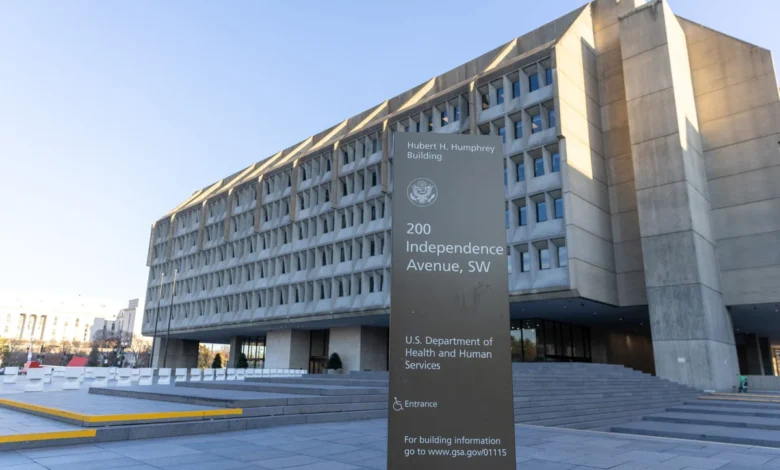
Federal health officials have enacted significant updates to anti-discrimination regulations under Section 504 of the Rehabilitation Act, narrowing the scope of who qualifies for federal disability protections in healthcare settings. The U.S. Department of Health and Human Services (HHS) finalized the regulatory changes following a public comment period, explicitly stipulating that "gender identity disorders not resulting from physical impairments" do not constitute a disability under the governing framework.
The move modifies a landmark 2024 rule established during the Biden administration, which sought to comprehensively bar healthcare discrimination based on disability biases while expanding access to specialized medical equipment. With the latest revision, the Trump administration has moved to realign federal definitions, asserting that the adjustment is necessary to eliminate statutory ambiguities.
While the change directly affects transgender individuals seeking care under federal non-discrimination umbrellas, civil rights and disability advocates warn that the implications of the regulatory shift extend far beyond healthcare access for a single demographic. Critics argue that categorical exclusions undermine the core intent of federal civil rights legislation, setting a precedent that could threaten protections for a broader population of people with disabilities.
Background and Statutory Foundations
Section 504 of the Rehabilitation Act of 1973 is a cornerstone of American civil rights law, prohibiting discrimination against individuals with disabilities in programs and activities that receive federal financial assistance. Any healthcare provider, hospital, clinic, or state agency that accepts federal funding—such as Medicare or Medicaid reimbursements—must comply with Section 504 mandates.
In May 2024, HHS under the Biden administration issued a comprehensive updated final rule intended to modernize Section 504 regulations for the 21st century. That rule prohibited medical providers from making life-and-death treatment decisions based on negative biases, stereotypes, or value judgments about individuals with disabilities. It also mandated that healthcare facilities acquire and maintain accessible medical equipment, such as adjustable examination tables and weight scales, and ensure that telehealth programs are fully accessible to patients with sensory or cognitive disabilities.
However, the inclusion of certain language within the preamble and regulatory text of the 2024 rule immediately drew sharp criticism from conservative state attorneys general. Opponents argued that the framework improperly expanded federal definitions to encompass gender dysphoria under the umbrella of disability protections, setting the stage for a protracted legal battle.
Chronology of the Legal Challenge
The path to the current regulatory update has been marked by shifting alliances, multi-state lawsuits, and rapid policy reversals within federal agencies.
- February 2025: Shortly after the inauguration of the Trump administration, a coalition of 17 states led by Texas filed a federal lawsuit challenging the 2024 Section 504 rule. The initial legal challenge sought not only to prevent gender dysphoria from being recognized as a disability but also aimed to strike down Section 504 regulations in their entirety.
- May 2025: Under sustained pressure from national disability rights organizations and facing intense judicial scrutiny regarding the broader implications of overturning Section 504, the challenging states dropped their bid to invalidate the entire statute. However, they pressed forward with their targeted challenge against specific disability definitions and community integration rules.
- June 2025: The Department of Justice’s Office of Legal Counsel issued an internal memo concluding that neither the Americans with Disabilities Act (ADA) nor Section 504 legally obligates states to treat mentally disabled patients in the most integrated settings appropriate to their individual needs, reversing longstanding federal interpretations of the landmark Olmstead Supreme Court decision.
- September 2026: In a dramatic pivot, federal officials formally switched sides in the ongoing litigation, aligning with the remaining challenging states. The federal government subsequently reached a formal agreement to strip references to the "most integrated setting" from the regulatory guidelines.
- November 2026: HHS officially rubber-stamped and published the updated Section 504 rule, codifying the exclusion of "gender identity disorders not resulting from physical impairments" and resolving what agency officials termed regulatory overreach.
Official Rationales and Government Perspectives
Defending the administration’s decision, HHS officials emphasized that the regulatory adjustment restores fidelity to the original text enacted by Congress decades ago.
"For decades, HHS’s Section 504 regulations have defined disability consistently with the words Congress chose," said Paula M. Stannard, director of the HHS Office for Civil Rights. "This rule ensures recipients of HHS funding follow those definitions, eliminating confusion for the people they serve and restoring confidence in the statute."
The agency reported that it reviewed hundreds of public comments submitted by healthcare providers, legal scholars, advocacy organizations, and private citizens prior to finalizing the text. While opinions among respondents were sharply divided, the agency proceeded with the narrowing definition, asserting that the adjustment resolves ambiguities introduced in the 2024 rulemaking process and ensures strict compliance with governing statutes.
Implications and Reactions from the Disability Community
Legal experts and disability rights advocates have expressed profound alarm over the administration’s actions, contending that the revision weakens the foundational protections guaranteed by federal civil rights laws.
Michelle Uzeta, executive director of the Disability Rights Education & Defense Fund (DREDF), characterized the rule change as a dangerous departure from decades of established statutory interpretation.
"In 2008, Congress told agencies and courts to read ‘disability’ broadly and to focus on whether discrimination happened, not on whether someone is disabled enough," Uzeta noted. "This rule goes the other way: an agency writing a diagnosis out of the law by category instead of looking at the individual. If an agency can define one group out of Section 504, no one’s coverage is secure."
Uzeta underscored that while executive branch agencies possess the authority to update administrative regulations, they cannot unilaterally alter the underlying federal statute passed by Congress. Nevertheless, she cautioned that stripping enforcement mechanisms from administrative guidance severely compromises the practical realization of civil rights.
"The statute is intact, but the rights it guarantees are being stripped away without Congress and without a court ruling against them," Uzeta said. "But for now, enforcing them is up to us: private litigation, state law, and the same organized pressure that won Section 504 in the first place."
Broader Policy Ramifications for Healthcare Providers
The finalization of the updated Section 504 rule creates a complex compliance environment for hospitals, clinics, and healthcare systems receiving federal financial assistance. While the immediate operational impact focuses on the exclusion of specific gender identity-related conditions from disability accommodation mandates, healthcare administrators must also navigate the broader rollback of federal guidelines concerning community-based integration and specialized equipment enforcement.
Legal analysts point out that healthcare institutions may face conflicting pressures as state-level non-discrimination laws diverge from federal regulatory interpretations. In states with robust civil rights statutes, providers may still be required to offer accommodations that are no longer strictly mandated under the federal baseline. Conversely, providers operating in states that spearheaded the litigation may move quickly to adjust internal intake, diagnostic, and accommodation protocols to align with the revised federal standard.
As litigation continues to wind its way through lower federal courts, healthcare providers, advocacy groups, and legal scholars will closely monitor how enforcement priorities shift under the updated regulatory framework, and what precedent the action sets for future administrative rulemakings regarding civil rights protections.