Exploring the Great Outdoors: A Comprehensive Guide to Accessible All-Terrain Track Chair Programs Across the United States

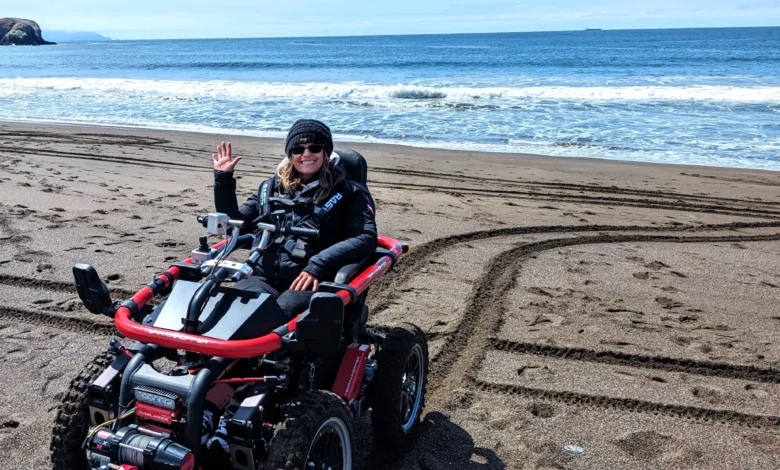
The landscape of outdoor recreation is undergoing a profound transformation as public land agencies and private organizations increasingly prioritize inclusivity. For millions of Americans with mobility impairments, the rugged terrain of state and national parks has historically been off-limits. However, a growing movement to provide all-terrain track chairs—specialized, motorized wheelchairs equipped with tank-like treads—is systematically removing these barriers, allowing individuals with limited mobility to traverse trails, sand, and snow that were once considered impassable.
The Evolution of Adaptive Outdoor Access
The push for universal access to public lands began gaining significant traction in the mid-2010s. Colorado’s Staunton State Park served as a pioneering force, launching the first dedicated track chair program in 2016. The success of this initiative—which proved that individuals with significant mobility needs could safely navigate challenging backcountry trails—provided a blueprint for other states.
This grassroots momentum has since evolved into a nationwide infrastructure shift. By 2026, the movement had expanded from isolated state-level experiments to a more cohesive, albeit decentralized, network of accessibility. The significance of this transition cannot be overstated; it represents a move away from passive "accessible viewing areas" toward active participation in wilderness experiences.
A State-by-State Breakdown of Current Programs
The following inventory reflects the state of accessibility as of August 2026. While availability is expanding, travelers are strongly advised to verify status through official state park portals before arrival, as programs are subject to seasonal changes and maintenance cycles.
The Midwest Expansion
The Midwest currently leads the nation in programmatic depth. Minnesota offers an extensive network, with over 13 state parks providing free track chair access. The Minnesota Department of Natural Resources (DNR) has streamlined the process, requiring only a standard waiver. Michigan follows a similar model, with parks equipped to handle diverse terrains, including beach sand and light snow. Wisconsin has taken a unique, multi-layered approach, combining on-site park rentals with the nonprofit Access Ability Wisconsin, which allows users to borrow towable chairs that can be transported to various locations, provided the user has a vehicle capable of towing the necessary equipment.
The Southern and Eastern Initiatives
Georgia has emerged as a leader in the South, utilizing the "All-Terrain Georgia" system. This platform, managed in partnership with the Aimee Copeland Foundation, requires a structured, roughly 7-day approval process. This rigorous approach ensures that users are paired with appropriate equipment and trained companions. Similarly, Virginia has leveraged a funding model tied to its accessibility license plate program, allowing for a diverse fleet of tracked and pneumatic-tire chairs across its state parks.
The Mountain West and Plains
In Colorado, the legacy program at Staunton State Park continues to set the standard, operating from June through October. In Kansas, the Adaptive Sportsmen of Kansas manages a regional network where chairs are stationed for first-come, first-served use. South Dakota has integrated accessibility into its "Outdoor Campus" locations, providing users the flexibility to reserve equipment for use beyond park boundaries, provided they have the means to transport the chair.
New and Emerging Programs
Indiana is currently executing one of the most ambitious expansions in the country. Supported by a significant grant from the Lilly Endowment, the state is in the process of deploying approximately 45 electric track chairs, with the goal of ensuring that every state park in the system has at least one unit available by the end of 2026.
The National Park Service Landscape
It is a common misconception that the National Park Service (NPS) operates a single, centralized track chair program. In reality, the NPS maintains a decentralized approach where individual park units decide whether to implement adaptive equipment. High-profile locations such as Redwood National & State Parks, Rocky Mountain National Park, and Sleeping Bear Dunes have successfully implemented track chair programs. However, visitors planning a trip to a national park should consult the specific park’s "Accessibility" page, as the availability of equipment—and whether it is a tracked chair or a manual beach wheelchair—varies drastically by site.
Technical and Operational Considerations
For the uninitiated, choosing the right equipment is critical. The market for adaptive mobility devices includes the GRIT Freedom Chair, a manual lever-driven device; the Mountain Trike, which uses an innovative steering and suspension system; and the robust Action Trackchair, which serves as the industry standard for motorized, treaded navigation.
Operational policies generally fall into three categories:
- Reservation-Based: Common in popular parks; often requires booking weeks or months in advance.
- First-Come, First-Served: Found in regional or lower-traffic parks; carries the risk of equipment unavailability upon arrival.
- Transportable/Nonprofit-Led: Systems like those in Wisconsin or South Dakota that require the user to possess a vehicle capable of towing, effectively extending the reach of the equipment to private or off-trail areas.
Socio-Economic Implications and Future Trends
The integration of track chairs into public lands serves a dual purpose: it promotes physical activity and mental well-being for individuals with disabilities, and it challenges the historical narrative that the "great outdoors" is a space exclusively for able-bodied visitors.
From an economic standpoint, the cost of these chairs—often ranging from $10,000 to $20,000 per unit—is prohibitive for most individuals. Public ownership via state parks creates a "public good" model that democratizes access. By removing the financial barrier to entry, these agencies are effectively expanding the customer base for state and national parks, potentially leading to increased visitation and local tourism spending.
However, challenges remain. Battery life remains a primary constraint, with many chairs limited to two- to four-hour windows. Furthermore, the reliance on human companions or "buddies" in many state programs underscores the need for a balanced approach that promotes independence while ensuring safety. As the technology matures, we can expect to see longer battery ranges, lighter frames, and more sophisticated joystick controls that require less manual dexterity.
Recommendations for Prospective Users
For those looking to utilize these programs, the following steps are recommended:
- Verify Requirements: Check if the program requires a specific certification, training, or a "buddy" system.
- Assess Equipment Needs: Determine if the available chair at your destination is manual or power-assisted and whether it suits your physical capabilities.
- Utilize Third-Party Tools: The "Trackchair Finder" tool, managed by industry stakeholders, remains the most reliable crowdsourced database for locating equipment nationwide.
- Plan for Logistics: If the program requires the user to transport the chair, ensure your vehicle is equipped with the necessary hitch or trailer capabilities before booking.
Conclusion
The rapid expansion of all-terrain chair programs signifies a fundamental shift in how public land agencies view their responsibility to the citizenry. By viewing accessibility as a core component of park management rather than an optional amenity, states are successfully narrowing the gap between the able-bodied experience and the experience of those with mobility impairments. As more states follow the lead of pioneers like Colorado and Minnesota, the vision of a truly accessible national outdoor network is becoming an increasingly tangible reality.
The ongoing deployment of equipment, particularly in states like Indiana, suggests that the next few years will see a consolidation of these efforts, likely leading to more uniform reservation systems and better-maintained equipment fleets. For the outdoor enthusiast, this is an era of unprecedented opportunity, provided they remain informed and proactive in their planning.