
Navigating the Complexities of Nanny Cams and Workplace Surveillance in the Modern Home

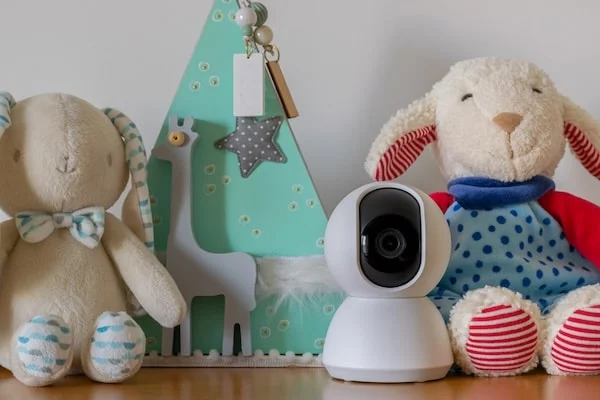
The integration of smart home technology into private residences has fundamentally altered the landscape of domestic employment. As high-definition, internet-connected cameras become increasingly affordable and user-friendly, many families have opted to install “nanny cams” as a standard safety precaution. While these devices offer parents a sense of security and a connection to their children during long workdays, they have simultaneously introduced significant friction into the professional relationship between caregivers and employers. For the modern nanny, the presence of a lens in the living room or nursery is no longer an anomaly, but rather a frequent point of negotiation that raises complex questions regarding privacy, professional trust, and labor law.
The evolution of domestic surveillance has accelerated alongside the rise of the Internet of Things (IoT). A decade ago, a nanny cam was typically a bulky, standalone piece of hardware, often hidden inside a teddy bear or a clock. Today, they are sleek, motion-activated devices that stream 1080p video directly to a parent’s smartphone, allowing for real-time monitoring from anywhere in the world. According to industry surveys, the use of home security and monitoring cameras has seen a compound annual growth rate of over 15% since 2020. This ubiquity has forced a re-evaluation of the “reasonable expectation of privacy” in a domestic work environment, as the home becomes a hybrid space: simultaneously a private sanctuary for the family and a professional office for the caregiver.
The Dynamics of Trust and Transparency
The core tension surrounding nanny cams often stems from a fundamental misalignment of expectations. For many parents, the installation of a camera is an act of parental diligence, not an indictment of the nanny’s character. Tammy Gold, a therapist and caregiving coach, emphasizes that most parents view these cameras as a way to bridge the gap between their working lives and their home lives. “For two working parents putting in 60 to 80-plus hours a week, a nanny cam can be their only window into moments with their kids they’d otherwise miss entirely,” Gold notes.
However, the perspective from the other side of the lens is often markedly different. For a professional nanny, constant surveillance can create a high-pressure environment that hinders their ability to perform naturally. When a parent uses these cameras to offer real-time, minute-by-minute feedback—or worse, to critique performance based on short, decontextualized video clips—the dynamic shifts from a collaborative partnership to one of micromanagement. This creates an environment where the caregiver feels they are being judged on snapshots rather than the overall quality of their care, leading to increased anxiety and professional burnout.
Legal Frameworks and Privacy Rights
The legality of recording in the home is a fragmented issue governed by state-specific statutes rather than a unified federal mandate. In the United States, video-only recording in common areas—such as kitchens, living rooms, and playrooms—is generally legal because these spaces are considered public-facing within the private residence. However, the legal threshold changes significantly when audio is introduced.
Federal law, specifically the Electronic Communications Privacy Act (ECPA), permits the recording of oral communications if at least one party to the conversation consents. Yet, several states have adopted “two-party” or “all-party” consent laws, which require the knowledge and approval of all participants in a conversation before it can be recorded. States such as California, Florida, and Pennsylvania have strict statutes that make it illegal to record private conversations without the consent of all involved parties. This creates a potential legal minefield for parents who may be inadvertently recording private telephone calls or confidential discussions between a nanny and a third party.
Furthermore, there is a hard, universally recognized boundary regarding private spaces. Bathrooms, designated changing areas, and the private bedrooms of a live-in nanny are strictly off-limits. Any surveillance in these zones is considered a severe violation of privacy, often carrying criminal penalties and providing grounds for civil litigation. Employment law experts, such as attorney Anthony Michel, advise that the presence of a camera in a private space is a "red flag" that necessitates immediate legal consultation and documentation.

Establishing Professional Boundaries
The most effective way to prevent these issues is to establish clear, written guidelines at the onset of employment. Experts in the field, including nanny placement specialist Michelle LaRowe Conover, argue that the subject of surveillance should be a standard component of the initial interview process. A transparent discussion—covering the location of cameras, the intent behind their use, and the protocols for reviewing footage—can mitigate future conflict.
When a nanny discovers an undisclosed camera, the primary issue is frequently the breach of the professional contract, rather than the recording itself. If a caregiver feels their autonomy is being compromised, they should initiate a formal, non-accusatory dialogue. A suggested approach is to frame the conversation around performance and collaboration: “I noticed there are cameras in the common areas, and I would like to discuss how we can use this information to best support the children without disrupting the daily flow of care.”
If a compromise cannot be reached—such as limiting cameras to specific high-traffic areas or agreeing that feedback will be provided during weekly meetings rather than via real-time texts—the nanny must decide if the position remains a viable fit.
Broader Impact and Future Implications
The long-term implications of widespread domestic surveillance are significant. As the demand for childcare continues to outpace supply, the best professionals in the industry may increasingly avoid positions where they feel distrusted or constantly surveilled. This could create a bifurcated labor market, where highly qualified, veteran nannies gravitate toward families that offer a culture of trust and privacy, while less experienced workers accept positions in highly monitored environments out of necessity.
From an industry perspective, the rise of the nanny cam has also led to the development of better professional standards. Organizations that certify nannies now often include training modules on handling surveillance, privacy, and communication with employers. Simultaneously, legal firms are seeing an uptick in consulting work regarding “surveillance clauses” in domestic employment contracts. These contracts now frequently outline exactly what is being recorded, how the data is stored, and who has access to the footage, providing a layer of security for both the family and the employee.
A Path Toward Mutual Respect
The goal of the employment relationship should be a mutual understanding of boundaries. Parents have a legitimate right to ensure the safety and well-being of their children, but they also have a professional responsibility to treat their employees with the dignity and trust required for a healthy workplace. For nannies, acknowledging the parents’ desire for peace of mind while insisting on the preservation of their professional integrity is the best strategy for navigating this digital-age challenge.
Ultimately, technology is merely a tool. Whether a nanny cam acts as a source of friction or a benign feature of the household depends entirely on the transparency of the parties involved. In a field where the work product is the care of a human life, the most critical element remains the human connection, which cannot be captured or improved by a camera lens. By prioritizing clear communication, adherence to state privacy laws, and a shared focus on the child’s best interest, both parents and nannies can find a balance that makes the modern home a productive and respectful place to work.
Related posts: