The Ultimate Guide to Wheelchair-Accessible Travel and Attractions in Greater Los Angeles

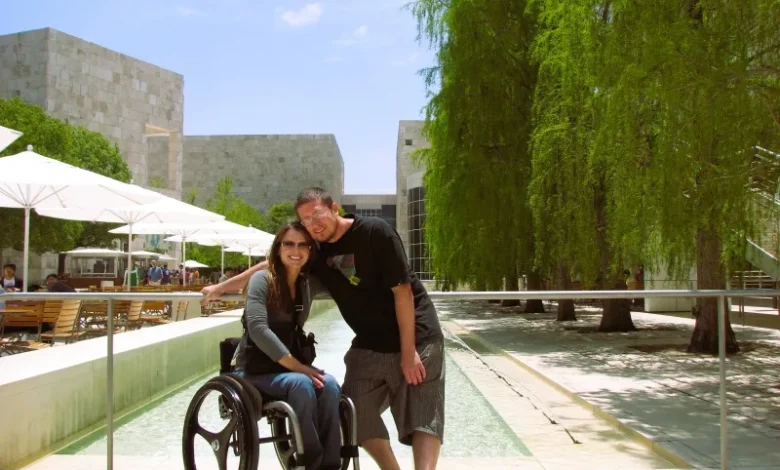
The Los Angeles metropolitan area, a sprawling landscape of over 4,000 square miles, has undergone a significant transformation over the last decade to become one of the most accessible travel destinations in the United States. Driven by the Americans with Disabilities Act (ADA) compliance requirements and a burgeoning commitment to universal design, the Greater LA region—encompassing Santa Monica, Pasadena, Long Beach, and Malibu—now offers a comprehensive network of barrier-free experiences. This evolution is not merely a matter of infrastructure; it is an economic and social imperative for a region that attracts over 50 million visitors annually.
The Evolution of Accessibility Infrastructure
The history of accessibility in Los Angeles is intrinsically linked to the city’s post-war expansion and the subsequent civil rights movements that pushed for equitable access to public spaces. While early landmarks like the TCL Chinese Theatre were constructed long before modern inclusivity standards, subsequent renovations have focused on integrating ramps, elevators, and sensory-friendly zones without compromising historical integrity.
Data from the Los Angeles Tourism & Convention Board indicates that accessibility-focused tourism has become a key demographic, with nearly 15% of all travelers to the region identifying as having some form of disability. This has prompted local governments to invest heavily in the "Accessible LA" initiative, which mandates that public parks, transit hubs, and cultural institutions provide consistent reporting on their facility features, including curb cuts, tactile paving, and accessible restroom availability.
Iconic Landmarks: Balancing Heritage and Inclusivity
The Griffith Observatory, perched atop Mount Hollywood, represents the intersection of historic preservation and modern accessibility. Originally opened in 1935, the observatory completed a massive $93 million renovation in 2006 that fundamentally overhauled its accessibility profile. Today, it features dedicated accessible parking, ramp access to the main dome, and elevators that provide all visitors with the same sweeping views of the Hollywood Sign and the LA Basin.
Similarly, the Hollywood Walk of Fame—a site that often poses logistical challenges due to heavy foot traffic and varying sidewalk conditions—has been the subject of ongoing urban planning debates. City officials are currently evaluating the "Heart of Hollywood" initiative, which aims to widen sidewalks and improve the surface uniformity of the stars to ensure that wheelchair users can navigate the 1.3-mile stretch with greater ease and safety.
Coastal Accessibility: Beyond the Boardwalk
The Greater LA coastline is perhaps the region’s greatest asset, and it is arguably where the most progress has been made. The Santa Monica Pier and the adjacent beach paths serve as the gold standard for accessible recreation. The beach path system is entirely paved and connects to the Venice Beach Boardwalk, a 2.5-mile oceanfront promenade.
In Long Beach, the Shoreline Path offers an alternative to the sometimes crowded Santa Monica trails. This path provides miles of unobstructed, flat terrain that is ideal for manual and power wheelchairs. According to the Long Beach Parks, Recreation and Marine department, these paths were designed specifically to accommodate multi-use traffic, ensuring that the local community and tourists alike have equitable access to the Pacific coastline.
A Cultural Renaissance in Barrier-Free Design
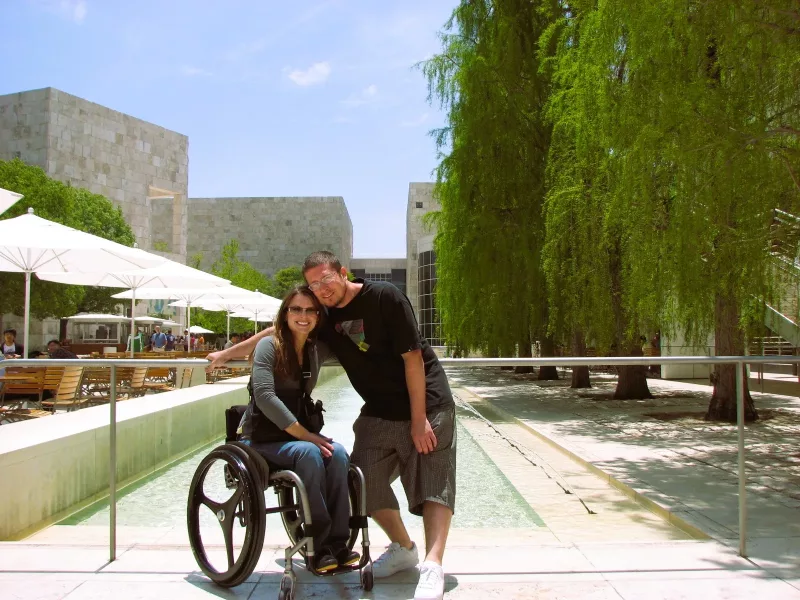
The cultural landscape of Los Angeles has been defined by the rise of world-class museums that prioritize universal design. The Getty Center, designed by architect Richard Meier, is a masterpiece of accessible architecture. By utilizing a dedicated tram system that is fully wheelchair-accessible, the museum ensures that every visitor, regardless of physical mobility, reaches the hilltop campus with dignity and ease.
The Broad, located in Downtown Los Angeles, provides a more contemporary example of accessibility. Opened in 2015, the museum was built from the ground up with ADA-plus standards, meaning it exceeds the minimum legal requirements for elevator size, aisle width, and viewing heights for art installations. This approach has allowed the museum to host complex exhibits, such as the Yayoi Kusama Infinity Rooms, which are specifically configured to allow for wheelchair entry and maneuvering.
Nature and Botanical Engagement
The region’s botanical gardens, including the Huntington Library and Descanso Gardens, have implemented long-term master plans to ensure that their extensive grounds remain navigable. In Pasadena, the Huntington Library has invested in paved paths that weave through its 120 acres of gardens, ensuring that the vast majority of its collections—from the Rose Garden to the Desert Garden—are accessible.
The Kenneth Hahn State Recreation Area serves as a vital urban green space, offering accessible trails that provide panoramic views of the city. This area is particularly significant because it offers a rugged, natural aesthetic that is rarely accessible to those with mobility limitations in other major metropolitan parks.
Institutional Support and Public Perception
The California Science Center and the Natural History Museum of Los Angeles County have adopted proactive stances on accessibility. By providing detailed digital guides that highlight the exact locations of elevators, power-assisted doors, and quiet zones, these institutions have acknowledged that accessibility is as much about information as it is about physical infrastructure.
Local advocacy groups, such as the Disability Rights Legal Center, have been instrumental in keeping the pressure on private business owners to maintain compliance. Their reports often cite that while public institutions are largely compliant, the older commercial districts—such as parts of Downtown LA—still present challenges for small business owners who face high retrofitting costs. However, the prevailing trend in the hospitality and entertainment sectors is that accessibility is a competitive advantage rather than a regulatory burden.
Economic Implications and Future Outlook
The economic impact of accessible travel in the Greater LA area is substantial. Travelers with disabilities are often accompanied by family members or caregivers, meaning that every accessible attraction is a driver of multiple-person spending. Consequently, the LA tourism industry has seen a rise in the number of certified accessible tour operators, who offer specialized itineraries that cover everything from transit-accessible van rentals to sign-language-interpreted museum tours.
Looking forward, the 2028 Summer Paralympics, which will be hosted in Los Angeles, are expected to serve as a massive catalyst for further improvements. The city has already begun reviewing its public transit integration, particularly the expansion of the Metro Rail system. The goal is to ensure that the "last mile" of travel—the distance between a transit station and an attraction—is seamless.
Summary of Accessible Resources
For those planning a visit to the region, the following data points should be kept in mind:
- Public Transit: The Los Angeles County Metropolitan Transportation Authority (Metro) operates a fleet that is 100% wheelchair accessible, with buses featuring ramps or lifts and all rail lines providing level boarding.
- Parking: California’s disabled parking placard reciprocity program allows visitors from other states and countries to utilize designated accessible parking spaces without additional paperwork, provided their home-state placard is valid.
- Digital Tools: The city’s official tourism website now features an "Accessibility Resources" section, which provides real-time updates on construction or maintenance that might temporarily affect accessibility at major landmarks.
In conclusion, Los Angeles has shifted its narrative from a city defined by car culture to a city defined by universal participation. While there remain areas that require improvement, the breadth of experiences available to wheelchair users—from the high-tech exhibits of the California Science Center to the serene paths of the Huntington Library—positions the region as a global leader in accessible tourism. As the city prepares for upcoming international events, this commitment to inclusivity is expected to remain a central pillar of its urban development and cultural identity.
Related posts: