Maintaining physical vitality is a fundamental pillar of healthy aging, yet the transition into the later stages of life often brings a marked decrease in daily activity levels. As physiological strength, metabolic rate, and joint flexibility naturally decline, many seniors find themselves trapped in a sedentary lifestyle that can exacerbate underlying health conditions. While medical experts agree that regular movement is critical for preserving independence, motivating aging individuals to remain active requires a nuanced, empathetic, and evidence-based approach that prioritizes consistency over intensity.
The decline in activity among older adults is rarely the result of a single factor; rather, it is typically a confluence of biological, psychological, and environmental hurdles. Dr. Alan Rozanski, a professor of medicine at the Icahn School of Medicine at Mount Sinai, emphasizes that the barrier to movement is often multifaceted. "These can include physical changes such as loss of strength, joint pain, declining balance, and fatigue, as well as lifestyle changes such as retirement or social isolation," Dr. Rozanski notes. When these elements converge, they create a systemic barrier that makes the prospect of exercise feel daunting rather than restorative.
The Physiology of Aging and the Challenge of Movement
From a clinical perspective, the body undergoes significant structural changes as it ages. Angela Petree, a cardiopulmonary rehab clinic supervisor at UToledo Health, explains that the degradation of muscle mass—known as sarcopenia—alongside reduced bone density and joint lubrication, significantly impacts a senior’s confidence in their own physical abilities. "As we age, we have changes in our strength, endurance, and flexibility because our muscles, bones, and joints change," says Petree. This shift often manifests as a loss of stability, which can lead to a pervasive fear of falling.
The fear of falling is not merely a psychological hurdle; it is a significant public health concern. According to the Centers for Disease Control and Prevention (CDC), falls are the leading cause of injury-related death among adults aged 65 and older. This legitimate concern often triggers a "vicious cycle": an individual avoids physical activity to stay safe, which in turn causes muscles to atrophy and balance to deteriorate further, eventually making a fall more likely.
Furthermore, chronic health conditions such as arthritis, heart disease, and chronic obstructive pulmonary disease (COPD) introduce physical discomfort that discourages movement. For a patient with COPD, for instance, the sensation of breathlessness during exertion can be frightening. Without proper clinical guidance, many seniors adopt an "avoidance cycle," where they shun physical activity to prevent discomfort, inadvertently accelerating the decline of their cardiopulmonary health.
The Sociological Shift: Retirement and Isolation
Beyond the biological, the societal transition into retirement plays a critical role in sedentary behavior. For many, work provided a structured, albeit unintentional, framework for physical movement—commuting, walking to meetings, and navigating professional environments. Upon retirement, that structure vanishes. If an individual does not proactively cultivate new habits, the void left by a professional schedule is often filled by sedentary activities like television viewing or reading.
Winston Loza, director of rehabilitation at United Hebrew Senior Living, points out that the environment itself acts as a determinant for activity. "A person who has access to a safe park to walk tends to be more active than an individual who lives in a busy area with limited access to an open space," Loza explains. When transportation becomes difficult or local infrastructure is not senior-friendly, the motivation to engage with the community naturally wanes, leading to social isolation—a known risk factor for depression and cognitive decline.

Clinical Guidelines: How Much Movement is Enough?
The consensus among health organizations, including the CDC and the World Health Organization (WHO), is that older adults should maintain activity levels comparable to the broader adult population, provided their health allows. The current standard recommendation is 150 minutes of moderate-intensity aerobic exercise per week, complemented by at least two days of muscle-strengthening activities.
However, the "all-or-nothing" mentality is often the greatest enemy of progress. The most effective approach for seniors is the fragmentation of these goals. 150 minutes per week breaks down to approximately 21 minutes per day, which can be further subdivided into three 7-minute sessions. This granular approach makes exercise feel manageable and less like an intimidating medical prescription.
Strategies for Encouragement: A Gentle Approach
For caregivers and family members, the goal is to shift the narrative from "exercise"—which can carry connotations of labor or medical necessity—to "movement" and "engagement."
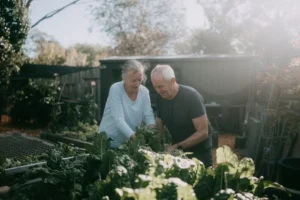
- Prioritize Interests Over Routine: Instead of enforcing a rigid gym schedule, identify activities that align with the senior’s lifelong interests. If a loved one enjoys history, a walking tour of a museum is an effective, social way to incorporate movement. If they enjoy the outdoors, gardening or nature photography can provide low-impact physical benefits without the pressure of a "workout."
- Implement Movement Snacks: The concept of "movement snacks"—short bursts of physical activity interspersed throughout the day—is highly effective. This could include standing up every 30 minutes to stretch, performing calf raises while waiting for the kettle to boil, or practicing balance exercises while brushing teeth. These activities, while small, preserve functional independence.
- Foster Social Connectivity: Exercise is significantly more sustainable when it is a social event. Joining a senior-specific walking club, a water aerobics class, or even a local community group can turn a chore into a highlight of the day. The social benefit of these activities often outweighs the physical, serving as an antidote to the isolation that frequently accompanies aging.
- Visual Tracking and Accountability: As Petree suggests, visual progress can be a powerful motivator. Using a physical calendar to mark off days of activity provides a tangible sense of accomplishment. Whether using high-tech wearables or a simple pen-and-paper log, the act of recording progress reinforces positive behavior.
When to Seek Professional Support
There are instances where a lack of motivation is not a matter of habit, but a symptom of an underlying medical issue. If a senior shows a sudden, sustained loss of interest in activities they once cherished, or if they display symptoms of apathy, it is imperative to involve a physician or a mental health professional.
Depression in the elderly is frequently under-diagnosed and can present as lethargy, loss of appetite, and an extreme resistance to physical activity. A medical professional can rule out comorbidities, assess if pain management strategies need adjustment, and potentially offer physical therapy referrals to address mobility issues in a safe, controlled environment.
The Broader Implications of Active Aging
The societal impact of promoting senior activity is profound. By delaying the onset of frailty and maintaining functional independence, the healthcare system reduces the reliance on long-term care facilities and minimizes the economic burden of chronic disease management. More importantly, it honors the quality of life of the individual.
"The goal at first is not fitness, but simply creating a small success that can build confidence and open the door to doing more," Dr. Rozanski observes. By focusing on consistency, social connection, and the celebration of small wins, caregivers can provide the support necessary for seniors to age with dignity, resilience, and vitality. The objective is not to force the pace of youth, but to sustain the momentum of life, ensuring that every individual can remain an active participant in their own story for as long as possible.
Related posts: