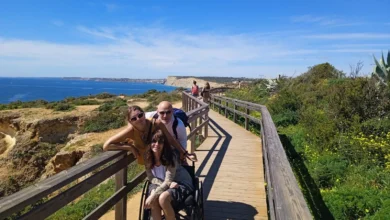
Opening the Paradise Gates: How Accessible Fiji is Redefining Tropical Travel for All


Fiji, an archipelago celebrated globally for its pristine turquoise waters, lush tropical landscapes, and the genuine warmth of its people, has long been a bucket-list destination for millions. However, for travelers with mobility disabilities, wheelchair users, and the elderly, the logistical challenges inherent in island geography have historically rendered this paradise inaccessible. A transformative shift is now underway as Accessible Fiji, a specialized division of the renowned travel provider Rosie Holidays, moves to dismantle these barriers. By integrating specialized transportation, vetted infrastructure, and a candid, consultative approach to travel planning, the organization is fundamentally altering how the world experiences the South Pacific.
The Genesis of Inclusive Tourism in the South Pacific
The initiative stems from a growing realization within the global tourism industry that accessibility is no longer an optional amenity, but a fundamental human right. For decades, the "paradise" narrative of Fiji was marketed exclusively to able-bodied travelers, while those with physical limitations were often left to navigate a labyrinth of inaccessible resorts, inadequate transport, and a lack of reliable information.
Ilaitia Bakani, Head of Rosie Living at Rosie Holidays, characterizes the mission as a necessary evolution of the Fijian tourism product. The launch of Accessible Fiji represents a strategic pivot, moving away from a "one-size-fits-all" model toward a tailored, inclusive framework. According to internal projections and industry analysis, the global accessible tourism market is projected to reach significant growth by 2030, driven by an aging global population and a rising demand for equity in travel experiences. By positioning itself as a leader in this space, Fiji is not only enhancing its social responsibility profile but is also tapping into a lucrative and underserved demographic of travelers.
Infrastructure and the Fleet of Change
The core challenge for any island nation attempting to improve accessibility is the logistics of movement. Transporting travelers who require mobility aids across varied terrain is a complex undertaking. To address this, Accessible Fiji has introduced a fleet of LDV MIFA9 electric vehicles, which represent a significant leap forward in local infrastructure.
These vehicles are specifically retrofitted with industrial-grade wheelchair lift systems and internal securement configurations that meet international safety standards. The design allows for the transport of a wheelchair user alongside up to seven companions, ensuring that the social aspect of travel—the ability to experience a destination with family and friends—remains intact. While the current fleet does not accommodate heavy electric mobility scooters, the organization has established a robust communication channel to advise travelers on rental alternatives or equipment compatibility prior to their departure, minimizing the "surprise factor" that often ruins international trips for disabled travelers.
Chronology of Accessibility Developments in Fiji
- 2023–2024: Initial feasibility studies conducted by tourism boards and private operators to assess the gaps in infrastructure for disabled travelers.
- Early 2025: Rosie Holidays formalizes the "Rosie Living" division, focusing on specialized, high-touch travel services.
- May 2026: Official launch of the Accessible Fiji brand, marked by the deployment of the first specialized EV fleet.
- Late 2026: Expansion of local partnerships with luxury and mid-range resorts to conduct site-specific accessibility audits and staff training.
The Role of Local Expertise: The Human Element
One of the most innovative aspects of the Accessible Fiji model is the elevation of the "Accessibility Ambassador." Saimoni, a key figure in this program, provides more than just a tour guide service; he acts as an on-the-ground consultant who views the landscape through the lens of mobility.
In a destination where terrain can change rapidly—from sandy beach fronts to hilly, volcanic landscapes—local knowledge is the ultimate safety feature. Saimoni and his team assess routes in real-time, ensuring that the environments guests visit are not only accessible in theory but functional in practice. This personalized approach mitigates the risks associated with relying on generic travel brochures, which often fail to account for the nuance of a specific traveler’s needs, such as the exact width of a door frame or the gradient of a ramp.
Vetting and Transparency: A New Standard for Resorts
Accessible Fiji has taken a proactive stance on the "transparency gap" that plagues the travel industry. Instead of offering broad, often misleading guarantees, the organization works directly with a select group of resort partners to verify accessibility features. This is a crucial development because, in many tropical regions, the term "accessible" is loosely defined.

The criteria for recommendation now include:
- Bathroom Configuration: Verified measurements of roll-in showers, grab bar placement, and clearance for turning radii.
- Pathways: Verification of flat, paved, or reinforced surfaces that allow for smooth navigation between the lobby, dining areas, and the beach.
- Emergency Protocols: Ensuring that staff are trained to assist individuals with mobility needs during both standard operations and emergency evacuations.
The company facilitates a pre-arrival consultation for every guest. By collecting data on a traveler’s specific mobility aid and level of physical independence, the team can curate a room and itinerary that minimizes frustration. This level of granular detail is essentially a form of risk management that protects both the traveler and the resort’s reputation.
Economic and Societal Implications
The broader impact of this initiative extends beyond the immediate benefit to the individual traveler. By investing in accessibility, Fiji is signaling to the international community that its tourism product is modernizing. This has a ripple effect on local employment and infrastructure standards. As hotels and transport providers see a sustained demand for accessible services, the incentive to upgrade existing facilities increases.
Furthermore, this shift promotes a culture of inclusivity among local service staff. When a resort is forced to consider the needs of a guest who uses a wheelchair, the staff naturally becomes more attuned to the needs of all guests, including the elderly, parents with strollers, or travelers with temporary injuries. It fosters a hospitality environment that is fundamentally more empathetic and observant.
Data and Future Projections
Industry data suggests that travelers with disabilities often travel in groups and tend to stay longer at their destinations than the average tourist. This "multiplier effect" means that for every traveler with a disability, there is an associated increase in spending on dining, activities, and local services. By effectively capturing this market, Fiji is positioning itself to be a premier destination for inclusive tourism in the Asia-Pacific region.
However, the team at Accessible Fiji remains grounded. They openly acknowledge that the natural environment of an island nation will always present challenges that urban centers might not. There are parts of the coastline that may never be fully accessible, and mountainous terrain will remain a hurdle. Their strategy is to manage these expectations through honest, clear, and proactive communication.
Conclusion: A Model for Island Destinations
The success of Accessible Fiji is not defined by the perfection of the destination, but by the reliability of the support network surrounding the visitor. By combining the technical capabilities of a modern transport fleet with the human touch of local experts, they have created a template that other island nations should emulate.
For a traveler who has spent years dreaming of a Fijian sunset but fearing the practicalities of getting there, the service provided by Accessible Fiji is more than just a logistics company. It is an invitation. It is the realization that the world’s most beautiful places are not reserved for those who can navigate them without assistance, but are there to be experienced by everyone. As the program continues to grow and refine its offerings, the message to the global community is clear: Fiji is evolving, and it is officially opening its doors to all.