From Twitter to Bluesky: The Hospice and Palliative Care Community Finds a New Digital Home

The digital landscape for medical professionals has shifted dramatically over the past two years, marked by a mass migration from legacy platforms to decentralized alternatives. Dr. Christian Sinclair, editor-in-chief of the prominent healthcare blog Pallimed and a palliative care physician at the University of Kansas Health System, has officially announced his departure from Twitter—now known as X—citing a toxic online environment, algorithmic deterioration, and a lack of reliable safety features. In doing so, he mirrors a broader trend within the hospice and palliative care (HAPC) community, which is actively relocating its professional networking and academic discourse to the decentralized microblogging platform Bluesky.
This transition underscores a pivotal moment for digital medical communication. For over a decade, platforms like Twitter served as vital infrastructure for clinicians, researchers, and educators to exchange real-time clinical insights, debate healthcare policy, and combat professional isolation. However, changes in platform ownership, content moderation policies, and user safety protocols have forced specialized medical communities to re-evaluate their digital footprints.
The Evolution of Medical Microblogging: A Chronological Overview
The integration of text-based microblogging into clinical practice is not entirely new. In February 2009, Pallimed published foundational guides encouraging palliative care clinicians to adopt Twitter for professional engagement, education, and peer support. Throughout the 2010s, platforms like Twitter facilitated unprecedented global collaboration among specialists in hospice and palliative medicine (HPM). Tweetchats—structured online discussions using hashtags such as #hpm or #hapc—became weekly staples for sharing peer-reviewed literature, discussing complex ethical dilemmas, and mentoring early-career physicians.
By the early 2020s, however, the digital ecosystem began to deteriorate. Changes in corporate governance, layoffs among trust and safety teams, and a perceptible rise in targeted harassment diminished the utility of mainstream platforms for academic and clinical discourse. For specialists dealing with emotionally heavy and politically sensitive topics like end-of-life care, pain management, and healthcare equity, the influx of polarizing content and commercial noise created an untenable environment.
The tipping point for many professionals arrived in late 2024, when a combination of algorithmic shifts and privacy policy updates prompted widespread account deletions across academic medicine. Dr. Sinclair’s decision to delete his personal account after years of active stewardship signifies a symbolic end to an era of medical networking on legacy platforms.
The Rise of Bluesky and the Decentralized Alternative
As traditional networks lost their appeal, the HAPC community began exploring alternative digital infrastructures. Bluesky, originally initiated as a research project within Twitter before spinning off into an independent public benefit corporation, has emerged as the primary beneficiary of this migration. Utilizing the Authenticated Transfer Protocol (AT Protocol), Bluesky offers a decentralized architecture that grants users greater control over their data, content moderation, and algorithmic feeds.
Dr. Sinclair, who joined the platform 18 months prior following an invitation from colleague Dr. Holly Yang, noted a massive surge in academic and clinical migration. Over a single weekend, the platform experienced exponential growth in both the quantity and quality of professional engagement.
Beyond individual clinicians, the platform has attracted a diverse ecosystem of medical stakeholders, including peer-reviewed journals, professional societies, health journalists, and prominent public health researchers. This concentration of verified expertise has transformed Bluesky into a functional digital town square reminiscent of early social media, characterized by collegiality, academic rigor, and community bonding.
Features Driving Clinical Adoption

The rapid adoption of Bluesky by medical professionals is largely attributed to its deliberate feature set, which addresses the primary pain points experienced on older platforms.
First, the platform remains entirely ad-free and relies on experimental subscription and decentralized hosting models rather than engagement-driven advertising algorithms. This structure significantly reduces the incentive for rage-bait, clickbait, and commercial clutter.
Second, Bluesky provides robust moderation tools that allow users and third-party developers to build custom moderation lists and feed algorithms. Healthcare professionals can effectively insulate themselves from coordinated harassment campaigns, misinformation, and abusive interactions—a critical safeguard for clinicians who frequently face public scrutiny regarding controversial medical topics.
Furthermore, community-driven onboarding tools have streamlined the migration process. Innovators within the medical field have developed "starter packs"—curated lists of user profiles categorized by specialty or geographic region. For instance, Dr. Sinclair published a Hospice and Palliative Care People starter pack featuring approximately 120 verified professionals dedicated to palliative care, while Dr. Catherine Walshe, editor of the journal Palliative Medicine, launched a complementary HAPC starter pack to help incoming users instantly rebuild their professional networks.
Reviving Academic Discourse and Future Initiatives
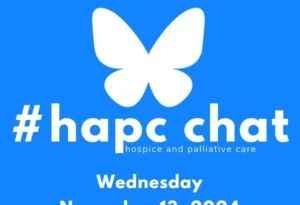
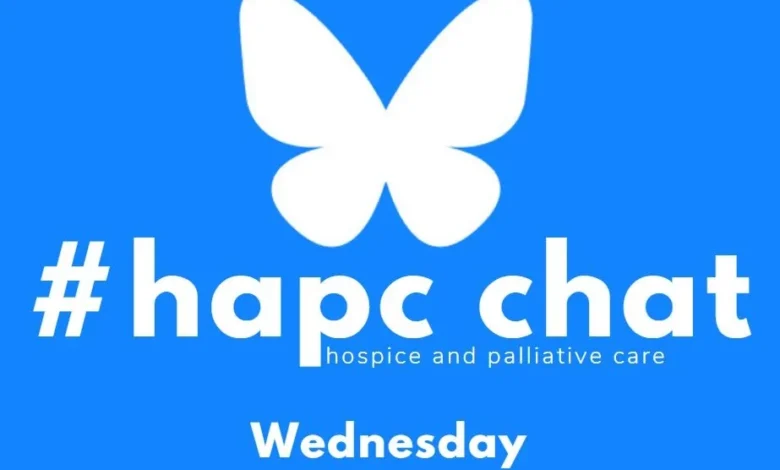
To capitalize on this momentum, community leaders are actively reestablishing foundational academic traditions on the new platform. Dr. Sinclair has announced the revival of the weekly #hapc chat (historically recognized as #hpm chat or Tweetchat), scheduled to run on Wednesday evenings. These synchronized discussions are designed to foster global mentorship, review recent literature, and maintain professional connectivity across distant academic medical centers.
Additionally, digital organizers are utilizing Bluesky to coordinate upcoming major academic events, such as the American Academy of Hospice and Palliative Medicine (AAHPM) Annual Assembly (#HAPC25), scheduled to take place in Denver. By centralizing event announcements, abstract discussions, and real-time conference networking on Bluesky, organizers hope to prevent the fragmentation of conference dialogue that plagued recent academic gatherings spread across competing platforms.
Broader Implications for Medical Communication
The mass exodus of the hospice and palliative care community from legacy social media to platforms like Bluesky carries broader implications for the medical profession at large. It highlights a growing institutional distrust of centralized, profit-driven digital utilities that fail to prioritize user safety and academic integrity.
As medical societies and scholarly journals increasingly establish official presences on decentralized networks, the medical community is demonstrating that specialized professional discourse can successfully migrate without losing its core cohesion. While challenges remain—including the learning curve associated with decentralized protocols and the fragmentation of audiences across multiple competing platforms—the rapid consolidation of palliative care professionals on Bluesky establishes a viable blueprint for other medical specialties seeking refuge from the toxicity of modern mainstream social media.
For clinicians hesitant to make the leap, community-driven resources such as Dr. Sinclair’s "How to Bluesky" guide and comprehensive starter packs offer a low-friction entry point. Ultimately, the migration represents a reclamation of digital space by healthcare professionals, prioritizing collegiality, patient advocacy, and evidence-based discourse over engagement metrics and algorithmic noise.