How to Maintain Nutritional Balance and Prevent Overeating During the Holiday Season

The holiday season, spanning from late November through early January, represents a period of significant behavioral shifts regarding nutrition and consumption patterns. Public health data consistently indicates that during these weeks, individuals are prone to increased caloric intake, often leading to post-holiday weight gain and associated stress. Research from the New England Journal of Medicine suggests that while the average holiday weight gain is often overestimated, a significant portion of the population struggles to lose the weight gained during the six-week period between Thanksgiving and New Year’s. Understanding the psychological and physiological triggers behind these behaviors—specifically the roles of scarcity mindset and emotional stress—is essential for those seeking to maintain health goals without sacrificing the social aspects of the season.
The Physiological and Psychological Landscape of Holiday Consumption
The phenomenon of holiday overeating is rarely the result of a single factor; rather, it is a confluence of environmental cues, emotional triggers, and biological responses. From a historical perspective, the modern holiday season is built upon the concept of feasting. Historically, these traditions served as communal celebrations of harvest or religious significance. In a contemporary context, the ubiquity of high-calorie, sugar-dense foods at social gatherings creates an environment of constant temptation.
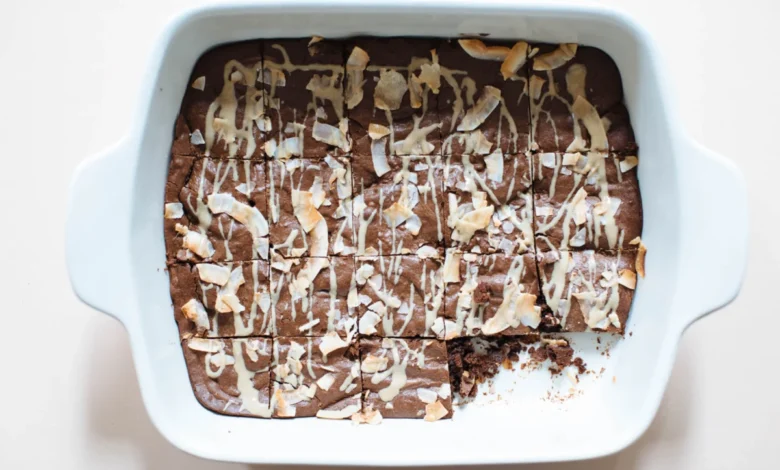
Registered dietitians emphasize that the "scarcity mindset" is a primary driver of overconsumption. When an individual perceives a food item as a limited-time opportunity—such as a specific seasonal dessert—they are psychologically predisposed to consume it in higher quantities than they would if the item were available year-round. This is compounded by the "mindless eating" phenomenon, where individuals consume calories in social settings without tracking hunger or satiety cues, often driven by the presence of others or the comfort of nostalgic flavors.
A Chronology of Consumption Patterns
The typical holiday consumption cycle begins with the Thanksgiving holiday in the United States, which serves as a psychological "opening" for the season. During this period, which lasts approximately 40 days, dietary discipline often declines.
- Phase 1: The Seasonal Onset (Late November): The focus shifts toward large, multi-course gatherings. The primary challenge here is the "starve-binge" cycle, where individuals intentionally skip meals to "save room" for a large event, only to experience extreme hunger that leads to a loss of portion control.
- Phase 2: The Social Marathon (December): This phase is defined by a higher frequency of office parties, family dinners, and social mixers. The challenge shifts from a single large meal to the cumulative effect of frequent, high-calorie consumption.
- Phase 3: The New Year’s Transition (Early January): Often characterized by an abrupt, restrictive shift in diet, which can lead to further metabolic strain and the abandonment of sustainable habits.
Data-Driven Strategies for Dietary Regulation
Nutritional experts advocate for a systematic approach to navigating these weeks. By replacing reactive habits with proactive strategies, individuals can reduce the physiological stress of overconsumption.
1. Prioritizing Quality Over Quantity
The most effective strategy for managing caloric intake is the conscious selection of food. Nutritionists suggest that individuals should differentiate between "filler" foods—often low-quality, mass-produced items found in communal areas—and "intentional" foods, which are the seasonal items that offer genuine enjoyment. By choosing to consume only those items that hold personal or cultural significance, the overall caloric density of a meal is often naturally reduced without the feeling of deprivation.
2. Avoiding the "Starve-Binge" Trap
Data consistently shows that fasting throughout the day in anticipation of an evening feast is counterproductive. When the body reaches a state of extreme hunger, the hormone ghrelin spikes, which inhibits the ability to make rational, portion-controlled decisions. Maintaining a standard, balanced meal cadence throughout the day ensures that blood glucose levels remain stable, allowing for a more measured approach to evening social events.
3. Integrating the Balance Spectrum
Clinical dietitians often utilize a "Balance Spectrum" model to help clients categorize their relationship with food. This model divides choices into "nourishment" (foods that fuel physiological needs) and "enjoyment" (foods that provide psychological satisfaction). The objective is not to eliminate enjoyment-based foods, but to achieve a equilibrium where neither category dominates the dietary intake. This method prevents the "all-or-nothing" mentality that frequently leads to post-holiday regret.
4. Managing Environmental and Emotional Stress
The holiday season is statistically one of the most stressful periods of the year. Increased cortisol levels, caused by travel, financial strain, and social obligations, are linked to an increased desire for "comfort foods." Implementing active stress management techniques—such as structured physical activity, mindfulness meditation, or journaling—can help decouple emotional stress from food consumption. When stress is managed through non-food outlets, the impulse to use eating as a coping mechanism is significantly dampened.
Implications and Professional Perspectives
Public health officials note that the broader implication of holiday overeating is not merely the short-term weight fluctuation, but the potential for long-term habit degradation. When individuals cycle between periods of extreme indulgence and restrictive dieting, they risk damaging their metabolic health and their psychological relationship with food.
Professional dietitians emphasize that the goal should be "nutritional sustainability." This involves recognizing that the holidays are a recurring event, not a temporary lapse. By viewing dietary choices as a long-term practice rather than a series of isolated incidents, individuals can remove the pressure associated with specific meals.
"The objective is to move away from the binary of ‘good’ and ‘bad’ foods," says a spokesperson from a prominent nutrition research group. "When food is no longer framed as a limited resource, the psychological drive to over-consume diminishes. The key is consistency, not perfection."
Conclusion: A Framework for Future Success
As the holiday season approaches, the focus for individuals should remain on intentionality. By acknowledging the environmental and biological factors that contribute to overeating, one can develop a defense strategy that is both realistic and sustainable. The implementation of small, incremental changes—such as maintaining consistent meal timing, practicing mindful selection of treats, and engaging in stress-reduction techniques—can break the cycle of overeating.
The integration of these habits ensures that the holiday season remains a period of celebration rather than a source of physical or emotional discomfort. By shifting the focus from restrictive control to balanced nourishment, individuals can maintain their health objectives while fully participating in the traditions and social bonds that define the season. As research continues to evolve, the consensus remains clear: successful navigation of holiday nutrition lies in the intersection of awareness, preparation, and the rejection of the scarcity mindset.