Bridging the Gap: Disability Belongs Hosts Landmark Webinar on Authentic Representation in Media and Industry

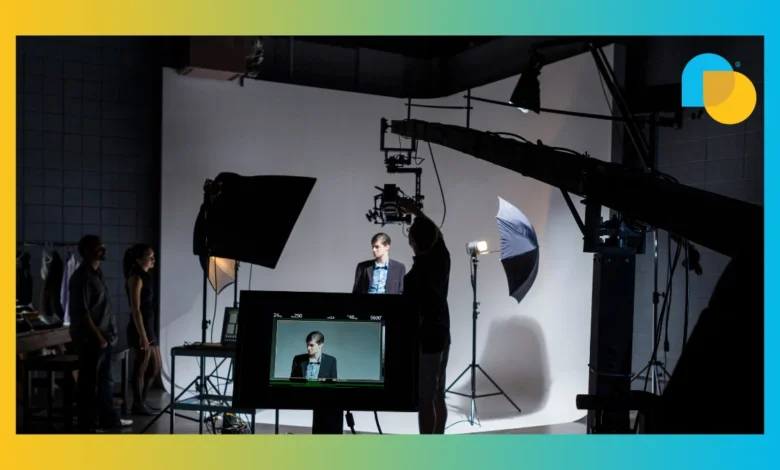
The landscape of modern media, advertising, and corporate communication is undergoing a seismic shift as the demand for genuine disability representation reaches an all-time high. On Wednesday, October 21, 2026, at 2:00 p.m. ET, the organization Disability Belongs will host a pivotal one-hour webinar designed to address the persistent gap between the prevalence of disability in the general population and the frequency of authentic portrayal in creative industries. This event serves as a strategic call to action for employers and professionals across the entertainment, advertising, sports, and news sectors to move beyond tokenism and embrace the economic and social imperative of inclusive storytelling.
The Statistical Imperative for Inclusive Content
The impetus for this discussion is grounded in the stark reality of current demographic trends. According to the Centers for Disease Control and Prevention (CDC), more than 1-in-4 adults in the United States—approximately 27% of the population—live with some form of disability. Despite this significant demographic weight, the creative industries have historically relegated disabled individuals to the periphery or relied on outdated, reductive tropes.
Market analysts have identified this disconnect as a massive untapped opportunity. Recent data suggests that audiences are increasingly "voting with their remote controls and wallets," gravitating toward platforms and brands that mirror the reality of the human experience. When media fails to reflect the diversity of its audience, it risks alienation; when it succeeds, it captures a loyal, multi-generational, and intersectional demographic that has long been ignored by traditional casting directors and corporate marketing teams.
Chronology of the Movement Toward Representation
The push for disability representation has evolved from a grassroots advocacy effort into a mainstream business priority over the last decade.
In the early 2020s, the conversation was largely focused on basic accessibility and legal compliance under the Americans with Disabilities Act (ADA). However, by 2024, the focus shifted toward "authentic representation"—a standard that demands disabled characters be played by disabled actors and that narratives be crafted by disabled writers and directors.
Throughout 2025, several high-profile entertainment studios and advertising agencies began formalizing their diversity, equity, and inclusion (DEI) guidelines to specifically include disability as a protected and celebrated category. This shift was fueled by the rise of social media activism, where disabled content creators successfully challenged major brands to account for their lack of visibility. The upcoming October 2026 webinar marks a maturation point in this timeline, moving from general awareness-raising to tactical, industry-specific implementation strategies.
Addressing the Professional Blind Spot
The Disability Belongs webinar aims to dissect why industries that pride themselves on "innovation" have remained stagnant regarding disability inclusion. Industry experts point to a "fear factor" that permeates boardrooms—a concern that portraying disability might be viewed as "risky" or "unmarketable."
The reality, however, is that authentic representation acts as a catalyst for creative innovation. When creators integrate disability into their work from the conceptual phase, it forces a reimagining of traditional narratives. In sports broadcasting, for example, this means more inclusive color commentary and technical accessibility for viewers with visual or hearing impairments. In advertising, it means moving away from "inspiration porn"—where disabled people are portrayed solely as objects of pity or triumph—to a model where disabled people are depicted as everyday consumers, leaders, and influencers.
Economic Implications for Creative Industries
A fact-based analysis of current media trends indicates that inclusive content is no longer just a moral choice; it is a fiduciary one. The "Disability Market" represents a massive segment of global GDP, often referred to by economists as the "Purple Dollar." When brands ignore this segment, they leave significant market share on the table.

Furthermore, the creative workforce is itself composed of a significant percentage of disabled professionals who have historically hidden their identities to avoid workplace stigma. By fostering environments that encourage authentic representation, firms are effectively widening their talent pool. Companies that prioritize inclusive hiring in front of and behind the camera have reported higher employee retention rates and more creative output, as diverse teams are statistically more likely to solve complex problems and produce original concepts.
Expert Perspectives and Industry Responses
While Disability Belongs has yet to release the full roster of speakers for the October 21 event, industry insiders suggest the panel will include a mix of executive-level stakeholders and veteran disabled creators.
"We are moving past the era of the ‘special episode’ regarding disability," says one industry consultant familiar with the webinar’s planning. "The goal now is systemic integration. We are looking for a shift where disability is an inherent part of the creative process, rather than an afterthought or a box-ticking exercise for a diversity report."
Major industry guilds and unions have begun responding to this pressure. Over the past 18 months, several prominent writers’ and actors’ unions have implemented new language in collective bargaining agreements aimed at increasing the hiring of disabled personnel. These systemic changes are expected to be a focal point of the webinar, as attendees will be provided with actionable steps to navigate these new professional standards.
Preparing for the Future of Media
The upcoming webinar is designed to be a bridge between the current state of industry practice and the desired future of inclusive media. By inviting professionals from diverse fields—entertainment, advertising, sports, and news—Disability Belongs is encouraging cross-pollination of ideas. A technique that has proven successful in sports broadcasting might provide the blueprint for a news network looking to improve its accessibility standards, or an advertising agency’s casting strategy might inform how a television studio handles pilot casting.
Attendees can expect to explore:
- Narrative Integrity: How to develop stories that honor the lived experience of disability without relying on stereotypes.
- Inclusive Production: The logistical changes required on set and in the writers’ room to accommodate disabled talent.
- Marketing Authenticity: How to build marketing campaigns that engage the disability community with respect and precision.
- Business ROI: How to communicate the business case for disability inclusion to skeptical stakeholders or budget committees.
Conclusion: A Strategic Imperative
The webinar on October 21, 2026, represents a critical moment for professionals to align their business practices with the modern reality of the global audience. As the market continues to demand transparency, accountability, and representation, the industries that act early will find themselves at a competitive advantage.
The barrier to entry for these industries is not a lack of talent or a lack of interest; it is a lack of institutional knowledge regarding how to implement these changes effectively. By providing a platform for dialogue and education, Disability Belongs is positioning itself at the forefront of a necessary professional evolution. For those in the creative and business sectors, the question is no longer whether they should include disabled voices, but how quickly they can integrate them to remain relevant in a rapidly changing landscape.
Interested professionals, employers, and creatives are encouraged to register online through the official Disability Belongs portal. With the industry at a crossroads, the insights shared during this one-hour session are expected to set the agenda for inclusive media development for the coming year. As the industry looks toward 2027 and beyond, the message remains clear: the future of media is inclusive, and those who fail to adapt to this reality risk being left behind by an audience that is increasingly informed, vocal, and expectant of change.