Navigating the High Seas: A Comprehensive Guide to Accessible Cruising for Wheelchair Users

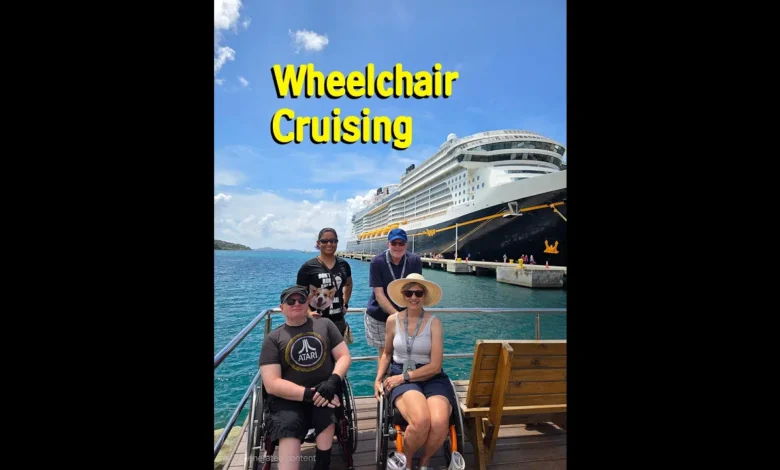
The modern cruise industry has transformed from a niche luxury market into a cornerstone of global tourism, serving millions of passengers annually. For individuals with mobility impairments, the appeal of cruising lies in the "unpack once" philosophy—a logistical advantage that mitigates the frequent stresses associated with land-based travel, such as navigating varied hotel room standards, public transit systems, and inconsistent architectural accessibility. However, the operational reality of accessibility at sea remains a complex landscape defined by varying ship ages, international maritime regulations, and the unique challenges of port-to-port logistics.
The Evolution of Maritime Accessibility
Historically, cruise ships were notoriously difficult for travelers with disabilities, characterized by narrow corridors, heavy fire doors, and limited cabin configurations. The shift toward modern accessibility began in earnest with the implementation of the Americans with Disabilities Act (ADA) in the United States, which forced cruise lines—many of which are headquartered or operate heavily out of U.S. ports—to modernize their fleets.
By the mid-2000s, major cruise lines began incorporating "Accessible Staterooms" into their architectural blueprints. These cabins are designed with wider entryways, roll-in showers, reinforced grab bars, and lower light switches. Despite these advancements, a significant disparity exists between newer vessels, which are built with universal design principles in mind, and older ships retrofitted to meet modern codes. For the informed traveler, understanding this distinction is the first step in successful vacation planning.
Expert Perspectives on Shipboard Logistics
In a recent collaborative dialogue, travel advocate Ashley Lyn Olson of WheelchairTraveling.com and accessibility expert Mike Greer highlighted the nuanced realities of life on board. According to their assessment, the success of a cruise is largely dictated by the traveler’s ability to communicate specific needs well in advance of departure.
"Cruising offers a contained environment that is theoretically easier to navigate than a city," Greer noted. "But you are still dealing with a moving vessel. The ship’s layout, the location of the accessible cabins relative to elevators, and the ship’s ability to tender into specific ports are variables that can significantly impact the autonomy of a wheelchair user."
One of the most critical factors identified by the duo is the "tender process." While many ports offer direct pier-side docking, some destinations—particularly remote or environmentally protected islands—require passengers to transition from the ship to a smaller transport vessel, or "tender." For travelers with limited mobility, this transition can be physically challenging or, in some sea conditions, entirely prohibited by the ship’s captain for safety reasons.
Data and Infrastructure: The State of the Industry
Recent industry reports indicate that the demographic of cruise passengers is aging, leading to an increased demand for accessible infrastructure. According to data from the Cruise Lines International Association (CLIA), approximately 25% of all cruise passengers are aged 60 or older, a segment that frequently reports a need for higher levels of mobility support.
To meet this demand, cruise lines have invested billions into ship design. Key features now considered standard on premium lines include:
- Elevator access: Ensuring all public decks and venues are reachable without the use of stairs.
- Public restroom accessibility: Automated doors and expanded square footage in common areas.
- Pool lifts: Hydraulic or battery-operated lifts for onboard swimming pools and whirlpools, as mandated by the 2010 ADA Standards for Accessible Design.
However, the "last mile" of the journey—the shore excursion—remains the greatest point of friction. While a ship might be perfectly accessible, the infrastructure of the destination port may not be. Travelers are increasingly advised to utilize specialized travel agencies that vet local tour operators for wheelchair-accessible vans and accessible routes in historic city centers, where cobblestone streets remain a common barrier.
Chronology of Accessibility Planning
For those planning a voyage, the timeline of preparation is as vital as the trip itself. Professionals recommend a structured approach to booking:
- Six to Twelve Months Prior: Research the specific ship’s age and accessibility rating. Contact the cruise line’s "Access Department" directly to confirm the availability of accessible cabins.
- Four to Six Months Prior: Secure shore excursions. It is recommended to prioritize private tours or cruise-line-sponsored excursions that explicitly guarantee "wheelchair accessible" transportation.
- Two Months Prior: Confirm all medical equipment requirements, such as the need for oxygen, specialized beds, or the rental of mobility scooters, which can often be arranged to be waiting in the stateroom upon arrival.
- One Month Prior: Finalize documentation, including any necessary paperwork for service animals or medical exemptions.
Official Responses and Regulatory Frameworks
The cruise industry operates under a complex web of international laws. While the ADA applies to ships calling at U.S. ports, international waters are governed by the Maritime Labour Convention (MLC) and the International Maritime Organization (IMO). These bodies emphasize safety and emergency evacuation protocols for passengers with disabilities.
In recent years, the industry has faced pressure to move beyond mere "compliance" toward a "universal design" standard. Industry spokespeople have noted that the challenge lies in the "heritage ship" problem—vessels built thirty years ago that cannot be widened or restructured without compromising the structural integrity of the ship. Consequently, the industry’s current strategy focuses on transparency, ensuring that travelers are provided with precise dimensions and capabilities for each specific vessel before they commit to a booking.
Implications for the Future of Travel
The intersection of accessible travel and the cruise industry represents a significant market shift. As the global population ages, the "accessible travel" sector is projected to grow faster than the general tourism industry. This has broader implications for port authorities, which are now being pressured to upgrade infrastructure to accommodate the influx of accessible tour buses and improved terminal accessibility.
Furthermore, the integration of digital tools is changing how travelers navigate. Mobile apps now allow users to view deck plans in real-time, identify the location of elevators, and check the accessibility status of various venues on the ship. These technological advancements, combined with a greater emphasis on peer-to-peer sharing of experiences, empower travelers to make informed decisions that align with their personal mobility requirements.
Conclusion: A Foundation of Preparation
The consensus among seasoned travelers is clear: accessibility in cruising is not a guaranteed feature of the ticket price, but a result of diligent planning and proactive communication. By understanding the ship’s architecture, vetting shore excursions, and utilizing the resources provided by advocacy groups, wheelchair users can effectively navigate the limitations of the medium.
While the industry continues to refine its approach to inclusive travel, the burden of coordination currently rests on the traveler. As more individuals demand equitable access to travel experiences, it is expected that cruise lines will continue to refine their internal policies and hardware, ultimately creating a more seamless experience for all passengers, regardless of their physical abilities. The shift from "accommodating" to "welcoming" passengers with disabilities remains the primary objective for the next decade of maritime tourism.
Related posts: