Exploring the Great Outdoors: A Comprehensive Guide to Free All-Terrain Wheelchair Programs Across the United States

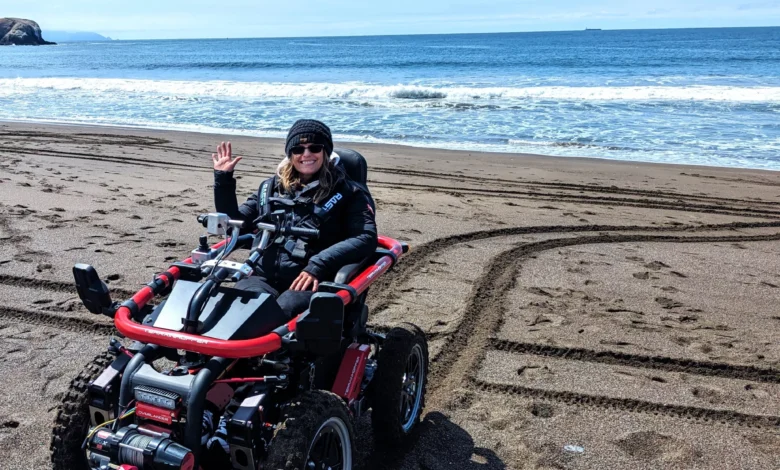
The landscape of outdoor recreation in the United States is undergoing a significant transformation, shifting from a model of exclusive access to one defined by inclusive exploration. For millions of Americans with mobility impairments, the traditional trail system—often characterized by uneven terrain, narrow pathways, and obstacles—has historically acted as a barrier to the restorative benefits of nature. However, a nationwide movement, spearheaded by state park departments, federal agencies, and non-profit organizations, is bridging this gap by providing free access to all-terrain track chairs. These specialized, battery-powered vehicles allow individuals who use wheelchairs to traverse sand, snow, mud, and steep inclines, effectively democratizing the wilderness.
The Evolution of Accessible Recreation: A Chronology
The movement began in earnest during the mid-2010s, as park systems started to recognize that standard ADA-compliant boardwalks were insufficient to meet the needs of visitors seeking a true backcountry experience.
In 2016, Colorado’s Staunton State Park launched what is widely considered the pioneer program for public-use track chairs. By providing a fleet of all-terrain chairs, the park demonstrated that with minor logistical adjustments and equipment investment, the most rugged terrains could be made accessible. The success of the Staunton model created a blueprint that other states, including Missouri, Minnesota, and Georgia, began to replicate.
By 2020, the momentum had accelerated, fueled by a combination of technological advancements in chair manufacturing—such as the Action Trackchair and the Mountain Trike—and increased advocacy for public health equity. In 2026, the trend reached a new milestone as states like Indiana announced comprehensive, statewide rollouts, utilizing private and public funding to ensure that almost every state park within their borders would eventually be equipped with all-terrain mobility devices.
Regional Programs and Operational Frameworks
While the overarching goal is universal access, the operational models vary significantly by region. These differences reflect the unique logistical challenges of managing outdoor equipment across diverse climates and topographies.
The Midwest: A Hub for Innovation
The Midwest has emerged as the national leader in accessible trail initiatives. Minnesota’s Department of Natural Resources (DNR) currently oversees one of the most robust systems, with 13 state parks offering track chairs. These units, which feature a 4–6 hour battery life and a top speed of 3 mph, are provided free of charge, with the only requirement being a standard vehicle permit.
Similarly, Wisconsin has adopted a dual-pronged approach. The Wisconsin DNR manages on-site equipment at parks like Peninsula and Point Beach, while the non-profit organization Access Ability Wisconsin has pioneered a "lending library" model. By providing towable trailers with track chairs, they allow users to transport the equipment to a variety of locations, effectively decentralizing the point of access.
The Southeast and Coastal Access
In Georgia, the "All-Terrain Georgia" initiative represents a sophisticated partnership between the state and the Aimee Copeland Foundation. Unlike some states that allow for spontaneous usage, Georgia utilizes a structured reservation and training system. This ensures that users and their designated "buddies" are familiar with the operation of the equipment, which is vital for safety in the humid, varied terrain of the Southeast.
Virginia has also integrated accessibility into its funding model, leveraging revenue from specialized disability license plates to maintain its fleet. Their program is notable for its versatility, offering both tracked chairs for forest trails and pneumatic-tire chairs for softer ground, demonstrating an understanding that "accessibility" is not a one-size-fits-all solution.
National Park Service (NPS) Implementation
At the federal level, the National Park Service does not currently operate a centralized, nationwide track-chair program. Instead, authority is delegated to individual park units. This has resulted in a patchwork of accessibility. Iconic destinations such as Rocky Mountain National Park and Sleeping Bear Dunes National Lakeshore have integrated track chairs into their visitor services, while many coastal parks have prioritized the acquisition of specialized beach wheelchairs. Prospective visitors are encouraged to consult the specific NPS unit’s "Accessibility" page, as equipment availability is often limited and highly seasonal.
Supporting Data and User Logistics
For potential users, the logistical requirements can be as complex as the terrain itself. A systematic analysis of current state programs reveals three primary categories of access:
- Direct On-Site Reservation: Used by Colorado, Missouri, and Texas. These programs are designed for day-use and generally require booking well in advance.
- Lending Library/Towable: Pioneered by Wisconsin and South Dakota. These require the user to have a vehicle capable of towing, effectively placing the burden of transport on the user but offering greater freedom of location.
- First-Come, First-Served: Utilized by Kansas and portions of the Michigan system. While this allows for spontaneity, it carries the inherent risk of equipment unavailability.
Weight capacity is a critical safety parameter. Most standard track chairs are rated for 300 to 350 pounds. Users are advised to review these specifications prior to arrival, as failure to comply with weight limits can result in equipment failure or safety risks on steep grades. Furthermore, many programs require a "transfer" process. Because staff are generally prohibited from providing physical assistance with transfers for liability reasons, users should ensure they are accompanied by a companion capable of assisting with the transition from a standard wheelchair to the track chair.
Broader Implications: Health and Economic Impact
The expansion of these programs has significant implications for public health and environmental stewardship. Research consistently shows that access to green space correlates with improved mental health, reduced stress, and increased physical activity. By removing the physical barriers to entry, state agencies are not only fulfilling their mandate to provide public services to all citizens but are also fostering a more diverse and inclusive outdoor culture.
Furthermore, the economic impact of these programs is beginning to draw notice. As parks become more accessible, they attract a broader demographic of visitors—including families and multi-generational groups—which in turn supports local economies near park entrances. The investment in these chairs, while substantial, is increasingly viewed as a necessary component of modern infrastructure, akin to paved roads or visitor centers.
Strategic Recommendations for Future Visitors
For those planning an excursion, the "Trackchair Finder" tool remains the gold standard for locating equipment nationwide. However, the rapidly changing nature of these programs necessitates direct verification.
Before You Depart:
- Confirm Equipment Availability: Even if a park is listed as having a program, maintenance cycles can take chairs out of commission. Always call the park office directly 48 to 72 hours before your visit.
- Assess Skill Levels: Track chairs, while stable, require a learning curve. Users should ensure they are comfortable with joystick controls. In states like Georgia, formal training is a prerequisite.
- Check Environmental Conditions: Battery life is significantly impacted by temperature and terrain grade. If you are planning a long excursion in a remote area, verify the charge capacity of the specific model being offered.
- Understand Legal Requirements: Many states require a signed waiver of liability. Having this completed in advance, if available online, can save significant time upon arrival.
As of August 2026, the landscape of accessible wilderness remains dynamic. The ongoing integration of technology and inclusive policy suggests that the trend of "nature for all" is not merely a temporary initiative, but a permanent shift in how the United States approaches the stewardship of its natural wonders. By formalizing these programs, states are ensuring that the beauty of the backcountry is no longer reserved for those who can walk it, but for anyone who wishes to experience it.