The Hospice and Palliative Care Community Finds a New Digital Home on Bluesky

The landscape of online professional communities is in constant flux, with platforms rising and falling in popularity and utility. For the hospice and palliative care (HAPC) community, a significant shift has occurred, moving from the once-dominant Twitter to the emerging decentralized social network, Bluesky. This transition, driven by dissatisfaction with Twitter’s current state and the promise of a more collegial online environment, is reshaping how professionals in this vital field connect, share knowledge, and advocate for their patients.
The Exodus from Twitter and the Search for a New Digital Town Square
For years, platforms like Twitter served as invaluable hubs for professional discourse, allowing physicians, nurses, researchers, and advocates in HAPC to share breaking news, engage in rapid-fire discussions, and build a sense of collective identity. Christian Sinclair, MD, FAAHPM, a prominent figure in the field and editor-in-chief of Pallimed, a widely respected online resource for hospice and palliative medicine, articulated this sentiment. In a recent post, Sinclair noted his own departure from Twitter, a platform he had previously championed for the HAPC community in 2009. "Sad to say but it is no longer a good site for multiple reasons," Sinclair stated, citing his personal decision to delete his account as evidence of the platform’s decline.
This sentiment is echoed by many within the HAPC profession. The perceived decline of Twitter, often attributed to changes in its ownership and operational policies, has led to a fracturing of the online community. Issues such as the proliferation of misinformation, increased toxicity, and a perceived degradation of user experience have pushed many to seek alternatives. The once-vibrant HAPC conversations on Twitter have become more fragmented, making it harder to maintain the close-knit connections that were previously fostered.
Bluesky Emerges as a Promising Alternative
In response to this digital migration, Bluesky has rapidly gained traction within the HAPC community. Sinclair describes the platform as "fun, light, collegial," likening it to a collective rediscovery of a positive online space. He highlights that while the HAPC presence on Bluesky was growing slowly, a significant surge in both quantity and quality of engagement occurred recently, drawing in not only HAPC professionals but also a broader medical community, journalists, academics, and public figures.
Bluesky, a decentralized social network protocol, offers a different approach to social media. Unlike centralized platforms, Bluesky’s architecture allows for greater user control and portability of data. This decentralized nature is appealing to users seeking to escape the perceived monopolistic control and policy shifts of established social media giants. The platform’s current lack of advertising and its free access further contribute to its attractiveness, fostering an environment focused on content and community rather than commercial interests.
Key Features and Community Building on Bluesky
Sinclair emphasizes several features that make Bluesky particularly suitable for professional communities like HAPC. The platform’s design facilitates the discovery of relevant content and accounts, while built-in tools aim to mitigate exposure to hate speech and harassment. This focus on a more positive and controlled user experience is a significant draw for professionals who rely on online spaces for networking and information exchange.

To aid in this transition, Sinclair has developed a comprehensive "How to Bluesky" guide, which is available online and pinned to his profile on the platform. This guide serves as a valuable resource for newcomers, offering practical advice on navigating the platform and connecting with relevant individuals and communities. Furthermore, Bluesky’s "starter pack" feature allows users to curate lists of accounts to follow, simplifying the process of finding and engaging with key voices in a specific field. Sinclair has created a "Hospice and Palliative Care People starter pack" featuring over 120 individuals dedicated to palliative care. Catherine Walshe, editor of the journal Palliative Medicine, has also contributed a starter pack, offering diverse perspectives within the HAPC field. These community-driven resources are crucial for onboarding new users and fostering rapid community growth.
Re-establishing Professional Discourse and Events
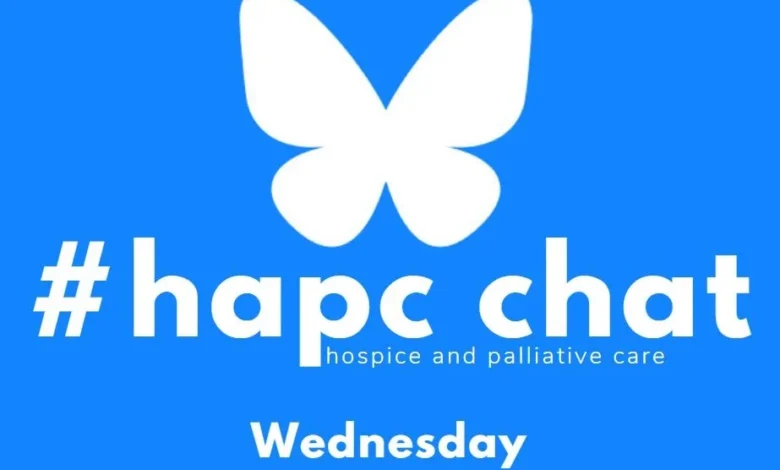
The shift to Bluesky is not just about finding a new online space; it’s about re-establishing the vital professional connections and knowledge-sharing that have been disrupted. Sinclair has announced plans to host a weekly #hapc chat (also known as #hpm chat or formerly Tweetchat) on Wednesday evenings at 6 PM PT / 9 PM ET. This initiative aims to replicate the successful online discussions that were a hallmark of the HAPC community on other platforms, providing a dedicated forum for real-time engagement on critical issues.
Furthermore, Sinclair indicated that Bluesky will be the primary platform for updates regarding the Annual Assembly #HAPC25 in Denver next year. This strategic decision underscores the platform’s growing importance as a central communication channel for professional events and announcements within the HAPC field. The move also signals a potential revitalization of Pallimed’s online presence, as Sinclair hints at reasons for users to reconnect with the long-standing resource.
The Broader Implications of Digital Community Shifts
The migration of professional communities to new platforms like Bluesky has significant implications for knowledge dissemination, advocacy, and professional development. The decline of established social media giants and the rise of decentralized alternatives reflect a broader trend of users seeking more control, transparency, and healthier online environments. For specialized fields like hospice and palliative care, the ability to maintain a robust and supportive online community is essential for addressing complex ethical challenges, disseminating research findings, and advocating for improved patient care.
The success of Bluesky in attracting and retaining these professional communities will depend on its continued ability to foster a positive user experience, offer robust features for content discovery and interaction, and maintain its decentralized ethos. The active engagement from community leaders like Sinclair and the development of user-generated resources are critical factors in this ongoing evolution. As more professionals in HAPC and other fields transition to Bluesky, the platform has the potential to become a vital digital infrastructure for collaborative work and intellectual exchange, ensuring that essential conversations continue to thrive in an ever-changing online world.
The challenges faced by the HAPC community in finding a stable and productive online space mirror those experienced by many other professional and advocacy groups. The ability to adapt to these digital shifts is not merely a matter of preference but a strategic necessity for maintaining professional momentum, fostering collaboration, and ultimately, improving the lives of those they serve. The early indicators suggest that Bluesky is poised to become a crucial platform in this ongoing digital evolution for the hospice and palliative care profession.