
Navigating Potty Training with Daycare: Strategies for Seamless Collaboration and Child Development

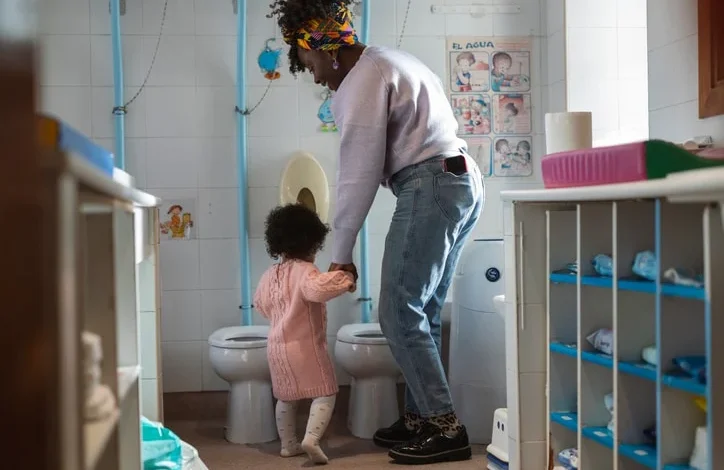
Potty training stands as a monumental developmental milestone, a rite of passage for both children and their parents. While the allure of ditching diapers is strong, successfully guiding a child through this transition can be fraught with challenges, particularly when the child attends daycare. The divergence in routines, rules, and approaches between home and a childcare setting often introduces complexities that can hinder progress, prolong the training period, and even create anxiety for the child. Establishing a unified front between parents and caregivers is not merely beneficial; it is foundational to a child’s success, preventing confusion and fostering a consistent learning environment.
Rachel Weiss, a certified potty training consultant based in Burlington, Ontario, underscores this critical need for alignment, stating, "It is so important for daycare and any caregivers to be on the same page, because consistency prevents confusion." Indeed, a fragmented approach, where expectations or methods differ significantly, can inadvertently send mixed signals to a child, making it harder for them to grasp and internalize the new habits required for independent toileting. Understanding the varying policies and operational realities of daycare centers is thus a crucial preparatory step for parents, enabling them to devise a robust plan, anticipate potential hurdles, and work proactively with staff.
Defining Roles: Parental Responsibility vs. Daycare Support
The initial responsibility for initiating and primarily conducting toilet training unequivocally rests with parents. Sally Neuberger, a licensed clinical social worker and mental health clinician specializing in children and families in North Bethesda, Maryland, articulates this clearly: "What is often unspoken and not clear is who is responsible for primary toilet training of young children, and the answer to that is their parents, not the school." This distinction is vital, as daycares typically adopt a supportive and reinforcing role rather than acting as the primary trainers.
Daycare settings, by their nature, are structured environments that introduce children to the social and logistical aspects of using a toilet. This is often achieved through routines and schedules, where teachers may prompt all children to use the bathroom at specific intervals throughout the day. This "time training" approach is common in group settings, facilitating classroom management and ensuring basic hygiene. Children often benefit from peer learning in such environments, observing their friends and imitating their actions. However, Neuberger cautions that a child using a toilet on a schedule at daycare does not automatically signify they are fully potty trained. True potty training, she explains, requires a child to independently recognize and communicate their need to use the bathroom, demonstrating internal awareness rather than merely responding to external cues.
The distinction between being "time-trained" and "potty trained" is a common area of misunderstanding. A caregiver might observe a child successfully using the toilet during scheduled breaks and conclude they are ready for full training, when in reality, the child may still lack the independent readiness required for consistent success. Ultimately, the decision to embark on the potty training journey, and to allocate the necessary time and emotional resources, remains with the parents. This empowers families to choose a period that minimizes stress and maximizes the chances of success, ensuring that the child’s developmental readiness aligns with the family’s capacity to support the process.
The Optimal Timing: Beyond Age, Towards Readiness
There is no universally prescribed "right age" to commence potty training, a fact that often causes undue pressure for parents. While many children exhibit readiness between 22 and 28 months old, and some preschools may even stipulate that children be potty trained for admission, the paramount factor is the child’s individual developmental readiness. Weiss emphasizes that observing specific signs of readiness is far more indicative than adhering to an arbitrary age guideline. These signs span physical, cognitive, and emotional domains, indicating that a child possesses the necessary control, understanding, and motivation to learn.
Key Signs Your Child Is Ready to Potty Train:
- Physical Readiness:
- Staying dry for longer periods (at least 2 hours during the day or waking up dry from naps).
- Having predictable bowel movements.
- Developing fine motor skills to pull pants up and down independently.
- Being able to walk, run, and sit steadily.
- Cognitive Readiness:
- Understanding and following simple instructions.
- Having words for urine and stool, or signs to communicate their needs.
- Showing curiosity about the toilet or wearing underwear.
- Being able to connect the feeling of needing to go with the act of going.
- Emotional/Behavioral Readiness:
- Showing an interest in using the toilet, perhaps by imitating parents or older siblings.
- Expressing a desire for independence or to be a "big kid."
- Disliking the feeling of wet or dirty diapers.
- Communicating when they have wet or soiled a diaper.
Beyond the child’s readiness, parents themselves must be prepared for the commitment involved. Potty training demands patience, consistency, and a significant investment of time and energy. It is advisable to select a period that is relatively calm and free from major life transitions such as a move, a new sibling, or a lengthy vacation. Prioritizing parental readiness ensures that the process can be approached with enthusiasm and calm, qualities that children readily absorb.
Crafting a Collaborative Plan with Daycare
Achieving smooth potty training outcomes with daycare involvement hinges on proactive planning and open dialogue. Jenny Phelps, a certified "Oh Crap!" potty training consultant in Los Angeles, highlights the ideal scenario: "Ideally, you have a daycare that’s supportive and understanding of the fact that this is one of the hardest skills kids have had to learn up to this point in their lives." However, even with the most understanding daycare, success requires concerted effort from both parties.
1. Understand Daycare Policies Thoroughly:
Initiating conversations with daycare staff weeks or even months before you intend to start potty training is paramount. This early dialogue allows parents to understand the daycare’s established policies and determine how their chosen potty training method might align or require adjustments. For instance, some popular methods advocate for toddlers to "go commando" (wearing pants without underwear) during the initial learning phase, believing it enhances body awareness. However, many daycares may not permit this for hygiene reasons or due to licensing regulations.
Parents should ask a comprehensive set of questions to clarify expectations and procedures:
- What is the daycare’s official policy on potty training? Are there specific age or readiness requirements?
- How do they handle accidents? Do staff assist with changing a child who has had an accident while wearing underwear?
- What is the staff-to-child ratio during bathroom breaks, and how does this impact individual attention?
- Are there designated "potty times," or is it more child-led?
- How do they communicate successes or accidents to parents?
- What facilities are available (e.g., child-sized toilets, step stools)?
- Are there any restrictions on methods (e.g., no pull-ups, no commando)?
- What is their procedure if a child has frequent accidents – do they revert to diapers or pull-ups?
Understanding these policies is not about demanding changes, but about finding common ground and adjusting expectations. It allows parents to tailor their home approach to better integrate with the daycare’s structure, fostering consistency.
2. Foster Open and Regular Communication:
Effective communication is the cornerstone of a collaborative potty training effort. Providing daycare staff with basic context about your child’s progress, personality, and any specific cues can significantly aid them in the early stages. This includes:

- Informing them about the method you are using at home.
- Sharing any specific words or phrases your child uses for going to the bathroom.
- Highlighting any particular signs your child gives when they need to go.
- Mentioning any fears or anxieties your child might have about using the toilet.
- Detailing their typical elimination patterns.
Upon a child’s return to daycare after initial potty training at home, regular check-ins, perhaps a couple of times a week, are advisable. Phelps advocates for a collaborative information exchange rather than a detailed "blow-by-blow." Parents and daycare staff should focus on sharing patterns, such as the frequency and nature of accidents (big or small), and any emerging challenges. It is crucial to conduct these conversations discreetly, away from the child’s earshot, to avoid inadvertently increasing pressure or causing shame. A quick pull-aside, a scheduled brief meeting, or an email are preferable methods.
3. Ease the Transition to Daycare Potty Use:
Once a child shows consistent success with potty training at home, sending them to daycare in underwear can be the next step. A seemingly obvious yet vital action is for parents to physically show their toddler where the daycare potty is, familiarizing them with the new environment.
Neuberger suggests a gradual approach for the initial week: requesting that teachers continue with "time training" (prompting the child to go at specific times) at daycare. This allows the child to experience success in the new setting without the added pressure of full independence. Simultaneously, at home, the child can continue refining their ability to independently recognize and communicate their need to use the toilet. The ultimate goal, typically achievable after about a week of this transitional support, is for the child to confidently and independently use the toilet at school.
Realistic Expectations and Navigating Unsupportive Daycares
An ideal daycare environment during potty training is one that understands and accepts that accidents are an inherent part of the learning process. Such centers are willing to assist children with changing after accidents and provide prompts in the initial stages, rather than expecting immediate 100% self-sufficiency. Phelps acknowledges that this ideal is not universally met: "We definitely do not see that at every daycare. Some just expect the child to be doing it completely on their own and will not provide any help, and then you have to think about what they want to do with that kind of situation."
When Daycare Is Not Willing to Help:
If a daycare is unsupportive or has stringent "no-accident" policies that mandate a return to diapers or pull-ups after any mishap, parents need not despair. Phelps reassures that potty training can still progress at home, even if the child wears pull-ups during daycare hours. The key is to maintain consistency at home and revisit the conversation with daycare staff after a few weeks of demonstrated progress. With continued success, they might be more receptive to allowing the child to try wearing underwear and using the potty at daycare again. In some cases, if a daycare’s policies fundamentally conflict with a child’s developmental stage or a family’s chosen training method, parents might consider exploring alternative childcare options that offer more flexibility and support.
Recognizing Signs of Trouble and Seeking Professional Guidance
Even with the best intentions and strategies, challenges can arise. Recognizing signs that potty training with daycare isn’t working effectively is crucial for timely intervention.
1. Persistent Diaper/Pull-Up Use at Daycare:
If a child who has successfully trained at home consistently returns from daycare in diapers or pull-ups, a direct conversation with teachers is warranted. Experts generally advise against mixing pull-ups and underwear, as this can send confusing messages to the child about expectations. Understanding the daycare’s rationale—whether it’s frequent accidents, staffing limitations, or policy adherence—is the first step toward finding a solution.
2. Frequent Accidents:
While one or two accidents in the first week of daycare after training are normal, a pattern of more frequent accidents suggests an underlying issue. Neuberger recommends pausing training for approximately six weeks if accidents persist, allowing the child to mature further and reducing potential pressure. Reintroducing training after a break can often lead to greater success.
3. Anxiety or Fear of Using the Toilet:
If a child exhibits anxiety or fear about using the potty at daycare but is comfortable at home, role-playing can be an effective strategy. Phelps suggests scenarios like, "Oh, you feel like you need to pee. What do we do now?" It is vital to use precise language or nonverbal cues (like an ASL potty sign) to empower the child to communicate their need. For instance: "If you have the feeling to pee, say ‘pee pee’ and find so-and-so, or pull someone’s elbow so they know."
Some initial resistance is expected, but severe withholding or terror associated with potty use warrants a step back and a reassessment of the approach. As Weiss notes, a negative emotional relationship with the process can be counterproductive.
4. Potty Training Regression:
Regression, occurring weeks or months after initial success, often signals that a child is not yet emotionally ready or has been impacted by a significant life change (e.g., a new sibling, family move, illness). In such instances, consulting a potty training consultant can provide tailored troubleshooting and strategies.
Beyond behavioral and emotional factors, physical and developmental issues can also complicate potty training. Chronic constipation is a common culprit, making elimination uncomfortable and unpredictable. Furthermore, struggles might indicate underlying developmental delays, such as small motor skill challenges, sensory processing issues, or executive functioning difficulties that impede a child’s ability to sequence the steps involved in toileting. For these reasons, consulting a pediatrician is always a prudent step. Depending on the specific situation, a pediatrician may recommend referrals to specialists such as an occupational therapist (for motor or sensory issues) or a gastroenterologist (for digestive concerns).
The Power of Positivity: A Final Word
Parental anxiety, though a normal response to the pressures of raising young children, can inadvertently transfer to a child, impacting their readiness and willingness to engage with potty training. Rachel Weiss underscores this dynamic, advising parents to be mindful of their own sentiments. While dreading the potty training process is a common parental experience, children are highly attuned to their parents’ energy.
"If you come in with an attitude of excitement about this ‘big kid’ milestone, and think, ‘I get to spend so much one-on-one time with my super cool kid,’ they’re going to pick up that energy too," Weiss states. Framing potty training as an exciting adventure, rather than a chore, can profoundly influence a child’s receptiveness. Simple actions like planning a special breakfast, incorporating fun activities, or using sticker charts and small rewards can transform the experience into a positive, shared journey. Ultimately, a calm, patient, and positive approach from parents, coupled with open and collaborative communication with daycare providers, forms the strongest foundation for a child’s successful transition to independent toileting.