
The Transition from Preschool to Kindergarten: A Strategic Guide for Working Parents

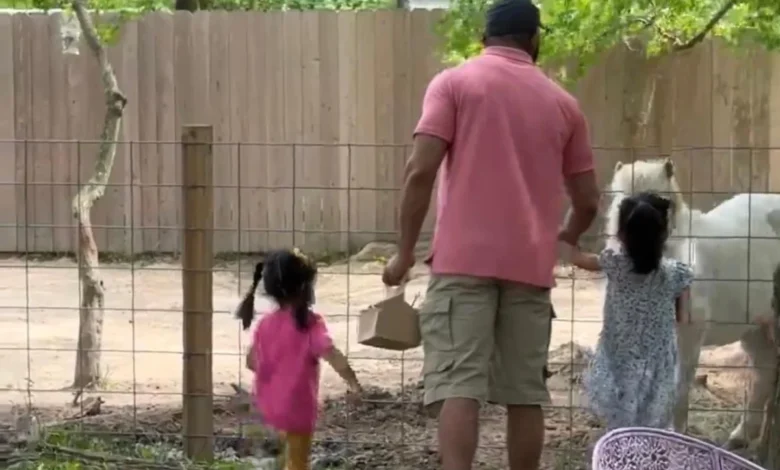
Asim Zahid, a 42-year-old Texas-based founder of the telehealth platform Maro and a father of three, has navigated the transition from preschool to kindergarten multiple times. His experience serves as a practical blueprint for parents currently facing the logistical and emotional complexities of early childhood education shifts. While many parents focus on academic prestige, data and expert consensus suggest that the most significant challenges are often logistical, centering on scheduling, summer coverage, and the development of self-sufficiency skills.
The transition period between preschool and kindergarten marks a critical juncture for families. Preschool programs often operate on a model designed to accommodate the needs of working parents, frequently offering extended hours, flexible drop-off and pickup windows, and year-round or near-year-round availability. Conversely, public kindergarten programs are typically constrained by the administrative and budgetary requirements of the K-12 public school system, which often operates on a shortened schedule—frequently concluding by 3:00 p.m.—and includes lengthy summer breaks.
The Logistical Reality of Educational Transitions
For many working families, the discrepancy between the preschool schedule and the elementary school calendar presents an immediate financial and organizational burden. Data from the National Center for Education Statistics (NCES) indicates that the majority of public kindergarten classrooms operate for approximately six hours per day. This creates a "care gap" for dual-income households who rely on the extended-day models common in private or daycare-integrated preschool settings.
Zahid notes that his family initially underestimated the impact of this schedule shift. During his eldest daughter’s final year of preschool, the family enjoyed a 9:00 a.m. to 4:00 p.m. window, supplemented by established aftercare. The transition to a 9:00 a.m. to 3:00 p.m. kindergarten schedule resulted in a daily one-hour deficit, requiring the family to scramble for supplemental care arrangements.
This scenario is common among working parents. According to a 2023 survey by Care.com, nearly 60% of parents reported that finding reliable after-school care was a significant source of stress during the first month of the academic year. The implications for productivity and household income are tangible; when parents are forced to adjust work schedules or secure private childcare, it often results in additional costs or reduced professional hours.

The Summer Coverage Dilemma
Perhaps the most challenging aspect of the transition is the "summer gap." Preschools often operate on a twelve-month calendar, whereas K-12 systems adhere to a ten-month cycle. This leaves families with a ten-to-twelve-week period where children are no longer enrolled in their preschool program but have not yet begun their kindergarten experience.
Experts in child development note that this period requires careful planning to balance the child’s need for unstructured play with the parents’ need for stable childcare. Zahid’s experience underscores the danger of waiting until late spring to organize this period. By the time his eldest daughter was transitioning, the family had to piece together fragmented two-week camp sessions at various locations, leading to significant logistical exhaustion.
A proactive approach, as recommended by education consultants, involves mapping out the school calendar at least six months in advance. Parents are advised to:
- Identify the exact end date of the current preschool program.
- Confirm the official start date of the kindergarten year.
- Research "bridge programs" or summer camps that offer continuous coverage.
- Coordinate with other parents to share transportation or childcare responsibilities.
Redefining Kindergarten Readiness
While parental anxiety often focuses on academic preparation—such as literacy rates or basic numeracy—educators emphasize that "readiness" is fundamentally about social-emotional maturity and independent self-care. The transition from a small, intimate classroom environment to a larger kindergarten setting requires a student to navigate basic daily tasks without constant adult intervention.
In consultation with his daughter’s preschool teachers, Zahid discovered that the most common hurdle for new kindergarteners is not academic, but rather the logistics of lunchtime. In a classroom of 20 to 30 students, teachers may only have 20 minutes for lunch, during which they must assist many children. A student who cannot open their own food containers, manage their backpack, or attend to basic hygiene independently often experiences unnecessary frustration.
Professional educators suggest that parents focus on these "functional skills" during the final months of preschool:

- Independent Feeding: Practicing the opening of thermoses, snack bags, and water bottles.
- Organization: Managing a backpack, including the ability to retrieve and store school supplies.
- Basic Hygiene: Navigating restroom facilities independently.
- Advocacy: Developing the confidence to ask an adult for assistance when a problem arises.
Shifting the Parental Focus
The psychological pressure to find the "perfect" school often leads parents to overlook the fundamental pillars of success: a stable home environment, strong teacher-parent communication, and the child’s ability to form peer relationships. Research published in the Journal of Educational Psychology suggests that for young children, the quality of the teacher-student relationship is a significantly higher predictor of long-term academic success than the specific school ranking or district reputation.
For parents like Zahid, the transition to the third child’s final year of preschool is marked by a shift in perspective. Rather than obsessing over school ratings or the "perfect" academic program, the focus has moved toward maximizing the remaining time in a flexible, nurturing environment.
"Kindergarten is going to come whether you obsess over it or not," Zahid observes. This sentiment is echoed by childhood development experts who warn that "academic acceleration"—the practice of pushing formal education too early—can sometimes be counterproductive. Play-based learning, which is central to most high-quality preschools, provides the foundational social skills that are essential for long-term success in the more structured K-12 environment.
Strategic Recommendations for Transitioning Families
To minimize the impact of the transition, parents should adopt a structured, fact-based approach:
- The Three-Month Audit: At the start of the final preschool year, create a calendar that plots out school holidays, professional development days, and the exact dates for summer.
- Logistics First: Before finalizing school choices based on prestige, prioritize the practicalities: Does the school offer aftercare? Is the drop-off line efficient? Are there reliable transport options?
- The Teacher Connection: Early in the year, initiate a conversation with the preschool teacher. They possess the observational data on your child’s independence levels that you may not see at home.
- Prioritize Independence: Use the final months of preschool to delegate more responsibilities to the child, shifting from "doing for them" to "facilitating their doing."
- Documentation: Parents are encouraged to preserve the artifacts of the preschool years—artwork, photographs, and daily anecdotes—as these serve as a record of the child’s developmental trajectory and are often cherished after the transition to the more formal elementary school environment.
Ultimately, the transition to kindergarten is a milestone not only for the child but for the family unit. By shifting the focus from external metrics of success to internal stability and practical preparedness, parents can navigate the move with greater efficiency and lower levels of stress. The transition is inevitable, but the quality of the experience is, in large part, determined by the level of foresight and emotional presence brought to the process.