Apple Expands Accessibility on Streaming Service with Integrated Sign Language Interpretation

Apple has officially introduced sign language interpretation directly into select titles on the Apple TV application, marking a significant step forward in digital accessibility for Deaf and hard-of-hearing audiences. This initiative coincides with the platform’s release of historical and high
-profile cinematic content, setting a new standard for inclusive streaming design.
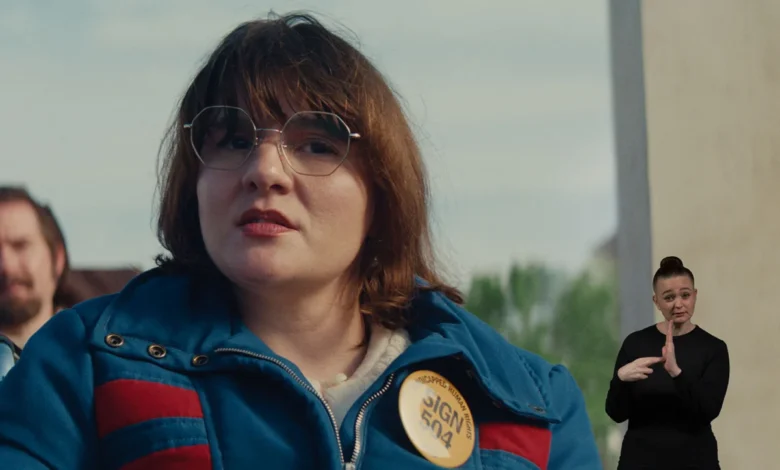
The newly launched feature incorporates both American Sign Language (ASL) and British Sign Language (BSL) into select films and series. Crucially, the rollout is spearheaded by the debut of the Apple Original film Being Heumann, a biographical feature chronicling the pivotal moments of the modern disability rights movement. Through meticulous collaboration with Deaf consultants and native signers, Apple has engineered an on-screen interpretation system designed to seamlessly blend visual sign translation with the narrative pacing of mainstream cinema.
The Landmark Release of Being Heumann
At the heart of Apple’s accessibility expansion is Being Heumann, a feature film adapted from the memoir of the late, renowned disability rights activist Judy Heumann. The film stars Ruth Madeley—who has spina bifida—in the title role, portraying Heumann’s instrumental leadership during the historic 1977 San Francisco Federal Building sit-in.
The protest, which endured for nearly a month and stands as the longest occupation of a federal building in U.S. history, served as a monumental catalyst for disability rights. The demonstrators successfully pressured the federal government to finally issue and enforce Section 504 of the Rehabilitation Act of 1973. This landmark civil rights regulation prohibited discrimination against individuals with disabilities in programs receiving federal financial assistance, laying the crucial groundwork for future infrastructure and institutional accessibility.
The cinematic adaptation of this monumental event required an authentic approach to inclusion, extending beyond the on-screen narrative to the technical execution of the film’s accessibility features. Deaf actor Daniel Durant, who portrays fellow disability rights activist Steve McClelland in the film, took on the critical role of directing the project’s sign language interpretation.
“Bringing this experience to life required a lot of care to ensure every translation captured the emotion and meaning of the story,” Durant noted following the film’s release. “I’m proud to have been part of Being Heumann and thrilled to see Apple TV supporting greater accessibility for Deaf audiences.”
Technical Implementation and User Experience
Apple’s sign language implementation utilizes an interpreter superimposed directly onto the screen as the film plays. This design choice differs from traditional picture-in-picture methods by aiming to integrate the interpreter cleanly into the viewing environment without obstructing vital visual storytelling elements.
To ensure the highest standard of translation, Apple engaged in rigorous testing phases involving Deaf and native signers. This consultative process guarantees that the interpretations accurately convey not only the literal dialogue but also the emotional nuances, tonal shifts, and subtexts embedded within the script.
For subscribers seeking to utilize the feature, Apple has streamlined the navigation process:
- Identification: Participating titles featuring sign language interpretation are marked with a distinct sign language icon on their respective details pages.
- Searchability: Users can locate compatible content by utilizing targeted search phrases such as "with ASL" within the Apple TV application.
- Activation: Viewers must first enable the feature within their general Apple TV settings and subsequently select the dedicated sign language option from the playback controls while watching a supported title.
Initial Catalog and Upcoming Additions
While Being Heumann serves as the flagship title for the launch, Apple is actively expanding the library of accessible content. ASL and BSL interpretations are already active for the highly anticipated 2025 Formula 1 dramatic feature, F1.
Looking ahead, Apple has confirmed plans to integrate the feature into several upcoming and existing catalog titles, including the family-oriented drama Way of the Warrior Kid and the Tom Hanks wartime thriller Greyhound. This phased rollout indicates a long-term commitment to embedding accessibility features into a diverse array of genres rather than limiting them solely to issue-driven documentaries or dramas.
Sarah Herrlinger, Apple’s senior director of global accessibility policy and initiatives, emphasized the corporate philosophy driving these updates. “Bringing sign language interpretation to Apple TV is an exciting step forward in making the viewing experience more accessible and inclusive for Deaf audiences,” Herrlinger stated. “Accessibility is a core value at Apple, and we’re proud to continue creating experiences that allow more people to enjoy the content they love.”
Industry Trends and the Competitive Landscape
Apple is not operating in a vacuum regarding the integration of sign language interpreters into mainstream streaming media. The entertainment industry has experienced a gradual, consumer-driven shift toward enhanced accessibility options over recent years, largely spurred by advocacy groups and technological advancements.
HBO Max pioneered this specific accessibility format in December 2023, introducing sign language interpretation as a unique viewing option for the blockbuster film Barbie. Following positive audience reception and widespread industry praise, the platform expanded the initiative in April 2025 to encompass a wider slate of major theatrical and episodic releases, including Godzilla x Kong: The New Empire, Beetlejuice Beetlejuice, and the critically acclaimed series adaptation of The Last of Us.
The adoption of these practices by major media conglomerates reflects a broader recognition of the market and cultural value of inclusive design. Historically, accessibility options for Deaf and hard-of-hearing audiences were limited to standard closed captioning or subtitles. While vital, text-based translations do not serve individuals for whom American Sign Language or British Sign Language is a primary native language, as written English possesses distinct grammatical structures and cultural nuances that differ significantly from sign languages.
Broader Economic and Societal Implications
The expansion of on-screen sign language interpretation carries profound implications for media consumption, cultural representation, and corporate responsibility.
From a cultural standpoint, providing native sign language options for films like Being Heumann creates a symbiotic relationship between content and medium. It ensures that historical narratives concerning marginalized communities are directly accessible to the very populations whose foundational struggles are depicted on screen.
Economically, accessibility initiatives tap into an underserved demographic of global consumers. According to the World Health Organization, over 5 percent of the world’s population—some 430 million people—requires rehabilitation for disabling hearing loss. By removing friction from the digital entertainment consumption process, streaming services expand their potential subscriber base while simultaneously fulfilling ethical mandates of equal access.
As digital distribution platforms continue to evolve, the standard set by companies like Apple and its industry peers suggests that accessibility will increasingly transition from an afterthought or regulatory checkbox to an essential pillar of premium content production. The success of these initial rollouts will likely serve as a benchmark for future entertainment technology, encouraging broader industry adoption and deeper investments in inclusive cinematic engineering.