Uncovering Hidden Legacies: How Faith Communities Can Reclaim the Contributions of Disabled Members


The history of religious and spiritual communities is often curated through a selective lens, focusing on structural milestones, theological shifts, and the tenures of prominent clergy. However, a growing movement within historical preservation seeks to illuminate the often-overlooked presence of disabled individuals who have served as vital architects of faith-based life. By examining underutilized archival materials—ranging from congregation newsletters and meeting minutes to candid photographs—communities are discovering that the narratives of accessibility, leadership, and communal belonging are deeply intertwined with the experiences of disabled members who were present long before formal inclusion initiatives existed.
The Archival Gap: Contextualizing Historical Eras
Historically, institutional records frequently marginalized or erased the presence of disabled individuals. Throughout the 20th century, architectural and social barriers often meant that if a disabled person could not physically access a sanctuary or participate in a ritual, their contributions were either minimized or omitted from the official record.
Data from the Disability History Association suggests that archival silences are rarely accidental; they are the byproduct of societal norms that prioritized a "normative" body. When researchers analyze parish or synagogue records from the 1950s through the 1990s, they often find explicit mentions of "charity" toward the disabled, but far fewer accounts of disabled people as active contributors, committee chairs, or spiritual leaders. This creates a distorted historical record that frames disabled individuals as recipients of care rather than active participants who shaped the culture of their organizations.
A Chronology of Advocacy and Participation
To understand the evolution of this participation, one must look at the intersection of civil rights milestones and local community actions:
- 1960s–1970s: The rise of independent living movements began to trickle into local religious organizations. Archives from this period often contain the first mentions of rudimentary accessibility modifications, such as the installation of ramps or the adjustment of pews to accommodate mobility aids.
- 1980s–1990s: Following the enactment of the Americans with Disabilities Act (ADA) in 1990, many communities began formalizing their accessibility policies. Meeting minutes from this decade are often the most revealing, as they document the tension between tradition and the necessary structural upgrades to accommodate a wider demographic.
- 2000s–Present: A shift toward "Universal Design" in spiritual spaces has begun to move beyond compliance toward intentional inclusion. Modern archival practices now seek to capture oral histories from the generation that pushed for these changes, ensuring that the legacy of those who fought for inclusion is not lost.
Analyzing the Hidden Contributions
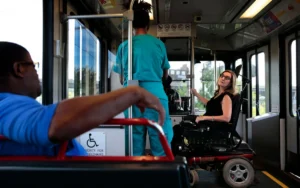
The challenge for archivists and community leaders lies in the fact that disability is rarely monolithic or visibly binary. A photograph of a congregation may show a person using a wheelchair, but it will not capture the member with chronic pain, hearing loss, or neurodivergence who served as a foundational member of a choir or a Sunday school teacher.
Experts in historical research emphasize that the absence of a "disability tag" in a ledger does not equate to the absence of disabled people. For example, records of "homebound ministries" often served as a proxy for supporting members with mobility or chronic health disabilities. By re-examining these records, communities are finding that these individuals were often providing spiritual guidance and pastoral care to others from their homes, effectively acting as "remote" leaders long before the digital age normalized such interactions.

The Value of Oral History: Beyond the Ledger
While documents provide a skeletal view of the past, the "flesh and blood" of history is found in the memories of long-standing members. Sociologists studying the sociology of religion note that communal memory is a primary driver of organizational identity. When communities invite elders to share their stories, they often uncover narratives of quiet advocacy.
"The history of our community wasn’t just built by the people who stood at the pulpit," notes one historical consultant specializing in religious inclusion. "It was built by the person who noticed the carpet was a tripping hazard in 1974, or the member who insisted that their deaf child deserved a front-row seat. These were not just acts of convenience; they were foundational acts of justice that defined the values of the community for decades to come."
Methodological Framework for Community Archivists
Communities seeking to uncover these narratives are encouraged to follow a structured approach to ensure the ethical preservation of these histories:
- Inventory of Ephemera: Begin by collecting non-traditional records. Newsletters, parish bulletins, and even annotated service programs often contain mentions of members that official minutes omit.
- Cross-Referencing Physical Changes: Match structural changes in buildings (new entrances, sound loops, accessible restrooms) with committee minutes from the time. Often, these projects were championed by a specific member who can be identified through subsequent interviews.
- Ethical Engagement: When documenting these histories, it is critical to center the autonomy of the disabled members. If the individual is deceased, seek consent from family or community peers. If they are living, prioritize their own framing of their identity, ensuring that their contribution is not limited to their disability.
- Digitization and Access: As materials are recovered, they should be made accessible. Digital archives must meet Web Content Accessibility Guidelines (WCAG), including alternative text for images and transcriptions for audio recordings.
The Broader Impact on Contemporary Practice
The reclamation of these histories has significant implications for how religious organizations view their current mission. Research indicates that when a community recognizes its past failures regarding accessibility, it is more likely to commit to current reforms.
Furthermore, this process fosters a sense of intergenerational continuity. Younger members who identify as disabled often report a sense of isolation in faith spaces; discovering that their predecessors faced similar—or greater—barriers and still maintained a vibrant spiritual life provides a powerful narrative of resilience.
From an institutional perspective, this historical inquiry acts as a form of "organizational audit." By examining how a community treated its disabled members in the past, leaders can better identify systemic biases that persist today. It challenges the assumption that accessibility is a "modern burden" and reframes it as a return to the core communal values of hospitality and shared humanity.
Conclusion: A Legacy Reclaimed
The archive is not merely a collection of the past; it is a blueprint for the future. By intentionally seeking out the stories of disabled members, faith communities are not just adding names to a list—they are correcting the historical record and validating the contributions of individuals who have been the quiet pillars of spiritual life. As communities continue to digitize their histories and engage in oral history projects, the resulting narrative will likely be one of greater complexity, diversity, and truth. The goal is not to find a perfect record, but to acknowledge the gaps and ensure that the voices of the past are given the space to influence the inclusivity of the present. Whether through a single photograph or a long-forgotten letter, the process of uncovering these histories is an essential step in ensuring that all members are recognized as integral, rather than incidental, to the history of the faith.