IAPC Unveils New Palliative Care at Home Infographic as Part of Ongoing Educational Series

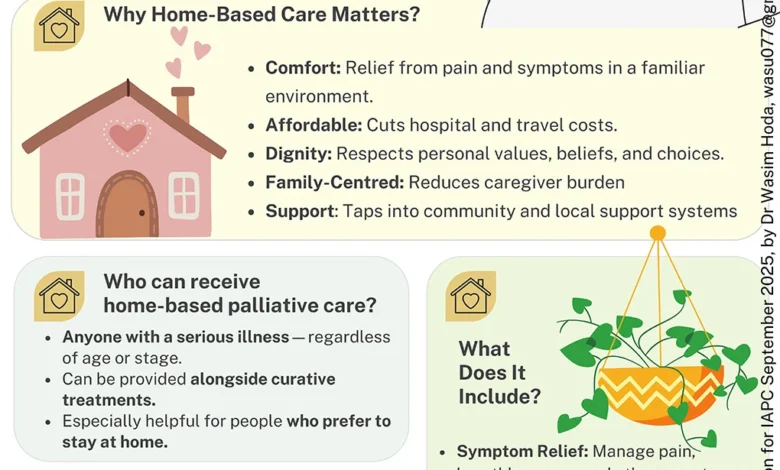
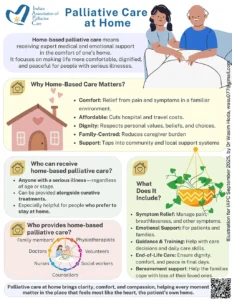
The Indian Association of Palliative Care (IAPC) has officially released the third installment of its comprehensive "Care Continuum" infographic series, focusing specifically on the critical domain of Palliative Care at Home. This latest educational resource, launched in September 2025, serves as a strategic component of the organization’s long-term mission to demystify end-of-life and chronic illness support, shifting the narrative from hospital-centric models to home-based, patient-centered care. By leveraging visual communication tools, the IAPC aims to bridge the information gap for families, caregivers, and medical professionals across the country, ensuring that high-quality symptom management and emotional support are accessible beyond clinical walls.
The Evolution of the Care Continuum Series
The IAPC launched the "Care Continuum" series in June 2025, recognizing that the trajectory of serious illness is often complex and poorly understood by the general public. The inaugural segment established the foundational definitions of palliative care, while the second installment explored the multidisciplinary integration of services. This third chapter, "Palliative Care at Home," addresses a vital public health concern: the growing preference and clinical necessity for providing comfort-focused care in the patient’s own environment.
This initiative follows a deliberate timeline of digital outreach. By standardizing these infographics, the IAPC has created a repository of knowledge that is both sharable and modular. The series is designed to be utilized by regional chapters, NGOs, and individual practitioners to educate stakeholders about the holistic nature of palliative medicine. The collaboration for this specific infographic included expert input from Dr. Wasimul Hoda, a Fellow in Pain Medicine at the Department of Anaesthesia, Critical Care and Pain Medicine at AIIMS New Delhi, whose clinical expertise helped distill complex pain management and home-care protocols into actionable, user-friendly visual information.
The Shift Toward Home-Based Palliative Care
The transition toward home-based palliative care is not merely a matter of convenience; it is a clinical response to the shifting demographic and epidemiological landscape of India. As the prevalence of non-communicable diseases—such as cancer, cardiovascular diseases, and chronic respiratory ailments—continues to rise, the burden on tertiary care hospitals has become unsustainable. Home-based palliative care offers a dual advantage: it optimizes hospital resource allocation while significantly improving the quality of life (QoL) for patients.
Research indicates that patients receiving palliative care in a home setting report higher levels of satisfaction, lower rates of emergency room readmissions, and a more dignified experience during the terminal phases of illness. The IAPC infographic outlines the pillars of this home-based model, which include:
- Symptom Management: The systematic control of pain, breathlessness, nausea, and other distressing physical symptoms.
- Psychosocial Support: Addressing the mental health needs of the patient and the "caregiver burden," which is often overlooked in traditional medical settings.
- Multidisciplinary Coordination: Connecting home visits with primary care physicians, nurses, and social workers to ensure a seamless transition of care.
- Advanced Care Planning: Facilitating conversations about end-of-life preferences, ensuring that care remains aligned with the patient’s personal values.
Data and Public Health Implications
The urgency for such educational initiatives is underscored by national health data. Estimates suggest that while millions in India require palliative care annually, only a small fraction—estimated at less than 4%—have access to it. The concentration of these services remains largely urban and hospital-based.
According to the World Health Organization (WHO), palliative care is an essential component of universal health coverage. The IAPC’s focus on the "Care Continuum" aligns with the WHO’s global mandate to integrate palliative care into the primary health care system. By disseminating this information via digital platforms, the IAPC is effectively democratizing access to knowledge, empowering families in rural and peri-urban areas who may not have immediate access to specialized palliative clinics.
The economic implications are equally significant. A home-based model reduces the direct and indirect costs associated with long-term hospital stays, including transportation, loss of wages for family caregivers, and the high cost of inpatient facility usage. By providing a clear framework for home care, the IAPC is indirectly advocating for a more sustainable healthcare delivery system that acknowledges the role of the home as a legitimate and effective site of medical intervention.

Perspectives from the Clinical Community
The involvement of experts from premier institutions like AIIMS New Delhi highlights the scientific rigor behind the IAPC’s public awareness campaigns. In the context of the medical community, the reaction to the infographic series has been largely positive. Medical professionals often cite the lack of patient and caregiver literacy as a primary hurdle in providing effective palliative care.
"When patients and families understand the scope of palliative care—that it is not just about the final days, but about the entire duration of a serious illness—they are more likely to engage with the care team early," noted an anonymous representative from a regional palliative care center. "The IAPC’s visual approach removes the clinical jargon, making it easier for us to have difficult conversations with patients who are afraid of the term ‘palliative.’"
The IAPC has emphasized that these infographics are intended to be "living documents." They are available through the association’s official website and social media channels, intended for broad dissemination across clinical networks and community organizations.
Strategic Objectives and Future Directions
The IAPC’s strategy is rooted in the belief that education is the first step toward policy change. By standardizing terminology and defining best practices through these visual aids, the association is building a standardized language for palliative care in India. This is essential for the future integration of palliative care into the national insurance and health policy frameworks.
Moving forward, the IAPC intends to continue the "Care Continuum" series, with subsequent infographics likely to cover specialized topics such as pediatric palliative care, geriatrics, and the role of volunteers in caregiving. This systematic approach ensures that the organization maintains a consistent presence in the public discourse, keeping palliative care at the forefront of the national health agenda.
For practitioners and the public, the current infographic on "Palliative Care at Home" serves as both a roadmap and a reassurance. It validates the home as a place of healing and provides the necessary scaffolding to make that environment safe and supportive. As the IAPC continues to publish these resources, the cumulative impact is expected to be a more informed populace, better equipped to demand and participate in high-quality, dignified end-of-life care.
How to Access and Utilize the Resources
The IAPC has made these resources open-access to ensure maximum reach. The complete series, including the newly published September infographic, can be accessed via the association’s official portal. The organization encourages healthcare professionals, medical students, and patient advocacy groups to integrate these visuals into their own educational materials, newsletters, and patient waiting areas.
By simplifying complex clinical concepts into accessible visual content, the IAPC is fulfilling its mandate to normalize the discussion around death, dying, and chronic disease. This cultural shift is essential for transforming the way Indian society approaches long-term illness, ensuring that the focus remains on the person behind the diagnosis, regardless of where they reside.
In conclusion, the launch of the third part of the Care Continuum series marks another milestone in the IAPC’s advocacy efforts. As the organization continues to champion the integration of palliative care into mainstream health services, these infographics remain a vital tool for education, awareness, and, ultimately, the improvement of the human experience during periods of severe illness. The ongoing collaboration with academic and clinical leaders suggests that the series will continue to be a benchmark for accessible health information in the years to come.