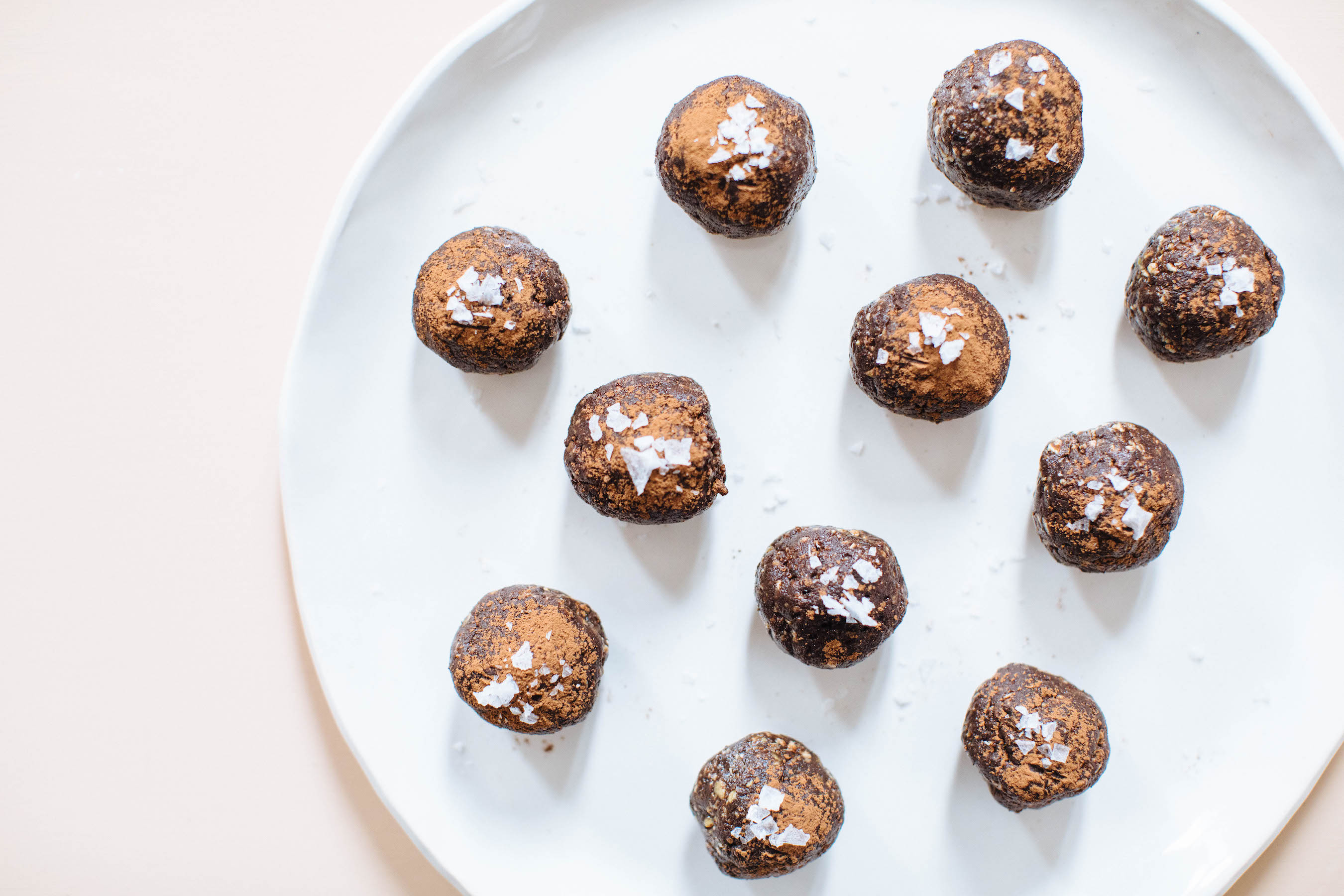
The rise of the "bliss ball"—a nutrient-dense, bite-sized snack typically composed of nuts, seeds, and dried fruits—has mirrored a broader shift in consumer behavior toward functional foods. As urban professionals and health-conscious consumers seek alternatives to processed, sugar-laden confectionery, recipes like Chocolate Espresso Tahini Energy Balls have gained prominence for their ability to provide sustained energy. By combining caffeine from finely ground espresso beans with the complex carbohydrates and healthy fats found in dates, tahini, and pumpkin seeds, these snacks offer a physiological advantage over traditional stimulants that often lead to a rapid blood-sugar crash.
Nutritional Architecture and Ingredient Synergy
The scientific appeal of this particular recipe lies in its macronutrient profile. Unlike conventional snacks that rely on refined flours and added sugars, the Chocolate Espresso Tahini Energy Ball utilizes the natural fiber content of dates to slow the absorption of glucose into the bloodstream.
Tahini, the primary fat source in this recipe, serves as a significant nutritional pillar. Derived from toasted, hulled sesame seeds, tahini is recognized by dietitians for its high mineral density. According to the U.S. Department of Agriculture (USDA) nutrient database, sesame seeds are a potent source of copper, manganese, calcium, and magnesium. Specifically, the copper content in tahini has been noted for its role in supporting the body’s anti-inflammatory responses, which can be critical for individuals maintaining an active lifestyle.
Furthermore, the integration of pumpkin seeds (pepitas) and flax seeds adds a layer of plant-based omega-3 fatty acids and protein. This combination is essential for satiety. When fiber, protein, and healthy fats are consumed together, they trigger the release of hormones like cholecystokinin, which signals fullness to the brain, thereby preventing the impulsive snacking often associated with mid-afternoon energy slumps.
Chronology of the Functional Snack Movement
The popularity of raw, plant-based energy snacks began to gain significant traction in the early 2010s, evolving from a niche interest in raw food movements to a staple of mainstream grocery aisles. By 2019, the date-based energy ball had become a standard offering in many health-food boutiques and independent cafes.
The publication of the original recipe for Chocolate Espresso Tahini Energy Balls on March 26, 2019, marked a point where home-cooking creators began to emphasize "stripped-down" nutrition—a philosophy focusing on whole foods that serve specific biological functions. This period coincided with increased consumer awareness regarding the gut-brain axis, as emerging research began to highlight the role of fiber in supporting the microbiome, which in turn influences cognitive function and mood regulation.
Analytical Overview: The Role of Caffeine and Minerals
The inclusion of finely ground espresso beans serves a dual purpose: sensory appeal and moderate stimulation. While espresso is primarily consumed for its caffeine content, which blocks adenosine receptors in the brain to reduce perceived fatigue, the delivery method matters. In an energy ball, the caffeine is buffered by the density of the other ingredients, potentially leading to a more gradual release of energy compared to a liquid espresso shot.
From a mineral health perspective, the recipe is notable for its inclusion of magnesium. Magnesium is involved in over 300 enzymatic processes in the human body, including the synthesis of neurotransmitters that regulate stress. Given that many modern diets are deficient in magnesium, replacing a high-sugar processed snack with one rich in seeds and cocoa powder can contribute to overall mineral homeostasis.
Professional Perspectives on Mindful Eating
The emergence of such recipes is frequently accompanied by a shift in the psychological approach to food. Nutrition experts have long debated the efficacy of "restrictive dieting," often concluding that it leads to unsustainable cycles of bingeing and guilt. Instead, the current industry trend favors "mindful eating," a practice that encourages individuals to listen to physiological hunger cues rather than following rigid calorie-counting protocols.
Programs and courses that teach this methodology emphasize that the "good food versus bad food" dichotomy is often the primary driver of food anxiety. By incorporating nutrient-dense snacks that are satisfying in both flavor and texture, individuals are less likely to experience the deprivation that leads to overconsumption of ultra-processed foods. This shift represents a transition from treating food as a source of stress to viewing it as a tool for physical and mental optimization.
Culinary Implementation and Storage Standards
From a technical standpoint, the preparation of these energy balls utilizes mechanical processing to increase the bioavailability of the nutrients. The use of a food processor to break down oats, pumpkin seeds, and flax seeds into a coarse flour increases the surface area of the ingredients, making them easier to digest and absorb.
To maintain the integrity of the fats and the potency of the espresso, proper storage is paramount. Exposure to air and light can lead to the oxidation of the unsaturated fats in the tahini and flax, resulting in a rancid flavor profile. Food safety standards dictate that for items containing moisture-rich ingredients like dates and tahini, refrigeration is necessary to inhibit bacterial growth. The recommended storage period of two weeks in a refrigerator or up to one month in a freezer ensures that the product remains safe for consumption while preserving the quality of the volatile compounds found in the coffee and cocoa.
Broader Implications for Public Health
The trend toward homemade, whole-food snacks reflects a broader desire for transparency in the food supply chain. As consumers become increasingly wary of hidden additives and artificial preservatives, the move toward "clean label" snacks—those with minimal, recognizable ingredients—has moved from a trend to an expectation.
When individuals prepare their own snacks, they gain control over ingredient quality and portion sizing. This autonomy is a critical component of preventative health. By reducing reliance on commercially produced snacks that often contain high-fructose corn syrup and trans fats, the average consumer can significantly decrease their intake of empty calories.
Furthermore, the environmental impact of such snack choices cannot be ignored. The shift toward plant-based proteins, such as those derived from seeds and nuts, is generally associated with a lower carbon footprint compared to animal-based snack alternatives. As global food systems face pressure to become more sustainable, the normalization of plant-centric recipes serves as a small but meaningful step toward more responsible consumption patterns.
Conclusion
Chocolate Espresso Tahini Energy Balls represent more than just a culinary convenience; they are a manifestation of a sophisticated understanding of nutrition that prioritizes sustained energy, mineral density, and the psychological benefits of mindful eating. By replacing processed snacks with high-fiber, nutrient-dense alternatives, individuals can better manage their daily energy requirements while fostering a more positive, sustainable relationship with the food they consume. As research into the intersection of diet and cognitive performance continues to evolve, it is likely that such recipes will remain at the forefront of the modern, health-conscious kitchen.
Related posts: