Minty Spring Pea Dip: A Nutritional Analysis of Seasonal Culinary Innovation

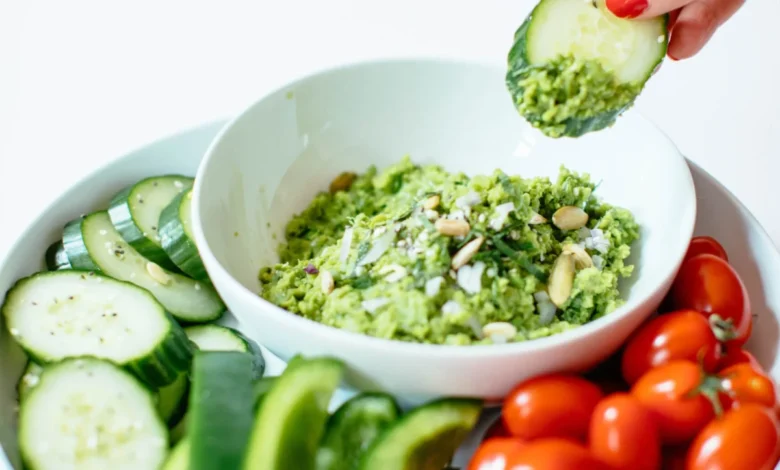
The emergence of seasonal produce has long dictated the culinary landscape, providing both home cooks and professional chefs with the opportunity to pivot from winter staples to fresher, more nutrient-dense alternatives. As spring brings a resurgence of garden-fresh vegetables, a notable shift has occurred in the popularity of pea-based preparations. The Minty Spring Pea Dip, a contemporary evolution of the traditional Middle Eastern chickpea-based hummus, has gained traction as a functional food choice that balances protein density with digestive health benefits. This shift highlights a broader trend in nutrition: the creative utilization of garden harvests to improve dietary diversity while maintaining the "Foundational Five" principles of balanced consumption.
The Development of Modern Plant-Based Dips
Historically, hummus—a dip composed of chickpeas, tahini, lemon juice, and garlic—has served as a dietary cornerstone for those seeking plant-based protein. However, as dietary preferences evolve toward increased botanical variety, food scientists and nutritionists have begun exploring the viability of other legumes. Peas, specifically Pisum sativum, offer a distinct nutritional profile that differentiates them from the traditional garbanzo bean.
The development of the Minty Spring Pea Dip serves as a practical case study in the intersection of horticulture and nutrition. By incorporating fresh mint—an herb traditionally associated with both culinary applications and therapeutic digestive support—the dish addresses multiple physiological needs simultaneously. The rise of this dip is not merely a culinary trend but a response to consumer demand for snacks that support metabolic stability, specifically the prevention of blood sugar fluctuations between primary meals.
Nutritional Profile and Biochemical Contributions
The nutritional efficacy of the pea is well-documented in agricultural and clinical literature. A single cup of green peas provides approximately 8 grams of protein and 4 grams of dietary fiber. This fiber content is particularly significant, as it represents roughly 8% to 11% of the daily recommended intake for the average adult. Unlike processed snack alternatives, the fiber in peas assists in modulating glycemic response, ensuring a more sustained release of energy throughout the day.
Furthermore, peas are a significant source of vitamin K, which plays an essential role in bone health and blood coagulation, and various B-complex vitamins that are critical for cellular energy production. The increasing inclusion of pea protein in commercial plant-based powders—a segment of the industry that has grown exponentially since 2015—underscores the scientific recognition of the pea as a high-quality, sustainable protein source.
The inclusion of peppermint (Mentha piperita) in this dip provides more than just sensory appeal. Clinical studies published in journals such as the Journal of Gastroenterology have frequently highlighted the role of peppermint oil and fresh mint leaves in mitigating symptoms of Irritable Bowel Syndrome (IBS). Specifically, mint acts as an antispasmodic, relaxing the smooth muscles of the gastrointestinal tract, which can alleviate bloating and discomfort. The antioxidants present in mint, including rosmarinic acid and flavonoids, further contribute to a reduction in systemic oxidative stress.
The Foundational Five Framework: A Structural Approach to Snacking
In the context of the "Foundational Five" system—a nutritional framework designed to optimize physical health—this dip is categorized as a multi-element food. For a snack to be considered nutritionally complete, it should contain at least two of the following components: non-starchy carbohydrates, starchy/sugary carbohydrates, healthy fats, protein, and the "Flavor Factor."
The Minty Spring Pea Dip functions as a bridge between these requirements. By utilizing peas as the primary base, it satisfies the protein and carbohydrate requirements. When combined with healthy fats—often derived from olive oil or tahini in the preparation process—the snack creates a satiety profile that prevents the rapid insulin spikes associated with simple carbohydrate snacks. This methodical approach to snack composition is gaining momentum among registered dietitians who advocate for "mindful eating," a practice that emphasizes not only the quality of nutrients but the psychological experience of consumption.
Chronology of Culinary Integration
The integration of pea-based dips into the domestic sphere has followed a distinct timeline:
- 2010–2015: The rise of Mediterranean influence in Western diets leads to the ubiquitous presence of hummus in standard grocery retail.
- 2016–2019: Increased awareness of the environmental impact of legumes leads to a surge in interest for locally sourced, garden-grown vegetables, with peas identified as a high-yield, low-input crop.
- 2020–2022: The pandemic-era focus on home gardening accelerates the harvest of fresh herbs like mint, leading to experimentation with fresh-herb-based dips.
- 2023–Present: The formalization of "Foundational Five" nutritional systems provides a scientific basis for the popularity of these dips, moving them from "culinary hobby" to "health-conscious strategy."
Economic and Practical Considerations: Fresh vs. Frozen
A common debate within the culinary and nutritional communities concerns the use of fresh versus frozen produce. While fresh, pod-picked peas offer a higher concentration of phytonutrients and a superior sensory profile regarding sweetness, the logistical reality of the food supply chain favors frozen options.
From an industrial and nutritional standpoint, peas are typically blanched and frozen at the peak of ripeness, effectively "locking in" the nutrient content. Research indicates that the vitamin profile of frozen peas is often comparable, and in some cases superior, to fresh produce that has been subjected to prolonged storage and transport. The recommendation from food experts remains consistent: when purchasing frozen peas, consumers should prioritize products with a single-ingredient label—"peas"—to avoid unnecessary sodium or preservatives. This maintains the integrity of the food as a whole, unprocessed nutrient source.
Broader Implications for Dietary Habits
The versatility of the Minty Spring Pea Dip suggests that its utility extends beyond the traditional "dip and cracker" format. Its application as a condiment in sandwiches, a base for pasta sauces, or a topping for grain bowls demonstrates a shift toward "functional cooking." By replacing high-fat, processed spreads with a nutrient-dense, vegetable-forward alternative, consumers are effectively lowering the caloric density of their meals while increasing the intake of essential micronutrients.
Furthermore, the environmental impact of shifting away from animal-based dips or highly processed snacks to plant-based, garden-derived alternatives aligns with global sustainability goals. Legumes like peas have a significantly lower carbon footprint than meat-based snacks and require less water than many other crop varieties. As food costs continue to fluctuate due to global supply chain pressures, the ability to utilize simple, affordable ingredients like peas, lemon, and garden-grown herbs provides a buffer against food insecurity while promoting health.
Conclusion: A Future of Nutrient-Dense Innovation
The Minty Spring Pea Dip is indicative of a broader movement toward informed, deliberate consumption. By analyzing the biochemical contributions of its ingredients—the protein-fiber synergy of the pea, the digestive properties of the mint, and the structural balance of the Foundational Five—one can discern why this recipe has transcended its origins as a home-garden experiment to become a staple of modern nutritional advice.
As food science continues to emphasize the importance of gut health, metabolic stability, and sustainable sourcing, the role of simple, whole-food recipes will likely increase. The Minty Spring Pea Dip serves as a template for this future: one where the culinary arts and nutritional science converge to support long-term health outcomes, providing a clear path for individuals to transition away from convenience-focused eating toward a more intentional and biologically supportive diet. Whether prepared with fresh spring harvests or high-quality frozen alternatives, the dip remains a testament to the fact that optimal nutrition does not require complexity—it requires only an understanding of the fundamental components that sustain human health.