Michigan’s extensive coastline, renowned for its pristine freshwater lakes, is increasingly prioritizing accessibility, ensuring that its natural beauty can be enjoyed by all. A growing number of state and local parks have invested in infrastructure and amenities to accommodate visitors with mobility challenges, transforming lakeside experiences. This comprehensive guide highlights eight premier destinations across the state that offer exceptional wheelchair accessibility, detailing their features from access mats and beach wheelchairs to accessible trails and picnic areas. The commitment to inclusivity in these locations reflects a broader trend in public recreation spaces across the United States, driven by legislative mandates like the Americans with Disabilities Act (ADA) and a growing public awareness of the importance of equitable access to outdoor environments.
Ludington State Park
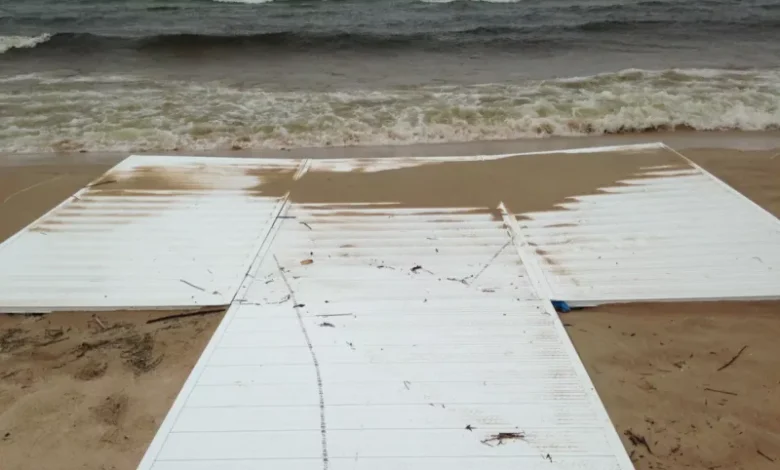
Ludington State Park, a jewel on the shores of Lake Michigan, consistently ranks high for its dedication to accessibility. The park boasts a significant portion of its shoreline accessible via sturdy wooden boardwalks and strategically placed mobility mats, particularly along Stearns Park Beach. These mats allow wheelchairs to traverse sandy terrain with greater ease, enabling visitors to reach the water’s edge. Beyond the beach, the park offers several miles of paved and crushed stone trails that are generally navigable for wheelchairs. The Hamlin Lake area provides particularly scenic and accessible pathways, offering opportunities for wildlife viewing and enjoying the tranquil inland lake. Picnic areas within the park are also equipped with accessible tables and pathways. The park’s management has made continuous efforts to upgrade and maintain these facilities, understanding the vital role they play in attracting diverse visitors.
Grand Haven State Park
Grand Haven State Park, famous for its iconic lighthouse and expansive sandy beach, has also embraced accessibility. The park provides access mats that extend onto the sand, facilitating wheelchair movement towards Lake Michigan. For those seeking to fully experience the beach, Grand Haven offers beach wheelchairs for loan, allowing individuals to comfortably navigate the sand and even approach the water. Several of the park’s picnic areas feature accessible tables and are connected by paved walkways, ensuring a pleasant dining experience outdoors. The boardwalk that runs along the waterfront is another key accessible feature, offering panoramic views of the lake and the bustling harbor. These improvements are part of a larger initiative by Michigan Parks and Recreation to enhance visitor experience across its properties, responding to increased demand for inclusive outdoor activities.
Holland State Park
Holland State Park, another popular Lake Michigan destination, is well-equipped to welcome visitors with mobility impairments. The park offers access mats that provide a stable surface for wheelchairs across the sand, reaching areas close to the water. Visitors can also take advantage of beach wheelchairs available for use, enabling a more immersive beach experience. Accessible picnic sites with sturdy tables and convenient pathways are situated throughout the park, making it an ideal spot for family gatherings. The park’s commitment to accessibility is evident in its ongoing efforts to maintain and expand these features, recognizing the economic and social benefits of attracting a wider range of tourists. The scenic beauty of Holland State Park, with its famous "Big Red" lighthouse, is now more attainable for everyone.
Silver Beach County Park (St. Joseph)
Silver Beach County Park in St. Joseph has long been celebrated for its family-friendly atmosphere and its proactive approach to accessibility. This park features extensive access mats that create a firm path across the sand, leading directly to the shores of Lake Michigan. In addition to the mats, Silver Beach provides complimentary beach wheelchairs, allowing individuals with mobility challenges to fully enjoy the sandy expanse and the refreshing lake waters. The park also boasts accessible picnic areas with tables designed for wheelchair users, and paved pathways connect various amenities, including restrooms and play areas. The Berrien County Parks Department has consistently invested in these features, understanding that accessibility is not just a compliance issue but a fundamental aspect of public service.
Warren Dunes State Park
Warren Dunes State Park, known for its towering sand dunes and stunning Lake Michigan vistas, offers several accessible features for visitors. While the natural topography of the dunes presents unique challenges, the park has implemented access mats in key areas, particularly near the main beach access points, to facilitate wheelchair movement. Beach wheelchairs are also available for loan, enabling individuals to explore the sandy shoreline. Accessible picnic areas are provided, complete with tables and pathways designed for ease of use. The park’s interpretive programs and visitor center are also designed with accessibility in mind, ensuring that information and educational opportunities are available to all. The ongoing management of these facilities reflects a commitment to balancing the preservation of the natural environment with the imperative of public access.
South Haven – South Beach Park
South Haven’s South Beach Park is a prime example of a community prioritizing inclusive recreation. This popular beach offers a robust system of access mats that extend well onto the sand, allowing for smooth wheelchair transit. Beach wheelchairs are available for rent or loan, empowering visitors to experience the full breadth of the beach. Accessible picnic tables are strategically placed, and paved pathways connect the parking areas to the beach and other park amenities. The city of South Haven, in collaboration with local organizations, has worked diligently to enhance these accessibility features, recognizing the value of its waterfront for all residents and tourists. The park’s consistent upgrades underscore a dedication to ensuring that its beautiful lakefront is a welcoming destination for everyone.
Sleeping Bear Dunes National Lakeshore
Sleeping Bear Dunes National Lakeshore, a vast and iconic natural wonder, offers a range of accessible experiences, though the unique landscape presents inherent challenges. The Pierce Stocking Scenic Drive is a highlight, featuring several overlooks with paved paths and accessible viewing platforms that provide breathtaking panoramas of Lake Michigan and the surrounding dunes. The visitor centers at both the Philip A. Hart Visitor Center in Empire and the Dune Climb area are fully accessible, offering exhibits and information for all. While the Dune Climb itself is a formidable natural obstacle, the park is working to improve access to some of the lower dune areas and offers accessible trails in other sections. The National Park Service is committed to expanding accessibility within its units, and Sleeping Bear Dunes is part of this ongoing effort, with a focus on providing accessible routes to key viewpoints and natural features where feasible.
Pictured Rocks National Lakeshore
Pictured Rocks National Lakeshore, celebrated for its dramatic sandstone cliffs and vibrant colored rocks, offers accessibility primarily through its scenic overlooks and accessible trails. The Miner’s Castle overlook provides an accessible pathway and viewing platform, offering stunning views of the famous rock formations. The visitor centers are also designed for full accessibility. While the rugged terrain of the lakeshore limits extensive beach access for wheelchairs, the park has developed accessible sections of the multi-use trails, such as portions of the Sable Falls Trail, which are designed for easier navigation. The National Park Service’s approach here emphasizes providing access to the most iconic and breathtaking vistas through carefully engineered pathways and viewing areas, ensuring that the grandeur of Pictured Rocks can be appreciated by individuals with mobility challenges.
The continuous development and improvement of these wheelchair-accessible lake destinations in Michigan reflect a significant shift in how public recreational spaces are designed and managed. This trend is driven by a combination of factors, including legal requirements, evolving societal expectations, and a growing understanding of the economic benefits of inclusive tourism. For individuals with disabilities, these accessible parks and beaches represent not just places to visit, but vital opportunities for recreation, social interaction, and connection with the natural world. The ongoing commitment to enhancing these facilities promises to make Michigan’s stunning lakeside attractions even more welcoming and enjoyable for all in the years to come.
Related posts: