
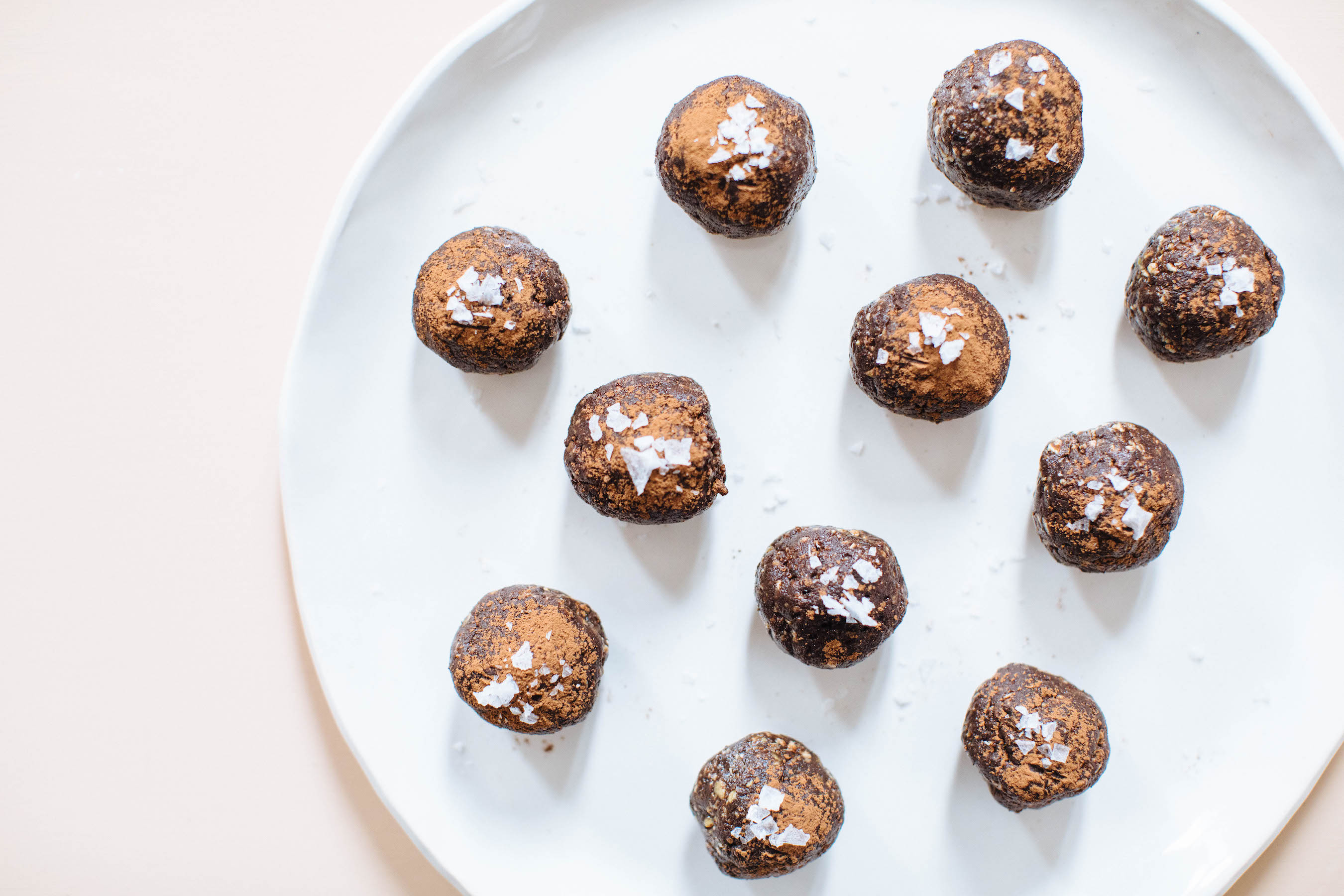
The Chocolate Espresso Tahini Energy Ball represents a sophisticated evolution in the functional snacking sector, blending the stimulant properties of caffeine with the slow-release energy of complex carbohydrates and healthy fats. As modern consumers increasingly pivot away from ultra-processed snacks, formulations focusing on whole-food ingredients—such as pumpkin seeds, flax, and tahini—are gaining significant traction in both the culinary and wellness industries. This specific nutritional profile is designed to address the physiological "energy slump" common in mid-afternoon, providing a dense nutrient matrix that stabilizes blood glucose levels while offering a palatable, plant-based alternative to traditional refined-sugar desserts.
The recipe, originally disseminated as a cornerstone of the Nutrition Stripped philosophy, emphasizes the "Stripped" approach to eating—a method that focuses on the fundamental pillars of nutrition: protein, healthy fats, and fiber. By combining the bitter notes of finely ground espresso with the earthy richness of sesame-based tahini and the natural sweetness of Medjool dates, the snack serves as a case study in balanced flavor profiles and functional ingredient synergy.
The Science of Sustained Energy: Macronutrient Composition
The primary challenge of modern snacking is the avoidance of the "sugar crash." Traditional snacks often rely on high concentrations of sucrose or high-fructose corn syrup, which lead to rapid insulin spikes followed by a sharp decline in blood glucose. The Chocolate Espresso Tahini Energy Ball counters this through a strategic assembly of macronutrients.
Dates serve as the foundational carbohydrate source. Rich in dietary fiber and potassium, dates provide simple carbohydrates—the body’s preferred energy source—but the presence of fiber slows the absorption of these sugars. This results in a more gradual release of energy. Furthermore, the inclusion of rolled oats adds complex carbohydrates, ensuring that the energy boost is not merely immediate but sustained over several hours.
Healthy fats are provided by the tahini, pumpkin seeds, and flax seeds. These fats are essential for satiety, signaling to the brain that the body is nourished and reducing the likelihood of overconsumption. The flax seeds, in particular, contribute alpha-linolenic acid (ALA), an omega-3 fatty acid known for its cardiovascular benefits. When combined with the plant-based protein found in pumpkin seeds and oats, these energy balls become a complete, portable meal replacement or supplement.
Micronutrient Density and Physiological Benefits
Beyond basic caloric intake, the ingredients within this recipe offer a spectrum of micronutrients that support various bodily functions, from bone density to cognitive performance.
The Role of Tahini and Sesame Derivatives
Tahini, a paste made from toasted and ground sesame seeds, is the nutritional powerhouse of this recipe. It is an exceptional source of calcium, a mineral vital for bone health and muscle function. For individuals following plant-based diets, tahini serves as a critical non-dairy source of this essential nutrient.
Moreover, sesame seeds are rich in magnesium, iron, zinc, molybdenum, and selenium. The presence of copper in sesame seeds is particularly noteworthy for its anti-inflammatory properties. Clinical observations suggest that copper plays a role in the activity of lysyl oxidase, an enzyme required for cross-linking collagen and elastin, which provides the ground substance, flexibility, and strength in blood vessels, bones, and joints. This makes the snack potentially beneficial for individuals managing inflammatory conditions such as rheumatoid arthritis.
Fiber and Digestive Optimization
The inclusion of dates, coconut, and various seeds ensures a high fiber content. Dietary fiber is essential for maintaining a healthy microbiome and ensuring regular gastrointestinal motility. The "Stripped" philosophy posits that healthy digestion is the gateway to overall wellness; if the body cannot effectively break down and utilize nutrients, the quality of the food consumed becomes secondary. The fiber in these energy balls assists in the "sweeping" of the digestive tract, aiding in the detoxification process and supporting heart health by helping to manage cholesterol levels.
The Stimulant Factor: Caffeine and Cognitive Focus
The addition of one tablespoon of finely ground espresso beans introduces a pharmacological element to the snack. Caffeine is a well-documented adenosine receptor antagonist, which helps to reduce feelings of fatigue and improve concentration. By pairing caffeine with the healthy fats in tahini and pumpkin seeds, the typical "jittery" side effects of coffee are often mitigated. The fats slow the metabolism of the caffeine, leading to a smoother, more prolonged state of alertness rather than a sharp spike and subsequent crash.
Furthermore, the cocoa powder used in the recipe provides flavonoids—antioxidants that have been linked to improved blood flow to the brain and heart. The combination of espresso and cocoa creates a mocha-inspired flavor profile that satisfies psychological cravings for sweets while delivering physiological benefits.
Market Trends and the Rise of "Bliss Balls"
The emergence of "energy balls" or "bliss balls" in the global market reflects a broader shift in consumer behavior. According to market research, the global healthy snack market is projected to reach over $100 billion by the late 2020s. Consumers are increasingly looking for "clean label" products—items with recognizable, kitchen-cupboard ingredients.
The Chocolate Espresso Tahini Energy Ball aligns with several dominant market trends:
- Plant-Based Preference: As more consumers adopt vegan or flexitarian lifestyles, the demand for dairy-free and meat-free protein sources has surged.
- Functional Foods: Food is no longer seen just as fuel; it is viewed as a delivery system for health-enhancing compounds.
- Portability: In an increasingly mobile society, the "grab-and-go" nature of spherical snacks fits the lifestyle of busy professionals and athletes alike.
Chronology of the Recipe and the CARE Mindful Nutrition Institute
Originally posted in March 2019, the recipe has remained a staple in the mindful nutrition community. Its longevity is attributed to its versatility and the rising awareness of mindful eating practices. The recipe is often cited in the context of the CARE Mindful Nutrition Institute, a professional training program for Registered Dietitians (RDs), nutritionists, and coaches.
The CARE Eating Practice™ Certification Program utilizes such recipes to demonstrate how clinical nutrition can be translated into practical, real-world applications. The institute argues that many clients struggle with nutrition not because they lack knowledge, but because they lack a sustainable framework for eating that addresses the psychological and physiological drivers of hunger. The Chocolate Espresso Tahini Energy Ball is presented as a tool to end the dieting cycle, offering a snack that is both nutritionally dense and emotionally satisfying.
Technical Preparation and Storage Protocols
The preparation of these energy balls involves a cold-processing method that preserves the integrity of the heat-sensitive nutrients found in the raw ingredients.
Preparation Methodology
The process begins with the creation of a coarse flour from rolled oats using a high-speed food processor. This increase in surface area allows for better binding with the liquid fats and syrups. The subsequent addition of pumpkin seeds and flax seeds—pulsed rather than pulverized—ensures a varied texture, which contributes to the sensory experience of the snack.
The binding agents—tahini, maple syrup, and dates—are then introduced. The dates act as a natural "glue," while the tahini provides a creamy consistency. The final step of dusting the balls with unsweetened cocoa powder and flaky sea salt is not merely aesthetic; the salt acts as a flavor enhancer, suppressing bitterness from the espresso while highlighting the sweetness of the dates and the richness of the chocolate.
Preservation and Sustainability
From a food safety and quality perspective, the storage of these energy balls is critical. Due to the high oil content in the seeds and tahini, the snacks are susceptible to rancidity if left at room temperature for extended periods. Experts recommend storage in airtight glass containers. In a refrigerated environment, the balls maintain their structural integrity and nutritional value for up to two weeks. For longer-term storage, they can be frozen for up to one month, making them an ideal candidate for "batch cooking" or meal prep strategies.
Broader Implications for Public Health
The promotion of snacks like the Chocolate Espresso Tahini Energy Ball has broader implications for public health initiatives. As obesity and type 2 diabetes rates continue to rise globally, the transition toward snacks that provide high satiety and low glycemic impact is a critical component of preventative medicine.
By educating the public on how to create nutrient-dense snacks at home, organizations like Nutrition Stripped are empowering individuals to take control of their metabolic health. This shift away from commercial, plastic-wrapped energy bars—which often contain hidden sugars and preservatives—toward homemade, whole-food alternatives represents a significant step in the democratization of nutritional science.
In conclusion, the Chocolate Espresso Tahini Energy Ball is more than a simple recipe; it is a manifestation of modern nutritional theory. It balances the need for immediate energy with the requirement for long-term health, proving that functional food can be both scientifically sound and culinarily excellent. As the wellness industry continues to evolve, the focus on such "stripped-back" ingredient profiles is likely to remain at the forefront of the global health conversation.