

Zone eight plants for gardens offer a wealth of possibilities for gardeners. Understanding the unique climate and soil conditions of USDA Plant Hardiness Zone 8 is crucial for success. This guide delves into the specifics of selecting, planting, and maintaining thriving gardens in this zone, offering expert advice for a variety of needs and preferences.
From popular flowering beauties to productive fruit trees, this comprehensive resource provides a detailed overview of the best plants for Zone 8 gardens. We’ll explore various sunlight needs, water requirements, and soil types, ensuring you find the perfect plants to thrive in your unique microclimate.
Introduction to Zone 8 Gardening
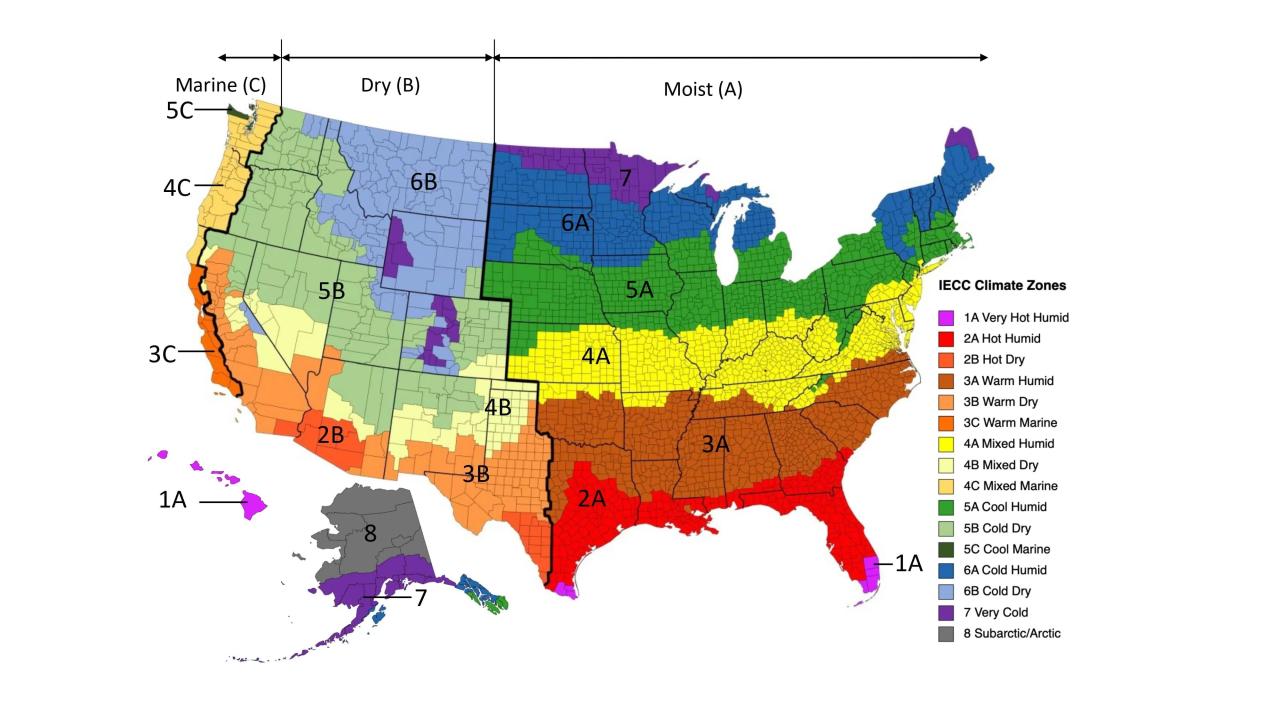
Zone 8 gardening encompasses a diverse range of experiences, tailored to the unique climatic characteristics of this region. Understanding the nuances of temperature, soil, and microclimates is crucial for successful plant selection and cultivation. This zone offers a rich tapestry of possibilities for gardeners, from the vibrant blooms of summer flowers to the hardy foliage of winter shrubs.The USDA Plant Hardiness Zone 8 encompasses a wide area characterized by a specific range of temperatures, making it a favorable environment for a variety of plant species.
Definition of USDA Plant Hardiness Zone 8
USDA Plant Hardiness Zones categorize regions based on the average annual minimum winter temperatures. Zone 8 generally experiences mild winters, allowing for the cultivation of a broad selection of plants that thrive in these conditions. The average minimum temperature for Zone 8 ranges between 0°F and 10°F (-18°C and -12°C).
Climate Characteristics of Zone 8 Gardens
Zone 8 gardens are typically characterized by mild winters and warm, long summers. This climate allows for a longer growing season, promoting the growth of various types of plants, from vegetables and fruits to flowers and shrubs. The climate often includes a significant amount of rainfall or irrigation.
Average Temperature Ranges in Zone 8
The average temperature ranges vary across the different seasons in Zone 8. Spring typically sees temperatures rising gradually from the low 40s to the low 70s (°F). Summer temperatures usually range from the mid-70s to the mid-90s (°F), providing ample warmth for many plants. Autumn temperatures gradually decrease from the mid-70s to the mid-50s (°F), before the winter months arrive.
Importance of Understanding Local Microclimates in Zone 8
While Zone 8 offers a general framework, local microclimates play a significant role in determining the success of your garden. A garden nestled against a large building might experience different temperatures and sun exposure than one in a more open area. These variations influence the suitability of different plants and their optimal growing conditions. Consider factors like shade, wind exposure, and elevation when planning your garden.
Soil Conditions Commonly Found in Zone 8 Gardens
Zone 8 soil conditions can vary widely, depending on the specific location within the zone. However, generally, the soil tends to be well-drained, with varying degrees of clay and loam content. It’s crucial to assess your local soil type to determine the best approach for preparing the garden bed. Soil testing can provide valuable insights into the nutrient levels and pH, guiding the necessary amendments for optimal plant growth.
Comparison of Zone 8A and 8B
| Characteristic | Zone 8A | Zone 8B |
|---|---|---|
| Average Minimum Winter Temperature | 0°F to 10°F (-18°C to -12°C) | 10°F to 20°F (-12°C to -7°C) |
| Frost-Free Period | Generally longer than Zone 8B, varying by location. | Shorter than Zone 8A, varying by location. |
| Plant Hardiness | Slightly more susceptible to frost damage than 8B. | More tolerant of frost. |
| Plant Selection | Wider range of plants that can withstand mild frost but need protection from harsh freezes. | A broader selection of plants, including some that might not thrive in Zone 8A. |
This table highlights the key differences between Zone 8A and 8B, providing a practical comparison for gardeners. The specific characteristics of each zone can vary depending on factors like elevation, proximity to bodies of water, and other local influences.
Popular Zone 8 Plants
Zone 8 gardens offer a delightful opportunity to cultivate a diverse array of plants, from vibrant blooms to delicious fruits and aromatic herbs. This zone, characterized by warm summers and mild winters, allows for a rich tapestry of gardening possibilities. Understanding the specific needs of each plant type is crucial for success in Zone 8.Zone 8 gardening thrives on the understanding that plants require specific conditions to flourish.
By paying attention to sunlight, water, and soil type preferences, you can create a thriving garden ecosystem that provides years of enjoyment. This guide highlights some of the most popular plant choices for Zone 8, along with their respective care requirements.
Choosing the right zone eight plants for your garden is crucial, but sometimes the little things matter too. For instance, understanding different types of toilet fill valves different types of toilet fill valves can be just as important as choosing drought-tolerant varieties. Ultimately, selecting the perfect plants for your zone eight garden involves a lot of careful consideration, and a bit of research!
Popular Flowering Plants
A wide variety of flowering plants thrive in Zone 8’s climate. Choosing the right varieties ensures a beautiful display throughout the growing season.
- Daylilies: These low-maintenance perennials boast a vast array of colors and bloom prolifically throughout the summer. They are highly adaptable to various soil types and prefer full sun to partial shade.
- Butterfly bushes: Attracting butterflies and hummingbirds, these shrubs provide a stunning visual appeal with their vibrant flowers. They prefer full sun and well-drained soil. Regular watering is essential, especially during dry spells.
- Roses: Adding a touch of elegance, roses are a classic choice for Zone 8 gardens. Various types, from hybrid teas to floribundas, thrive in well-drained soil enriched with compost. Regular deadheading encourages continuous blooming.
- Hydrangeas: These popular flowering shrubs are prized for their large, showy blooms. They require consistent moisture and thrive in partial shade, though some varieties can tolerate full sun. Consistent watering is important to maintain their health.
- Coneflowers: These daisy-like flowers come in a range of colors and attract pollinators. They are exceptionally hardy and thrive in full sun and well-drained soil. Minimal watering is needed once established.
Popular Vegetable Plants
Zone 8 provides an excellent environment for growing a variety of vegetables.
- Tomatoes: A garden staple, tomatoes thrive in warm weather and full sun. Proper staking or caging is essential to support the plant’s weight. Consistent watering and fertilizing are vital for bountiful harvests.
- Zucchini: These fast-growing vegetables produce abundant fruit when provided with ample sunlight and consistent moisture. Well-drained soil is critical to prevent root rot. Regular harvesting prevents excessive growth.
- Peppers: From sweet bell peppers to spicy varieties, peppers are a flavorful addition to any Zone 8 garden. They need full sun, consistent watering, and well-drained soil. Fertilizing can promote a healthy yield.
- Beans: Bush beans and pole beans are both adaptable to Zone 8. They need well-drained soil, consistent moisture, and plenty of space for proper growth. Proper staking is needed for pole beans.
- Squash: Summer squash varieties, such as zucchini and yellow squash, flourish in the warm weather of Zone 8. They need plenty of space, well-drained soil, and consistent moisture. Regular harvesting is essential to prevent excessive growth.
Popular Fruit-Bearing Plants
Zone 8’s climate supports a selection of delicious fruit trees and shrubs.
- Citrus trees: Lemons, oranges, and grapefruits thrive in Zone 8’s warm climate. They require full sun, well-drained soil, and consistent watering. Protecting them from frost during the winter is important.
- Figs: These fruit trees are exceptionally productive in Zone 8. They need full sun and well-drained soil. Watering needs vary based on rainfall, but regular checks are essential to prevent drought stress.
- Blueberries: These low-maintenance shrubs produce a sweet fruit. They prefer acidic soil and consistent moisture. Regular fertilization and pruning are important for healthy growth.
- Raspberries: These fruiting canes thrive in well-drained soil and need regular watering, especially during dry periods. Full sun is essential for optimum fruit production.
- Plums: Certain plum varieties are well-suited to Zone 8. They need full sun, well-drained soil, and consistent watering. Proper pruning helps maintain a healthy structure.
Popular Herbs
Herbs add flavor and fragrance to Zone 8 gardens.
- Basil: A staple in many cuisines, basil thrives in full sun and well-drained soil. Regular watering and fertilizing promote robust growth and flavorful leaves.
- Mint: Mint is a fast-growing herb that can spread aggressively. It needs consistent moisture and partial shade. Regular trimming prevents it from overtaking other plants.
- Oregano: This versatile herb thrives in full sun and well-drained soil. It tolerates dry conditions once established. Minimal watering is needed once established.
- Parsley: This leafy herb is appreciated for its flavor and visual appeal. It needs full sun to partial shade and consistently moist soil. Regular harvesting encourages new growth.
- Rosemary: This aromatic herb thrives in full sun and well-drained soil. It tolerates dry conditions and needs minimal watering once established.
Plant Care Comparison
| Plant Type | Sunlight Needs | Water Requirements | Soil Type |
|---|---|---|---|
| Daylilies | Full sun to partial shade | Moderate | Well-drained, average |
| Butterfly bushes | Full sun | Regular | Well-drained, average |
| Tomatoes | Full sun | Consistent | Well-drained, fertile |
| Citrus trees | Full sun | Consistent | Well-drained, slightly acidic |
| Basil | Full sun | Regular | Well-drained, average |
Choosing Plants for Specific Needs

Zone 8 gardens offer a wonderful opportunity to cultivate a diverse range of plants, but success hinges on selecting the right species for the specific conditions of your space. Understanding the light, moisture, and wind exposure of your garden bed is crucial for choosing plants that will thrive and flourish. This section will guide you through selecting the perfect plants to meet the unique needs of your Zone 8 garden.
Full Sun Plants
Full sun conditions, typically receiving at least six hours of direct sunlight per day, are ideal for many flowering and fruiting plants. These plants often require ample sunlight for optimal growth and production. Choosing the right full-sun plants for your Zone 8 garden ensures vibrant blooms and bountiful harvests.
- Sunflowers: These iconic plants thrive in full sun and provide stunning displays of color and height. They are excellent choices for adding a touch of grandeur to any garden bed. They are also beneficial for attracting pollinators.
- Zinnias: Known for their vibrant colors and cheerful blooms, zinnias are a popular choice for full-sun gardens. They come in a wide array of colors and varieties, making them adaptable to various design styles. Their relatively fast growth rate makes them a great option for filling empty spaces quickly.
- Cosmos: Cosmos are annuals that produce cascading blooms in a variety of colors. They are low-maintenance and flourish in full sun conditions, adding a touch of grace and movement to your garden. Their delicate beauty adds a touch of elegance to your landscape.
- Nasturtiums: These cheerful flowers not only provide visual appeal but also have edible leaves and flowers, adding a unique culinary element to your garden. They tolerate heat and full sun well, making them a great choice for hot, sunny zones.
Partial Shade Plants
Partial shade conditions, receiving some sunlight but also some shade, are a good compromise for many plants that need protection from intense heat.
- Hostas: These shade-loving perennials are renowned for their attractive foliage in a variety of colors and patterns. They create a beautiful ground cover in shady areas, adding a touch of elegance to your garden. They are also relatively low-maintenance and can tolerate a wide range of moisture levels.
- Astilbes: Astilbes are known for their feathery plumes of flowers, which come in various colors and provide a lovely visual interest in shady areas. They are excellent choices for adding a touch of grace and sophistication to a garden setting. They perform well in the shade, making them adaptable to various garden layouts.
- Ferns: Ferns are excellent for adding a touch of elegance and texture to shaded gardens. They thrive in moist environments, so choosing the right variety is key for a particular shade condition. Their delicate beauty complements many shade-loving plants.
- Impatiens: Impatiens are a great choice for shady areas, and they produce colorful flowers that can thrive in shaded corners of the garden. They are a good option for containers and hanging baskets as well. They add a touch of vibrancy to shaded corners, providing a burst of color in a less sunny environment.
Dry Conditions Plants
Zone 8 gardens can experience dry periods, so choosing drought-tolerant plants is essential for success.
- Lavender: This fragrant herb thrives in dry conditions and is known for its beautiful purple flowers. It is a popular choice for adding a touch of elegance and fragrance to a garden bed. Its drought tolerance makes it an excellent choice for arid landscapes.
- Yarrow: Yarrow is a tough perennial that tolerates drought and poor soil conditions. It has a beautiful texture and comes in various colors, adding visual appeal to a garden. Its ability to thrive in dry conditions makes it a perfect choice for areas that experience prolonged dry spells.
- Sedum: Sedums are succulent plants that store water in their leaves. They thrive in dry conditions and come in various colors and shapes. Their unique appeal makes them an excellent choice for creating a visually interesting landscape.
- Coneflowers: While some coneflowers prefer moisture, certain varieties tolerate dry conditions. Choosing the right variety is key to ensuring success in dry areas.
Moist Conditions Plants
Moist conditions, such as near water sources or in areas with high humidity, are ideal for certain plants.
- Daylilies: Daylilies are relatively adaptable and can tolerate a range of moisture levels, but they perform well in consistently moist soil.
- Bleeding Hearts: Bleeding hearts prefer consistently moist soil and thrive in shaded areas.
- Columbines: Columbines, with their delicate flowers, appreciate consistent moisture and thrive in shady areas.
- Water Lilies: Water lilies are perfect for ponds or water features. They are not only beautiful but also add a unique element to a garden setting.
Wind Conditions Plants
Windy conditions can be challenging for gardens.
- Rosemary: Rosemary thrives in full sun and tolerates windy conditions well. It adds visual appeal and a delightful fragrance to a garden setting.
- Sage: Sage is a hardy herb that can withstand windy conditions. It is known for its unique flavor and attractive appearance. It is also beneficial for attracting pollinators.
- Lavender: Lavender is a popular choice for windy areas due to its drought tolerance and wind resistance.
- Coneflowers: Coneflowers can be a good choice for windy gardens, as some varieties are relatively tolerant to wind and other challenging conditions.
Plant Choices for Different Garden Aspects
| Garden Aspect | Suitable Plants |
|---|---|
| Sunny Slopes | Lavender, Yarrow, Sedum, Sunflowers |
| Shady Corners | Hostas, Ferns, Astilbes, Impatiens |
| Moist Areas Near Water | Water Lilies, Daylilies, Bleeding Hearts, Columbines |
| Dry Areas | Lavender, Yarrow, Sedum, Rosemary |
| Windy Areas | Rosemary, Sage, Lavender, Coneflowers |
Designing a Zone 8 Garden
Creating a beautiful and thriving Zone 8 garden requires careful planning and consideration of the unique characteristics of this climate zone. Understanding the elements that define a well-designed space is crucial for maximizing the garden’s potential and ensuring its longevity. This includes choosing the right plants, arranging them for visual appeal, and strategically utilizing space.Zone 8 gardens, with their typically warm summers and mild winters, offer a wide array of possibilities for landscaping.
Effective design principles enable gardeners to create spaces that are both aesthetically pleasing and functional. Proper consideration of plant types, garden zones, and space maximization techniques ensures a successful and rewarding gardening experience.
Key Elements of a Well-Designed Zone 8 Garden Layout
A well-designed Zone 8 garden layout considers the unique characteristics of the area. This includes factors like sunlight exposure, soil type, and drainage. Understanding these elements allows for the selection of plants that thrive in the specific conditions of the garden. A good layout should also consider the existing structures, such as patios, walkways, and fences, integrating them seamlessly into the design.
Incorporating Plant Types for Visual Appeal
A variety of plant types enhances the visual appeal of a Zone 8 garden. Combining different heights, textures, and colors creates a dynamic and interesting landscape. Consider incorporating flowering plants for seasonal interest, evergreen shrubs for year-round structure, and groundcovers for filling in empty spaces. The combination of these elements will produce a garden that is both visually appealing and functional.
Creating Zones Within the Garden
Creating distinct zones within a garden can enhance its functionality and aesthetic appeal. These zones can be defined by different plant types, colors, or textures. For example, a seating area surrounded by flowering shrubs can create a tranquil retreat. Paths and walkways can also help define different zones within the garden, creating a sense of flow and direction.
Strategic use of different plants and hardscaping elements can create a variety of moods and themes within the garden.
Maximizing Space in a Zone 8 Garden, Zone eight plants for gardens
Maximizing space in a Zone 8 garden is crucial, especially in smaller areas. Vertical gardening techniques, such as trellises and hanging baskets, can add height and visual interest without taking up valuable ground space. Consider using raised beds to maximize the usable area, especially if soil conditions are not ideal. Strategic placement of plants in the garden, considering their mature size, will ensure the garden maintains a desirable aesthetic and functionality.
Various Garden Styles Suitable for Zone 8
Several garden styles are suitable for Zone 8, ranging from formal to cottage gardens. Formal gardens typically feature symmetrical layouts, precise plant placement, and manicured hedges. Cottage gardens, on the other hand, are characterized by a more relaxed and natural aesthetic, incorporating a wider variety of plant types and textures. The choice of style depends on the homeowner’s personal preferences and the overall design vision.
Consider incorporating elements that suit the homeowner’s taste.
Example Garden Layouts
| Garden Style | Plant Placement | Visual Elements |
|---|---|---|
| Formal | Symmmetrical arrangement of shrubs and flowering plants; precise placement of trees. | Manicured hedges, meticulously laid walkways, and water features. |
| Cottage | Naturalistic arrangement of various plants, including perennials, annuals, and flowering shrubs; less emphasis on rigid lines. | Rustic elements, such as stone walls, gravel pathways, and whimsical structures. |
| Mediterranean | Emphasis on drought-tolerant plants like succulents, cacti, and flowering shrubs. | Use of stone or gravel pathways, and decorative pots and planters. |
Plant Care and Maintenance
Zone 8 gardens thrive on understanding specific needs for each plant. This involves more than just planting; it’s about nurturing growth through appropriate watering, fertilization, pruning, pest control, and mulching. The right approach to care will ensure your Zone 8 garden flourishes year after year.Proper care is crucial for the long-term health and beauty of your Zone 8 garden.
Different plants within this zone have varying requirements, and understanding these differences is key to successful cultivation. From watering techniques tailored to individual plant types to strategic fertilization plans, each aspect of care plays a vital role in achieving a vibrant and thriving garden.
Watering Techniques
Watering Zone 8 plants effectively requires understanding their individual needs. Water deeply and less frequently, encouraging deep root growth. Avoid overhead watering to minimize fungal diseases. Consider using soaker hoses or drip irrigation to deliver water directly to the roots. Observe the soil moisture regularly; watering should be adjusted based on rainfall and the specific plant’s water requirements.
Knowing when and how much to water is crucial to avoiding overwatering, which can lead to root rot, and underwatering, which can lead to plant stress.
Fertilization Practices
A balanced fertilization schedule is essential for healthy Zone 8 plant growth. Apply a slow-release fertilizer in spring, following the product’s instructions. Amend the soil with compost or other organic matter to enhance nutrient availability. Consider the specific needs of each plant species. Some plants may benefit from a specific type of fertilizer, while others may thrive on natural compost amendments.
A balanced approach that takes into account the needs of individual plants is crucial for healthy growth.
Zone eight gardens are bursting with potential, offering a wide array of vibrant plants to choose from. Thinking about a serene bathroom? A touch of color, like a gorgeous blue bathroom vanity, could transform the space. For instance, consider exploring blue bathroom vanity ideas to create a calming oasis. Ultimately, selecting the right zone eight plants will depend on your specific gardening needs and preferences.
Pruning Techniques
Pruning is an important part of maintaining the health and shape of Zone 8 plants. Prune flowering plants after they finish blooming to encourage new growth. Remove dead or damaged branches, and prune overgrown shrubs to maintain desired size and shape. Many Zone 8 plants, like roses and fruit trees, benefit from regular pruning. The specific pruning techniques depend on the type of plant; consult resources specific to each plant variety.
Pest and Disease Management
Regular monitoring for pests and diseases is crucial in Zone 8 gardens. Inspect plants regularly for signs of infestation or disease. Introduce beneficial insects to naturally control pests. Use organic pest control methods whenever possible, minimizing environmental impact. Early detection and intervention are key to preventing widespread problems.
Understanding the typical pests and diseases prevalent in Zone 8 is vital for proactive management.
Mulching
Mulching is a vital practice for Zone 8 gardens. Apply a layer of mulch around plants to retain moisture, suppress weeds, and regulate soil temperature. Organic mulches like wood chips or shredded bark are excellent choices. Proper mulching helps conserve water, reduce soil erosion, and maintain a healthy environment for plant growth. Mulch helps create a more stable and fertile growing environment.
Specific Care for Plant Types
| Plant Type | Watering | Fertilizing | Pruning | Pest/Disease | Mulching |
|---|---|---|---|---|---|
| Roses | Deep watering, avoid overhead | Balanced fertilizer in spring | Prune after blooming, remove dead wood | Black spot, powdery mildew | Organic mulch around base |
| Fruit Trees | Deep watering, especially during dry periods | Balanced fertilizer in spring and fall | Prune dead branches, shape for fruit production | Fruit flies, aphids | Organic mulch around base |
| Shrubs | Consistent watering, especially new plantings | Slow-release fertilizer in spring | Prune to maintain shape, remove dead growth | Spider mites, fungal diseases | Organic mulch around base |
| Vegetables | Consistent watering, depending on variety | Specific fertilizer for vegetable needs | Prune to maintain plant size | Aphids, tomato hornworms | Organic mulch around base |
Seasonal Considerations for Zone 8 Gardens
Zone 8 gardens offer a fantastic opportunity to cultivate a diverse array of plants. However, success hinges on understanding the nuances of each season. By tailoring your planting and maintenance strategies to the specific needs of your region, you can ensure thriving gardens year after year.Understanding the distinct characteristics of each season is crucial for optimal plant growth and overall garden health.
Spring, summer, fall, and winter all present unique opportunities and challenges. Careful attention to these seasonal patterns will greatly influence the success of your Zone 8 garden.
Spring Planting Strategies for Zone 8
Spring in Zone 8 typically brings milder temperatures, allowing for a wider window of planting opportunities. This is an ideal time to introduce new perennials, annuals, and vegetables to your garden. Be mindful of the last expected frost date in your specific microclimate. This will determine when it is safe to plant tender plants. Successfully establishing your plants in spring lays the groundwork for a healthy and productive growing season.
Careful planning and attention to detail will contribute significantly to the overall success of your garden.
- Start seeds indoors for heat-loving plants like tomatoes and peppers, ensuring they are hardened off gradually before transplanting outdoors.
- Amend soil with compost to improve drainage and fertility.
- Plant spring-blooming bulbs like tulips and daffodils to add color and early season interest to your garden.
- Select plants suitable for your specific microclimate, considering factors such as sun exposure and soil type.
Summer Maintenance in Zone 8
Summer in Zone 8 brings warm temperatures and potentially high humidity. Consistent care is paramount during this time to maintain the health of your plants. Watering needs will increase, and proper fertilization and pest management become essential.
- Regularly water plants, especially during dry spells, ensuring the soil is consistently moist, but not waterlogged.
- Monitor plants for signs of pests or diseases, and take appropriate action to prevent infestations.
- Fertilize plants as needed, following the instructions on the product label. Over-fertilizing can harm plants.
- Prune overgrown plants to maintain their shape and encourage healthy growth. This is particularly important for shrubs and trees.
Fall Planting Strategies for Zone 8
Fall is a prime time for planting in Zone 8. The cooler temperatures and consistent moisture create ideal conditions for many plants to establish roots before winter. Fall planting allows for a strong start to the following growing season.
- Plant cool-season vegetables like spinach, kale, and lettuce for a fall harvest and a head start for next spring.
- Plant trees and shrubs that will thrive in the cooler temperatures of fall.
- Divide perennials to increase their spread and encourage healthy growth.
- Apply mulch around plants to retain moisture and suppress weeds during the colder months.
Winter Preparation for Zone 8 Gardens
Winter in Zone 8 typically brings milder temperatures compared to other regions. However, protecting plants from extreme cold snaps and preparing the garden for spring are still essential. Taking these steps can greatly enhance your garden’s resilience.
- Protect tender plants with row covers or other protective materials to shield them from frost and freezing temperatures.
- Mulch beds generously to insulate the roots of plants and prevent soil erosion.
- Clean up fallen leaves and debris to prevent diseases and pests from overwintering.
- Prune damaged or dead branches from shrubs and trees to promote healthy growth in the spring.
Monthly Guide for Zone 8 Garden Tasks
| Month | Tasks |
|---|---|
| January | Protect tender plants, clean up debris, plan for spring plantings. |
| February | Check for winter damage, prune, order seeds and plants. |
| March | Prepare soil, sow seeds, transplant seedlings. |
| April | Water consistently, monitor for pests, fertilize as needed. |
| May | Continue watering, monitor for pests, and add more plants to your garden. |
| June | Regular watering, weeding, and fertilizing. |
| July | Regular watering, weeding, and fertilizing, monitor for pests. |
| August | Regular watering, weeding, and fertilizing. |
| September | Prepare for fall planting, water regularly. |
| October | Plant cool-season crops, add mulch, and harvest. |
| November | Protect tender plants, add mulch. |
| December | Assess winter damage, plan for spring, and protect plants from harsh weather. |
Troubleshooting Common Zone 8 Gardening Issues
Zone 8 gardens, with their warm summers and mild winters, offer a fantastic opportunity for growing a wide array of plants. However, like any gardening endeavor, challenges can arise. Understanding common pests, diseases, soil problems, water issues, and the effects of extreme weather is crucial for maintaining healthy and thriving plants. This section will delve into these issues, providing actionable solutions to help you overcome these obstacles and enjoy a bountiful harvest.Addressing these problems promptly is key to preventing larger issues and maintaining the health of your plants.
Early detection and intervention can make a significant difference in the success of your Zone 8 garden.
Common Pests Affecting Zone 8 Plants
Understanding the pests that target Zone 8 plants allows for proactive measures to maintain healthy gardens. Common pests include aphids, spider mites, slugs, snails, and various types of beetles. These pests can cause significant damage to foliage, fruit, and stems.
- Aphids: These small, sap-sucking insects can infest a wide range of plants, causing leaves to curl or become distorted. Early detection is key. Regular inspection, especially during periods of new growth, is essential.
- Spider mites: These microscopic pests create a fine webbing on leaves and stems. They can also cause yellowing or stippling of foliage, especially in dry conditions. Maintaining adequate humidity can help prevent infestations.
- Slugs and snails: These nocturnal creatures can devour leaves and stems at night. Using barriers like copper tape or beer traps can help control their populations.
- Beetles: Various beetle species can cause damage to leaves and stems. Hand-picking or using insecticidal soap can help eliminate these pests.
Common Diseases Affecting Zone 8 Plants
Zone 8 gardens are susceptible to specific fungal and bacterial diseases. Early detection and appropriate treatment are vital for preventing widespread infection.
- Fungal diseases: Fungal diseases, like powdery mildew and leaf spot, thrive in moist conditions. Good air circulation, proper watering techniques, and appropriate plant spacing can help prevent these problems.
- Bacterial diseases: Bacterial infections can lead to leaf spots, wilting, and stem rot. Preventing water from splashing onto leaves and maintaining plant health can help reduce the risk.
Dealing with Poor Soil Conditions in Zone 8 Gardens
Zone 8 soil conditions can vary greatly, from sandy to clay-based. Understanding your soil type and addressing any deficiencies is vital for plant success.
- Soil testing: A soil test can reveal the pH level, nutrient content, and other crucial information about your soil. This data will help determine the appropriate amendments needed to improve the soil’s fertility.
- Amendments: Adding organic matter, such as compost or aged manure, can significantly improve soil structure and drainage. This enhances water retention and nutrient availability for plants.
- Drainage: If your soil is heavy and poorly draining, consider adding gravel or perlite to improve aeration and drainage. This prevents waterlogging and root rot.
Common Water Issues in Zone 8 Gardens
Water management is critical in Zone 8 gardens, as both overwatering and underwatering can harm plants.
Zone eight plants are a fantastic choice for gardens, offering a vibrant array of options. If your living room is feeling a little cluttered, try a quick declutter using tips from this helpful article on declutter a living room in 30 minutes. Once you’ve freed up some space, you can easily showcase those beautiful zone eight specimens! They’ll add a touch of nature and color to your home.
- Overwatering: Overwatering leads to waterlogged soil and root rot. Adjust your watering schedule based on the specific needs of your plants and the weather conditions.
- Underwatering: Underwatering can cause wilting and stress. Regularly check the moisture level of the soil before watering.
- Watering techniques: Water deeply and less frequently, focusing on the soil rather than the foliage. This encourages deep root growth and reduces the risk of fungal diseases.
Plant Stress During Extreme Weather Events
Extreme weather events can put stress on Zone 8 plants. Protecting plants from harsh conditions is essential for long-term health.
- Heat stress: During heat waves, provide adequate water and shade for sensitive plants.
- Frost damage: Protect plants from frost by covering them with protective materials during cold snaps.
- Drought: Ensure consistent moisture in the soil during extended dry periods.
Problem Diagnosis and Solutions Table for Zone 8 Gardens
| Problem | Possible Causes | Solutions |
|---|---|---|
| Wilting plants | Underwatering, overwatering, pests, diseases | Check soil moisture, adjust watering schedule, inspect for pests/diseases |
| Yellowing leaves | Nutrient deficiencies, pests, diseases, water stress | Soil test, fertilize appropriately, control pests, adjust watering |
| Poor plant growth | Nutrient deficiencies, poor soil conditions, pests, diseases | Soil testing, amend soil, control pests, treat diseases |
| Leaf spots or fungal growth | Overwatering, poor air circulation, humidity | Reduce watering frequency, improve air circulation, increase humidity |
Illustrative Examples of Zone 8 Gardens
Zone 8 gardens offer a fantastic opportunity to cultivate a diverse array of plants, enjoying a pleasant balance between warmth and moderate rainfall. Understanding the nuances of different garden styles, and how plant choices contribute to their unique character, is crucial for success in Zone 8. This exploration delves into various garden layouts, highlighting the specific plant combinations and design choices that thrive in this climate zone.Successful Zone 8 gardening relies on selecting plants adapted to the region’s particular conditions, including temperature fluctuations and rainfall patterns.
Careful consideration of garden design ensures that the layout complements the natural environment and maximizes the potential of the chosen plant species.
Coastal Zone 8 Garden
This style of garden emphasizes drought tolerance and salt resistance, common features along coastal areas. The design focuses on native plants, creating a natural and low-maintenance landscape.
- Plant Selection: Mediterranean-style shrubs like rosemary, lavender, and drought-tolerant succulents like agave and sedum are ideal. Coastal natives like California sagebrush and various grasses also thrive. Consider including flowering plants that attract beneficial insects like butterflies and bees, like salvia and lantana. Select trees that can withstand salty air, like certain varieties of oak or olive trees.
- Layout Considerations: Plantings should be strategically placed to minimize water runoff and maximize drainage. Raised beds or berms can be beneficial in areas prone to high water tables. Use mulch to retain moisture and suppress weeds. Consider incorporating pathways made of permeable materials, like gravel or flagstone, to prevent water pooling. Natural rock formations can be integrated into the landscape, mimicking coastal erosion patterns and adding visual interest.
- Unique Features: Coastal Zone 8 gardens are visually appealing and require minimal maintenance, given the chosen drought-tolerant and salt-resistant plant selection. They mimic the natural beauty of coastal ecosystems. Careful selection of plants that are resilient to high winds and salt spray is important.
Woodland Zone 8 Garden
This garden design focuses on replicating the natural beauty of a woodland environment. It’s perfect for areas with ample shade and moisture retention.
- Plant Selection: Focus on shade-tolerant plants like ferns, hostas, and various shade-loving perennials. Include flowering plants such as bleeding hearts, spring ephemerals, and wildflowers. Trees like dogwoods, maples, and various flowering shrubs will provide structure and shade. Choose plants that are adapted to the specific soil conditions of the woodland area, which are typically rich and moist.
- Layout Considerations: The layout should reflect the natural contours of the land. Consider incorporating natural rock outcroppings, fallen logs, and leaf litter to mimic a woodland environment. Planting should be dense, allowing the trees and shrubs to form a natural canopy. Paths should be designed to minimize disruption of the natural ecosystem.
- Unique Features: This style of garden provides a tranquil and inviting atmosphere, promoting biodiversity and attracting wildlife. The use of native plants is recommended to support local ecosystems and attract beneficial insects and birds. A woodland garden is best suited for areas that receive ample shade and moisture.
Formal Zone 8 Garden
This design style emphasizes symmetry, structure, and precise plant placement. It works well in areas where space allows for intricate design elements.
- Plant Selection: Choose plants with neat forms and colors that complement each other. Consider ornamental grasses, flowering shrubs with compact forms, and flowering perennials. Evergreen shrubs, including boxwood and hollies, can provide structure and year-round interest. A variety of flowering trees and shrubs with symmetrical forms and colors can be incorporated to create focal points.
- Layout Considerations: This style uses geometric shapes and patterns in the planting layout, creating a visually appealing structure. Defined pathways, fountains, and statues can be integrated to enhance the formality. Precise placement of plants and careful attention to symmetry are key elements.
- Unique Features: A formal garden creates a sense of elegance and sophistication. The carefully structured design and well-defined borders can offer a beautiful and tranquil environment. Regular maintenance is important to maintain the symmetry and visual appeal.
| Garden Style | Plant Selection Examples | Layout Considerations | Unique Features |
|---|---|---|---|
| Coastal | Rosemary, Lavender, Agave, Sedum, California Sagebrush | Minimized water runoff, raised beds, permeable pathways | Drought-tolerant, salt-resistant, low maintenance |
| Woodland | Ferns, Hostas, Bleeding Hearts, Dogwoods, Maples | Natural contours, dense plantings, minimal disruption | Tranquil, biodiversity-friendly, shade-tolerant |
| Formal | Ornamental grasses, compact shrubs, flowering perennials, boxwood, hollies | Geometric shapes, defined pathways, symmetrical placement | Elegant, sophisticated, structured |
Closing Summary: Zone Eight Plants For Gardens
In conclusion, Zone 8 gardens offer a fantastic opportunity to cultivate diverse and beautiful landscapes. By understanding the specific needs of different plants and tailoring your garden design to your unique environment, you can create a thriving and visually appealing space. This guide provides a solid foundation for successful Zone 8 gardening, equipping you with the knowledge and strategies to nurture your garden to its full potential.