

Why is my house so dusty? This pervasive problem plagues many homeowners, often leaving them frustrated and wondering where all the dust is coming from. This exploration delves into the multifaceted nature of dust accumulation, examining potential culprits from within and without our homes. We’ll explore cleaning methods, home design impacts, and external factors, equipping you with the knowledge to tackle this common household issue.
From the everyday activities that kick up dust to the subtle ways our home design can trap it, this guide will uncover the hidden reasons behind that dusty atmosphere. We’ll also investigate how outside influences, from seasonal changes to construction dust, play a role in the indoor dust problem. Finally, we’ll discuss practical solutions and strategies to conquer the dust problem and keep your home cleaner.
Potential Causes of Dust
Dust bunnies, swirling motes, and the constant feeling of a film on everything – dust is a ubiquitous presence in our homes. Understanding its sources helps us combat its accumulation and maintain a cleaner, healthier living environment. From everyday activities to environmental influences, the reasons behind our dusty homes are varied and often interconnected.Dust isn’t just one thing; it’s a complex mix of tiny particles.
These particles can be organic, like pollen or pet dander, or inorganic, like tiny bits of worn-down materials. Understanding the different types of dust and their origins is crucial to targeting effective cleaning strategies. Identifying the sources of this dust is the first step in creating a more dust-free home.
Common Household Activities that Generate Dust
Household activities, often seemingly innocuous, can significantly contribute to dust buildup. These activities, ranging from simple chores to more involved tasks, release tiny particles into the air, eventually settling on surfaces. Understanding these activities is crucial for implementing strategies to minimize dust accumulation.
- Vacuuming: While vacuuming aims to remove dirt, the process itself can also generate dust. The suction and friction of the vacuuming process can dislodge tiny particles of dust, dirt, and even pet dander, which are then dispersed into the air. The dust may not be visible during the process, but the resulting dust motes can settle on surfaces throughout the home.
- Cleaning: Cleaning activities, such as dusting, sweeping, and mopping, can lift dust from surfaces and disperse it into the air. Pollen, which is often prevalent during certain seasons, can also be stirred up by these cleaning motions. This can cause an increase in airborne dust, requiring more frequent cleaning efforts.
- Cooking: Cooking activities, especially those involving high heat, can generate dust particles from food and other materials. The heat can cause the release of tiny particles into the air, which can then settle on surfaces and increase the overall dust levels.
- Moving Furniture or Items: Shifting furniture or other heavy objects can dislodge dust particles embedded in crevices and on surfaces. This dust is then released into the air and settles throughout the house. The disruption of the settled dust can be substantial, depending on the type and extent of the movement.
Types of Dust
Dust comprises a wide array of particles, each with its unique origin and characteristics. Recognizing these different types is essential for targeted cleaning and minimizing health concerns.
- Pet Dander: Pet dander, tiny flakes of skin shed by pets, is a common indoor dust culprit. It’s lightweight and easily airborne, contributing to allergies and dust buildup. The amount of dander produced varies greatly depending on the pet’s breed and shedding habits.
- Pollen: Pollen, carried by the wind, is a major outdoor dust source. It can easily enter homes through open windows and doors, particularly during high-pollen seasons. The concentration of pollen can vary significantly depending on the time of year and local weather conditions.
- Dust Mites: Microscopic dust mites thrive in warm, humid environments, feeding on dead skin cells. Their droppings and body parts are significant dust components, triggering allergic reactions in many individuals. Dust mite infestations are prevalent in soft furnishings like carpets and upholstery.
- Dirt and Debris: Inorganic particles like dirt, sand, and small pieces of debris are also significant contributors to dust. These particles are often brought indoors from outdoor activities or can result from normal wear and tear within the home.
Dust-Generating Potential of Materials
Different materials have varying dust-generating potentials. Understanding this can help prioritize cleaning efforts and reduce dust accumulation.
- Carpets: Carpets are known dust magnets, trapping and holding a significant amount of dust, dirt, and allergens. Their porous structure and deep fibers create an ideal environment for dust mites and other allergens to thrive. Frequent vacuuming is crucial to maintain carpet cleanliness and minimize dust buildup.
- Furniture and Upholstery: Furniture and upholstery fabrics can trap and hold dust particles, especially in crevices and folds. Fabric types like velvet or plush materials are particularly susceptible to accumulating dust. Regular dusting and cleaning are essential to minimize dust accumulation on these surfaces.
- Draperies and Curtains: Draperies and curtains, particularly those made of heavy or textured fabrics, can collect significant amounts of dust, pollen, and other airborne particles. Regular cleaning or replacing these items can reduce dust buildup in the home.
Environmental Factors Affecting Dust Levels
Environmental factors play a significant role in dust accumulation. Weather patterns and seasonal changes can influence the amount of dust in the air.
- Weather Conditions: Windy conditions can increase the amount of dust and pollen in the air, leading to higher levels of dust indoors. Dry weather can also increase dust levels as it can cause materials to shed more dust particles. Conversely, humid conditions can create a breeding ground for dust mites, thus increasing dust accumulation.
- Time of Year: Specific seasons can correlate with increased dust levels due to seasonal allergies or high pollen counts. Certain times of year may also lead to increased indoor dust due to increased cleaning or other activities.
Dust Production Table
The table below summarizes the relationship between activities and the types of dust they generate.
| Activity | Dust Type | Description |
|---|---|---|
| Vacuuming | Dust, pet dander | The process dislodges and disperses dust and pet dander particles into the air. |
| Cleaning | Dust, pollen | Dusting, sweeping, and mopping lift existing dust and pollen from surfaces into the air. |
Household Cleaning Practices

Dust accumulation in your home is often a symptom of inadequate cleaning routines, not just the presence of dust itself. Understanding effective cleaning methods and common pitfalls can dramatically reduce the dust buildup. This section delves into practical cleaning strategies, highlighting effective techniques and common errors to avoid.Effective cleaning practices are crucial for maintaining a dust-free environment. By adopting the right methods and adhering to regular schedules, you can significantly minimize dust particles and improve the overall air quality in your home.
Effective Cleaning Methods for Different Areas
Different areas in a home require specific cleaning approaches. A consistent strategy tailored to each area can help prevent dust accumulation and maintain cleanliness.
- Bedrooms: Dust mites thrive in bed linens, carpets, and upholstery. Regular vacuuming of carpets and rugs, along with the use of a microfiber duster for bedding and furniture, is crucial. Using a damp cloth on surfaces, like nightstands and dressers, can help remove dust and allergens. Encase mattresses and pillows in allergen-proof covers to further minimize dust mite populations.
- Living Rooms: Living rooms, with their often-used furniture and exposed surfaces, tend to accumulate dust more rapidly. Regular dusting of furniture, especially those with intricate carvings, is vital. A vacuum cleaner with a crevice tool can reach hard-to-reach areas like between cushions and crevices. Use a microfiber cloth to clean surfaces like tables and shelves.
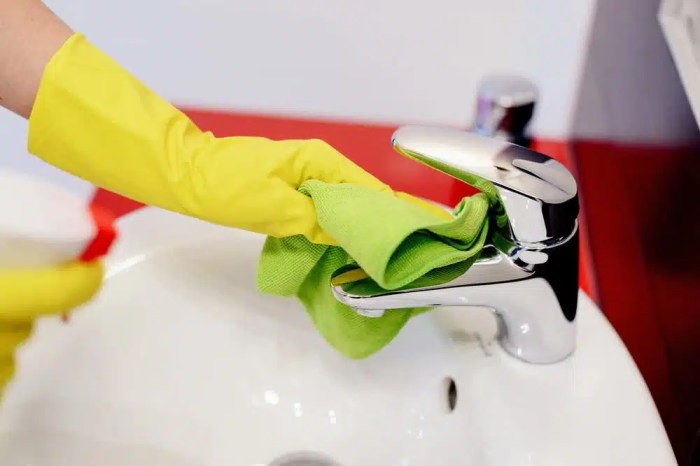
- Bathrooms: Bathrooms can be particularly prone to dust accumulation due to moisture. Regular wiping down of surfaces, including countertops, sinks, and mirrors, is important. Cleaning the shower/tub with a specialized cleaner and wiping down the tile walls with a damp cloth, will significantly reduce dust build-up.
- Kitchen: The kitchen, with its cooking surfaces and food preparation areas, is another high-dust-accumulation zone. Wipe down countertops and stovetops regularly with a damp cloth. Clean the cabinets and drawers periodically, and regularly vacuum the floor to prevent dust from spreading throughout the kitchen.
Common Cleaning Mistakes That Exacerbate Dust Problems
Certain cleaning habits can unintentionally worsen dust problems. Recognizing and avoiding these mistakes is key to maintaining a dust-free home.
My house has been surprisingly dusty lately, and I’ve been racking my brain trying to figure out why. Could it be that my current plumbing system is contributing to the problem? Maybe I need to explore alternative solutions like a composting toilet. A composting toilet, which what is a composting toilet , might actually help reduce the overall amount of dust particles in my home.
Regardless, I’m going to need to investigate further to figure out this dusty mystery!
- Dry dusting: Dry dusting with a feather duster or a dry cloth can simply move dust around the room, scattering it into the air. Using a damp cloth or microfiber cloths are more effective for trapping and removing dust particles.
- Skipping high-dust areas: High-traffic areas, like entryways and hallways, need more frequent cleaning. These areas accumulate dust faster than other areas, so ignoring them will lead to more dust accumulation.
- Not cleaning regularly: Accumulated dust over time will settle in crevices and corners, requiring more extensive cleaning later on. A regular cleaning schedule, even if it’s just a quick wipe-down, will prevent this build-up.
- Using the wrong tools: Some cleaning tools can spread dust rather than remove it. Using a vacuum cleaner with the appropriate attachments for different surfaces, along with microfiber cloths, are more effective in trapping and removing dust particles.
Importance of Regular Cleaning Schedules
Establishing a regular cleaning schedule is a crucial component of managing dust effectively. It allows for proactive cleaning and prevents the buildup of dust that can trigger allergies or asthma.
- Consistency is key: Regular cleaning, even if it’s just a quick wipe-down, can significantly reduce the amount of dust accumulation in a home. A consistent schedule is more effective than sporadic deep cleans.
- Adaptability to lifestyle: A cleaning schedule should be tailored to the family’s lifestyle. Families with young children or pets will need more frequent cleaning routines compared to those with fewer occupants.
- Preventing build-up: Consistent cleaning minimizes dust buildup, preventing it from settling in hard-to-reach places and reducing the need for extensive deep cleans.
Step-by-Step Guide for Cleaning a Room
A structured cleaning process will minimize dust and maintain cleanliness. Following a step-by-step approach will ensure that no area is missed.
- Preparation: Gather necessary cleaning supplies, including vacuum cleaner, microfiber cloths, and cleaning solutions. Remove clutter from the room.
- Dusting: Dust furniture and surfaces using a microfiber cloth or duster. Focus on high-dust areas, like window sills and shelves.
- Vacuuming: Vacuum floors and carpets using the appropriate attachments. Pay attention to corners, crevices, and high-traffic areas.
- Wiping: Wipe down surfaces with a damp microfiber cloth to remove any remaining dust.
- Cleaning other items: Clean or wipe down other items in the room such as pictures, decor, and other surfaces.
- Final Check: Ensure that the room is clean and free of dust particles.
Cleaning Tools and Dust Removal
Different cleaning tools have varying degrees of effectiveness in dust removal. Understanding how different tools work will help in choosing the best option for your needs.
| Cleaning Tool | Effect on Dust Removal |
|---|---|
| Vacuum Cleaner | Highly effective in removing dust from carpets and floors. Different attachments allow for various surfaces. |
| Broom | Effective for removing loose dust from hard floors but may not be as effective in removing embedded dust. |
| Microfiber Cloths | Excellent for trapping dust and preventing it from spreading. Effective for dusting and wiping surfaces. |
| Damp Cloths | More effective in removing dust than dry cloths. Helps to trap dust. |
Home Structure and Design
Dust accumulation isn’t solely dependent on cleaning habits or the presence of pets. Your home’s structure and design play a significant role in how much dust collects. Understanding these architectural factors can help you pinpoint areas prone to dust buildup and strategize for a cleaner living environment.The placement of windows, ventilation systems, and furniture arrangement all contribute to the amount of dust that settles.
Poor air circulation exacerbates the problem, creating ideal conditions for dust particles to linger. By understanding these elements, you can make adjustments to your home’s layout and design to reduce dust collection significantly.
My house is suddenly so dusty, and I’m racking my brain! Could it be that I haven’t tackled the garden lately? Maybe I should consider if I should clean out my garden should you clean out your garden. Dead leaves and debris swirling into the house during windy days could be a culprit. Either way, I’m definitely going to need to do a deep clean soon!
Window Placement and Ventilation
Proper window placement and ventilation are crucial for managing dust. Windows that face high-traffic areas or are near sources of dust (e.g., construction sites, busy roads) will collect more dust. Poorly ventilated rooms, especially those with minimal or inadequate airflow, will accumulate dust more readily. Ensuring sufficient cross-ventilation, strategically placed windows, and the use of exhaust fans in kitchens and bathrooms are vital to minimizing dust buildup.
Furniture Layout and Dust Collection
Furniture placement significantly impacts dust accumulation. Items like drapes, carpets, and upholstered furniture can trap dust particles. Cluttered spaces and areas with little or no air circulation around furniture invite dust to settle. Strategic furniture arrangement, with sufficient space between pieces to allow for airflow, is essential. Consider placing furniture to maximize air circulation.
Air Circulation and Dust Buildup
Air circulation plays a vital role in dust buildup. Areas with stagnant air allow dust particles to settle more easily. Open floor plans, while visually appealing, often lack sufficient air circulation. Enclosed rooms with good ventilation systems, on the other hand, tend to have lower dust buildup. Efficient air circulation, particularly through doorways and windows, can greatly reduce dust accumulation.
My house seems to be perpetually dusty, and I’ve been racking my brain trying to figure out why. Maybe it’s time to look at some simple feng shui techniques to improve the flow of energy in my living room. Implementing a few easy steps to feng shui living room, like decluttering and arranging furniture strategically, could make a big difference.
By clearing out stagnant energy, I might just find that my house is less dusty! easy steps to feng shui living room Hopefully, a cleaner living space will lead to a less dusty house.
Minimizing Dust Collection: A Layout Design
To minimize dust collection, design your home with optimal air circulation in mind. Consider a layout with enclosed rooms or strategically placed partitions to create micro-climates with better air circulation. This approach prevents dust from drifting throughout the house. Maximize the use of natural light and ventilation. Avoid excessive clutter, especially in high-traffic areas.
Regular dusting and vacuuming are crucial even in a well-designed layout.
Comparison of Room Layouts
| Layout | Dust Potential | Reason |
|---|---|---|
| Open floor plan | High | Dust can easily circulate throughout the entire space, settling in various areas. |
| Enclosed rooms | Low | Dust tends to remain within a specific area, limiting its spread. Ventilation and airflow can be better managed. |
Outside Influences
Dust in your home isn’t always a product of your cleaning habits or your house’s structure. External factors play a significant role in the amount of dust accumulating inside. Understanding these outside influences can help you effectively address the problem and create a healthier indoor environment.Outdoor factors, from seasonal changes to nearby construction, can dramatically impact the dust levels in your home.
These influences often work in concert, compounding the problem. This section will explore how these factors contribute to indoor dust, providing actionable insights for maintaining a clean and healthy living space.
Pollen and Seasonal Changes
Seasonal changes, especially the arrival of spring and fall, can dramatically increase the amount of airborne pollen. This microscopic plant matter is a common allergen and a significant contributor to indoor dust. Pollen grains, carried on the wind, readily enter homes through open windows and doors. Their tiny size makes them difficult to filter out, leading to a noticeable increase in dust levels during pollen seasons.
This is especially pronounced in areas with high pollen counts, such as near forests or agricultural fields. Furthermore, certain types of pollen are more easily dispersed and stickier, contributing to a heavier dust load.
Outdoor Activities and Pets
Outdoor activities, such as gardening and pet walks, can introduce various substances into your home. Garden soil, leaves, and other debris brought in on shoes and clothing can quickly become part of your indoor dust. Pets, especially those with outdoor access, can track in dirt, pollen, and other allergens. Pet dander, a frequent indoor allergen, also contributes to the overall dust buildup.
In addition, the activities of pets, like shedding and scratching, generate dust particles that get trapped in your home’s environment.
Nearby Construction and Environmental Factors
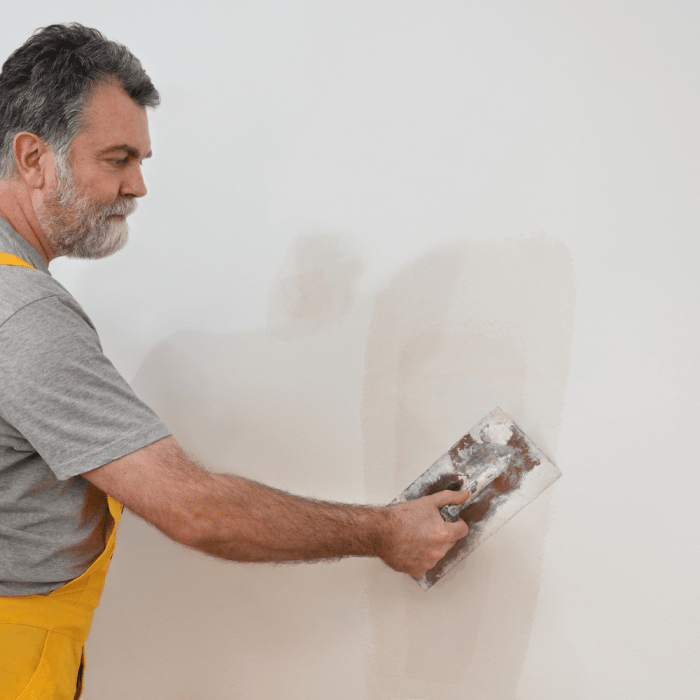
Construction activities near your home can significantly increase dust levels indoors. Dust from demolition, excavation, and road construction can be carried by the wind and enter your home. Similarly, environmental factors such as wildfires or sandstorms can dramatically increase dust levels, impacting indoor air quality. The amount of dust from these sources can be quite substantial, especially if your home is located near a construction site or in a high-risk environmental zone.
Furthermore, the nature of the construction material, like concrete or drywall dust, may vary in its effect on indoor dust buildup.
Outdoor Air Quality
Outdoor air quality plays a crucial role in the dust found indoors. Areas with higher levels of industrial pollutants or vehicle emissions will have more dust carried into homes. This type of dust often contains harmful chemicals and particulate matter, posing health risks. Furthermore, areas with higher levels of smog or haze contribute to increased dust levels, impacting the air quality within your home.
The correlation between outdoor air quality and indoor dust is substantial, with higher outdoor pollution often resulting in higher dust levels inside.
Comparison of Outdoor Elements
Different outdoor elements impact dust buildup in various ways. While pollen is a seasonal concern, construction dust can be a more sporadic but potentially intense problem. Pet dander is a continuous contributor, while outdoor air quality issues can be a persistent problem. Analyzing the specific impact of each element on your home requires careful observation and consideration of the environmental factors in your area.
The relative importance of each element can fluctuate depending on your location and the time of year. For instance, in a coastal area, the impact of sandstorms may be more significant than pollen in the spring.
Potential Solutions and Prevention
Dust accumulation in a home can be a persistent issue, but with the right strategies, you can significantly reduce it. Effective solutions encompass various approaches, from strategic cleaning practices to proactive maintenance measures. Understanding the root causes of dust and implementing targeted solutions is key to achieving a dust-free environment.
Controlling Dust Buildup
Addressing dust buildup requires a multifaceted approach. Cleaning regularly and using appropriate techniques is crucial. This involves more than just surface dusting; it necessitates a deep understanding of the sources of dust. Careful consideration of materials used in construction and furnishings can minimize dust generation.
Improving Ventilation and Air Circulation
Proper ventilation and air circulation are essential for minimizing dust accumulation. Poor airflow allows dust to settle and circulate more easily. Strategic placement of fans and air purifiers can significantly impact dust levels. Regular cleaning of vents and air ducts can maintain optimal airflow.
Choosing Cleaning Supplies and Equipment
The selection of cleaning supplies and equipment plays a vital role in dust removal. Microfiber cloths are highly effective at trapping dust particles, and vacuum cleaners with HEPA filters can capture even the smallest particles. Choosing the right tools can make a significant difference in the effectiveness of your cleaning routine. Consider using a damp mop for hard floors to prevent dust from becoming airborne.
Regular Maintenance of Home Appliances
Regular maintenance of home appliances is vital in minimizing dust. Cleaning or replacing air filters in HVAC systems, regularly cleaning fans, and maintaining other appliances can help prevent dust buildup. This preventative maintenance is often overlooked, but it is a crucial aspect of a comprehensive dust control strategy. A well-maintained refrigerator, for example, prevents dust particles from circulating within the appliance, which can then be dispersed into the air.
Items for a Dust-Free Home
Creating a dust-free home requires a conscious effort. Here’s a checklist of essential items to consider:
- HEPA air purifier: These filters capture microscopic dust particles, improving indoor air quality. Consider placing them in high-traffic areas or bedrooms to capture dust that accumulates there.
- Microfiber cloths and dusters: These cloths are excellent at trapping dust, reducing the amount of airborne particles. Regular washing and drying of these cloths will maintain their effectiveness.
- Vacuum cleaners with HEPA filters: Vacuum cleaners equipped with HEPA filters can capture fine dust particles, preventing them from re-circulating into the air. Consider different attachments for various surfaces.
- Damp mops and cloths: Damp mopping or wiping surfaces with damp cloths can help trap dust and prevent it from becoming airborne. Damp cleaning surfaces like wooden floors, and furniture can help capture dust.
- Regular cleaning of air vents and ducts: Regular cleaning of vents and air ducts prevents dust from accumulating and circulating throughout the home.
- Dust-proof covers for furniture: Dust-proof covers can protect furniture from dust and prevent the accumulation of dust.
- Strategic placement of furniture: Placing furniture strategically can minimize dust accumulation by reducing areas where dust can collect.
Specific Room Analysis: Why Is My House So Dusty
Dust accumulation isn’t uniform throughout a house. Different rooms have unique characteristics that contribute to dust buildup. Understanding these differences allows for targeted cleaning and prevention strategies. Identifying the source of dust in each room is crucial for effective long-term solutions.
Bedroom Dust Sources and Solutions
Bedrooms, often overlooked, can harbor significant dust issues. This is largely due to the combination of human activity, potential for dust mite infestation, and the prevalence of textiles that attract dust. Addressing these factors leads to a cleaner and healthier sleeping environment.
- Dust Mites: Dust mites thrive in warm, humid environments, feeding on dead skin cells. Mattresses, pillows, and bedding are prime breeding grounds. Regularly washing bedding in hot water (at least 130°F) can significantly reduce mite populations. Encase mattresses and pillows in dust-proof covers. Maintaining good ventilation and controlling humidity levels within the bedroom are also essential.
- Textiles and Furnishings: Soft furnishings, carpets, and curtains collect dust particles. Vacuuming carpets regularly, along with using a damp cloth to wipe down furniture and curtains, can help remove dust. Consider using microfiber cloths, which are exceptionally effective at trapping dust.
- Cleaning Habits: Dust accumulation is often a direct result of insufficient cleaning. Regular dusting, vacuuming, and mopping are crucial for preventing dust buildup. Consider using a combination of methods, such as vacuuming followed by damp wiping.
Living Room Dust Mitigation Strategies
Living rooms, often the central hub of the home, tend to accumulate dust from foot traffic, pets, and general activity.
- Pet Dander: Pet dander, shed hair, and saliva are common sources of dust in living rooms with pets. Regular vacuuming and wiping surfaces with damp cloths are essential. Consider using a high-efficiency particulate air (HEPA) filter vacuum to trap smaller particles. Bathing pets regularly can also help reduce the amount of dander released into the environment.
- Foot Traffic: Foot traffic carries dust from outdoors into the living room. Regularly vacuuming carpets and rugs, and using doormats, can help minimize this issue. Consider using area rugs to trap dust before it reaches the main floor.
- Furniture and Textiles: Dust tends to collect on furniture and textiles. Regular dusting and wiping of surfaces with damp cloths will remove dust. Using microfiber cloths helps to catch dust particles.
Evaluating Dust Levels
Visual assessment is a good starting point for determining dust levels in specific areas. Look for noticeable dust accumulation on surfaces, such as furniture, windowsills, and floors. However, a more precise evaluation can be obtained through dust testing kits. These kits measure the amount of dust in the air, which can help identify problematic areas.
Preventing Dust Accumulation in Specific Rooms, Why is my house so dusty
Regular cleaning and targeted strategies tailored to each room can prevent dust accumulation. The goal is to maintain a clean and dust-free environment that minimizes discomfort and potential health issues.
| Room | Problem | Solution |
|---|---|---|
| Bedroom | Dust mites | Regularly wash bedding in hot water, use dust-proof covers, maintain good ventilation, and control humidity. |
| Living Room | Pet Dander | Regular vacuuming, wiping surfaces with damp cloths, using HEPA filters, and regular pet grooming. |
Final Conclusion
So, why is your house so dusty? The answer, as we’ve seen, isn’t always straightforward. It often involves a combination of household activities, cleaning practices, home design, and external influences. By understanding the various factors contributing to dust buildup, you can develop a targeted approach to reduce dust and maintain a healthier, cleaner living environment. This guide provides the tools to identify the root causes in your home and take proactive steps to eliminate dust, leading to a cleaner, more comfortable space for you and your family.