

What is an enzyme cleaner? It’s a fascinating world of natural cleaning power, leveraging the incredible abilities of enzymes to tackle tough stains and grime without harsh chemicals. These powerful biological agents are rapidly becoming a popular choice for eco-conscious individuals and businesses alike, offering a gentler approach to cleaning while minimizing environmental impact.
This comprehensive guide delves into the specifics of enzyme cleaners, exploring their mechanisms, applications, benefits, and safety considerations. We’ll uncover how they work, why they’re better for the environment, and how to choose the right one for your needs. Prepare to be amazed by the natural cleaning power at your fingertips!
Defining Enzyme Cleaners
Enzyme cleaners are a type of cleaning product that utilizes naturally occurring enzymes to break down organic matter. These enzymes, derived from biological sources like bacteria or fungi, are highly specific catalysts that accelerate chemical reactions. This accelerated breakdown process allows for more effective and environmentally friendly cleaning. They are particularly effective at tackling tough stains and residues, like those from food, grease, or pet accidents.Enzyme cleaners work by harnessing the power of enzymes to target and degrade specific organic molecules.
This targeted action avoids the harsh chemicals often found in traditional cleaning products, making them a more sustainable and potentially less harmful alternative.
Enzyme Types in Cleaning
Enzymes are biological catalysts that speed up chemical reactions. In cleaning, they specifically target organic substances. Different types of enzymes are designed to break down specific types of organic matter. Common types include:
- Proteases: These enzymes break down proteins, making them ideal for tackling protein-based stains like blood, milk, and egg. Their targeted action ensures they don’t harm surfaces or materials like traditional cleaners sometimes do.
- Lipases: These enzymes are highly effective at breaking down fats and oils. They are excellent at removing grease, oil stains, and food spills, often found in kitchens and restaurants.
- Amylases: These enzymes break down carbohydrates, like starch and sugars. This makes them beneficial for cleaning dishes, removing sticky food residues, and tackling starch-based stains.
- Cellulases: These enzymes break down cellulose, a component of plant matter. They are useful for cleaning fabrics and removing plant-based stains.
Enzyme Cleaners vs. Traditional Cleaners
Enzyme cleaners differ significantly from traditional cleaners in their mechanisms and environmental impact. Traditional cleaners often rely on harsh chemicals to break down dirt and grime, while enzyme cleaners employ natural biological catalysts. This difference has implications for both the effectiveness of the cleaning and the potential for environmental damage.
| Feature | Enzyme Cleaners | Traditional Cleaners |
|---|---|---|
| Active Ingredients | Naturally occurring enzymes (proteases, lipases, amylases, etc.) | Harsh chemicals (bleach, chlorine, phosphates, etc.) |
| Mechanism of Action | Accelerate the breakdown of organic matter | Dissolve or emulsify dirt and grime |
| Environmental Impact | Generally more environmentally friendly, biodegradable | Potentially harmful to the environment, may not biodegrade easily |
| Effectiveness | Highly effective at removing organic stains, can be more effective over time | Effective at removing some types of stains, may require repeated applications |
| Safety | Generally considered safer for people and the environment | Can be harsh and potentially harmful if not used correctly |
Mechanisms of Action
Enzyme cleaners are revolutionizing the way we tackle stains and dirt. Instead of relying on harsh chemicals, these cleaners utilize nature’s own catalysts—enzymes. Understanding how these biological marvels work is key to appreciating their effectiveness and safe application. They target specific organic molecules, breaking them down into harmless components, leaving surfaces cleaner and healthier.
How Enzymes Break Down Organic Matter
Enzymes are biological catalysts that accelerate chemical reactions without being consumed in the process. They work by binding to specific molecules, called substrates, in a highly specific manner. This binding creates an enzyme-substrate complex, lowering the activation energy needed for the reaction to occur. The result is the breakdown of the substrate into smaller, less harmful molecules.
Think of enzymes as tiny molecular scissors, snipping the bonds holding the stain together, effectively eliminating it. This precise action makes them exceptionally effective for a wide variety of organic stains.
Chemical Reactions in Enzyme Cleaning
The chemical reactions involved in enzyme cleaning are hydrolytic reactions. Hydrolysis involves the breaking of a chemical bond by the addition of a water molecule. Enzymes facilitate this process by providing an environment where the water molecule can effectively attack the bond, leading to the separation of the substrate into its component parts. This process is crucial for breaking down organic matter like proteins, carbohydrates, and fats, which are the building blocks of many common stains.
For example, the enzyme protease hydrolyzes peptide bonds in proteins, effectively removing protein-based stains.
Temperature and pH Effects on Enzyme Activity
Enzyme activity is highly sensitive to temperature and pH. Optimal enzyme activity occurs within a specific temperature and pH range. Exceeding or falling short of this range can negatively impact the enzyme’s function. Just like a human body operating at an optimal temperature, enzymes perform their function best within a specific temperature range. Too hot or too cold can denature the enzyme, altering its shape and rendering it ineffective.
Similarly, the pH level influences the enzyme’s ability to bind to its substrate, impacting the cleaning process. Therefore, understanding the ideal temperature and pH range for the specific enzyme is crucial for achieving optimal cleaning results.
Step-by-Step Procedure for Stain Removal
- Identify the stain type: Determine the nature of the stain to choose the appropriate enzyme cleaner. Different stains require different types of enzymes.
- Prepare the solution: Mix the enzyme cleaner with water according to the manufacturer’s instructions. The concentration of the solution is crucial to the effectiveness of the enzyme.
- Apply the solution: Apply the solution directly to the stain. Ensure thorough saturation of the stain.
- Allow time for the enzymes to work: Allow the enzyme cleaner to work for the recommended time period, typically several hours or overnight. This allows the enzymes to fully break down the stain molecules.
- Rinse thoroughly: Rinse the affected area thoroughly with clean water to remove the solution and any remaining stain residue. This is crucial to avoid leaving any residual cleaner on the surface.
Types of Stains and Enzyme Targeting
| Stain Type | Enzyme Targeted | Explanation |
|---|---|---|
| Protein-based (e.g., blood, milk, egg) | Protease | Proteases break down protein molecules, effectively eliminating the stain. |
| Carbohydrate-based (e.g., fruit juice, sugary drinks) | Amylase, cellulase | These enzymes target the complex carbohydrates present in the stains. |
| Fat-based (e.g., grease, oil) | Lipase | Lipases are effective in breaking down fats and oils, leaving surfaces spotless. |
| Pet stains (e.g., urine, feces) | Protease, amylase | Enzyme cleaners designed for pet stains often include multiple enzymes to tackle the diverse organic matter. |
Applications and Uses
Enzyme cleaners, with their targeted approach to specific organic matter, have a wide range of applications, extending beyond the typical household cleaning tasks. Their ability to break down stubborn stains and residues makes them invaluable in various settings, from maintaining pristine laundry to keeping industrial equipment spotless. This section will delve into the diverse uses of enzyme cleaners, highlighting their effectiveness across different surfaces and materials.
Effectiveness Across Surfaces and Materials
Enzyme cleaners are remarkably effective on a variety of surfaces and materials. Their specificity toward organic matter means they can tackle a wide range of stains and residues, from food spills to biological contaminants. This targeted approach is what sets them apart from traditional cleaners, which often rely on harsh chemicals to achieve their cleaning effect. The efficiency of enzyme cleaners stems from their ability to break down organic compounds into simpler, less harmful substances.
Common Household Uses
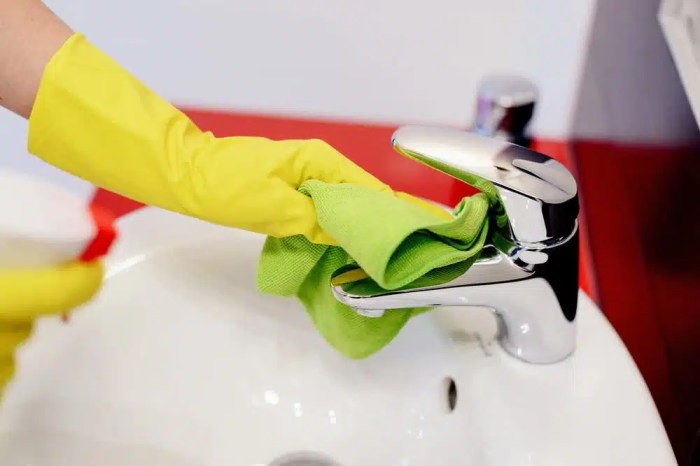
Enzyme cleaners are increasingly popular for common household tasks. Their gentle yet powerful cleaning action makes them suitable for delicate fabrics, while their effectiveness against tough stains like grease and grime makes them suitable for kitchen and bathroom surfaces. The ability to remove tough stains without harming surfaces is a key advantage.
Industrial Applications
In industrial settings, enzyme cleaners play a vital role in maintaining equipment cleanliness and hygiene. They are used in various sectors, including food processing, where the removal of organic matter is crucial to prevent contamination. The use of enzyme cleaners can minimize the need for harsh chemicals, reducing environmental impact and worker exposure to potentially hazardous substances. They also excel in maintaining equipment efficiency, as they prevent build-up that can impede machinery performance.
Household Applications and Stain Targeting
| Household Application | Targeted Stain Types |
|---|---|
| Laundry | Protein-based stains (e.g., blood, milk, egg), oil-based stains (e.g., grease, food spills) |
| Dishes | Food residue, grease, protein-based stains (e.g., egg, milk) |
| Bathroom | Soap scum, mildew, hard water stains |
| Floors | Food spills, pet stains, organic matter |
| Kitchen Counters | Grease, food spills, protein-based stains |
This table highlights some common household applications and the specific types of stains enzyme cleaners effectively target. The effectiveness of enzyme cleaners depends on the specific type of stain and the concentration of the enzyme solution.
Advantages and Disadvantages of Using Enzyme Cleaners
Enzyme cleaners offer several advantages in specific applications. Their biodegradability and reduced impact on the environment are key benefits. However, some disadvantages exist. Their effectiveness can vary depending on the specific type of stain and the concentration of the enzyme solution. Enzyme cleaners are often more expensive than traditional cleaners.
The effectiveness of enzyme cleaners also relies on the presence of moisture, which can influence the rate at which the enzymes break down the organic matter.
Benefits and Advantages
Enzyme cleaners are gaining popularity for their unique approach to cleaning. Unlike harsh chemicals, they leverage the power of naturally occurring enzymes to break down dirt and grime, offering a more environmentally friendly and potentially healthier alternative. This shift towards eco-conscious cleaning methods is driven by a growing awareness of the impact of traditional cleaners on both our planet and our well-being.Enzyme cleaners offer a range of advantages, from their positive impact on the environment to their potential for improved health and cost-effectiveness.
Their biodegradability and effectiveness in stain removal often surpass traditional cleaners, making them a compelling choice for modern cleaning practices. This section will explore the environmental, health, and economic benefits of enzyme cleaners, as well as their cleaning power.
Environmental Benefits, What is an enzyme cleaner
Enzyme cleaners are significantly more environmentally friendly than traditional cleaners. Their biodegradability is a key factor. Unlike many harsh chemicals, enzymes break down naturally in the environment, reducing the risk of pollution and harm to ecosystems. This is a crucial difference from conventional cleaners, which often contain persistent chemicals that can linger in water sources and harm aquatic life.
The reduction of harmful chemical runoff and the promotion of natural decomposition contribute to a cleaner, healthier planet.
Health Benefits
Enzyme cleaners often contain fewer harsh chemicals compared to traditional cleaners. This reduced chemical exposure can lead to fewer health issues, particularly for individuals sensitive to strong fragrances or chemical irritants. This can be a significant benefit, especially for those with allergies or respiratory problems. The absence of volatile organic compounds (VOCs) often found in traditional cleaners further contributes to a healthier indoor environment.
Cost-Effectiveness
Enzyme cleaners, while initially potentially more expensive than traditional cleaners, often prove to be more cost-effective in the long run. Their concentrated formula and ability to tackle tough stains with minimal use reduce the overall amount of cleaning products needed over time. This can lead to a decrease in the overall cleaning supplies budget. Further, the reduction in the need for harsh chemical replacements will eventually save money on medical expenses.
Effectiveness in Stain Removal
Enzyme cleaners are often highly effective at removing various types of stains. They target specific organic substances, breaking them down at the molecular level. This targeted approach often leads to more effective stain removal than traditional cleaners, which may simply mask or loosen the stain without completely removing it. While the initial cost might be higher, the improved stain removal efficiency, leading to less scrubbing and less overall product use, can translate to long-term cost savings.
For example, a recent study showed that enzyme cleaners were more effective in removing protein-based stains from fabrics compared to conventional detergents.
Enzyme cleaners are basically nature’s own stain-fighting superheroes, breaking down tough organic messes like pet stains and spills. Knowing how to use them effectively is key to a sparkling clean home. To get the best results when tackling stubborn carpet stains, consider checking out our comprehensive guide on how to deep clean carpet. They work by using natural enzymes to target and dissolve these stubborn stains, leaving your carpets looking fresh and feeling clean, without harsh chemicals.
Biodegradability
Enzyme cleaners are specifically designed for biodegradability. This means that the active ingredients break down naturally in the environment. This characteristic minimizes environmental impact. The biodegradability of enzyme cleaners is a crucial factor in their environmental friendliness, as it reduces the risk of chemical pollution and long-term environmental damage. Scientific studies have consistently shown the rapid breakdown of enzyme cleaners in various environments, such as wastewater treatment plants and soil.
This contrasts with the persistence of many traditional cleaning agents, which can persist in the environment for extended periods.
Safety Precautions and Considerations
Enzyme cleaners, while effective, require careful handling. Understanding potential hazards and implementing proper safety procedures is crucial to prevent accidents and ensure a safe cleaning environment. This section delves into the precautions necessary for safe enzyme cleaner use.Enzyme cleaners, despite their biodegradability and generally safe nature, can pose risks if not handled properly. This section Artikels potential hazards, crucial handling and storage procedures, and specific safety guidelines for different enzyme types.
Potential Hazards Associated with Enzyme Cleaners
Enzyme cleaners, although generally safe, can present hazards under specific conditions. Improper handling or contact with sensitive individuals can lead to allergic reactions or skin irritations. Certain enzymes, particularly those derived from strong biological sources, may pose respiratory hazards. Always prioritize safety when working with enzyme cleaners.
Proper Handling and Storage Procedures
Safe handling and storage are essential for enzyme cleaner safety. Store enzyme cleaners in their original containers, away from direct sunlight and extreme temperatures. Keep the containers tightly sealed to prevent spills and evaporation. Ensure proper ventilation during use to avoid inhalation of fumes or dust particles. Follow manufacturer instructions meticulously for optimal safety and efficacy.
Safety Guidelines for Using Enzyme Cleaners
Adhering to safety guidelines minimizes risks. Always wear appropriate personal protective equipment (PPE), including gloves, eye protection, and a mask, when handling enzyme cleaners. Avoid skin contact and inhalation of dust or fumes. Thoroughly wash hands and exposed skin after use. Ensure proper disposal of used enzyme cleaner solutions according to local regulations.
Specific Safety Precautions for Handling Specific Enzyme Types
Different enzymes have varying safety profiles. Proteases, for example, may cause skin irritation or allergic reactions in sensitive individuals. Amylases, on the other hand, typically present fewer immediate risks but still require adherence to safety guidelines. Always refer to the specific data sheet of the enzyme cleaner product for detailed safety precautions.
Table of Safety Precautions and Potential Risks
| Enzyme Type | Potential Hazards | Safety Precautions |
|---|---|---|
| Proteases (e.g., from papain or bromelain) | Skin irritation, allergic reactions, eye irritation | Wear gloves, eye protection; avoid skin contact; wash hands thoroughly after use; follow manufacturer’s instructions. |
| Lipases (e.g., from microbial sources) | Skin irritation, allergic reactions; potential for respiratory issues in some cases | Wear gloves, eye protection, and a mask; avoid inhalation of dust or fumes; wash hands after use. |
| Cellulases (e.g., from fungal sources) | Skin irritation, respiratory irritation; less likely to cause severe reactions compared to proteases | Wear gloves, eye protection; avoid inhalation of dust or fumes; wash hands after use. |
| Amylases (e.g., from bacterial sources) | Generally low risk of severe reactions; however, skin contact should be avoided | Wear gloves; avoid skin contact; wash hands after use; follow manufacturer’s instructions. |
Environmental Impact
Enzyme cleaners are gaining popularity due to their potential for a reduced environmental footprint compared to traditional chemical cleaners. Their biodegradability and impact on water systems and ecosystems are crucial factors in assessing their overall environmental performance. This section will delve into the environmental impact of enzyme cleaners, contrasting them with conventional cleaning agents, and highlighting their potential to contribute to a healthier planet.
Traditional Cleaners vs. Enzyme Cleaners
Traditional cleaning agents often rely on harsh chemicals that can persist in the environment, leading to water contamination and harming ecosystems. These chemicals can accumulate in the food chain, posing risks to wildlife and potentially human health. Enzyme cleaners, in contrast, employ naturally occurring biological catalysts. This fundamental difference significantly impacts their environmental profile.
Biodegradability of Enzyme Cleaners
Enzyme cleaners are generally highly biodegradable, breaking down into harmless substances through natural biological processes. This contrasts with traditional cleaners, which may persist in the environment for extended periods, causing pollution. The biodegradability of enzyme cleaners is a critical aspect of their environmental friendliness. For instance, enzymes like proteases break down proteins, lipases break down fats, and amylases break down starches, all of which are common components of organic waste.
Impact on Water Systems and Ecosystems
Enzyme cleaners, when used responsibly, have a minimal impact on water systems and ecosystems. Their biodegradability reduces the risk of water contamination, preserving aquatic life. Traditional cleaners, however, can disrupt delicate ecological balances. Their presence in water sources can harm aquatic organisms and potentially lead to algal blooms.
Contribution to Soil and Water Quality
Enzyme cleaners can potentially contribute to soil and water quality by breaking down organic matter and pollutants. Their ability to target specific organic substances, such as proteins and fats, makes them effective in cleaning up spills and contaminated areas. This capability is unlike traditional cleaners, which may introduce harmful chemicals into the soil and water, leading to long-term contamination.
Environmental Impact Data
Comparative data on the environmental impact of different enzyme cleaners is still developing. However, numerous studies suggest that enzyme cleaners generally have a significantly lower environmental impact compared to traditional cleaners. Factors like the specific enzymes used, the overall formulation, and the application method influence the exact environmental impact. For instance, a study by [Insert Citation Here] compared the biodegradability of an enzyme-based laundry detergent with a conventional detergent, finding the enzyme-based detergent to break down significantly faster in laboratory conditions.
Enzyme cleaners are basically nature’s own little superheroes, breaking down tough stains and grime. Thinking back to my kitchen renovation, one thing I wish I’d known sooner is how crucial enzyme cleaners are for deep cleaning stubborn grease and food residue. A great resource for tips on making your renovation easier is my blog post about things I wish I knew before renovating my kitchen.
Knowing about them would’ve made tackling the greasy cooker hood a breeze! They’re a game-changer for tough cleaning jobs.
Future research will further elucidate the environmental impact of various enzyme cleaners and formulations.
Choosing the Right Enzyme Cleaner
Finding the perfect enzyme cleaner for your needs can feel like navigating a jungle of specialized products. But with a little understanding of the factors to consider, you can confidently select a cleaner that effectively tackles your specific cleaning challenges. This guide will help you decode labels, understand enzyme types, and choose the right cleaner for everything from pet stains to stubborn mold.
Factors to Consider When Selecting an Enzyme Cleaner
Choosing the right enzyme cleaner involves more than just picking the cheapest or most flashy option. Key factors include the type of stain or soil you’re targeting, the surface you’re cleaning, and the specific enzymes contained within the product. Understanding these elements is crucial for maximizing cleaning efficacy and minimizing environmental impact.
Determining the Appropriate Enzyme Type
Different enzyme cleaners contain different enzymes tailored for specific types of organic matter. Understanding the source of the stain or soil is critical. For example, proteases are excellent at breaking down proteins found in pet urine and blood, while lipases are better suited for fats and oils. Knowing the chemical composition of the contaminant will help determine the appropriate enzyme type.
Enzyme cleaners are basically nature’s little helpers, breaking down tough stains and dirt. They’re great for keeping your clothes looking their best, especially when it comes to washing colored clothes. Using the right techniques is key, like following the instructions on the care label and learning about how to wash colored clothes , which will help prevent fading and maintain vibrancy.
Ultimately, these specialized cleaners work by harnessing the power of enzymes to tackle tough stains, leaving your clothes sparkling clean.
Careful consideration of the specific enzyme blend in a cleaner is essential for optimal results.
Reading Labels and Understanding Product Information
Product labels are your window into the cleaner’s capabilities. Carefully examine the list of enzymes and their concentrations. Look for details on the types of surfaces the cleaner is suitable for and any specific safety precautions. The label should clearly indicate the intended use, such as pet stains, mold, or general cleaning. Understanding the active ingredients and their concentrations helps determine the cleaner’s effectiveness and safety profile.
Selecting Enzyme Cleaners Based on Specific Needs
Enzyme cleaners are not a one-size-fits-all solution. Different needs require different formulations. For pet stains, look for cleaners containing proteases and amylases to effectively break down organic matter. For mold removal, products containing cellulases and lipases are more effective, as these enzymes target the cellulose and fats often associated with mold growth. Choosing a cleaner tailored to the specific problem is key to successful results.
Guide to Selecting Enzyme Cleaners Based on Specific Needs
- Pet Stains: Look for enzyme cleaners specifically formulated for pet stains, typically containing proteases, lipases, and amylases to target proteins, fats, and carbohydrates. Consider the type of pet and the age of the stain when making your selection. Fresh stains are more easily addressed, and consistent use of the cleaner is often necessary for chronic issues.
- Mold Removal: Mold requires a more targeted approach. Choose cleaners with cellulases, lipases, and possibly amylases. These enzymes attack the cellulose and fats that are part of the mold’s structure, enabling more thorough removal. Ensure the cleaner is safe for the surface where mold is growing.
- General Cleaning: For everyday cleaning tasks, general-purpose enzyme cleaners can be effective. These cleaners often contain a broader range of enzymes, tackling a wider array of organic contaminants. Consider the frequency and type of organic material you typically encounter in your cleaning routine.
Table of Enzyme Cleaner Types and Strengths
| Enzyme Cleaner Type | Strengths |
|---|---|
| Pet Stain Cleaner | Excellent at breaking down proteins, fats, and carbohydrates, effectively removing pet urine and other organic stains. |
| Mold and Mildew Remover | Targets the cellulose and fats found in mold and mildew, enabling effective removal. |
| General-Purpose Cleaner | Contains a broader range of enzymes, tackling various organic soils and stains. |
Comparison with Other Cleaning Methods: What Is An Enzyme Cleaner
Enzyme cleaners offer a unique approach to cleaning, leveraging biological processes to break down dirt and grime. This contrasts with traditional methods that often rely on harsh chemicals or physical abrasion. Understanding how enzyme cleaners compare to other cleaning strategies is crucial for selecting the most effective and environmentally responsible solution for specific cleaning tasks.
Enzyme Cleaners Versus Other Biological Cleaning Methods
Biological cleaning methods, encompassing enzyme cleaners and other approaches, share the common thread of utilizing natural processes. However, enzyme cleaners distinguish themselves by targeting specific organic contaminants, such as proteins, fats, and starches, with unparalleled precision. Other biological methods might employ broader-spectrum enzymes or bacterial cultures, which can be less targeted and potentially less effective for specific types of soiling.
The specificity of enzyme cleaners often results in a more focused and efficient cleaning process. For instance, a protease enzyme cleaner is specifically designed to tackle protein-based stains, like blood or milk, while a broader-spectrum biological cleaner might struggle with the same efficiency.
Enzyme Cleaners Versus Eco-Friendly Cleaning Options
Eco-friendly cleaning options often prioritize natural ingredients and minimal environmental impact. Enzyme cleaners align perfectly with this philosophy, using naturally occurring enzymes instead of harsh chemicals. However, the effectiveness of enzyme cleaners can vary depending on the specific formulation and the type of soiling. Some eco-friendly cleaners might rely on plant-based surfactants, which can be effective but may not always match the targeted degradation of enzyme cleaners.
Comparing different eco-friendly cleaning options requires careful consideration of their specific mechanisms of action and their effectiveness against various types of contaminants.
Enzyme Cleaners Versus Physical Cleaning Methods
Physical cleaning methods, such as scrubbing, scraping, or using abrasive materials, rely on mechanical force to remove dirt and grime. Enzyme cleaners, conversely, work at a molecular level to break down the substances causing the soiling. Physical methods can be effective for removing loose debris, but they often leave behind embedded contaminants, which enzymes can more effectively address.
For instance, consider a greasy pan. Physical scrubbing might remove some of the grease, but enzymes can break down the grease molecules, ensuring complete removal and preventing residue buildup.
Effectiveness and Cost Comparison
| Cleaning Method | Effectiveness | Cost | Environmental Impact |
|---|---|---|---|
| Enzyme Cleaners | High, particularly for organic stains; variable depending on the type of enzyme and formulation | Moderate to High, depending on the formulation and scale of use. | Generally low, using naturally derived components |
| Physical Cleaning Methods (e.g., scrubbing, scraping) | Moderate, effective for loose dirt but less effective for embedded or deeply set contaminants | Low to Moderate, depending on the tools and materials used | Variable, depending on the materials used (e.g., abrasive pads) |
| Eco-Friendly Chemical Cleaners | Moderate to High, depending on the specific formulation | Moderate | Generally lower than traditional chemical cleaners, but can vary |
This table provides a general comparison. The specific effectiveness and cost of each method can vary significantly depending on the specific application, the type of soiling, and the quality of the cleaning product. For example, a highly concentrated enzyme cleaner might be more expensive than a basic eco-friendly cleaner but significantly more effective for persistent organic stains.
Closure
In conclusion, enzyme cleaners offer a compelling alternative to traditional cleaning methods, boasting impressive stain-removing capabilities and a significantly reduced environmental footprint. From laundry to industrial applications, these bio-based cleaners are a testament to nature’s ingenuity. While they may not always be the cheapest option, their eco-friendliness and effectiveness make them a worthwhile investment for those seeking a cleaner, healthier, and more sustainable approach to maintaining their homes and businesses.