





Wall trim that instantly dresses up your house is a fantastic way to elevate your home’s aesthetic. It’s a surprisingly powerful design element that can transform a space, adding character and visual interest. From the classic elegance of crown molding to the modern sleekness of metal accents, this guide delves into the world of wall trim, exploring everything from choosing the perfect style to achieving a professional installation.
This comprehensive guide will explore the various types of wall trim, materials, styles, and how to choose the right trim for your home. We’ll cover factors like architectural style, color coordination, and visual enhancements, including tips on using trim to create focal points and maximize space. Plus, we’ll get into budget-friendly options, installation techniques, and achieving a professional finish.
Introduction to Wall Trim: Wall Trim That Instantly Dresses Up Your House
Wall trim, often overlooked, is a crucial element in interior design that dramatically enhances the aesthetic appeal of a home. It’s more than just a decorative band; it provides a clean, finished look to walls, concealing imperfections, and creating a cohesive design flow throughout the room. Its strategic placement and thoughtful selection can transform a space from ordinary to extraordinary.Wall trim serves multiple purposes.
It defines architectural features, such as windows and doorways, by outlining them with a decorative edge. It also acts as a transition point between different wall surfaces or materials, like hardwood floors and painted walls. This transition helps to create a seamless flow and visual appeal. Furthermore, it can add depth and dimension to the room, drawing the eye and creating visual interest.
Wall Trim Types
Various trim types offer different aesthetics and functionalities. Baseboards, crown molding, and chair rails are common examples. Baseboards are installed at the bottom of walls, meeting the floor, often used to cover the space between the wall and the floor. Crown molding, on the other hand, is installed at the junction of walls and ceilings, adding a touch of elegance and sophistication.
Chair rails, placed above baseboards, often serve as a decorative element or a subtle way to separate areas within a room.
Materials Used in Wall Trim
A wide array of materials are used for wall trim, each with its unique characteristics and appeal. Wood, a classic choice, offers warmth and natural beauty. Different wood species provide various shades and textures. Metal trims, such as aluminum or steel, offer a modern and contemporary feel, often used for their durability and resistance to moisture. Composite materials, like PVC or engineered wood, are popular for their affordability and ease of maintenance.
Plastic trim is a low-cost option with various colors and styles available. These materials, with their diverse properties, allow homeowners to tailor the trim to their personal preferences and budget.
Design Styles and Aesthetics
Wall trim can dramatically influence the overall design aesthetic of a room. For example, intricate crown molding evokes a traditional or formal feel, while simple, clean lines suggest a modern or minimalist design. The choice of trim style, coupled with the color palette and other design elements, shapes the ambiance of the space. The right trim can add an air of sophistication to a formal living room, or a playful touch to a child’s bedroom.
Impact on Overall House Look, Wall trim that instantly dresses up your house
Wall trim, when used effectively, significantly enhances the visual appeal of a house. It can unify different rooms and create a cohesive look throughout the home. It creates a polished and finished look, particularly noticeable in areas with exposed walls or architectural details. Careful consideration of trim styles and materials will greatly impact the overall aesthetic appeal, from a traditional farmhouse to a modern, minimalist dwelling.
Wall Trim Types and Their Characteristics
| Trim Type | Material | Typical Style |
|---|---|---|
| Baseboard | Wood, Composite, PVC | Traditional, Modern, Contemporary |
| Crown Molding | Wood, MDF, Composite | Formal, Traditional, Classic |
| Chair Rail | Wood, Composite, PVC | Traditional, Transitional, Farmhouse |
| Window and Door Trim | Wood, Metal, Composite | Matching with room’s style, enhancing details |
Choosing the Right Trim for Your Home
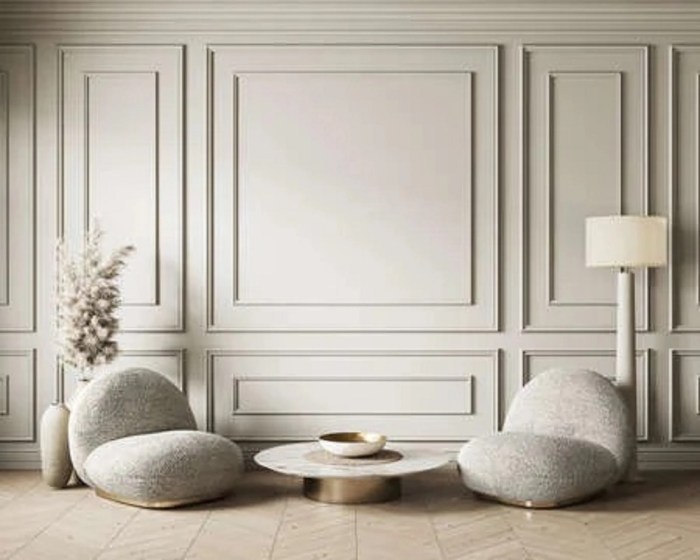
Transforming your home with wall trim is a fantastic way to add personality and visual interest. But choosing the right trim can feel overwhelming. This section dives into the crucial factors to consider, from architectural style to color coordination, ensuring your trim enhances, rather than clashes with, your existing décor.Selecting the perfect wall trim involves careful consideration of various aspects.
Understanding your home’s architectural style, the desired aesthetic, and the existing color scheme are fundamental steps to ensure a harmonious and beautiful final product.
Factors to Consider When Selecting Wall Trim
Careful consideration of your home’s characteristics is crucial for a successful trim installation. These factors significantly influence the choice of trim style and its overall impact. Understanding the style of your house, the existing décor, and the desired aesthetic will guide you to the perfect trim selection.
- Architectural Style: Matching the trim style to your home’s architectural design is key. A Victorian-era home calls for intricate moldings, while a modern design might benefit from sleek, minimalist profiles. Consider the era of your house and the characteristics that define its style, whether it’s large windows, high ceilings, or detailed crown molding.
- Existing Décor: The current color scheme and furnishings significantly impact the trim’s role. A bold, colorful scheme might benefit from a neutral trim to create a focal point, whereas a muted palette can support more ornate or decorative trim. Take into account the overall aesthetic you’re trying to achieve.
- Desired Aesthetic: Do you prefer a traditional, formal look or a contemporary, minimalist style? The aesthetic you choose dictates the trim’s complexity and profile. Think about the feeling you want your home to evoke and select trim that complements that mood. A cozy cottage might benefit from simpler, warmer-toned trim, while a sophisticated mansion might require more ornate pieces.
Determining Trim Style for Different Architectural Styles
Selecting the appropriate trim style hinges on recognizing the defining characteristics of your home’s architectural style. Matching the trim to your home’s design language creates a cohesive and aesthetically pleasing result.
- Victorian: Victorian homes are characterized by intricate details. Decorative crown molding, dentil trim, and elaborate baseboards are common features. Consider using a contrasting or coordinating color to emphasize the architectural details. For example, a deep, rich mahogany trim could stand out beautifully against a light cream or ivory wall.
- Modern: Modern homes often favor clean lines and simple profiles. Straight lines and minimalist moldings are key elements. A neutral color palette, such as white or gray, works well with this style, allowing the architectural lines to take center stage.
- Contemporary: Contemporary designs are characterized by their bold and modern aesthetics. Modern trims, often with clean lines, can be utilized in these homes. A metallic finish on the trim can provide a subtle yet impactful accent. For example, brushed nickel trim on a contemporary home could complement modern appliances and furnishings.
Matching Color and Finish with Existing Décor
Color and finish selection is paramount for a cohesive look. Harmonizing the trim’s color and finish with the existing décor creates a unified and balanced aesthetic. Avoid jarring contrasts that detract from the overall ambiance.
- Color Coordination: Select a trim color that complements the existing color palette of the room. A neutral trim, such as white or gray, works well in many settings. A contrasting color, while potentially dramatic, should be carefully considered and used sparingly to create visual interest without overwhelming the space.
- Finish Considerations: The trim’s finish should complement the existing materials in the room. A matte finish might suit a rustic-style home, while a glossy finish would enhance a more modern design. Match the trim’s finish to the materials of the room’s other components, such as cabinetry and flooring.
Incorporating Trim into a Pre-Existing Color Scheme
Integrating trim into an existing color scheme requires careful consideration of the overall aesthetic. The trim acts as a crucial element in creating a balanced and harmonious space.
- Accentuating Existing Colors: Choose a trim color that subtly highlights or complements the existing colors in the room. A trim color slightly darker than the wall color can enhance the depth of the room. Conversely, a lighter shade can brighten the space.
- Creating Contrast and Visual Interest: Use a contrasting trim color to add visual interest and draw attention to specific architectural features. A bold, yet complementary color can enhance the overall visual appeal of the room.
Trim Style Recommendations by House Style
This table provides recommendations for trim styles based on various architectural styles, along with suggested color palettes.
| House Style | Trim Style Recommendations | Color Palettes |
|---|---|---|
| Victorian | Intricate moldings, crown molding, dentil trim | Warm neutrals (cream, ivory), deep rich wood tones (mahogany, cherry) |
| Modern | Clean lines, simple profiles, minimal moldings | Neutral colors (white, gray, black), metallic finishes |
| Contemporary | Sleek lines, modern profiles, possibly metallic finishes | Neutral colors (white, gray, black), accent colors, metallic finishes |
| Traditional | Classic profiles, decorative details, varied wood tones | Warm neutrals, various wood tones, soft colors |
Enhancing Visual Appeal with Trim
Adding trim to your walls is more than just a decorative touch; it’s a powerful tool for transforming a space. Strategic use of trim can dramatically alter the visual perception of a room, making it feel larger, cozier, or more sophisticated. The right trim can draw the eye to architectural features, create a sense of depth, and highlight the beauty of your home’s design.Beyond simply enhancing aesthetics, carefully chosen trim can address practical concerns like hiding imperfections or creating visual harmony between different elements of a room.
The key is understanding how to use trim to create a cohesive and visually engaging environment.
Creating Visual Focal Points with Trim
Trim pieces can be strategically positioned to draw attention to specific areas within a room. A decorative mantel or fireplace surround, for example, can be framed by a contrasting trim, emphasizing its importance as a focal point. Using a different trim style or color for the crown molding around a particularly attractive ceiling feature can highlight it, while a subtle baseboard trim in a complementary color can complement the flooring without overpowering the room.
This intentional use of varying trim styles and colors guides the eye and directs focus to specific elements.
Drawing Attention to Specific Areas
Using contrasting trim colors or styles around windows or doors can immediately draw attention to these architectural features. A wider trim around a doorway can visually expand the space and make the entrance feel more dramatic. Conversely, a subtle trim can make the area feel less imposing. Similarly, highlighting built-in shelving units or other special features with trim creates visual interest.
The color and style of the trim should complement the room’s overall color palette and the style of the built-in feature.
Looking for a quick way to elevate your home’s aesthetic? Wall trim is a surprisingly effective way to instantly dress up your house, adding character and sophistication without breaking the bank. It’s like a secret weapon for a fresh look! Speaking of freshening things up, did you know you can often clean suede shoes without needing special suede cleaner?
Check out this helpful guide on how to clean suede shoes without suede cleaner for some ingenious tricks. Now, back to the trim – a few strategic pieces of trim can really transform a room, giving it a polished, finished look.
Enhancing Room Size and Proportions
Trim can subtly alter the perceived size and proportions of a room. A taller crown molding, for instance, can make a room feel taller, while a wider baseboard can make a room feel wider. In a smaller room, a lighter trim color can visually expand the space, whereas darker trim can make a larger room feel more intimate.
Consider the size and shape of the room when choosing the trim style and color.
Adding Depth and Dimension
Trim can be used to create depth and dimension within a room. A combination of different trim pieces, such as crown molding, baseboards, and chair rails, can visually layer the space and add complexity. A wider, bolder trim piece near the ceiling, like a coffered ceiling, creates a sense of depth and can highlight the height of the room.
The interplay of light and shadow, created by the trim profiles, adds to the overall visual interest.
Examples of Trim Styles and Visual Impact
| Room Style | Trim Style | Visual Impact |
|---|---|---|
| Traditional | Classic crown molding, wide baseboards, detailed chair rails | Formal, elegant, and sophisticated. Creates a sense of grandeur and history. |
| Modern | Clean lines, simple profiles, minimal use of trim, possibly with contrasting colors | Sleek, contemporary, and minimalist. Emphasizes clean lines and modern aesthetics. |
| Rustic | Wood trim with natural tones, slightly distressed finish, or natural wood with subtle distressing | Warm, inviting, and cozy. Creates a sense of natural charm and connection with nature. |
| Coastal | Light-colored trim, often white or light gray, simple profiles, and sometimes with decorative elements | Bright, airy, and refreshing. Evokes a sense of relaxation and seaside ambiance. |
Practical Considerations and Installation
Transforming your home’s look with wall trim isn’t just about aesthetics; it’s also about meticulous planning and execution. Proper installation ensures a flawless finish, lasting durability, and a positive overall experience. This section dives into the practical aspects of installing wall trim, guiding you through crucial steps and considerations.The success of your wall trim project hinges on careful planning, precise measurements, and proper installation techniques.
Choosing the right tools and following a methodical approach is key to achieving a professional-looking result.
Methods for Installing Wall Trim
Various methods exist for installing wall trim, each suitable for specific situations and materials. Common approaches include using adhesive, nails, or screws. The best method depends on the type of trim, the wall material, and your personal preferences. Adhesive is ideal for lightweight trim and smooth surfaces, while nails or screws are generally more suitable for heavier trim or walls that require greater structural support.
Measuring and Cutting Trim Pieces
Accurate measurements are paramount for a clean and professional installation. Use a tape measure to carefully measure the lengths and widths needed for each trim piece. Account for any curves or angles in your design. Before cutting, double-check your measurements. Use a sharp utility knife or a miter saw to precisely cut the trim pieces.
For mitered corners, use a miter box or a miter saw for precise angles. A well-calibrated measuring tool and precise cutting technique are critical to avoid wasted material and ensure a neat finish.
Securing Trim to Walls
Properly securing the trim to the wall is crucial for both aesthetics and durability. Use the appropriate fasteners (nails or screws) for the type of trim and wall material. Pre-drilling pilot holes for screws is essential to prevent wood splitting, especially with hardwood trim. Ensure that the fasteners are securely seated and that the trim is level and plumb.
Apply wood filler to any nail or screw holes to create a smooth finish. Matching the type of fastener to the material is crucial. For example, using drywall screws for a wooden wall will likely cause the screws to strip out.
Using the Correct Tools for Installation
Utilizing the right tools ensures efficiency and a high-quality installation. A tape measure, utility knife, miter saw, hammer, screwdriver, level, and possibly a drill are essential tools. Having a sturdy work surface and adequate lighting will also enhance the installation process. Investing in quality tools, like a laser level, will improve accuracy and reduce errors. Choose tools appropriate for the trim material and wall type to prevent damage.
Wall trim is a fantastic way to instantly dress up your house, adding a touch of elegance and personality. Thinking about how to make your daily routines easier? Consider how this household item can make handwashing simple can streamline your chores. Ultimately, though, the right wall trim can transform any room, adding visual interest and a cohesive aesthetic to your home.
Step-by-Step Procedure for Installing Wall Trim
Step 1: Plan your layout. Sketch out your design and mark the placement of each trim piece. This will help you avoid errors and ensure everything aligns properly.
Step 2: Measure and cut the trim pieces. Use a tape measure to determine the precise lengths and widths needed for each piece. Account for any angles or curves.
Step 3: Prepare the wall. Clean the area where the trim will be installed. Ensure the wall surface is smooth and free of debris. Pre-drill pilot holes for screws if necessary.
Step 4: Install the first piece of trim. Position the trim piece according to your layout, ensuring it’s level and plumb. Secure it using nails or screws.
Step 5: Continue installing the remaining pieces, working systematically. Maintain a level and plumb installation for all trim pieces. Use wood filler to cover any nail or screw holes.
Wall trim is a surprisingly quick way to instantly dress up your house, adding character and visual appeal. To make those trims really pop, mastering the art of caulking is key. Knowing how to caulk like a professional how to caulk like a professional ensures a clean, seamless look, which is essential for that polished, finished look.
Proper caulking around the trim will create a unified and impressive visual impact, showcasing your DIY skills and enhancing the overall appeal of your home’s trim work.
Step 6: Caulk any gaps or seams between trim pieces for a seamless finish.
Step 7: Apply a final coat of paint or stain to match the existing wall color, if necessary.
Visual Inspiration and Ideas
Transforming a house from plain to polished often hinges on the subtle details. Wall trim, a seemingly small element, plays a significant role in achieving a visually appealing and cohesive space. This section explores various trim styles, their aesthetic impact, and how to choose the right one for your home.Understanding the different trim styles and their effects on a room’s ambiance allows homeowners to make informed decisions about their projects.
The visual impact of carefully chosen trim can significantly enhance the overall design and personality of a home.
Crown Molding
Crown molding, a classic trim style, adds a touch of grandeur and sophistication to any room. It’s a decorative molding that’s installed at the intersection of walls and ceilings. Its ornate design creates a visually elevated effect, drawing the eye upward and making the room feel more spacious. Often used in formal living rooms, dining rooms, and bedrooms, crown molding adds a touch of elegance and refinement.
Imagine a living room with high ceilings, showcasing intricate crown molding; it exudes a sense of timeless elegance.
Baseboards
Baseboards, a fundamental element in any room, serve a dual purpose: they both protect the wall and add visual interest. These trims are installed along the bottom edge of walls, creating a defined boundary between the wall and the floor. The right baseboard style can greatly impact a room’s character. Simple, clean-lined baseboards work well in modern or minimalist designs, while more ornate styles can enhance traditional or classic spaces.
Consider the overall aesthetic of your home when choosing baseboards; a unified style across different rooms will create a cohesive design.
Chair Rail
Chair rail, a horizontal trim piece installed halfway up the wall, creates a visual division and adds a touch of character to a room. This trim, often found in dining rooms and living rooms, provides a defined area for artwork or decor above it. The placement and design of the chair rail contribute to the room’s overall visual appeal.
A chair rail can transform a room from plain to distinctive, with the appropriate style and color.
Comparing Trim Styles
Different trim styles offer distinct visual effects. Crown molding adds a touch of grandeur and height, while baseboards create a defined edge. Chair rail visually separates areas and adds character. The selection of the right trim depends on the specific room’s style and desired effect. Consider the overall design, the scale of the room, and the desired level of sophistication when choosing between crown molding, baseboards, and chair rail.
| Trim Style | Visual Effect | Suitable Room Type |
|---|---|---|
| Crown Molding | Grand, sophisticated, visually elevates the room | Formal living rooms, dining rooms, bedrooms |
| Baseboards | Defined boundary, enhances room’s character | All rooms, depending on design style |
| Chair Rail | Creates visual division, adds character, highlights decor | Dining rooms, living rooms, hallways |
Budget-Friendly Options
Transforming your home with attractive wall trim doesn’t require a fortune. With careful planning and the right choices, you can achieve a high-end aesthetic on a budget. This section explores various ways to achieve that look without breaking the bank.Budget-conscious homeowners can still achieve a sophisticated look by selecting cost-effective materials and utilizing creative installation techniques. Clever use of inexpensive trim can significantly enhance the visual appeal of a room and add character to the entire house.
Affordable Trim Materials
A wide array of affordable trim materials are available. Finding the right one often depends on the specific project and desired aesthetic. Consider options like polyurethane, MDF (medium-density fiberboard), and even reclaimed wood. Polyurethane is a popular choice due to its versatility, ease of installation, and affordability. MDF, while sometimes overlooked, offers good value and can be painted or stained to match any decor.
Reclaimed wood adds a unique charm and rustic appeal, often at a lower cost than new lumber.
Finding Budget-Friendly Trim Products
Thrift stores, online marketplaces, and home improvement retailers frequently offer deals on trim. Shopping around and comparing prices is crucial. Look for sales, discounts, and bundle deals. Don’t be afraid to explore less-common retail channels for potentially better deals. Contacting local suppliers and construction material outlets can often yield excellent discounts, particularly if you are purchasing larger quantities.
Examples of Inexpensive Trim for Immediate Impact
Simple crown molding, even in a basic profile, can dramatically elevate a room’s appearance. A subtle chair rail, painted to match the walls, can add a touch of elegance to any space. Small decorative accents, like picture ledges or decorative valances, can also make a noticeable difference without costing a fortune.
Utilizing Inexpensive Trim to Achieve Various Looks
A strategic approach to trim placement and color choice can produce a multitude of styles. For a modern look, consider using a combination of flat trim and narrow crown molding in a neutral color. For a classic style, opt for traditional crown molding in a warm tone, combined with simple baseboards. A farmhouse aesthetic might use wider, natural wood trim paired with beadboard.
Cost-Effective Trim Options and Their Benefits
- Polyurethane Molding: Relatively inexpensive, easy to install, and readily available in various styles. It’s a popular choice for its versatility and affordability, easily painted to match existing décor.
- MDF (Medium-Density Fiberboard) Trim: Often a more affordable alternative to wood trim, MDF is easy to work with and can be painted or stained to match any color scheme. It’s durable and provides a consistent look, perfect for large-scale projects.
- Reclaimed Wood Trim: Provides a unique and rustic aesthetic. It’s often less expensive than new wood trim and brings a touch of character and history to a space. However, it may require more work in terms of preparation.
- Thrift Store/Online Finds: A treasure trove of budget-friendly trim pieces. Finding unique or unusual trims can add a distinctive touch to your project without spending a lot of money. It’s crucial to ensure the quality of the item before purchase.
- DIY Projects: Creating your own trim pieces can significantly reduce costs. Using readily available materials and basic woodworking tools can yield impressive results.
Tips for a Professional Finish
Transforming your home with wall trim requires more than just aesthetic appeal; it demands precision and a meticulous approach to achieve a truly professional look. A flawless installation not only elevates the overall aesthetic but also ensures the longevity and value of your investment. A professional finish speaks volumes about your attention to detail and the quality of your work.Achieving a professional finish with wall trim involves a combination of precise measurements, careful cuts, meticulous surface preparation, and the application of the right techniques.
The outcome is a seamless integration of trim that enhances the visual appeal of your walls and creates a sophisticated, cohesive design.
Precise Measurements and Cuts
Accurate measurements are fundamental to a professional installation. Incorrect measurements lead to trim that doesn’t fit properly, creating gaps or overlaps. Use a measuring tape, ensuring you take multiple measurements in different locations to account for any irregularities in the wall. Double-check your measurements before making any cuts to avoid costly mistakes. Employ a sharp utility knife or a saw appropriate for the trim material.
Use a miter saw or a hand saw for precise cuts at angles, especially for corners and transitions. Consider using a marking gauge to ensure consistent and accurate cuts, especially for repetitive trim pieces.
Smooth, Even Surface for the Trim
Ensuring a smooth, even surface for the trim is crucial. Uneven surfaces create visible imperfections and detract from the overall aesthetic. Before installing the trim, carefully inspect the wall for any irregularities, and use appropriate tools like sandpaper or a putty knife to smooth out any imperfections. This step guarantees a uniform and professional appearance. Apply a thin, even coat of primer or sealant, allowing it to dry completely before proceeding with the trim installation.
This helps to create a consistent surface for the trim to adhere to.
Proper Wall Preparation
Adequate preparation of the wall is paramount to a successful and long-lasting trim installation. A poorly prepared wall can lead to trim that doesn’t adhere properly, potentially resulting in cracking, peeling, or gaps over time. Remove any loose paint, dirt, or debris from the wall surface. Patch any holes or cracks with appropriate patching compound and allow it to dry completely before installation.
Prime the wall to ensure good adhesion and a uniform surface for the trim.
Steps for Achieving a Professional Finish
| Step | Action | Importance |
|---|---|---|
| 1 | Thorough Measurement and Marking | Ensures accurate placement and cuts, minimizing errors. |
| 2 | Precise Cutting | Creates a clean, finished edge, essential for a professional appearance. |
| 3 | Wall Preparation: Cleaning and Patching | Prevents trim from lifting or separating from the wall. |
| 4 | Applying Primer or Sealant | Provides a consistent surface and enhances adhesion. |
| 5 | Checking for Straightness | Ensures the trim aligns correctly for a seamless look. |
| 6 | Secure Attachment | Ensures the trim remains in place and avoids movement. |
| 7 | Final Inspection and Touch-Ups | Ensures a flawless and professional-looking result. |
Trim Styles and Room Types

Choosing the right trim style for each room is crucial for creating a cohesive and visually appealing design. The correct trim can enhance the architectural style of the house and elevate the overall aesthetic of each space. It’s about more than just adding a decorative touch; it’s about strategically using trim to create visual harmony and highlight the best features of a room.The selection process involves considering the room’s function, the architectural style of the house, and the desired aesthetic.
Different trim styles can dramatically alter the feel of a room, from a formal living room to a cozy bedroom. Understanding these nuances will guide you to make informed decisions and achieve a truly personalized look.
Selecting Trim for Different Room Types
Different rooms have different needs and functions, which should be considered when choosing trim. The trim should complement the room’s purpose and overall design. For example, a formal living room might benefit from more ornate trim, while a casual dining area might prefer a simpler, more modern style.
- Living Rooms: Living rooms often serve as the heart of the home, welcoming guests and fostering family time. Consider using crown molding to create a sense of grandeur and sophistication. Ornate or classic styles can enhance the room’s formal feel. For a more contemporary aesthetic, consider a clean, minimalist trim style.
- Bedrooms: Bedrooms are personal sanctuaries, demanding a tranquil and inviting atmosphere. Simple, elegant trim styles work well here. Consider using baseboards and chair rails for a touch of sophistication without overwhelming the space. Avoid overly ornate trims, which might make the room feel stuffy.
- Kitchens: Kitchens are often high-traffic areas, requiring durability and functionality. A classic or modern trim style that matches the kitchen’s overall aesthetic will enhance the space. Consider using trim to define different areas of the kitchen, such as the countertop or island area. Choose a style that is easy to clean and maintain.
- Bathrooms: Bathrooms should be both functional and aesthetically pleasing. Consider using trim to add visual interest and define different areas, like the shower or vanity. Choose a trim style that is water-resistant and easy to clean. Simple, contemporary trims work well to create a modern feel, while classic styles can add a touch of elegance.
Matching Trim to Architectural Styles
The architectural style of your home should also play a significant role in your trim selection. The trim should complement and enhance the existing design elements of the house. For example, a traditional home might look best with ornate crown molding, while a modern home might benefit from clean lines and minimalist trims.
- Traditional Homes: Ornate trims, such as elaborate crown molding, dentil molding, and chair rails, can create a stately and classic look. These trims add character and richness to the space.
- Modern Homes: Clean lines, simple profiles, and minimalist styles are key for modern homes. Straight lines and geometric shapes are preferred for modern trims.
- Contemporary Homes: A balance of simplicity and sophistication is crucial for contemporary homes. Contemporary trim styles can incorporate unique materials and finishes to highlight the design’s modern aesthetic.
Complementing the Room’s Design
The trim style should complement the overall design of the room. This means considering the color scheme, the furniture style, and the existing architectural features. For example, a warm color palette might be enhanced with a light-colored trim, while a cool color palette might look better with a darker trim.
- Color Harmony: The trim color should either complement or contrast the room’s existing colors. A contrasting trim can create visual interest and add depth, while a complementary trim can unify the space.
- Furniture Style: The trim should also match the style of the furniture in the room. A formal living room with ornate furniture might benefit from matching ornate trim, while a casual dining area with modern furniture can be enhanced with a simple, modern trim style.
- Existing Architectural Features: The trim should complement the existing architectural features, such as windows and doors. This helps create a cohesive design.
Maximizing Trim Impact in Specific Rooms
Trim can be used to highlight specific features or areas within a room. For instance, using a contrasting trim to define a fireplace surround or adding molding to the base of a window can draw the eye and create a focal point.
| Room Type | Recommended Trim Style | Visual Examples |
|---|---|---|
| Living Room | Crown molding, chair rail, baseboard | Images of various living rooms with these trim styles |
| Bedroom | Baseboard, chair rail, simple crown molding | Images of bedrooms with various trim styles |
| Kitchen | Modern, classic, or transitional baseboard and/or casing | Images of kitchens with various trim styles |
| Bathroom | Simple, contemporary, or classic baseboard, perhaps wainscoting | Images of bathrooms with various trim styles |
Final Conclusion
In conclusion, wall trim offers a wealth of possibilities for enhancing your home’s appeal. By carefully considering your house style, design preferences, and budget, you can choose the perfect trim to create a truly personalized and inviting space. Remember, the right trim can dramatically transform your home, so take your time, research your options, and don’t be afraid to experiment with different styles to find what resonates with your vision.