
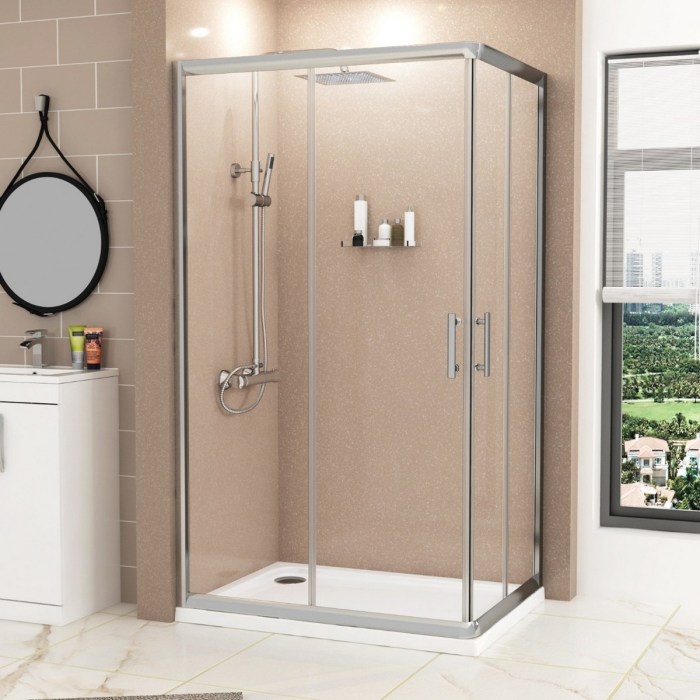
Walk in shower cost – Walk-in shower cost can vary significantly, influenced by many factors. From the materials used to the complexity of the design, understanding the elements that contribute to the overall price is key to planning your project effectively. This guide dives deep into the factors affecting walk-in shower costs, helping you make informed decisions and stay within budget.
We’ll explore different shower types, regional variations in pricing, and detailed breakdowns of installation costs. We’ll also provide practical strategies for saving money without compromising quality, empowering you to create the perfect walk-in shower for your home.
Walk-in Shower Cost Factors
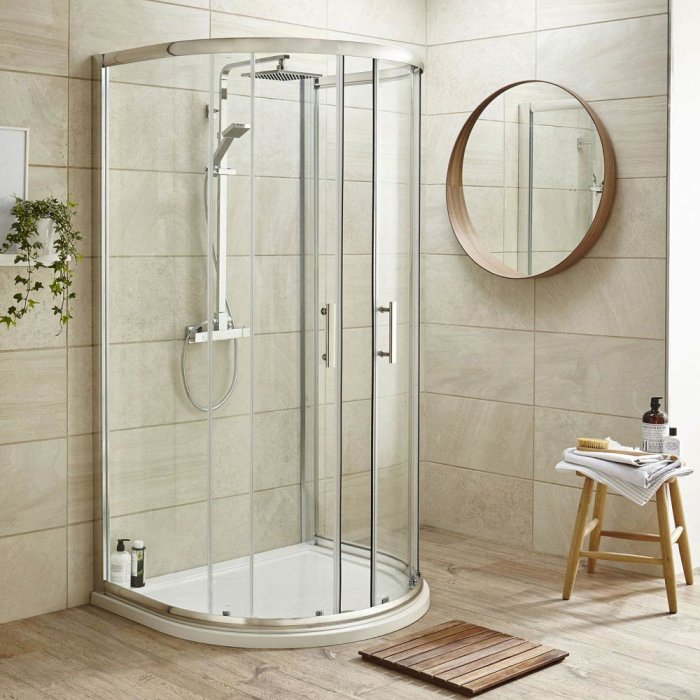
Transforming your bathroom into a luxurious and functional space often involves significant investment. A walk-in shower, with its enhanced accessibility and design flexibility, can be a considerable addition to your home improvement project. Understanding the factors that contribute to the overall cost is crucial for effective budgeting and making informed decisions.
Material Costs
The type of material used for the shower walls, floor, and enclosure significantly influences the final price. Different materials offer varying levels of durability, aesthetics, and maintenance requirements, leading to fluctuations in cost. High-quality materials, such as premium glass or meticulously crafted tile, naturally command a higher price tag compared to more basic options. This disparity in price reflects the craftsmanship, manufacturing processes, and the overall lifespan of the material.
| Factor | Description | Impact on Cost |
|---|---|---|
| Glass | Tempered glass panels offer a modern, sleek look. | Costs vary based on thickness, type (e.g., clear, frosted), and customization. High-end glass and custom sizes increase the cost. |
| Acrylic | Durable and easy to maintain, acrylic offers a range of colors and styles. | Generally less expensive than glass or tile, but may require more frequent maintenance. |
| Tile | Tile provides a timeless aesthetic and is highly durable. | Costs depend on the type of tile (e.g., porcelain, ceramic), size, and the complexity of the design. Intricate tile patterns and custom sizes can dramatically increase costs. |
| Hardware | Handles, shower heads, and other accessories affect the final price. | Higher-end brands and features contribute to a more substantial cost. |
Labor Costs
The installation process plays a pivotal role in determining the overall project cost. The complexity of the installation, including the intricacies of the design and the required labor hours, significantly impacts the final price. Professional installation ensures the shower functions correctly, adheres to building codes, and extends its longevity. This attention to detail and expertise contributes to a higher labor cost.
| Factor | Description | Impact on Cost |
|---|---|---|
| Installation Complexity | The intricacy of the shower’s design and layout, including custom features. | More complex designs demand more skilled labor and specialized tools, resulting in increased costs. |
| Labor Hours | The time required to complete the installation, considering the size and complexity. | Longer installation times necessitate more labor hours, leading to higher costs. |
| Permitting and Inspections | Obtaining necessary permits and inspections adds to the project’s timeline and costs. | Depending on local regulations, these processes can impact the overall project cost. |
Design Complexity
The complexity of the design significantly influences the cost of a walk-in shower. Factors such as custom layouts, unique features, and intricate details can dramatically increase the overall price. A simple design typically involves fewer materials and labor hours, whereas a more elaborate design necessitates additional planning, materials, and labor.
| Factor | Description | Impact on Cost |
|---|---|---|
| Custom Features | Personalized features like niches, benches, or built-in seating. | Custom features require specialized design work and often involve additional materials and labor, increasing the cost. |
| Shower Enclosure Type | Different enclosure types (e.g., frameless glass, framed acrylic) have varying costs. | Frameless glass enclosures, often preferred for their aesthetic appeal, typically have higher costs due to the intricate fabrication and installation. |
| Size and Dimensions | The dimensions of the shower area influence material and labor costs. | Larger showers require more materials and labor, resulting in higher costs. |
Size and Dimensions
The size and dimensions of the walk-in shower directly impact its cost. Larger showers necessitate more materials, including more tiles, glass panels, or acrylic sheets, and increase the labor required for installation. The cost often scales proportionally with the shower’s size.
Comparison to Traditional Showers
The cost of installing a walk-in shower often exceeds that of a traditional shower, particularly when custom features are incorporated. Walk-in showers generally require more materials and labor due to their design complexity and increased size. The added convenience and accessibility often justify the higher cost for many homeowners.
Cost Breakdown by Region
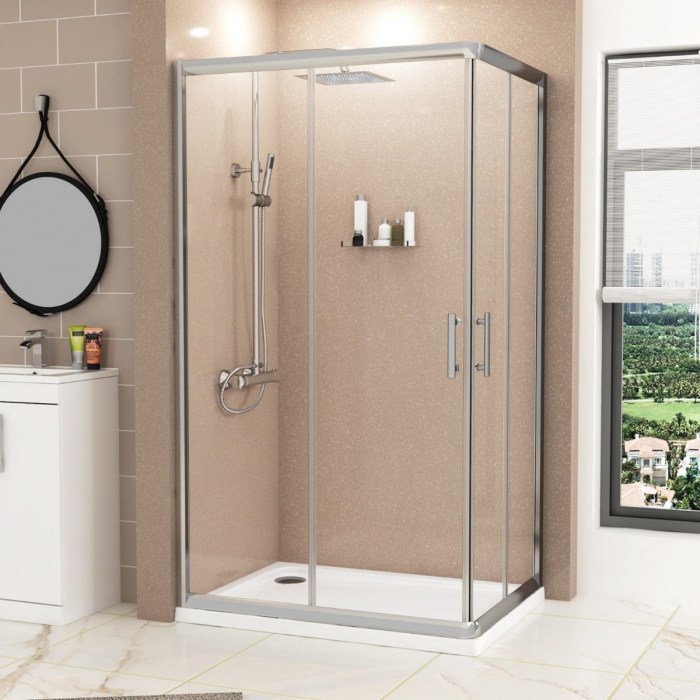
Walk-in shower installations, while offering a luxurious and accessible bathing experience, aren’t a one-size-fits-all proposition. The price tag can vary significantly based on factors like labor rates, material costs, and regional demand. Understanding these regional differences is crucial for homeowners planning such a renovation.Regional variations in walk-in shower costs are substantial, influenced by a complex interplay of economic, geographical, and market-driven factors.
These variations necessitate a nuanced understanding of the forces at play, enabling homeowners to make informed decisions regarding budgets and project timelines.
Regional Cost Differences
Different parts of the world, or even within a country, have unique economic conditions impacting the cost of walk-in showers. These differences are driven by a multitude of factors, such as the local cost of labor, material availability, and the demand for such installations.
- Labor Costs: Higher labor rates in developed economies or areas with a shortage of skilled tradespeople directly translate into higher walk-in shower installation costs. For example, the Northeast US typically experiences higher labor costs compared to the Midwest, leading to price differences in similar projects.
- Material Costs: Variations in the cost of materials like tile, glass, and hardware can influence the final price. Availability and transportation costs can also play a role. For instance, regions with readily available natural stone might see lower material costs for showers incorporating this material compared to areas where it needs to be imported.
- Demand and Competition: Areas with high demand for walk-in shower installations might see increased competition among contractors, potentially driving up prices. Conversely, lower demand areas might result in more competitive pricing.
Average Costs in Different Regions
The following table provides a simplified illustration of average cost per square foot for walk-in showers in various regions. It’s important to note that these are estimates and actual costs can fluctuate significantly based on specific project details.
| Region | Average Cost per sq ft | Factors |
|---|---|---|
| Northeast US | $150 | Higher labor costs, premium materials |
| Midwest US | $125 | Lower labor costs, readily available materials |
| Southeast US | $135 | Moderate labor costs, moderate material costs |
| California | $175 | High demand, skilled labor shortage |
| United Kingdom | £125 | Labor costs comparable to Midwest US, material costs varying based on region |
Note: Prices are approximate and may not reflect all possible variables impacting cost.
Types of Walk-in Showers and Their Costs
Walk-in showers offer a convenient and accessible bathing experience, but the cost can vary significantly depending on the features and design. This section explores the diverse types of walk-in showers and their associated price ranges, providing a clearer picture of the investment involved. Choosing the right style is crucial to ensure both functionality and budget alignment.Different walk-in shower designs cater to various needs and preferences.
Factors like space constraints, desired luxury, and accessibility considerations influence the selection process. Understanding the nuances of each type allows homeowners to make informed decisions that align with their specific requirements and budget.
Corner Walk-in Showers
Corner walk-in showers are a popular choice for smaller bathrooms. Their compact design maximizes space utilization, often fitting seamlessly into a corner alcove. The smaller footprint translates to lower material costs and potentially lower labor costs for installation. However, limited space might necessitate compromises on features or overall size.
Large Walk-in Showers
Large walk-in showers offer a luxurious bathing experience, providing ample room for movement and relaxation. These spacious designs can include multiple shower heads, rainfall shower systems, and integrated seating. The increased size and features contribute to a higher cost compared to smaller options. For example, a large walk-in shower with a built-in bench and multiple showerheads could cost significantly more than a standard corner model.
Walk-in Showers with Benches
Walk-in showers with benches enhance the usability and comfort of the shower experience. The addition of a bench provides a convenient place to rest or support oneself during showering, particularly beneficial for individuals with mobility concerns. This feature often comes with a corresponding increase in cost due to the extra material and labor required for installation.
Walk-in Showers with Additional Features
Beyond basic designs, various additional features can further customize a walk-in shower. Features like heated floors, multiple shower heads, aromatherapy diffusers, or built-in speakers add to the overall cost. For example, incorporating a heated floor into a walk-in shower significantly increases the price compared to a standard model without the feature. Similarly, adding a steam system to a walk-in shower will dramatically increase the overall cost.
Cost Comparison Table
| Shower Type | Description | Estimated Cost Range |
|---|---|---|
| Corner Walk-in Shower | Compact, often in a corner, basic features | $1,500-$4,000 |
| Large Walk-in Shower | Spacious design, multiple shower heads, potentially rainfall system | $3,000-$8,000+ |
| Walk-in Shower with Bench | Standard features with a built-in bench | $2,000-$5,000 |
| Walk-in Shower with Heated Floor | Standard features with an integrated heated floor | $2,500-$6,000+ |
Note: Prices are estimates and can vary significantly based on specific features, materials, and local labor costs. Always get multiple quotes from contractors before making a final decision.
Walk-in Shower Installation Costs: Walk In Shower Cost
Transforming your bathroom into a luxurious and accessible space often involves a walk-in shower. Understanding the factors influencing the installation cost is crucial for budgeting and making informed decisions. This section delves into the intricacies of walk-in shower installation costs, from basic materials to specialized features.
Components of Installation Costs
Installation costs for a walk-in shower encompass several key elements. Labor is a significant factor, as skilled plumbers and installers are needed for precise work and proper connections. Materials, including shower pans, walls, doors, and fixtures, vary widely in price depending on the chosen style and quality. Finally, permits are necessary in most jurisdictions, adding a bureaucratic layer to the project and associated costs.
Thinking about a walk-in shower remodel? The cost can vary wildly, depending on the materials and features. But, sometimes, saving money on home improvement projects can be surprisingly simple. Like finding a gardening trick for bigger harvest, which can boost your yield dramatically. gardening trick for bigger harvest might even inspire you to get creative with your shower design.
Ultimately, understanding the factors affecting walk-in shower cost is key to staying within budget.
Impact of Additional Features
The inclusion of extra features can significantly alter the overall installation cost. Features like heated floors, massage jets, and advanced showerheads all require specialized materials and installation expertise. Heated floors, for example, necessitate additional plumbing and electrical work, increasing the complexity and cost. Similarly, massage jets require intricate plumbing connections and often come with higher material prices, adding to the installation budget.
Consider the value proposition of each feature against its cost.
Average Labor Rates
Average labor rates for walk-in shower installations vary geographically. Regional differences in labor costs and demand for specialized services play a significant role in the final price. In some regions, labor costs may be higher due to the higher demand for skilled labor or stricter regulations. It is essential to get quotes from local contractors to obtain accurate estimates for your area.
The labor cost often represents a considerable portion of the overall installation budget.
Thinking about a walk-in shower remodel? Costs can vary widely depending on materials and features. But, if you’re like me, sometimes the unexpected pops up. For example, my Christmas tree suddenly stopped drinking water, which could be a problem if you’re not sure why isn’t my Christmas tree drinking water. Knowing these issues can actually save you money in the long run, as it’ll help you avoid costly mistakes with a walk-in shower installation.
Hopefully, a little DIY detective work will save you a headache and your wallet!
Installation Process and Cost Breakdown
The walk-in shower installation process typically involves several steps, each with its associated costs. A detailed breakdown of the process and its estimated costs is presented below.
| Installation Step | Description | Estimated Cost (Example) |
|---|---|---|
| Demolition | Removing the old shower enclosure, including tile, fixtures, and plumbing | $500 – $1500 |
| Plumbing | Connecting the new shower drain, water supply lines, and any specialized features like heated floors or massage jets | $800 – $2000 |
| Framing/Structure | Constructing the framework for the shower pan and walls | $400 – $1200 |
| Shower Pan Installation | Installing the shower pan, ensuring proper drainage and waterproofing | $600 – $1800 |
| Wall and Door Installation | Installing the shower walls and door, considering the chosen material and style | $800 – $2500 |
| Grouting and Finishing | Grouting the tile, installing any additional accessories, and finalizing the shower | $200 – $600 |
| Permitting | Obtaining necessary permits and inspections | $100 – $300 |
Note: These are example costs and may vary greatly depending on the specific project, location, and materials used.
Budgeting for Walk-in Showers
Planning a walk-in shower remodel can be exciting, but it’s crucial to approach it with a clear budget in mind. A well-defined budget prevents costly surprises and ensures you stay within your financial goals while achieving the desired features and quality. This guide provides a structured approach to budgeting for your walk-in shower project, encompassing various options and potential savings strategies.A realistic walk-in shower budget takes into account all associated costs, from materials and labor to permits and potential unexpected expenses.
Careful planning and understanding the different factors influencing the cost are key to avoiding overspending and ensuring a successful project.
Thinking about a walk-in shower? Knowing the cost can be tricky, but it’s definitely a worthwhile investment. Before you dive into the budget, you might want to explore what you can safely put down your garbage disposal – a helpful resource is things you can put down your garbage disposal. Once you’ve got the disposal sorted, you can focus on the total walk-in shower cost, which depends on many factors like size, materials, and any extra features.
Walk-in Shower Budget Factors
Understanding the diverse components contributing to the overall cost is essential. This allows for a more precise and accurate estimation. Different materials, features, and labor rates influence the final cost.
- Materials: The type of tile, shower pan material (e.g., acrylic, epoxy, or pre-cast concrete), and fixtures (e.g., faucets, showerheads, and handles) significantly impact the cost. Higher-quality materials often come with a higher price tag, but they may offer enhanced durability and aesthetics. For example, using premium porcelain tile instead of ceramic tile will increase the cost, but the increased durability and elegant appearance may justify the expense for some.
- Labor Costs: Professional installation is crucial for a safe and properly functioning walk-in shower. Labor costs vary based on location, experience level of the contractor, and the complexity of the project. Experienced contractors and intricate design features typically lead to higher labor costs. For example, a contractor with specialized knowledge in installing complex shower pan systems may charge more than a general contractor.
- Permitting and Inspections: Depending on local building codes and regulations, obtaining permits and undergoing inspections might be necessary. These costs vary significantly based on local regulations and the scope of the project.
- Additional Features: Features like heated floors, multiple showerheads, or customized layouts can significantly impact the overall budget. Consider the cost implications of these added features carefully to ensure they align with your budget.
- Unexpected Expenses: Always allocate a contingency fund for unforeseen circumstances. Issues like material shortages, design adjustments, or unforeseen damage during installation can arise. This contingency should be a portion of the total budget, accounting for potential surprises during the project.
Creating a Realistic Budget
Developing a realistic budget involves a detailed assessment of the project’s scope. This comprehensive approach allows for a more accurate estimation of costs.
- Detailed Material List: Compile a comprehensive list of all materials required for the project. This includes tile, grout, shower pan, fixtures, and any other necessary components. Use this list to research pricing from various suppliers and compare options to find the most cost-effective solutions.
- Contractor Quotes: Seek quotes from multiple contractors. Compare their experience, expertise, and proposed methods. Contractors should be able to break down their costs for different aspects of the project, such as materials, labor, and any additional fees.
- Permitting Costs: Research and estimate the costs associated with obtaining necessary permits and inspections. This can vary based on local regulations and the project’s complexity.
- Contingency Fund: Allocate a specific amount for unforeseen expenses. A 10% contingency is often a good starting point. This will cover unexpected issues that might arise during the installation process.
Example Budget Breakdown
This example provides a practical illustration of a walk-in shower budget.
| Category | Estimated Cost |
|---|---|
| Materials | $2,500 |
| Labor | $3,000 |
| Permitting | $200 |
| Contingency | $500 |
| Total | $6,200 |
This example demonstrates a basic breakdown. Remember to tailor this example to your specific project needs and local costs. Real-life costs can vary greatly depending on the complexity of the project and the chosen materials.
Cost-Saving Strategies
Transforming your bathroom into a luxurious walk-in shower doesn’t have to break the bank. Smart planning and strategic choices can significantly reduce the overall cost without compromising quality or functionality. This section details various methods to trim expenses, enabling you to enjoy a beautiful, accessible shower without exceeding your budget.A crucial aspect of any renovation project is cost management.
Careful planning, intelligent material selection, and skillful negotiation with contractors are key to keeping the project within budget. Understanding these strategies allows you to make informed decisions that lead to a satisfying and affordable walk-in shower installation.
Negotiating with Contractors
Negotiation is a vital tool for reducing costs. Building rapport and demonstrating a clear understanding of the project’s scope helps establish a collaborative environment. Communicating your budget beforehand allows contractors to tailor their proposals to fit your needs. Be prepared to discuss alternative materials or installation methods that align with your price range.
Choosing Affordable Materials, Walk in shower cost
Many high-quality materials exist at varying price points. Consider alternatives like using slightly less expensive but still durable tiles, or opting for composite materials instead of solid surfaces. Discussing options with your contractor can lead to a more affordable installation without sacrificing the shower’s longevity or aesthetic appeal.
- Tile Selection: Explore less expensive tile options, like porcelain or ceramic tile in standard sizes, without sacrificing quality. Consider a smaller tile size or a different color or pattern. Pre-existing tiles in your home can also be repurposed, lowering the material cost significantly.
- Plumbing Fixtures: High-end plumbing fixtures are often unnecessary. Choosing reputable brands with standard features can deliver the desired functionality without an exorbitant price tag.
- Shower Doors/Enclosures: While attractive, frameless glass doors can be more expensive than framed ones. Frameless doors with tempered glass provide a modern look, and while more costly, they can add significant value. For cost-effectiveness, explore options with framed enclosures, which are often more affordable.
Reducing Installation Costs
Streamlining the installation process can lead to significant savings. Consider installing simpler plumbing fixtures and avoiding elaborate decorative elements. Working with a contractor who offers competitive pricing and efficient installation techniques can help reduce the overall project cost.
- DIY Tasks: If comfortable, consider undertaking some DIY tasks, such as basic tiling or plumbing work. This approach reduces labor costs.
- Pre-Planning: Thorough pre-planning, including accurate measurements and a detailed material list, reduces errors during the installation process, saving time and money.
- Material Sourcing: Shopping around for materials from different suppliers and online retailers can often lead to significant cost savings.
Budgeting for Walk-in Showers
Budgeting effectively is crucial for managing expenses. Create a detailed budget that accounts for materials, labor, permits, and any unforeseen costs. Establishing a realistic budget early on allows you to make informed decisions about materials and installation methods, preventing surprises and overspending. Tracking expenses throughout the project is vital for staying within budget.
Conclusion
In conclusion, understanding the factors that influence walk-in shower costs is crucial for a successful project. By considering material choices, design complexity, regional variations, and installation specifics, you can create a realistic budget and achieve your desired outcome. This guide has provided a comprehensive overview, enabling you to make well-informed decisions and enjoy your new walk-in shower for years to come.