

Upgrade tiny bathroom on a budget is a realistic goal, and this guide will show you how. From planning and design to choosing fixtures and space-saving solutions, we’ll explore every aspect of a successful tiny bathroom remodel without breaking the bank. Learn how to maximize your space, stay within your budget, and achieve your dream bathroom, no matter how small.
This comprehensive guide will equip you with the knowledge and strategies to transform your tiny bathroom into a functional and stylish oasis. We’ll cover everything from meticulous planning and budgeting to practical DIY tips and expert advice. Whether you’re a seasoned DIY enthusiast or a complete beginner, this guide has something for you.
Planning & Design
Turning a tiny bathroom into a functional and stylish space on a budget requires careful planning and smart design choices. It’s all about maximizing every inch and choosing the right materials and fixtures to achieve a spa-like experience, even in a small space. This involves understanding the essential elements, exploring layout options, and sticking to a realistic budget. With a bit of creativity and research, you can create a bathroom that’s both beautiful and practical.The key to a successful tiny bathroom upgrade is a well-defined plan.
This involves understanding the current layout, identifying areas for improvement, and choosing design elements that work with the space’s limitations. It’s about finding the perfect balance between aesthetics and functionality within the constraints of a tight budget.
Step-by-Step Planning Procedure
A structured approach to planning is essential for a successful tiny bathroom renovation. Begin by thoroughly measuring the space, noting existing plumbing and electrical installations, and identifying any structural limitations. This baseline information will guide your design choices. Next, create a mood board to visualize the desired aesthetic, including colors, materials, and fixtures. This helps in maintaining consistency and a cohesive look throughout the renovation.
Prioritize essential elements like a functional shower or bathtub, and consider space-saving solutions. Finally, create a detailed budget, outlining costs for materials, labor (if applicable), and any permits.
Essential Elements for Redesign
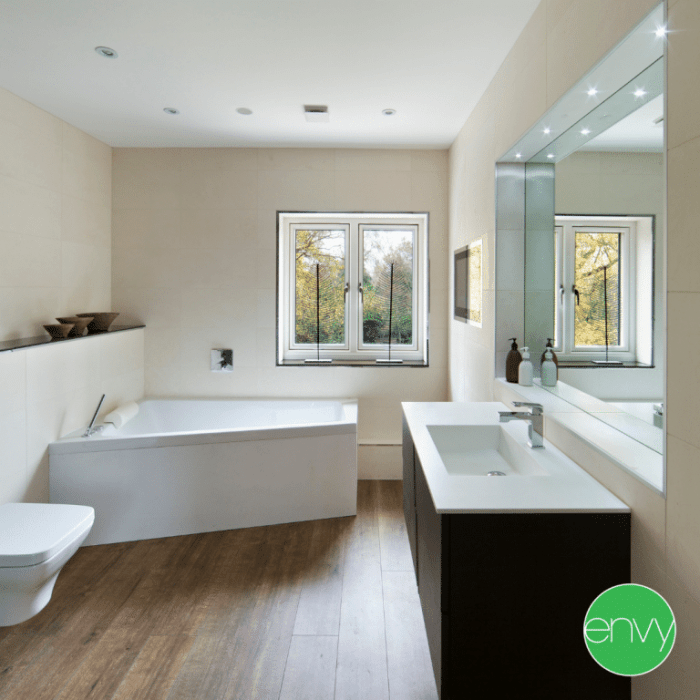
Designing a tiny bathroom requires focusing on essential elements that provide both comfort and functionality. Key considerations include a well-designed vanity, adequate storage solutions, and a space-efficient shower or tub. A thoughtfully planned layout will create a comfortable and practical space, avoiding a cramped or cluttered feeling. Lighting plays a crucial role, as well, in visually expanding the space.
Consider incorporating mirrors to reflect light and create an illusion of more space.
Design Ideas for Maximizing Space
In a small bathroom, every inch counts. Use space-saving fixtures, such as a compact toilet or a shower/tub combination. Consider a wall-mounted sink or a floating vanity to free up floor space and create a more airy feel. Utilizing vertical space with tall cabinets and shelving maximizes storage without sacrificing floor area. Clever use of mirrors can also dramatically expand the perceived size of the room.
Consider using light colors on walls and floors to create a sense of spaciousness.
Bathroom Layout Options for Small Spaces
Different layouts cater to different needs and preferences in a small bathroom. A common layout is the single-sink vanity with a compact shower or tub, which is ideal for smaller spaces. Another option is a corner shower or tub setup, which utilizes otherwise unused space. For maximizing space, a combination of a shower and a bathtub can be considered.
The specific layout chosen should align with the bathroom’s size, functionality needs, and personal preferences.
Accessibility Design Considerations
Ensuring accessibility is crucial for creating a universally designed tiny bathroom. Consider features such as grab bars near the shower and toilet, a low-profile toilet, and a wider doorway for easy wheelchair access. Leveraging the right materials and features ensures the bathroom is accessible for everyone. Consider ramps, handrails, and adjustable shower heads.
Budget Breakdown Template
| Category | Estimated Cost |
|---|---|
| Materials (tiles, fixtures, etc.) | $XXX |
| Labor (if applicable) | $XXX |
| Plumbing and Electrical | $XXX |
| Permitting (if required) | $XXX |
| Cleaning and Disposal | $XXX |
| Contingency | $XXX |
| Total Estimated Cost | $XXX |
This template provides a framework for tracking expenses throughout the renovation process. Specific costs will vary based on the chosen materials, labor rates, and local regulations. Adjust the template based on your specific needs.
Budgeting & Materials: Upgrade Tiny Bathroom On A Budget
Transforming a tiny bathroom on a budget requires careful planning and resourcefulness. This stage involves choosing the right materials, securing deals, and meticulously tracking expenses. Effective budgeting not only keeps costs in check but also ensures a smooth and successful project execution. It’s crucial to remember that a well-planned budget allows you to make informed decisions, stay within your limits, and ultimately achieve your vision for a renovated space.A detailed budget plan serves as a roadmap, guiding you through the entire process.
This plan should account for all anticipated expenses, from demolition and new fixtures to labor and finishing touches. By visualizing your project from start to finish, you can anticipate potential costs and prepare for unexpected challenges.
Saving Money on Bathroom Materials
Saving money on materials is crucial for a budget-friendly bathroom remodel. Consider buying in bulk, negotiating prices, and exploring alternative materials. Retailers often offer discounts for large purchases, and suppliers are often willing to negotiate prices if you’re buying a significant quantity. Exploring alternative materials like reclaimed wood or salvaged fixtures can dramatically reduce costs while adding a unique character to your space.
Cost-Effective Alternatives for Fixtures
Replacing fixtures doesn’t always mean buying brand new. Consider purchasing used or refurbished options. Online marketplaces and local home improvement stores often have used fixtures available at significantly reduced prices. These options can offer a unique aesthetic, especially if you are looking for something vintage or unusual. Another alternative is to upgrade existing fixtures with new components, such as handles or faucets.
This approach can offer significant savings while updating the look of the space.
Budget-Friendly Materials for a Tiny Bathroom Remodel
Choosing budget-friendly materials is essential for staying within a tight budget. Consider using affordable tiles, such as ceramic or porcelain, for the walls and floors. These materials are durable and easy to maintain, making them a good choice for tiny bathrooms. Consider using laminate countertops for their affordability and variety of colors and patterns. Repurposing materials, such as using reclaimed wood for shelving or storage, is another cost-effective solution that adds character to your space.
Importance of a Detailed Budget Plan
A detailed budget plan is critical for managing costs effectively. It allows you to anticipate and manage potential expenses. A clear breakdown of projected costs, including materials, labor, and permits, helps you avoid overspending. Creating a detailed budget plan also allows for adjustments based on unexpected costs or changes in materials. This plan ensures a smooth and controlled execution of the project, from start to finish.
Negotiating Prices with Contractors or Suppliers
Negotiating prices with contractors and suppliers is a key strategy for cost savings. Be prepared to present your budget and discuss your needs. A willingness to be flexible can often lead to better deals. Contacting multiple contractors and suppliers can help you compare prices and identify the best options. Being prepared to discuss your budget and timelines beforehand often leads to more favorable negotiation outcomes.
Finding Good Deals on Used or Refurbished Fixtures
Used or refurbished fixtures can be a fantastic way to save money. Online marketplaces and local home improvement stores are great places to look for these items. Carefully inspect any used fixtures to ensure they are in good working condition and free of damage. This approach can lead to substantial cost savings, providing an opportunity to find unique and stylish fixtures for your tiny bathroom.
DIY vs. Hiring a Contractor
Tiny bathrooms often require careful consideration when upgrading. Deciding whether to tackle the project yourself or hire a contractor is a crucial first step. This decision hinges on your skill level, available time, budget, and the scope of the renovation.Weighing the pros and cons of each approach will help you make an informed choice. A DIY project can be incredibly rewarding, allowing you to personalize the space and save money.
However, mistakes can be costly and time-consuming. Conversely, hiring a professional ensures a quality result, but it will inevitably increase the overall project cost.
DIY Renovation Skills and Tools
A successful DIY renovation requires specific skills and tools. Basic carpentry skills, plumbing knowledge, and electrical know-how are often necessary, depending on the scope of the project. If you lack confidence in any of these areas, it’s best to consult with a professional. Essential tools for a tiny bathroom renovation include a saw, drill, measuring tape, level, and safety equipment.
Acquiring these tools might seem like an initial investment, but the long-term savings can be substantial.
DIY Projects for Cost Savings
Many DIY projects can significantly reduce the cost of a tiny bathroom renovation. Retiling the floor, replacing fixtures, or painting the walls are excellent examples. Choosing budget-friendly materials such as laminate or budget-friendly tile can drastically cut costs. Replacing faucets, showerheads, or even the toilet can often be completed without professional assistance.
Giving your tiny bathroom a stylish upgrade on a budget is totally doable! Think about incorporating some feng shui principles into your design, like strategically placing mirrors for a sense of spaciousness. For some amazing ideas on feng shui bedroom layout ideas, check out this resource: feng shui bedroom layout ideas. Even small changes in your bathroom’s design can boost the overall vibe and create a more relaxing space.
Ultimately, focusing on a few key elements can really transform your tiny bathroom without breaking the bank.
Reducing DIY Renovation Risks
Minimizing risks in a DIY bathroom renovation is crucial. Thorough planning and preparation are essential. Detailed measurements and sketches help prevent costly errors. Ensuring that all materials are properly acquired and stored beforehand is also important. Following instructions carefully and using appropriate safety measures, such as using gloves and eye protection, will also mitigate the risk of accidents.
Having a friend or family member present during the project can provide assistance and a second set of eyes.
Finding a Qualified Contractor
Finding a qualified contractor for a small bathroom remodel involves careful research. Requesting referrals from friends, family, or neighbors can provide valuable insights. Checking online reviews and verifying licenses and insurance are crucial steps. A good contractor will have experience with small bathroom renovations and will be able to provide a detailed quote.
Pitfalls of Hiring an Unqualified Contractor
Hiring an unqualified contractor for a bathroom remodel can lead to several potential pitfalls. Poor workmanship, hidden costs, and disputes over the scope of work are all possible consequences. Always verify a contractor’s credentials and get multiple quotes before making a decision. A reputable contractor will provide a clear contract outlining the project’s details, timelines, and payment schedule.
Choosing Fixtures & Finishes
Transforming a tiny bathroom on a budget requires strategic choices for fixtures and finishes. Careful consideration of space-saving designs, cost-effective options, and aesthetic considerations are crucial for maximizing both functionality and visual appeal in a limited space. The right selections can significantly impact the overall feel and perceived size of the room.Space optimization is paramount in a tiny bathroom.
Selecting fixtures that minimize footprint and maximize storage can dramatically improve the feel of spaciousness. This often means choosing compact models and incorporating smart storage solutions. Finding the right balance between practicality and visual appeal is key to achieving a successful upgrade.
Space-Saving Fixtures
Choosing fixtures designed for small spaces is essential. Compact vanities with integrated storage are excellent options. Look for pedestal sinks instead of traditional vanities to free up floor space. A corner shower or a shower/tub combination can save valuable square footage.
Cost-Effective Shower Enclosures
Budget-conscious homeowners should explore alternative shower enclosures. Glass shower doors, often less expensive than traditional shower stalls, offer a contemporary look. Consider a frameless design to maximize the visual perception of space. A simple shower curtain, while more budget-friendly, can also be a viable option, but it might not offer the same level of water containment as a shower stall.
Additionally, consider the durability of the materials and the ease of cleaning for the longevity of your choice.
Toilet Options for Small Bathrooms
Several toilet options suit a small bathroom. A low-profile elongated toilet, for example, may save space without compromising comfort. Tankless toilets, though slightly more expensive, are an excellent space-saving alternative due to their compact design. Consider the water-saving features, as this can reduce long-term water bills.
Budget-Friendly Tile Options
Budget-friendly tile options for a small bathroom abound. Smaller tiles can create an illusion of spaciousness. Consider using light-colored tiles, which can reflect light and make the room feel brighter and larger. Using a single-color tile in a large format can create a more unified look, while different tiles can offer a more visually interesting, yet budget-friendly alternative.
Impact of Paint Colors and Finishes
Paint colors and finishes significantly impact the perceived size of a tiny bathroom. Light colors, such as whites, pastels, and light grays, reflect light, making the space feel larger and brighter. Matte finishes can also help to create a sense of calm and spaciousness, while gloss finishes can highlight architectural details.
Lighting Fixtures for Enhanced Ambiance
Selecting the right lighting fixtures can significantly enhance the ambiance of a small bathroom. Recessed lighting, strategically placed, can provide ambient illumination without taking up valuable floor space. Consider incorporating LED strip lights under vanities or shelves to add a touch of modern flair. Mirrors with built-in lighting can significantly boost the overall brightness and create a more welcoming atmosphere.
Proper lighting is important to create a functional and visually appealing space.
Space-Saving Solutions
Turning a cramped bathroom into a functional and stylish space requires innovative thinking. Clever design choices and strategic placement of fixtures and furniture can dramatically alter the feel of a small bathroom, making it feel larger and more inviting. This section delves into practical space-saving solutions, from maximizing storage to using mirrors strategically.Maximizing space in a tiny bathroom involves a multifaceted approach, focusing on clever storage solutions, strategic layout, and the effective use of design elements.
This section details innovative ideas to achieve this goal, ensuring both functionality and aesthetics are prioritized.
Innovative Ideas for Maximizing Space, Upgrade tiny bathroom on a budget
Small bathrooms often necessitate a shift in perspective, moving away from traditional layouts to accommodate the limited space. Creative solutions are key to maximizing functionality and creating a visually appealing environment. Innovative ideas include using vertical space, incorporating multi-functional furniture, and carefully considering the placement of fixtures and storage.
- Vertical Storage: Utilizing wall-mounted shelves, tall cabinets, and over-the-door organizers maximizes vertical space, freeing up valuable floor area. This is particularly useful for storing toiletries, towels, and cleaning supplies.
- Multi-Functional Furniture: A vanity with built-in storage, a shower with a built-in bench, or a folding mirror can save space while providing necessary functionality. This approach effectively combines aesthetics with practicality.
- Compact Fixtures: Selecting smaller, more compact fixtures like a pedestal sink, a shower with a smaller footprint, and a low-profile toilet can significantly increase the usable space within the bathroom.
- Clever Layout Adjustments: Rearranging the layout to optimize the flow and placement of fixtures, such as repositioning the toilet or moving the sink, can make a significant difference in perceived space. This often involves a bit of creative problem-solving to fit the necessary elements into the available space.
Incorporating Storage Solutions
Effective storage solutions are essential in a small bathroom. Careful planning and strategic placement are crucial for keeping the space organized and uncluttered. This includes utilizing every available nook and cranny.
- Wall-Mounted Cabinets: These provide significant storage without taking up floor space. They are particularly effective for storing towels, toiletries, and cleaning products, keeping the bathroom tidy and organized.
- Under-Sink Organizers: These provide additional storage space within the limited space under the sink. They can be used to organize toiletries, cleaning supplies, and other bathroom essentials.
- Over-the-Door Organizers: These are excellent for storing smaller items like cotton balls, makeup brushes, and other bathroom accessories, maximizing the use of otherwise unused wall space.
- Floating Shelves: These are a great way to add storage and display items while maintaining a clean and uncluttered look. They offer flexibility in terms of placement and can be used to showcase decorative items or keep essentials organized.
Layout Plan for a Tiny Bathroom
A well-designed layout is key to maximizing the effectiveness of a tiny bathroom. The arrangement of fixtures and storage units directly impacts the feel and functionality of the space.
- Strategic Placement of Fixtures: The placement of the sink, toilet, and shower/tub should consider the flow and usage patterns within the bathroom. Optimizing this arrangement maximizes the usable space and promotes a sense of spaciousness.
- Maximizing Vertical Space: Using tall cabinets and wall-mounted shelves allows for efficient storage and keeps the bathroom tidy, making the most of the available height.
- Utilizing Corners: Corners are often overlooked, but they can provide valuable storage space. Corner cabinets or shelves can be utilized to store items and keep the space organized.
Using Mirrors Effectively
Mirrors are powerful design tools in small spaces. They can visually expand the perception of space and brighten up a room.
Upgrading a tiny bathroom on a budget can be tricky, but totally doable! It’s all about smart choices and maximizing space. Thinking about holiday party disasters like sticky floors or overflowing trash cans? Hosts dread those, and honestly, they’re a real mood killer! Check out this list of holiday party icks hosts never want to see here.
Luckily, those problems are easily avoided, and the same can be said for a bathroom makeover! A few clever upgrades can make a tiny bathroom feel spacious and luxurious, without breaking the bank.
- Large Mirrors: Large mirrors placed strategically can reflect light and create the illusion of a larger space. They should be positioned to reflect natural light or light sources.
- Mirrors with Storage: Mirrors that incorporate storage are excellent for maximizing both functionality and visual appeal.
- Mirror Placement: Position mirrors opposite windows or light sources to maximize the reflection of light, making the bathroom feel brighter and larger.
Benefits of Multifunctional Furniture
Multifunctional furniture pieces are essential for small bathrooms. They combine multiple functions into a single unit, maximizing storage and saving valuable space.
- Space Saving: Multifunctional furniture allows you to have more storage and functionality within the same footprint, reducing the need for multiple pieces of furniture.
- Organized Storage: The integrated storage options within multifunctional furniture help keep the bathroom organized and clutter-free.
- Enhanced Aesthetics: Well-designed multifunctional furniture can enhance the visual appeal of a small bathroom by combining style and functionality.
Comparison of Storage Solutions
A comparison of storage solutions highlights the advantages and disadvantages of each approach, helping you make informed decisions for your tiny bathroom.
Upgrading a tiny bathroom on a budget can be tricky, but surprisingly fun! I’ve been browsing some great DIY ideas, and honestly, some of the most creative solutions I’ve seen involve repurposing items. Thinking outside the box, like those super popular viral Christmas glasses lookalikes viral christmas glasses lookalikes , can spark fresh decorating ideas for your bathroom, too.
Plus, the amazing visual impact of these clever little finds can really make a tiny space feel bigger and more luxurious, which is perfect for a budget-friendly bathroom upgrade.
| Storage Solution | Advantages | Disadvantages |
|---|---|---|
| Wall-mounted cabinets | Saves floor space, maximizes vertical space, visually appealing | May not be suitable for bulky items, requires careful planning for weight distribution |
| Under-sink organizers | Easy to access, keeps items organized | Limited storage capacity, may not be suitable for large items |
| Over-the-door organizers | Affordable, easy to install, compact | Limited storage capacity, may not be suitable for bulky items |
| Floating shelves | Visually appealing, easy to install, versatile | May not be suitable for heavy items, may require careful planning for weight distribution |
Tips for Success
Renovating a tiny bathroom on a budget requires careful planning and execution. Success hinges on staying organized, managing time effectively, and anticipating potential obstacles. This section provides practical strategies to ensure your project is completed efficiently and within your financial constraints.Staying on track during a renovation involves proactive measures, including meticulous budgeting, realistic timelines, and a contingency plan for unforeseen issues.
By anticipating potential challenges and having backup strategies, you can navigate the process with greater confidence and minimize the risk of delays or cost overruns.
Budget Management Strategies
Effective budget management is crucial for any renovation, especially in a tiny bathroom. A detailed budget, encompassing all materials, labor (if applicable), and unexpected expenses, is essential. Create a spreadsheet or use dedicated budgeting software to track your spending meticulously. Consider using a percentage-based budget allocation. For example, 60% for fixtures and materials, 30% for labor, and 10% for unforeseen expenses.
This helps maintain control over your spending and avoids surprises.
Time Management Techniques
Time management is equally critical. Break down the renovation into smaller, manageable tasks. Create a project timeline, setting realistic deadlines for each stage, from demolition to finishing touches. Prioritize tasks based on their impact on the overall project. For example, plumbing installations should be scheduled before tiling to avoid complications.
Planning for Potential Challenges
Anticipating challenges is vital for a smooth renovation. Research potential issues specific to your chosen materials and tasks. For example, if using a particular type of tile, research potential installation problems or if working with plumbing, be prepared for any unforeseen leaks. This proactive approach helps to address challenges as they arise, preventing costly delays or rework.
Avoiding Common Mistakes
Avoid purchasing materials before creating a detailed shopping list and checking prices from multiple sources. Overlooking small details, such as adequate ventilation in a tiny bathroom, can lead to bigger problems. This includes carefully checking material specifications, such as water resistance and durability, to ensure they are suitable for a bathroom environment. Another common mistake is not accounting for potential delays in material delivery.
Maintaining Motivation
Maintaining motivation throughout the process is essential. Visualize the final result and celebrate small victories. Reward yourself after completing significant milestones, such as installing new fixtures or tiling the floor. This will keep your enthusiasm high and prevent burnout.
Taking Breaks and Celebrating Small Wins
Taking regular breaks and acknowledging your accomplishments is vital for maintaining motivation. Schedule short breaks throughout the day to prevent fatigue and frustration. Celebrate each milestone, no matter how small. A completed section of the project, a successful plumbing connection, or a flawlessly installed fixture should be acknowledged. These small wins build momentum and reinforce the positive aspects of the renovation.
Ultimate Conclusion
In conclusion, upgrading a tiny bathroom on a budget is achievable with careful planning, smart choices, and a dash of creativity. By following the steps Artikeld in this guide, you can create a beautiful and functional space that meets your needs and exceeds your expectations. Remember, a well-designed tiny bathroom can be a sanctuary, even on a budget.