



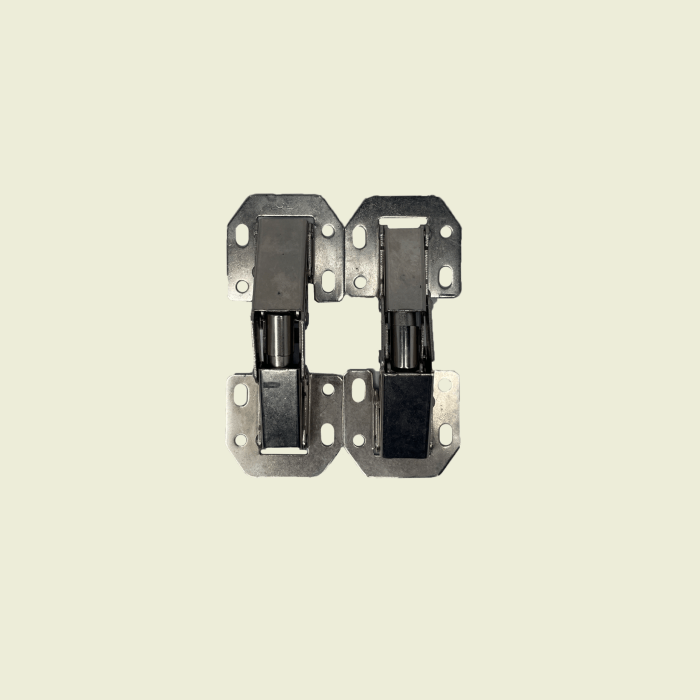
Types of cabinet hinges are crucial for any kitchen or home project. They’re the unsung heroes of organization, quietly holding your shelves and drawers together. Understanding the different types—from simple to sophisticated—is key to creating cabinets that are both functional and aesthetically pleasing. This guide dives deep into the various hinge mechanisms, styles, materials, and installation considerations to help you make the best choice for your needs.
From traditional designs to modern marvels, this comprehensive guide explores the evolution of cabinet hinge technology. We’ll examine the advantages and disadvantages of different types, helping you understand how each one performs, and what kind of look they contribute to your cabinets. Whether you’re a seasoned DIYer or a first-time renovator, this guide will arm you with the knowledge to choose the perfect hinge for your project.
Introduction to Cabinet Hinges
Cabinet hinges are the unsung heroes of kitchen and home organization. They silently and reliably allow cabinets to open and close, providing convenient access to storage and contributing significantly to the functionality and aesthetic appeal of any space. Without proper hinges, cabinets would be cumbersome and difficult to use, potentially impacting overall usability and storage efficiency. Their importance extends beyond mere functionality; hinges contribute to the overall design and ambiance of a kitchen or home.Cabinet hinges come in a wide variety of types, each designed for specific applications and requirements.
These differences in design translate into varying levels of functionality, durability, and aesthetic integration. From simple, traditional designs to modern, high-performance options, the evolution of hinge technology reflects the continuous quest for enhanced convenience and design integration in our homes.
Types of Cabinet Hinges
Different cabinet hinge types are suited to various applications. Understanding these distinctions is crucial for selecting the appropriate hinge for a specific project or renovation. The correct hinge choice ensures seamless operation and a pleasing aesthetic.
- Overlay Hinges: These hinges are mounted flush with the cabinet face, creating a seamless look. They are widely used in contemporary cabinetry due to their clean aesthetic. Overlay hinges are available in various styles and configurations, catering to different design preferences. They are often chosen for their smooth operation and aesthetically pleasing appearance, making them popular for modern kitchens and bathroom vanities.
- Inset Hinges: These hinges are recessed into the cabinet face, providing a clean and modern look, especially in sleek, minimalist designs. They are ideal for creating a flush, clean aesthetic. Inset hinges allow for the cabinet doors to be installed flush with the cabinet frame, ensuring a seamless transition between the cabinet door and the cabinet frame. This integration often enhances the overall visual appeal.
- Full Overlay Hinges: These hinges allow the cabinet doors to completely cover the cabinet face, maximizing the useable space and creating a visually appealing presentation. They are a popular choice for kitchens and other areas where large cabinets are needed. This type of hinge provides excellent visibility into the cabinet interior and facilitates convenient access to stored items.
- Soft Close Hinges: These hinges feature a built-in mechanism that slows the door’s closing speed, preventing slamming and damage. They are highly recommended for high-traffic areas or homes with children or pets. The smooth, controlled closing action enhances both the aesthetic and functional aspects of the cabinets.
- Blum Hinges: These are renowned for their smooth operation, durability, and wide range of customization options. Blum hinges are a premium choice for those seeking superior quality and precision in their cabinet hardware. They provide a smooth, silent closing mechanism and are available in various finishes and styles to match diverse cabinetry designs.
Evolution of Cabinet Hinge Technology
Cabinet hinge technology has advanced significantly over time, improving both functionality and design. Early hinges were simple and often lacked the smooth operation and durability required for modern cabinetry. Modern hinges incorporate advanced mechanisms and materials to ensure superior performance and longevity. The evolution reflects a shift from basic functionality to aesthetic considerations, as well as a continuous improvement in the reliability and performance of cabinet hardware.
| Cabinet Hinge Type | Description |
|---|---|
| Mortise Hinges | Traditional hinges that are mounted within the cabinet frame and door. Often used in older homes and for custom cabinetry. |
| Butt Hinges | Common type of hinge that is mounted on the edge of the cabinet door and frame. Simple design, often used in standard cabinetry. |
| European Hinges | Modern hinges known for their smooth operation, often featuring soft-close mechanisms. |
| Offset Hinges | Hinges that allow the door to be set at an angle to the cabinet, providing more space behind the door. |
| Concealed Hinges | Hinges that are mounted so they are not visible when the door is closed, offering a modern aesthetic. |
Types of Hinge Mechanisms: Types Of Cabinet Hinges
Cabinet hinges are more than just simple fasteners; they dictate the functionality, aesthetics, and longevity of your cabinetry. Understanding the different hinge mechanisms is crucial for selecting the right option for your project. Choosing the right hinge mechanism impacts the overall look and feel of your cabinets, as well as their smooth and reliable operation.Different hinge types offer varying degrees of flexibility and adaptability.
This section delves into the various hinge mechanisms, highlighting their strengths and weaknesses, and offering insights into their application.
Overlay Hinges
Overlay hinges are a popular choice for their clean, modern aesthetic. They are mounted flush with the cabinet face, creating a seamless look. This mounting style often maximizes the usable space within the cabinet, especially for taller and wider cabinets. However, they can be more complex to install compared to other types of hinges.
- Pros: Sleek and modern appearance; often maximize cabinet interior space; versatile for various cabinet styles; good for use with laminate and solid-wood cabinets.
- Cons: Can be more challenging to install, especially for complex designs; might require additional cutting and adjustments for a perfect fit; less durable in cases of heavy use or if poorly installed.
Inset Hinges
Inset hinges are designed to be hidden behind the cabinet face, offering a more traditional, subtle aesthetic. The hinge’s mounting plate is completely recessed into the cabinet, making it a suitable option for older-style or traditional cabinets. The depth of the cabinet is considered when selecting this style.
- Pros: Traditional and timeless appearance; simple installation process; often preferred for solid wood cabinets; a good choice for achieving a more refined look; typically more affordable than other hinge types.
- Cons: Can be less aesthetically pleasing to modern tastes; might not be ideal for cabinets with limited depth; can create a visible gap between the cabinet and door.
Full Overlay Hinges
Full overlay hinges are a versatile option that perfectly aligns the cabinet door with the cabinet face. This allows for a more robust design, and provides a visual connection between the door and the frame. This type of hinge is well-suited for cabinets requiring significant door weight or heavy use.
- Pros: Stronger design compared to overlay hinges; visually appealing; often a better choice for high-traffic areas or heavy-duty use; excellent for cabinets where a more substantial and robust door is needed.
- Cons: Can take up more space in the cabinet interior; may be less suitable for thinner cabinet designs; installation can be more complex than inset hinges.
Materials and Durability
The materials used in hinge mechanisms significantly impact their durability and longevity. High-quality hinges often use stainless steel or zinc-plated steel for strength and corrosion resistance. These materials are more durable than other metals like aluminum, which may be more susceptible to rust and wear.
“The choice of materials in hinges directly affects their lifespan and resistance to wear and tear.”
Comparison Table
| Hinge Mechanism | Opening Angle | Load Capacity | Suitability |
|---|---|---|---|
| Overlay | 180° – 180° | Medium | Modern, laminate, solid wood |
| Inset | 180° – 180° | Low to Medium | Traditional, solid wood |
| Full Overlay | 180° – 180° | High | Heavy-duty, high-traffic areas |
Hinge Styles and Configurations
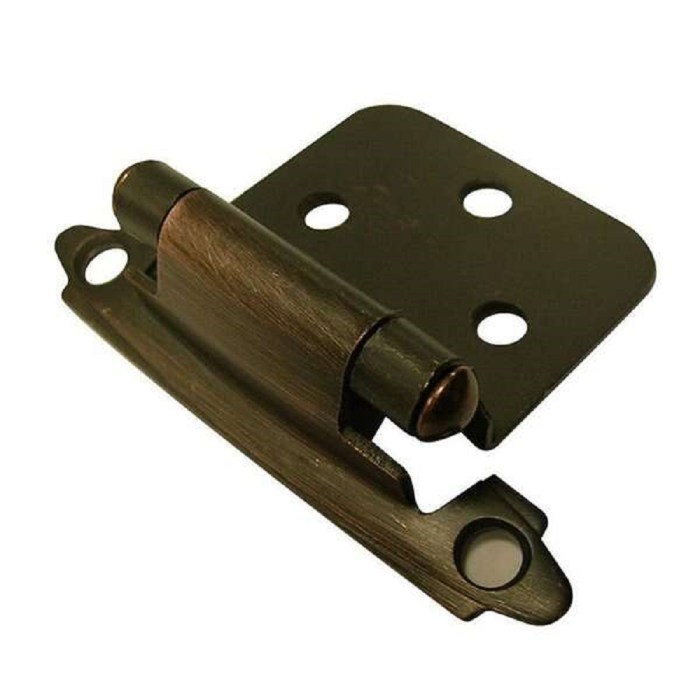
Cabinet hinges are more than just functional components; they significantly impact the overall aesthetic and usability of a kitchen or bathroom. Different hinge styles and configurations offer varying levels of design flexibility and practicality, allowing homeowners and designers to tailor cabinets to specific needs and desired aesthetics. Understanding these options is crucial for making informed decisions about cabinet hardware.Beyond their functional role, hinges contribute significantly to the visual appeal of cabinetry.
The choice of hinge style, from traditional to contemporary, can dramatically alter the perceived character of a room. Careful consideration of hinge configuration, whether single, double, or multi-hinge systems, ensures smooth operation and the optimal use of space.
European Hinges
European hinges, known for their sleek and modern appearance, are a popular choice for contemporary cabinetry. Their design typically features a concealed mounting mechanism, offering a clean, uninterrupted surface. This design element creates a seamless aesthetic, particularly effective in minimalist or modern kitchens and bathrooms. European hinges are often preferred for their smooth, effortless operation and their ability to offer various adjustment options.
Traditional Hinges
Traditional hinges, often characterized by their visible mounting plates, bring a classic and timeless appeal to cabinetry. These hinges typically exhibit a more pronounced, substantial design, which adds a touch of elegance and sophistication to traditional-style kitchens or bathrooms. The straightforward design of traditional hinges contributes to their reliability and longevity.
Soft-Close Hinges
Soft-close hinges are designed for a quieter, more controlled closing action. They incorporate a damping mechanism that decelerates the door’s movement as it approaches the cabinet face, preventing slamming and creating a smoother, more refined experience. This feature is particularly beneficial in households with children or individuals who appreciate a quiet environment. Soft-close hinges are increasingly popular due to their enhanced practicality and the positive user experience they provide.
Hinge Configurations
Hinge configurations, referring to the number of hinges used per cabinet door or drawer, significantly influence the stability and aesthetic of the cabinet. Single hinges are a common choice for lightweight doors, while double hinges are better suited for larger or heavier doors, providing increased stability and load-bearing capacity. Multi-hinge systems are employed for exceptionally large or heavy cabinet doors, allowing for more balanced weight distribution and enhanced stability.
The number of hinges used directly correlates with the structural capacity of the cabinet system.
Comparison Table
| Hinge Style | Design Elements | Aesthetic Impact | Practical Advantages | Application Examples |
|---|---|---|---|---|
| European | Concealed mounting, streamlined design | Modern, minimalist | Smooth operation, adjustable | Contemporary kitchens, bathrooms |
| Traditional | Visible mounting plates, pronounced design | Classic, elegant | Reliable, durable | Traditional kitchens, period-style homes |
| Soft-Close | Damping mechanism | Quiet operation | Controlled closing, reduced noise | Homes with children, apartments, quiet spaces |
| Single Hinge | One hinge per door | Simple, basic | Cost-effective, lightweight doors | Small cabinets, drawers |
| Double Hinge | Two hinges per door | Enhanced stability | Suitable for larger doors | Large cabinet doors, pantry doors |
Hinge Materials and Finishes
Choosing the right cabinet hinge materials and finishes is crucial for both the aesthetic appeal and the longevity of your cabinetry. The interplay of material strength, durability, and cost directly impacts the overall quality and value of your kitchen, bathroom, or any other space featuring cabinets. Different materials lend themselves to various design preferences and budget constraints.The selection process considers not only the visual aspect but also the anticipated wear and tear, ensuring the hinges maintain their functionality and aesthetic appeal throughout their service life.
Choosing the right cabinet hinges can be tricky, especially if you’re looking for a smooth operation. But sometimes, the problem isn’t the hinges, it’s the sheer volume of stuff crammed into your cabinets. Are your cabinets overflowing with dishes, pots, and pans? If so, maybe you need to declutter. Check out these signs you have too much stuff in your kitchen to help you decide if it’s time for a major purge.
signs you have too much stuff in kitchen. Once you’ve got a handle on your kitchen storage, you can confidently select the perfect hinges for your renewed cabinet space.
This section delves into the spectrum of materials used, their effects on performance, and the range of finishes available for cabinet hinges.
Metal Materials
Metal, primarily steel, is the dominant material in cabinet hinges due to its strength, durability, and relatively low cost. Different grades of steel offer varying levels of resistance to wear and corrosion, impacting the hinge’s lifespan. Stainless steel, for example, is highly resistant to rust and corrosion, making it a popular choice for high-moisture environments like kitchens and bathrooms.
Aluminum, while lighter and less prone to rust, might not possess the same strength as steel in certain applications. Brass and bronze offer attractive finishes but are often more expensive.
Plastic and Composite Materials
Plastic and composite materials are increasingly used in cabinet hinges, especially in applications where cost is a primary concern. Plastic hinges are generally lighter and easier to produce, contributing to lower manufacturing costs. However, their durability and resistance to wear and tear are often lower compared to metal hinges. Composite materials combine plastic and metal components to enhance the strength and durability of the hinge.
They are sometimes a cost-effective alternative to entirely metal hinges, though they may not match the longevity of high-quality steel options.
Impact of Materials on Hinge Performance
The choice of material significantly impacts the hinge’s performance, durability, and overall cost. Steel hinges are generally more durable and resistant to wear and tear, ensuring a longer lifespan compared to plastic options. However, the higher cost of steel hinges is often offset by their superior performance and longer service life. Plastic hinges, while less expensive, might not be suitable for high-traffic or high-use areas, as they can wear down or break more easily.
Available Finishes
Cabinet hinges come in a variety of finishes to complement different cabinet styles and color schemes. Common finishes include chrome, nickel, bronze, and various painted finishes. The selection of finish is crucial for maintaining a cohesive aesthetic in the entire cabinet design. Matching the hinge finish to the cabinet’s overall finish is critical for a polished, unified appearance.
Importance of Finish Matching
Matching the hinge finish to the cabinet’s finish is vital for achieving a cohesive and visually appealing design. Inconsistencies in finish can detract from the overall aesthetic, making the cabinet appear less polished and unified. Careful consideration of the finish is essential for maintaining a harmonious and visually pleasing appearance in the space.
Table of Hinge Materials and Finishes
| Material | Typical Finishes | Durability | Cost |
|---|---|---|---|
| Steel | Chrome, Nickel, Bronze, Black | High | Moderate |
| Stainless Steel | Brushed Nickel, Stainless Steel | Very High | High |
| Aluminum | Anodized, Powder Coated | Moderate | Low |
| Plastic | Powder Coated, Painted | Low | Very Low |
| Composite | Various, Often Mimicking Metal Finishes | Moderate to High | Moderate |
Hinge Installation and Maintenance
Cabinet hinges are crucial for the smooth operation and longevity of your cabinetry. Proper installation ensures that your doors and drawers open and close effortlessly, while neglecting maintenance can lead to squeaks, sticking, and eventual failure. This section details the steps for installing various hinge types and provides maintenance tips to keep your cabinets in excellent condition.
Installation Steps for Different Hinge Types
Various hinge types require different installation methods and tools. Understanding these differences is essential for successful installation. The specific steps may vary slightly depending on the hinge brand and model, but the general principles remain the same. Accuracy in installation is paramount for smooth operation and a professional finish.
- Overlay Hinges: These hinges are installed by first drilling pilot holes for the screws in the cabinet face. Then, the hinge is attached to the cabinet door and the cabinet frame. Ensure the hinge is aligned precisely with the cabinet face before tightening the screws. Use a drill with a countersinking bit for a flush finish and prevent damage to the door.
Choosing the right cabinet hinges can make a world of difference, especially when you’re tackling kitchen counter upgrades on a budget. Kitchen counter upgrades on a budget often involve repurposing existing cabinets, and the type of hinge plays a crucial role in ensuring smooth, long-lasting operation. Knowing the different types – like overlay, inset, and full overlay – is key to finding the best fit for your project and your budget.
So, get ready to dive into the hinge options!
Use a level to check the hinge alignment to ensure the door is square and the hinge is mounted perfectly level.
- Mortise Hinges: Mortise hinges require precise preparation of the cabinet door and frame. The hinge’s mortise must be accurately cut into both the door and the frame to ensure proper fit. Use a mortise gauge to ensure accurate spacing and alignment of the mortise. The hinge is then inserted into the mortise and secured with screws, ensuring the hinge is flush with the door and frame.
Precise measurements and careful use of tools are critical for this type of installation.
- Concealed Hinges: These hinges are installed in a similar fashion to overlay hinges, but the mounting hardware is concealed within the cabinet. Ensure that the mounting plates are securely affixed to the cabinet face and frame before attaching the hinge. Precise alignment is key to prevent the door from sticking or rattling. Use a level and measuring tape to ensure the hinge is installed square and level.
Choosing the right cabinet hinges can make a world of difference in your kitchen’s functionality and style. From concealed hinges to overlay, the options are varied. However, sometimes the most important “hinge” you need to maintain is the one on your water bottle. Regularly cleaning your water bottle, like how often should you wash your water bottle , is crucial for preventing bacteria buildup, which is essential for your health.
Once you have the right cleaning routine in place, you can confidently select the perfect cabinet hinges for your project.
Comparison of Installation Methods and Tools
Different hinge types require specific tools and techniques. Careful selection of the appropriate tools is crucial for accurate and efficient installation.
| Hinge Type | Tools Required | Installation Method |
|---|---|---|
| Overlay | Drill, screwdriver, level, measuring tape | Mount to the cabinet door and frame, ensuring proper alignment. |
| Mortise | Drill, screwdriver, mortise gauge, chisel | Cut mortise in both door and frame, then insert and secure the hinge. |
| Concealed | Drill, screwdriver, level, measuring tape, countersinking bit | Mount mounting plates, then attach the hinge. |
Importance of Hinge Alignment and Adjustments
Proper hinge alignment ensures smooth door operation and prevents sticking or binding. Adjustments can be made to fine-tune the door’s positioning.
“Accurate alignment is critical for smooth operation and prevents issues like sticking or binding.”
Careful alignment of the hinges ensures the door operates correctly. If the door is not aligned, it may stick or not close properly. Adjusting the hinge’s position is a simple process that can resolve these issues. Hinges can be adjusted by loosening or tightening the screws to fine-tune the door’s position.
Hinge Maintenance Steps
Regular maintenance extends the lifespan of your cabinet hinges. This includes cleaning and lubrication. Lubrication prevents friction and ensures smooth operation.
- Cleaning: Remove any dust, debris, or dirt that may have accumulated around the hinge mechanism. Use a soft cloth or brush to clean the hinge. This step prevents dust from causing friction or sticking.
- Lubrication: Apply a small amount of lubricant, such as WD-40 or white lithium grease, to the hinge pins and pivot points. This reduces friction and ensures smooth operation. Avoid over-lubrication as excess lubricant can attract dust and debris.
- Inspection: Periodically inspect the hinges for any signs of damage or wear. Tighten any loose screws or replace worn parts as needed. This preventative measure helps avoid potential issues and extends the lifespan of the hinges.
Cabinet Hinge Selection Guide
Choosing the right cabinet hinges is crucial for both the aesthetic appeal and functionality of your project. Proper hinge selection ensures smooth operation, long-lasting durability, and a well-integrated look. This guide will walk you through the essential factors to consider when selecting hinges for various cabinet applications.Understanding the specific requirements of your project is the first step. Consider the weight of the cabinet doors, the frequency of opening and closing, and the overall design aesthetic you’re aiming for.
This informed approach will lead to a more satisfying and efficient outcome.
Factors to Consider When Selecting Cabinet Hinges
Selecting the appropriate cabinet hinges involves careful consideration of several key factors. These factors influence the overall performance and longevity of your cabinet doors.
- Budget: Hinges vary significantly in price. Budget constraints will influence the type and quality of hinges you can afford. For instance, a basic overlay hinge might suit a budget-conscious project, while a more expensive concealed hinge might be ideal for a higher-end kitchen or bathroom vanity. A detailed budget allows you to narrow down the options to ensure that you find the right balance between quality and cost.
- Style: The style of your cabinets plays a significant role in hinge selection. For a contemporary kitchen, a sleek, modern hinge might be suitable, whereas a traditional cabinet might benefit from a more ornate or classic style. Consider the overall design aesthetic of the project and choose hinges that complement it.
- Functionality: The frequency of door use and the weight of the doors are essential factors. Heavier doors require stronger hinges with higher load capacity. Consider the intended use of the cabinet. For example, a kitchen cabinet will likely see more use than a storage cabinet in a bedroom.
- Material: The cabinet material itself influences hinge selection. Different materials may require different hinge types for optimal performance and aesthetics. For instance, solid wood cabinets might require hinges that can withstand the weight and durability requirements, whereas laminate cabinets may benefit from simpler, more streamlined hinges.
- Door Thickness: The thickness of the cabinet doors determines the type of hinge that can be used. Different hinge types are designed for varying door thicknesses. Using the correct hinge type ensures smooth operation and prevents potential damage or misalignment.
Examples of Hinge Selections for Various Cabinet Projects, Types of cabinet hinges
Here are some examples of hinge selections based on common cabinet projects.
| Project Type | Hinge Type | Justification |
|---|---|---|
| Kitchen Cabinets | Full overlay or overlay hinges | These hinges provide ample clearance for heavier doors and drawers. Their visibility enhances the aesthetic appeal of the cabinets, often matching the contemporary styles favored in kitchens. |
| Bathroom Vanities | Concealed hinges or soft-close hinges | Concealed hinges offer a sleek and modern appearance, ideal for bathroom vanities. Soft-close hinges are also beneficial to minimize slamming and provide a smooth closing mechanism, preventing scratches on the cabinet or damage to the doors. |
| Entertainment Centers | Full overlay or European hinges | Full overlay hinges are suitable for entertainment centers due to their adaptability to a variety of styles. European hinges provide a sleek, modern look and are frequently used for doors and drawers in entertainment centers due to their quality and smooth operation. |
Flowchart for Selecting Cabinet Hinges
This flowchart will guide you through the process of selecting the right cabinet hinge.[Flowchart image description: A simplified flowchart with boxes and arrows depicting steps to follow. The first step asks about cabinet type (e.g., kitchen, bathroom, etc.). Based on the type, the flowchart branches to consider factors like door thickness, weight, style, and budget. Each path leads to a specific hinge recommendation.
The final step involves a purchase decision.]
Modern Hinge Technologies
Modern cabinet hinges have evolved significantly, moving beyond basic functionality to incorporate advanced technologies that enhance both convenience and aesthetics. These advancements have streamlined installation, reduced noise, and increased the overall appeal of cabinetry, making a positive impact on the entire design. From self-closing mechanisms to whisper-quiet operation, modern hinges represent a significant leap forward in cabinet hardware.These advancements in hinge technology go beyond simply improving function.
They also contribute to a higher level of design sophistication, allowing for more intricate and refined cabinet designs. The improved performance and aesthetic qualities of modern hinges are impacting the way cabinets are conceived and built, pushing the boundaries of what’s possible in kitchen and bath design.
Self-Closing Hinges
Self-closing hinges automatically close cabinet doors, eliminating the need for constant adjustments and ensuring a consistent, neat appearance. This feature significantly improves the ease of use and reduces the potential for damage to doors or hinges.
- Improved Convenience: Self-closing hinges provide a streamlined user experience. Users can quickly and easily close cabinet doors, reducing the risk of slamming or damaging them. This convenience translates to a more user-friendly kitchen or bathroom environment.
- Enhanced Durability: By eliminating the need for forceful closures, self-closing hinges lessen stress on the hinge mechanisms. This can translate to a longer lifespan for the cabinets, reducing the need for frequent repairs or replacements.
- Reduced Noise: While not entirely silent, self-closing hinges often reduce the noise associated with closing cabinet doors compared to traditional hinges. This quiet operation is a significant benefit, particularly in spaces requiring a peaceful environment.
Silent Hinges
Silent hinges, also known as soft-close hinges, are designed to minimize the sound generated during the closing process. They utilize a damping mechanism to provide a smooth, quiet, and controlled closure.
- Quiet Operation: Silent hinges reduce the noise produced when closing cabinet doors, making them ideal for environments that value quiet operation, such as bedrooms, libraries, and high-end kitchens.
- Improved Aesthetics: The quiet and smooth action of silent hinges enhances the overall aesthetic appeal of cabinetry, contributing to a sophisticated and refined look. The seamless closing action adds a touch of elegance to any design.
- Increased Durability: The controlled closing action of silent hinges helps to extend the lifespan of the cabinet doors and hinges by reducing stress on the mechanisms during closing.
Comparison of Modern Hinge Types
| Feature | Self-Closing Hinges | Silent Hinges |
|---|---|---|
| Closing Mechanism | Automatic, spring-loaded closure | Controlled, damped closure |
| Noise Level | Reduced compared to traditional hinges | Minimal noise, near-silent operation |
| Aesthetics | Clean, streamlined design | Sophisticated, refined design |
| Installation | Generally straightforward, often with pre-set adjustments | Often requires precise alignment and adjustment |
Emerging Trends
Emerging trends in cabinet hinge design include integrating smart technologies and customizable features. The integration of sensors and actuators could allow for automated opening and closing of cabinets based on user needs or preferences.
- Smart Integration: Cabinets equipped with smart hinges could potentially be integrated with home automation systems, allowing for voice-activated or app-controlled opening and closing. This would further enhance convenience and security.
- Customizable Features: Future hinges may offer adjustable damping characteristics or integrated lighting, providing greater control over the aesthetic and functional aspects of the cabinets.
- Material Innovations: Advanced materials and manufacturing techniques could result in even quieter and more durable hinges, opening up new possibilities in design and functionality.
Implementing Modern Hinges in Cabinet Designs
Implementing modern hinges requires careful consideration of the cabinet design and the desired functionality. Consider the cabinet’s overall style and the specific needs of the space when selecting the appropriate hinge type.
- Design Integration: Choose hinges that complement the overall style of the cabinet, whether it’s a contemporary, traditional, or transitional design.
- Functional Requirements: Assess the specific needs of the space. If noise reduction is paramount, silent hinges might be the ideal choice. If automatic closing is preferred, self-closing hinges are a suitable option.
- Installation Considerations: Pay close attention to installation instructions to ensure proper alignment and functionality. Seek professional assistance if needed.
Epilogue
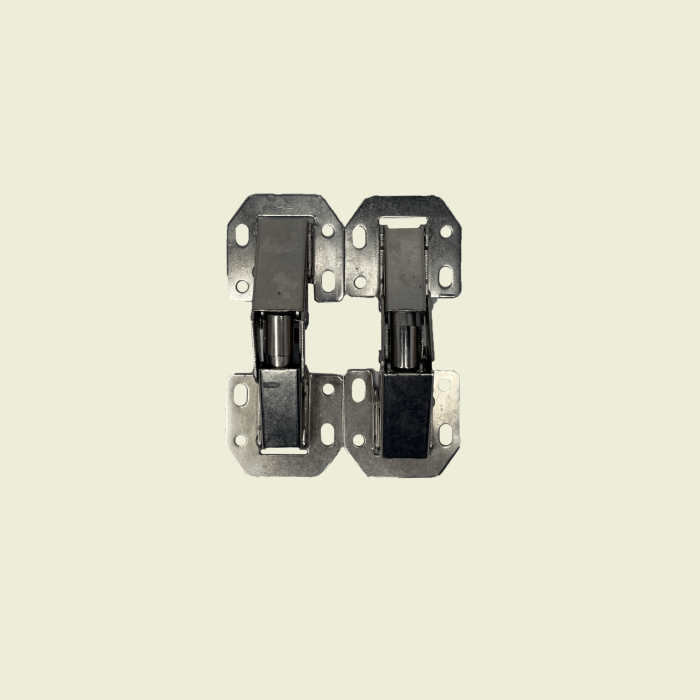
Choosing the right cabinet hinges is a pivotal step in any renovation or new build. From the fundamental function of holding cabinets to the aesthetic enhancement they bring, the right choice elevates your project. This guide has walked you through the intricacies of different hinge types, from traditional to modern, allowing you to make informed decisions based on your specific needs and preferences.
Ultimately, selecting the right hinges is about balancing function, style, and budget for a project that’s both beautiful and practical.