





Tips for decorating with fake plants are essential for creating a vibrant and stylish home. From a brief history of using artificial plants in interior design to the growing popularity of fake plants, this guide delves into the versatility of these decorative items. Learning how to choose the right plants, arrange them for visual impact, and integrate them with existing décor will transform any space.
This guide covers everything from selecting realistic versus stylized foliage to understanding the importance of lighting and color coordination. We’ll explore various arrangement methods and how to maintain the beauty of your artificial plants. Discover innovative ways to use fake plants beyond traditional arrangements and avoid common mistakes along the way.
Introduction to Fake Plants in Décor: Tips For Decorating With Fake Plants
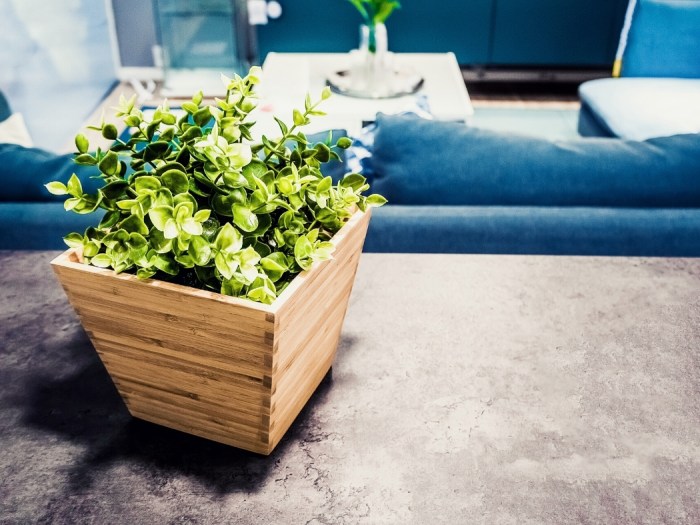
From ancient civilizations using artificial flowers in rituals and ceremonies to the modern trend of incorporating faux greenery into homes, the use of artificial plants in interior design has a rich history. Initially, these representations were often elaborate and expensive, primarily used in formal settings. Over time, advancements in materials and production techniques have made artificial plants more accessible and realistic, leading to a surge in popularity across various interior design styles.The appeal of fake plants extends beyond their affordability and durability.
Their low maintenance, ability to thrive in any environment, and vibrant aesthetics make them a practical and visually engaging choice for homeowners and interior designers alike. They can easily complement diverse aesthetics, from rustic to modern, adding a touch of life and vibrancy without the hassle of constant care. Their versatility is a key driver in their increasing popularity.
History of Artificial Plants in Interior Design
The use of artificial plants in interior design has evolved significantly over time. Early examples include intricate, hand-crafted floral arrangements used in ancient ceremonies and decorative displays. These early creations were often painstakingly detailed and served symbolic or aesthetic purposes. Later, as manufacturing techniques improved, more realistic and accessible artificial plants became available. This allowed for wider use, moving beyond solely formal settings and into homes and commercial spaces.
The 20th century witnessed a rise in popularity, particularly with the development of more realistic materials and production methods.
Growing Popularity of Fake Plants
The growing popularity of fake plants stems from several key factors. Their low-maintenance nature is a major draw. No watering, pruning, or specific lighting needs translate to less stress and more time for other aspects of home décor. This ease of care appeals to busy individuals and those with limited gardening experience. Their durability is another attractive feature.
Unlike living plants, artificial ones withstand changes in light, humidity, and even some accidental damage, ensuring a longer lifespan and consistent visual appeal. Their versatility in matching various interior styles makes them a popular choice.
Versatility of Fake Plants in Different Interior Styles
Fake plants can be seamlessly integrated into a wide array of interior styles. Their ability to mimic the look and feel of natural greenery while eliminating the need for constant care makes them suitable for modern minimalist spaces, rustic country homes, or even lavish, ornate settings. Their visual impact can transform a room, and their variety in shapes, sizes, and textures allows them to perfectly complement any design scheme.
Fake plants are fantastic for adding a touch of greenery to any space, but how do you arrange them for maximum impact? Think about the overall style you’re going for – a modern minimalist look might call for a single, dramatic statement piece, while a bohemian vibe could benefit from a collection of varying heights and textures. Before you start placing your faux foliage, consider whether all your furniture legs should be on the rug.
should all furniture legs be on the rug is a great question to ponder before you finalize your layout. This can significantly alter the feel of the room and, of course, remember to incorporate your fake plants strategically for a cohesive and visually appealing space.
A few strategically placed artificial plants can add depth, dimension, and a touch of natural beauty to any space.
Examples of Visual Interest with Fake Plants
Adding visual interest with fake plants is achievable through various creative applications. Grouping several plants of varying heights and textures in a corner can create a focal point. Draping a vine or cascading plant over a shelving unit or mantelpiece adds a touch of elegance and movement. Strategic placement behind furniture or against a wall can create an illusion of depth and enhance the room’s ambiance.
The careful selection of different plant types can add variety and texture to a room. For instance, a collection of faux ferns or a single, large, faux palm can dramatically enhance the visual appeal of a living room.
Choosing the Right Fake Plants
Selecting the perfect artificial plants is crucial for achieving a cohesive and visually appealing space. Beyond simply adding a touch of greenery, the right choice enhances the room’s aesthetic, complements the existing decor, and even helps to create a sense of calm and vibrancy. Consider the nuances of plant type, size, color, and the room’s overall design when making your selections.
Realistic vs. Stylized Foliage, Tips for decorating with fake plants
Artificial foliage ranges from highly realistic replicas to more stylized, abstract designs. Realistic options often mimic the textures and details of natural plants, making them a great choice for creating a very natural look. Stylized options, on the other hand, offer a more contemporary or abstract approach. The choice depends on the desired aesthetic of the space. A modern living room might benefit from the clean lines of stylized plants, while a traditional study might find realism more appealing.
Factors to Consider When Selecting Fake Plants
Several factors play a critical role in selecting the right fake plants for a specific room. Understanding these elements ensures a seamless integration into the existing décor.
- Room Style: A minimalist room will look best with sleek, modern-style plants, while a rustic space might be enhanced by more traditional or vintage-inspired foliage.
- Lighting Conditions: Bright, sunny rooms can showcase more vibrant artificial plants, while darker spaces might benefit from plants with more subtle tones. Consider how light will interact with the foliage.
- Space Constraints: The size of the room and available space greatly influence the size and type of plants you can include. A small space might benefit from a collection of smaller plants, while a large room could accommodate a statement piece, like a large-scale fern or palm.
Plant Size and Shape
The size and shape of the plant directly affect the overall look of a room. A large, leafy plant can serve as a focal point, while several smaller plants can create a more relaxed and natural ambiance. Consider how the plant’s form will complement or contrast with the furniture and other décor in the room.
Matching Plant Colors to the Room’s Color Scheme
Matching plant colors to the room’s existing color scheme is essential for visual harmony. Plants that complement the dominant colors in the room will seamlessly integrate into the design. Conversely, plants that clash with the room’s color scheme can detract from the overall aesthetic. Using plants with neutral colors or colors that echo the room’s existing hues is generally a safe and effective strategy.
Table of Recommended Fake Plant Choices
This table offers a starting point for choosing artificial plants based on room type.
| Plant Type | Size | Color | Recommended Room |
|---|---|---|---|
| Succulents | Small to Medium | Green, Gray-Green, Gray-Blue | Living Room, Dining Room, Bathroom |
| Palm | Large | Dark Green | Living Room, Dining Room, Foyer |
| Fern | Medium to Large | Emerald Green, Moss Green | Living Room, Study, Office |
| Pothos | Medium | Green, variegated | Living Room, Bathroom, Kitchen |
Arranging Fake Plants for Visual Impact
Bringing the beauty of nature indoors with fake plants is a fantastic way to enhance any space. Beyond simply placing them, strategic arrangement is key to creating a visually appealing and inviting environment. Knowing how to arrange these faux flora allows you to maximize their impact and seamlessly integrate them into your existing décor.Effective arrangement goes beyond just scattering plants around a room.
It involves understanding how to create focal points, use plants to highlight design elements, and strategically group them to build depth and dimension. This approach will transform your space from ordinary to extraordinary, showcasing the elegance and sophistication of your home or office.
Focal Points with Fake Plants
Creating focal points is crucial for drawing attention to specific areas of a room. Large, statement pieces, or groupings of smaller plants, can serve as excellent focal points. A dramatic arrangement in a living room corner or a cluster of plants on a console table can immediately elevate the space.
Enhancing Existing Design Elements
Fake plants can be powerful tools for enhancing existing design elements within a room. For example, a collection of tall, slender plants can visually lengthen a shorter room, while grouping smaller plants near a fireplace can draw attention to that focal point. Consider the shape, size, and color of your existing furniture and décor when choosing and arranging your fake plants.
Grouping Fake Plants for Visual Depth
Grouping fake plants is a key technique for creating visual depth and interest. Using varying heights and textures creates an illusion of dimension and natural abundance. A grouping of plants of different sizes, shapes, and foliage can bring depth to a shelf or windowsill, adding visual complexity to a simple arrangement. Combine different textures and colors for a rich and natural look.
Arranging Fake Plants in Different Spaces
The ideal arrangement for a living room might be different from a bedroom or office. A living room often benefits from a large centerpiece arrangement, perhaps on a coffee table or fireplace mantel. Bedrooms might benefit from smaller, more intimate arrangements on bedside tables or windowsills. For an office, a more minimalist, organized grouping on a desk or shelving unit can promote a sense of calm focus.
Table: Plant Arrangement Styles and Room Applications
| Arrangement Style | Room Application | Description |
|---|---|---|
| Large, Centralized Grouping | Living Room, Foyer | A dramatic display of several plants of varying heights and textures positioned as a focal point. |
| Symmetrical Arrangement | Dining Room, Office | Plants are arranged in a balanced, mirroring fashion, creating a sense of order and formality. |
| Asymmetrical Arrangement | Living Room, Bedroom | Plants are arranged in an unbalanced manner, creating visual interest and a more relaxed atmosphere. |
| Layered Arrangement | Living Room, Balcony | Plants are arranged in layers, with varying heights and textures, to create depth and dimension. |
| Vertical Grouping | Hallway, Office | Tall plants are grouped together to create a vertical focal point or to stretch the perception of space. |
Lighting and Display for Fake Plants
Fake plants, with their realistic textures and vibrant hues, can transform any space. However, their full potential is unlocked when paired with strategic lighting and display techniques. This section will explore how to use lighting to highlight the beauty of your faux foliage and create captivating plant arrangements.Lighting plays a crucial role in showcasing the details and textures of fake plants.
Adding faux greenery is a fantastic way to liven up any space, but choosing the right pots and planters is key. For a touch of rustic charm, consider painting your furniture pieces – opting for a durable, high-quality paint like the ones recommended in this guide on best paint for furniture will ensure your new look lasts.
A well-painted piece will beautifully complement your fake plants, creating a cohesive and stylish room.
Just as natural light enhances the beauty of living plants, strategic artificial lighting can bring out the lifelike qualities of their artificial counterparts. Proper lighting can make a fake plant arrangement appear more natural and vibrant, drawing the eye to its intricate details.
Role of Lighting in Showcasing Fake Plants
Lighting significantly impacts the perceived realism and beauty of fake plants. The right lighting can make them appear more lifelike, while poor lighting can make them look dull and lifeless. Factors like the plant’s material, the color of the foliage, and the overall design of the arrangement all contribute to the ideal lighting choice.
Techniques for Using Different Light Sources
Various light sources offer different effects. Using a combination of light sources can create a more dynamic and layered look.
- Ambient Lighting: Providing overall illumination, ambient lighting sets the stage for the other lighting techniques. Soft, diffused lighting, like a table lamp or a floor lamp with a frosted shade, creates a welcoming atmosphere and highlights the overall form of the plant arrangement. This type of lighting is essential for creating a balanced and inviting space, as it ensures the entire room is illuminated evenly, without harsh shadows or glare.
- Accent Lighting: Direct, focused light sources, like spotlights or LED strips, can highlight specific details of the plant. Position these lights to emphasize textures, patterns, and the unique shapes of the foliage. Using spotlights to illuminate certain areas, like the leaves or flowers of the plants, adds depth and dimension, drawing the viewer’s attention to specific features and making the plants look more lifelike.
- Colored Lighting: Colored LED lights can create a dramatic effect. Warm white light can mimic natural daylight, while cool white or even colored light can create a unique mood or highlight specific colors in the plants. For example, using a pinkish hue might highlight the rose-like accents in some artificial plants.
Creating Depth and Dimension in Plant Arrangements
Strategic placement of plants and lighting techniques are crucial for achieving a sense of depth and dimension in arrangements. Varying the heights and depths of the plants in the arrangement will create visual interest and make the arrangement look more three-dimensional. Using different light sources can help accentuate the various heights and layers within the arrangement, enhancing the illusion of depth.
- Layering: Position plants of varying heights and sizes in layered arrangements. Place smaller plants behind taller ones to create a sense of depth. This technique not only adds dimension but also enhances the visual interest and complexity of the arrangement. For instance, a tall fern placed behind a grouping of smaller succulents creates a layered effect.
- Highlighting Focal Points: Use strategically placed lights to focus on key elements of the arrangement. This could be a particularly vibrant flower, a unique leaf pattern, or the overall shape of the plant. A spotlight directed at a striking element in the arrangement will make it stand out and draw attention to that particular spot.
Ways to Strategically Place Fake Plants to Enhance Lighting Effects
Positioning fake plants strategically can maximize the impact of lighting. Consider the direction and intensity of light sources when placing plants.
- Placement in Relation to Light Sources: Position plants to receive the most favorable lighting. For example, plants with light-colored foliage may benefit from placement near a window, while darker plants might look better near an accent light source. The location of the plants will greatly impact the way the light interacts with them. This way, the light will highlight the natural forms and textures of the plants.
- Using Reflective Surfaces: Strategically place reflective surfaces, such as mirrors or metallic objects, behind or around the plants to reflect light and enhance the overall illumination of the arrangement. This technique is especially effective in areas with limited natural light. By using mirrors, the light is dispersed, creating a brighter, more vibrant look.
Lighting Options and Their Effects
| Lighting Option | Effect on Fake Plants |
|---|---|
| Natural Sunlight | Highlights natural colors and textures; creates a warm, inviting atmosphere |
| Ambient Lighting (Table Lamps) | Creates a soft, diffused glow; ideal for overall illumination |
| Accent Lighting (Spotlights) | Highlights specific details; emphasizes textures and shapes |
| Colored LED Lights | Creates a dramatic effect; highlights specific colors; sets a unique mood |
Integrating Fake Plants with Existing Décor

Bringing life to your space with faux greenery is all about seamless integration. It’s not just about adding plants; it’s about enhancing the existing aesthetic of your home. The key is to choose plants that complement your existing furniture and decor, not clash with them. Think of fake plants as versatile accessories, adding pops of color, texture, and visual interest without the maintenance demands of real ones.Successfully blending fake plants into your current décor requires careful consideration of your interior style.
Understanding the characteristics of each style will guide you in selecting appropriate plants and arranging them harmoniously. This approach will transform your space from simply furnished to beautifully curated.
Modern Interior Styles
Modern interiors often feature clean lines, minimalist designs, and neutral color palettes. For this style, opt for sleek, contemporary faux plants. Think minimalist succulents, delicate air plants, or potted plants with clean, geometric shapes. Avoid overly ornate or busy patterns. A grouping of a few well-chosen, modern plants strategically placed on a console table or a shelf can instantly elevate the look.
For example, a set of three tall, slender succulents in matching pots would perfectly complement a modern living room. The clean lines of the plants will echo the design elements of the room, creating a cohesive and visually appealing space.
Rustic Interior Styles
Rustic interiors evoke a sense of warmth and nature. Choose faux plants that reflect this theme. Large, leafy plants with natural textures like ferns, or potted foliage in rustic-style pots will enhance the space. Look for faux plants with a weathered or distressed appearance to reinforce the natural, unrefined aesthetic. A large potted fern placed in a corner, or a collection of faux branches in a wooden vase, can add a touch of rustic charm to a living room or bedroom.
Bohemian Interior Styles
Bohemian interiors are characterized by a mix of patterns, textures, and colors. Embrace this eclecticism by incorporating a variety of fake plants with vibrant colors and unique shapes. Look for plants with unusual textures or exotic forms, like a faux orchid, or a trailing vine in a macrame planter. Mix and match different plant types, sizes, and colors for a more dynamic and layered look.
For instance, a large faux fiddle leaf fig placed next to a collection of smaller succulents in various textures and colors can bring a unique bohemian vibe to a dining room or living area.
Complementing Existing Furniture and Decor
Matching the color and style of the plants with the existing furniture and decor is crucial for creating a seamless look. Consider the overall color scheme of your room. If your furniture is predominantly neutral, choose faux plants in complementary colors to create a harmonious feel. If your room has a strong color accent, incorporate plants that complement or contrast with it.
If your room has a lot of natural wood, a plant with a natural, earthy tone will blend seamlessly.
Blending Fake Plants with Other Accessories
Incorporating fake plants into your existing accessories and décor creates a cohesive aesthetic. For example, if you have a collection of vintage vases, place a faux plant in a unique vase to add another layer of visual interest. Combine faux plants with other natural elements, like wooden trays or woven baskets. Remember to keep the scale and proportion of the plants in balance with other accessories in the room.
Creating a Cohesive Environment
A key to successfully integrating fake plants is maintaining a consistent aesthetic. Grouping plants of similar types or colors can create a visually appealing display. Consider the overall shape and size of the plants in your collection, ensuring they work together to create a unified style. Ensure the pots and planters are consistent in style and color to maintain the cohesive look.
Interior Styles and Fake Plant Recommendations
| Interior Style | Fake Plant Recommendations |
|---|---|
| Modern | Succulents, air plants, geometrically shaped plants in sleek pots |
| Rustic | Large leafy plants, ferns, plants with weathered or distressed appearance in rustic pots |
| Bohemian | Plants with vibrant colors, unique shapes, exotic forms, mixed textures and colors in varied planters |
Maintaining and Caring for Fake Plants
Fake plants, with their vibrant hues and lifelike forms, bring a touch of nature to any space. However, even these enduring beauties require a little TLC to stay looking their best. Proper maintenance ensures their longevity and keeps them a pleasing addition to your décor.Maintaining fake plants involves a few key strategies to keep them looking fresh and vibrant.
The key is to prevent dust and debris from accumulating, and to use gentle cleaning methods that won’t damage the materials. This article provides detailed steps to maintain your fake plant collection, preserving their beauty for years to come.
Preventing Dust and Debris Accumulation
Regular dusting is crucial for maintaining the aesthetic appeal of fake plants. Dust and debris can settle on the leaves and stems, obscuring their natural beauty and diminishing the overall visual impact. Positioning plants away from high-traffic areas or sources of excessive dust can help minimize the accumulation. Consider placing them in areas with lower humidity, as moisture can attract dust.
Simple Cleaning Methods
Different fake plant materials require different cleaning approaches. A general rule is to avoid harsh chemicals and abrasive scrubbing, as these can damage the plant’s surface.
- For plants made of plastic or resin, a soft, damp cloth or a slightly dampened microfiber cloth is ideal. Wipe gently over the leaves and stems, removing any visible dust or debris. A dampened cotton swab can be used for more delicate parts of the plant.
- Fabric-based fake plants, like those with faux silk or velvet leaves, require a gentle approach. Use a soft-bristled brush or a vacuum cleaner with a brush attachment on a low setting to remove dust and debris. Avoid excessive pressure to prevent damage to the fabric.
- For plants with intricate details or delicate textures, use a soft-bristled brush or a feather duster. This approach is crucial to prevent scratching or damage to the plant’s surface.
Preventing Damage and Maintaining Appearance
Protecting fake plants from damage is crucial for preserving their visual appeal and extending their lifespan. Careful handling and storage are key elements to prevent damage. Avoid placing fake plants in direct sunlight for extended periods, as this can fade the colors over time. Store them in a cool, dry place when not in use to maintain their shape and prevent damage.
Cleaning Methods for Different Fake Plant Types
| Plant Type | Cleaning Method |
|---|---|
| Plastic/Resin | Soft, damp cloth or microfiber cloth; gentle wiping |
| Fabric (silk/velvet) | Soft-bristled brush or vacuum cleaner (low setting); avoid harsh scrubbing |
| Intricate/Delicate | Soft-bristled brush or feather duster |
| Potted | Carefully remove the plant from the pot; clean the plant and the pot separately |
Creative Uses of Fake Plants
Fake plants are no longer just a substitute for real ones; they’ve evolved into powerful design tools capable of transforming any space. Beyond traditional arrangements, they offer a wealth of creative possibilities for adding personality and visual interest to your home or office. From subtle accents to bold statements, fake plants can be integrated into your décor in innovative ways.Clever use of fake plants can dramatically enhance the ambiance of a room, adding life and texture without the maintenance demands of real plants.
This approach allows you to personalize your environment with a touch of nature, regardless of your gardening skills or the climate. Embracing this versatility allows you to truly showcase your creativity and elevate your design choices.
Fake plants are a fantastic way to add a touch of greenery to any space, but keeping them looking their best is key. One crucial aspect is ensuring they’re clean. Before you get too carried away with your faux foliage, consider whether you can use a steam cleaner on your hardwood floors, as some cleaning methods might damage them.
Checking out resources like this guide on can you use a steam cleaner on hardwood will help you avoid any potential mishaps. Once you’ve got your cleaning strategies sorted, you can confidently decorate with your fake plants knowing they’ll look great for years to come!
Decorative Accents
Strategic placement of fake plants as accents can elevate the overall aesthetic of a space. They can be used to draw attention to specific areas, add visual depth, or simply brighten up a dull corner. Think of them as miniature sculptures, each with the potential to add a unique touch to a room.
Unique and Unexpected Places
Fake plants can be incorporated into unexpected areas, adding a touch of nature where it might not be practical or possible with real plants. These innovative placements can create unexpected focal points and elevate the overall aesthetic of the space.
- On shelves and ledges: Instead of just books or knick-knacks, consider grouping fake plants of varying sizes and textures on shelves or ledges. This creates a dynamic display that adds depth and visual interest. Imagine a collection of succulents in varying pots, positioned strategically to highlight the natural forms.
- In bathrooms and kitchens: These spaces, often overlooked in plant décor, can benefit greatly from the addition of fake plants. Choose moisture-resistant varieties, or group plants in waterproof containers. A small cluster of faux ferns in a sleek planter can add a touch of nature to a countertop, while a realistic-looking potted palm adds a tropical vibe to a bathroom.
- On walls and ceilings: Using faux plants as wall or ceiling accents is an exciting way to add a touch of nature to a space. They can be used to create a sense of depth and dimension, or to add a touch of whimsy to a room. For example, hanging a large, leafy fake plant from the ceiling in a dining room can add a touch of tropical flair.
Transforming Ordinary Spaces
Integrating fake plants into everyday spaces can dramatically improve their appeal. A simple addition can transform a bland corner into a captivating focal point, adding texture and interest to any room.
- Empty corners: An empty corner can feel unfinished. A well-placed faux plant, or a collection of smaller plants, can instantly transform the space, adding depth and personality. A tall, slender palm tree placed in a corner can create a sense of elegance and spaciousness, while a collection of succulents can create a desert-inspired oasis.
- Small spaces: Even in compact spaces, fake plants can add a sense of vibrancy. Choose smaller varieties that don’t overwhelm the room, and consider placing them in strategic locations to maximize their impact. Using tall, narrow planters can visually elongate a small room.
- Creating a focal point: In a room with multiple focal points, fake plants can be used to create a secondary focal point. A bold statement plant in a dramatic planter can act as a visual anchor, drawing the eye and creating a unique design element.
Unique Uses Table
| Unique Use | Example Application |
|---|---|
| Wall Art | A large, textured fake plant displayed on a wall, or a collection of smaller plants arranged like a gallery. |
| Ceiling Decor | Hanging a large, leafy plant from the ceiling in a dining room or living room. |
| Vertical Gardens | Using faux plants in a vertical garden system, either indoors or out, creating a green wall. |
| Accent in a Gallery Wall | Integrating a potted fake plant into a gallery wall of artwork to add a touch of nature and visual interest. |
Common Mistakes to Avoid
Fake plants can add a touch of elegance and life to any space, but making them look natural and blending them seamlessly with your existing décor is crucial. Avoiding common pitfalls is key to achieving a truly stunning and authentic look. A few missteps can make your fake foliage look out of place or even jarring. This section will highlight those common mistakes and provide solutions to avoid them.Understanding the nuances of incorporating fake plants into your home decor is important to achieve a cohesive and visually appealing outcome.
This guide will help you avoid the most frequent errors, ensuring your fake plants become a stylish and natural addition to your interior.
Overusing or Underusing Fake Plants
Choosing the right amount of fake plants is essential for a balanced and visually appealing space. Overdoing it can overwhelm the room, making it look cluttered and unnatural. Conversely, too few plants can leave areas looking empty and lifeless.A good rule of thumb is to consider the size of the space and the overall style of the room. A large living room might benefit from several strategically placed plants of varying sizes, while a smaller bedroom might be better suited to a single, statement piece.
Think about the scale and proportion of your existing furniture and décor; your plants should complement these elements rather than compete with them. Don’t be afraid to experiment and adjust until you find the perfect balance.
Clashing Colors and Styles
Fake plants, while realistic, can sometimes clash with the overall color palette or style of your décor. A vibrant, tropical-themed plant might look out of place in a minimalist, modern living room. Similarly, a delicate, pastel-colored plant could feel muted against bold, dramatic colors in your room.Carefully consider the color tones and textures of your existing décor. Match the color of the leaves and stems of the plant to the room’s color scheme or use the plants to add a pop of color or contrast, but always with a sense of harmony.
For instance, if your room is mostly neutral, a plant with rich, deep green foliage will complement the room well.
Making Fake Plants Look Unnatural
One of the most common mistakes is making fake plants look unnatural. This can happen due to poor placement, inappropriate lighting, or simply choosing plants that don’t quite fit the environment. Inconsistent lighting or poor placement can cause the leaves to appear dull or cast unnatural shadows.Careful consideration of the plant’s shape, texture, and size is vital. Choose plants that complement the space’s dimensions and the overall style of the room.
If the plants are too large or small for the area, it will look unnatural. Experiment with different angles and heights to find the best placement that maximizes the plant’s aesthetic appeal. Consider using natural light sources to enhance the realism of the plant’s appearance. Using a variety of plants, including different sizes and textures, can add depth and dimension.
Common Mistakes to Avoid When Using Fake Plants in Home Décor
- Using plants that are too large or small for the space.
- Placing plants in areas with insufficient or inconsistent lighting.
- Choosing plants with colors that clash with the existing décor.
- Ignoring the texture and shape of the plants in relation to the room’s style.
- Overcrowding the space with plants, making it feel cluttered.
- Underutilizing plants, leaving areas looking empty and lifeless.
- Neglecting the importance of scale and proportion when selecting plants.
- Failing to consider the plant’s shape and form in relation to the room’s overall aesthetic.
Conclusive Thoughts
In conclusion, incorporating fake plants into your home décor offers a multitude of creative possibilities. By carefully selecting the right plants, arranging them strategically, and integrating them with existing design elements, you can transform any room into a visually appealing and inviting space. Remember to consider lighting, maintenance, and creative applications to achieve a truly stunning effect.