


Things minimalists throw out every spring are more than just old clothes and dusty knick-knacks. It’s a deep dive into decluttering, a process that goes beyond superficial spring cleaning. This exploration uncovers the methods minimalists use to pare down their possessions, freeing up space—both physical and mental—for what truly matters.
We’ll examine the practical steps involved, from identifying items to discard to the psychological benefits of letting go. We’ll also touch upon the environmental impact of our choices and how to make the process more sustainable.
Spring Cleaning Decluttering Habits
Spring cleaning is more than just a seasonal chore; it’s a chance to refresh our spaces and minds. Decluttering during this time can bring a sense of lightness and renewed energy, transforming a potentially overwhelming task into a rewarding experience. This process extends beyond simply organizing items; it’s about cultivating mindful habits that promote a more organized and fulfilling lifestyle.Decluttering during spring isn’t just about aesthetics; it’s a powerful tool for mental clarity and stress reduction.
By thoughtfully evaluating and discarding items that no longer serve a purpose, we free up physical and mental space, leading to a sense of peace and accomplishment. The process, when approached methodically, can be surprisingly liberating.
Common Decluttering Techniques
A variety of methods can aid in the spring cleaning process. These techniques offer different approaches to decluttering, each with its own strengths and weaknesses. Understanding these diverse strategies empowers individuals to choose the approach that best suits their needs and preferences.
- The KonMari Method: This method, popularized by Marie Kondo, focuses on keeping only items that “spark joy.” It encourages a thorough evaluation of each possession, asking if it brings a sense of happiness and usefulness to the owner.
- The Capsule Wardrobe: This method involves creating a small collection of versatile clothing items that can be mixed and matched. This reduces the need for excessive shopping and simplifies daily choices.
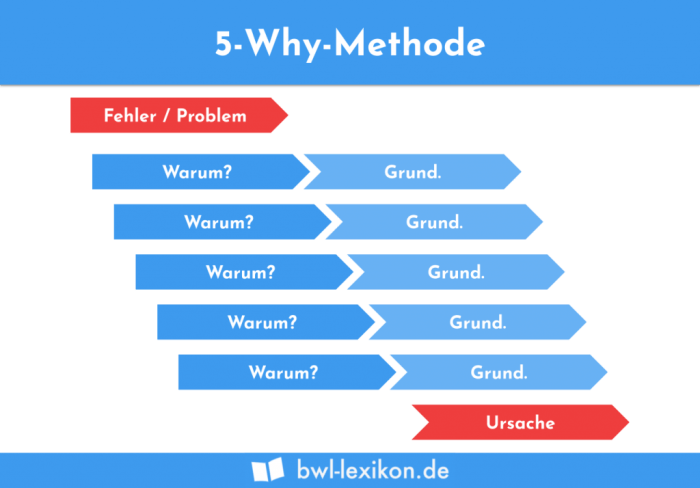
- The 5S Method: This approach involves organizing and maintaining a clean space by applying five steps: sort, set in order, shine, standardize, and sustain. It’s a holistic method focused on maintaining order.
- The Minimalist Approach: This method prioritizes owning only essential items, maximizing space and minimizing the stress associated with managing possessions.
Decluttering Specific Areas
Effective decluttering involves a systematic approach to each area of the home. This systematic approach reduces the overwhelming nature of the task, allowing for a more focused and efficient decluttering process.
- Wardrobe: Start by removing everything from the wardrobe. Carefully assess each item, considering its condition, suitability for the season, and personal style. Discard items that are damaged, outdated, or no longer worn. Fold or hang items neatly and return them to the wardrobe.
- Drawers: Empty each drawer completely. Sort through items, discarding duplicates, broken items, or unused items. Organize remaining items by category or use, ensuring each drawer has a clear purpose and everything is easily accessible.
- Shelves: Remove everything from the shelves. Assess each item, evaluating its value, usefulness, and condition. Discard items that are damaged, outdated, or no longer needed. Arrange remaining items by category or purpose to maintain a visually appealing and functional display.
Psychological Benefits of Decluttering
Decluttering isn’t just about tidiness; it offers significant psychological benefits. This process has profound effects on mental well-being.
- Reduced Stress: A cluttered environment can contribute to feelings of stress and anxiety. Decluttering creates a more peaceful and calming atmosphere, leading to a reduction in stress levels.
- Improved Focus: A tidy environment often promotes better focus and concentration. The absence of clutter reduces visual distractions, allowing for improved mental clarity and productivity.
- Increased Sense of Control: Taking control of one’s belongings and surroundings fosters a sense of accomplishment and control over one’s life.
Comparing Decluttering Methods
Different decluttering methods offer varying approaches. Understanding these differences allows individuals to choose the best strategy for their needs.
| Method | Focus | Pros | Cons |
|---|---|---|---|
| KonMari | Sparking joy | Highly motivating, encourages emotional connection with possessions | Can be time-consuming, might not suit everyone’s needs |
| Capsule Wardrobe | Versatility and minimalism | Reduces clothing clutter, encourages thoughtful purchasing | May not suit those who enjoy a large wardrobe |
| Minimalist | Essential items only | Reduces clutter, promotes mindful consumption | May feel restrictive to some |
Deciding What to Keep and Discard
A clear process for deciding what to keep and discard can significantly simplify the decluttering process. This process should be tailored to individual needs.
A simple flowchart can help visualize the decision-making process.
- Identify the item: Clearly define the item to be evaluated.
- Evaluate the item’s purpose: Assess its current use and potential future use.
- Consider its condition: Evaluate the item’s current state (damage, wear, functionality).
- Reflect on emotional attachment: Determine the emotional connection to the item.
- Make a decision: Keep, discard, or donate the item.
Items Typically Discarded
Spring cleaning isn’t just about a sparkly home; it’s about decluttering our lives. This process often reveals items we’ve accumulated, forgotten about, or simply outgrown. Identifying what we discard can help us approach future purchases with more intention and appreciate the things we truly need. We’ll now delve into the types of items commonly tossed during spring cleaning, exploring the reasons behind their disposal.Understanding why we discard certain items can help us make more mindful choices in the future.
This knowledge allows us to develop a more sustainable approach to consumption, minimizing waste and maximizing the lifespan of our belongings.
Commonly Discarded Items
Spring cleaning often reveals a surprising amount of items we no longer need or use. This section categorizes the most frequent items people discard, providing context for their disposal.
| Category | Item Examples | Reasons for Discarding |
|---|---|---|
| Clothing | Outdated styles, ill-fitting garments, clothes that no longer fit, damaged or stained clothes | Fashion trends change, personal style evolves, clothes become uncomfortable or impractical to wear, wear and tear from use. |
| Home Goods | Unused kitchen gadgets, broken decor, expired cleaning supplies, outdated furniture | Items that haven’t been used in a long time, items that have broken down, or items that have passed their use-by date. |
| Seasonal Items | Winter coats, summer swimsuits, holiday decorations, blankets | Items only used during a specific season and not needed otherwise, or those that have been stored improperly. |
| Household Items | Damaged or broken tools, expired medications, old batteries, empty containers | Items that have become damaged, broken, or expired, rendering them useless or potentially hazardous. |
Clothing Discardation
Many clothing items are discarded during spring cleaning due to a change in personal style or fashion trends. Items that no longer fit or are out of style often become candidates for disposal. Furthermore, damaged or stained clothes may be discarded due to their unsuitability for use. This is a common practice in many households.
Outdated and Unused Home Goods
Outmoded or unused home goods often accumulate over time. This can include kitchen appliances that haven’t been used, broken decorative items, or expired cleaning products. Sometimes, the desire to keep items can be stronger than the actual need. This is a common issue in decluttering. Outdated furniture is another common item to discard during spring cleaning.
Seasonal Items and Discardation
Seasonal items like winter coats, summer dresses, and holiday decorations are often discarded once the corresponding season ends. Their storage and maintenance can become problematic if not properly cared for. This is a common practice, especially when space is limited. The impracticality of keeping seasonal items can also be a factor in their disposal.
Household Items and Discardation
Damaged or broken tools, expired medications, and old batteries are examples of household items that become unnecessary or damaged during the off-season. Improper storage or handling of these items can lead to their eventual disposal. Outdated cleaning products, or products with expired dates, are also typically discarded.
Reasons for Discarding Items
Spring cleaning isn’t just about tidying up; it’s about making space for what truly matters. Discarding items, whether physical objects or emotional baggage, is a crucial part of this process. Understanding the reasons behind these decisions can help us make choices that align with our values and foster a more fulfilling life. It’s not about being ruthless, but about intentional letting go.Beyond the aesthetic appeal of a clutter-free space, the act of discarding items often carries profound psychological benefits.
Recognizing and addressing the underlying motivations behind these decisions is key to understanding the holistic process of spring cleaning. This involves understanding the interplay between practicality, emotional attachments, and our overall mental well-being.
Reasons for Discarding Unnecessary Items
Discarding items that are no longer useful or needed is a fundamental aspect of minimalism. This often involves assessing the practicality of each item. Items that are damaged, broken, or simply not serving a current purpose are prime candidates for disposal. The process can be as simple as donating items to a local charity or recycling them.
By eliminating unnecessary items, we free up space and mental energy.
Spring cleaning often means decluttering, and minimalists are masters at this! They’re ruthless with old clothes, expired beauty products, and anything they haven’t used in months. But while they’re purging, they might also consider tackling those pesky mosquitoes that invade during the warmer months. Knowing how to get rid of mosquitoes in the house here can be a spring cleaning task in itself.
And once you’ve tackled the bugs, you can truly focus on those remaining items that aren’t serving a purpose and are ready to be tossed out.
Psychological Reasons for Discarding Items Associated with Negative Emotions or Memories
Items can become associated with negative emotions or memories, creating a subconscious burden. Discarding such items can be a powerful therapeutic tool. For example, a worn-out journal filled with anxieties from a past relationship might hold onto those emotions. The act of discarding it symbolically releases those feelings. This doesn’t mean forgetting the memory, but rather acknowledging its impact and moving forward.
The Role of Sentimental Value in Discarding Items
Sentimental value is a complex factor in the decision-making process. Items with significant emotional connections, like a favorite childhood toy or a letter from a loved one, often hold immense sentimental value. These items can be deeply meaningful, evoking cherished memories. However, they can also weigh us down if they trigger painful emotions or are hindering our progress.
The key is to find a balance. Perhaps these items can be preserved in a dedicated memory box or shared with loved ones, rather than outright discarded. It’s about preserving the memories without allowing the physical objects to hold us back.
Impact of Perceived Clutter on Mental Well-being
A cluttered environment can contribute to feelings of stress and anxiety. The visual overload of excess possessions can affect our mental clarity and emotional stability. Studies have shown a correlation between a cluttered space and reduced focus. This perceived clutter can affect our mood and productivity. By decluttering, we create a more peaceful and focused environment.
Distinguishing Discarding from Letting Go
Discarding items is a physical action. Letting go is a psychological process. Discarding a broken vase is a physical act of getting rid of the item. Letting go involves releasing the emotional attachment to that object. While discarding is the action, letting go is the transformation of perspective.
It’s not about abandoning memories, but rather releasing the emotional hold they have on us. This involves acknowledging the past without being defined by it.
Minimalist Approach to Spring Cleaning
Spring cleaning, for many, is a time for a deep dive into their belongings. But for a minimalist, it’s a chance to truly evaluate what they need and what they don’t. This approach isn’t just about tidying up; it’s about cultivating a lifestyle that embraces less and appreciates more. It’s about letting go of the unnecessary and embracing the essentials.Minimalist spring cleaning isn’t about a frantic, one-day rush.
It’s a mindful process that involves thoughtful consideration and intentionality. It’s about decluttering not just your physical space, but also your mental space. The focus is on creating a life that is simpler, more intentional, and more fulfilling, all while maintaining a clean and organized environment.
Minimalist Principles in Spring Cleaning
Minimalism emphasizes owning only what is truly needed. This philosophy translates directly into spring cleaning. Minimalists don’t just clean; they evaluate. They ask themselves if each item serves a purpose and if it brings joy or value to their lives. This critical evaluation precedes any cleaning activity.
How Minimalists Approach Discarding Items
The minimalist approach to discarding items is fundamentally different from the typical approach. Minimalists don’t simply throw things away; they engage in a thorough evaluation process. They ask themselves questions like: “Do I truly need this item?” “Has this item served its purpose?” “Does this item bring me joy or stress?” “Is this item still functional and in good condition?” If the answer to these questions is no, or if the item doesn’t spark joy, it’s likely to be discarded.
Minimalist Approach to Organizing and Storing
Minimalists prioritize storage solutions that are both functional and aesthetically pleasing. They focus on maximizing space and minimizing clutter. This involves using storage containers that are visually appealing and functional. This could include clear bins, decorative boxes, or shelves. They often organize items by category and purpose, allowing for easy access and reducing the time spent searching for things.
Minimalist storage solutions are about practicality and beauty, not just about fitting things in.
Tips for Decluttering and Organizing in a Minimalist Way
- Evaluate ruthlessly: Before you start cleaning, take inventory of your belongings. Ask yourself if each item brings you joy, or if it’s simply taking up space. If an item hasn’t been used in a year, it’s a strong indicator that it might not be necessary.
- The one-in, one-out rule: For every new item you bring into your home, consider letting go of something similar. This helps maintain a consistent level of belongings.
- Declutter one area at a time: Don’t try to tackle your entire home at once. Focus on one room or a specific area. This approach makes the process less overwhelming and allows for a more thorough evaluation.
- Embrace minimalism in storage solutions: Use storage containers that are visually appealing and functional. Clear bins and decorative boxes can help you maintain a sense of order while keeping your belongings organized.
- Prioritize functionality and aesthetic appeal: When selecting storage solutions, ensure they’re both functional and visually pleasing. This creates a space that’s both organized and enjoyable.
- Maintain a minimalist lifestyle: Spring cleaning is a great starting point, but true minimalism involves consistent effort. This includes resisting the urge to acquire new items and focusing on using and appreciating what you already have.
Practical Tips and Strategies

Spring cleaning isn’t just about tidying up; it’s about decluttering with intention. A minimalist approach to spring cleaning focuses on evaluating the true value of items and parting with those that no longer serve a purpose. This process, when done effectively, leads to a more organized and fulfilling living space. By implementing the practical tips and strategies Artikeld below, you can streamline the decluttering process and achieve lasting results.Effective decluttering requires a thoughtful approach, not just a rapid purge.
Spring cleaning often means decluttering, and for minimalists, that often involves tossing out things like old cardboard drink holders. But before you toss that cardboard drink holder, consider the many creative ways to reuse it, like crafting unique storage solutions or even repurposing them into decorative pieces. Check out some inspiring ideas on ways to reuse your cardboard drink holder to spark your creativity and reduce waste.
These clever upcycling tips will help you embrace minimalism while keeping your home clutter-free.
This involves a careful assessment of items, understanding the reasons for discarding them, and implementing efficient storage solutions. This mindful approach helps to prevent future clutter and maintain a minimalist lifestyle.
Efficient Discarding Techniques
To discard items effectively, consider the “one in, one out” rule. When you acquire a new item, make a conscious effort to let go of something similar or less useful. This practice promotes intentional acquisition and prevents the accumulation of unnecessary possessions. Another helpful strategy is the “three-month rule.” If you haven’t used an item in three months, consider its necessity and potential for donation or disposal.
Minimalists often purge their homes of excess spring cleaning, tossing out anything they haven’t used in the past year. This spring, consider extending that decluttering ethos to your strawberry patch. Proper pruning, like a pro, as outlined in this helpful guide when and how to prune strawberries like a pro , will ensure a bountiful harvest and help you maintain a tidy garden, minimizing the things you’ll need to throw out later on.
This simple rule encourages a habit of regularly reviewing your belongings and releasing items that no longer serve you.
Storage Solutions Comparison
| Storage Method | Pros | Cons | Examples |
|---|---|---|---|
| Shelving Units | Versatile, good for displaying items, customizable | Can take up space, may require assembly | Bookcases, wall-mounted shelves, drawer units |
| Bins and Baskets | Affordable, visually appealing, can be easily moved | May not be as sturdy as other options, can be prone to spills if not properly sealed | Fabric storage bins, woven baskets, plastic storage bins |
| Under-bed Storage | Maximizes space under beds, hides items neatly | Limited accessibility, may not be suitable for heavy items | Under-bed storage boxes, storage drawers |
| Vacuum Storage Bags | Compresses items, saves space, good for seasonal items | Can be expensive, may not be suitable for delicate items | Vacuum-sealed bags, plastic storage bags |
This table provides a concise comparison of different storage methods, highlighting their respective advantages and disadvantages. Choosing the right storage solution depends on the specific needs and characteristics of the items you are storing.
Creating a Donation or Discard Plan
A donation or discard plan is crucial for a smooth decluttering process. Begin by sorting items into three piles: keep, donate, and discard. Categorizing items by their condition and potential usefulness helps to streamline the process. Next, identify suitable recipients for donations. This could be a local charity, a friend, or family member.
For discarded items, consider recycling options to minimize waste. Having a clear plan helps prevent confusion and maximizes the impact of your decluttering efforts.
Benefits of Organizing and Sorting
Organizing and sorting items before discarding them offers several key advantages. It allows for a thorough evaluation of each item, revealing its true value and usefulness. By separating items into categories, you gain a clearer understanding of what you own and what you need. This organized approach facilitates the decision-making process, leading to a more efficient and effective decluttering experience.
Evaluating Item Value and Usefulness, Things minimalists throw out every spring
Evaluating the value and usefulness of items involves considering factors like condition, sentimental value, and current need. Ask yourself if the item is in good condition, if it serves a current purpose, and if you’ve used it recently. If not, consider whether its value outweighs the space it occupies. An objective assessment of each item allows for informed decisions about what to keep, donate, or discard.
For sentimental items, carefully weigh the emotional connection against its practical value. This approach helps to create a truly minimalist space.
Environmental Impact of Discarding Items

Spring cleaning, while a time for renewal and freshness, often comes with a hidden cost: the environmental impact of discarding items we no longer need. This isn’t just about overflowing landfills; it’s a larger system issue that impacts our planet’s resources and overall well-being. We can lessen this burden and contribute to a healthier environment by understanding our waste and adopting more sustainable practices.Our disposal habits during spring cleaning contribute to a variety of environmental problems.
The manufacturing, transportation, and disposal of goods all consume resources and generate pollution. Every item we throw away represents a loss of resources that could have been reused or repurposed, and an increase in the strain on our planet’s finite resources.
Reducing Waste During Spring Cleaning
Understanding the environmental impact of discarding items is the first step to reducing waste during spring cleaning. The more we consciously choose to reduce, reuse, and recycle, the smaller our environmental footprint becomes. Adopting a minimalist approach, coupled with a conscientious approach to spring cleaning, creates a win-win scenario for both your home and the planet.
Repurposing and Donating Discarded Items
Many items discarded during spring cleaning can be repurposed or donated to those in need. This simple act can dramatically reduce waste and give new life to valuable resources. A little creativity can transform unwanted items into something useful. For instance, old clothing can be repurposed into cleaning rags or quilts, while broken furniture can often be repaired or used for decorative purposes in a new location.
- Repurposing Clothing: Consider turning old t-shirts into cleaning rags, or repurpose unwanted denim into bags or decorative accessories. This not only reduces textile waste but also creates unique, personalized items.
- Donating to Charities: Contact local charities or shelters to determine what items they need. Many organizations accept donations of clothing, furniture, and household goods. Donating these items reduces landfill waste and helps those in need.
- Selling or Trading Items: Online marketplaces or local consignment shops can provide a platform to sell or trade gently used items, extending their lifespan and generating revenue.
Sustainable Alternatives to Discarding Items
Discarding items isn’t the only option; there are sustainable alternatives. Repairing or fixing broken items rather than replacing them is a crucial step towards reducing waste. Seeking out second-hand or vintage items is another viable option, and often offers unique and charming additions to our homes.
- Repairing Instead of Replacing: Rather than throwing out a broken item, consider repairing it. This can involve a simple fix, or more complex repairs. Learning basic repair skills can extend the life of items and reduce waste.
- Buying Second-Hand: Look for vintage or used items to replace new purchases. Second-hand shops, online marketplaces, and consignment stores offer a treasure trove of unique and affordable items.
- Upcycling: Transforming old or unwanted items into something new and creative. For example, old jars can be repurposed into storage containers or planters, and old wooden crates can be transformed into unique side tables.
Reducing Waste Generated by Spring Cleaning
To minimize waste during spring cleaning, consider these steps:
- Declutter Intentionally: Before discarding items, carefully consider if they are truly unnecessary. If in doubt, keep the item for a period of time to see if it’s actually needed.
- Prioritize Repair: Focus on fixing broken items instead of immediately replacing them. Learning basic repair skills can save you money and resources.
- Donate or Sell Items: Consider donating or selling items that you no longer need, rather than discarding them. This helps reduce waste and benefits others.
Visual Representation of Spring Cleaning Discarding
Spring cleaning is more than just a chore; it’s a powerful opportunity for a fresh start. Transforming a cluttered space into a minimalist haven isn’t just about discarding items; it’s about reclaiming your space and simplifying your life. Visualizing the before and after is crucial for appreciating the impact of this process.This section delves into the visual aspects of spring cleaning, highlighting the transformation from clutter to minimalism.
We’ll explore a cluttered space, its minimalist counterpart, and the steps to achieve this transition. Visual aids are used to illustrate the process and the impact of discarding unnecessary items.
Cluttered Space Before Spring Cleaning
A cluttered space often feels overwhelming. Imagine a living room overflowing with knick-knacks, furniture piled high, and a general sense of chaos. Books are stacked haphazardly, clothes are strewn across chairs, and surfaces are covered in miscellaneous items. This visual overload can lead to feelings of stress and anxiety. The space feels cramped and suffocating, not inviting.
There’s a sense of disorganization, where items are piled up without any apparent order or purpose.
Minimalist Space After Spring Cleaning
Contrast this with a minimalist living room after spring cleaning. The space is now airy and open. Only essential furniture remains, strategically placed to maximize the room’s functionality. Surfaces are clear, showcasing a sense of calm and order. A few carefully selected decorative items enhance the aesthetic, rather than overwhelming it.
The space feels spacious and inviting, a sanctuary for relaxation and contemplation. The careful curation of items fosters a sense of peace and order.
Visual Representation of the Minimalist Spring Cleaning Process
Imagine a large, divided graphic. On the left side, a photograph of a cluttered room. On the right, the same room after the spring cleaning process. The graphic can visually represent the transition with arrows connecting the two images, labeled with steps of the process.
Step-by-Step Process of Transforming a Cluttered Space
The transformation from a cluttered space to a minimalist one involves a systematic approach.
- Assessment and Categorization: Carefully examine each item in the room. Ask yourself: Is this item useful? Do I love it? Does it bring me joy? Categorize items into keep, donate, discard, and repair piles.
- Decluttering and Discarding: Start with one area at a time, such as a bookshelf or a table. Discard items that no longer serve a purpose or bring you joy. Dispose of broken or unusable items responsibly. Consider donation for items in good condition.
- Repurposing and Repairing: Evaluate items in the “repair” pile. Can they be repaired or repurposed? Repurpose items creatively. This can be a great way to give a second life to items that you might otherwise discard.
- Organizing and Arranging: Organize items that you keep. Use storage solutions to maximize space and maintain order. Arrange items in a way that maximizes functionality and aesthetics.
- Maintaining the Minimalist Lifestyle: Regularly review your possessions. Avoid accumulating new items unless they truly serve a purpose or bring joy. The key is to live with fewer items, but to have them carefully chosen and well-loved.
Visual Impact of Discarding Unnecessary Items
Discarding unnecessary items creates a profound visual impact. The space instantly feels lighter, brighter, and more inviting. The removal of clutter frees up mental space and creates a sense of calm and clarity. This visual transformation reflects a minimalist approach to life, where less is more. Visual cues, like open space and well-organized items, create a more welcoming and comfortable environment.
Outcome Summary: Things Minimalists Throw Out Every Spring
In conclusion, spring cleaning for minimalists isn’t about a quick tidy-up; it’s a journey of intentional living. By understanding the mindset and methods behind discarding items, you can create a more organized, meaningful, and ultimately happier space. The process isn’t about getting rid of things, but about consciously choosing what resonates with you, freeing up space for the things that truly bring joy.