



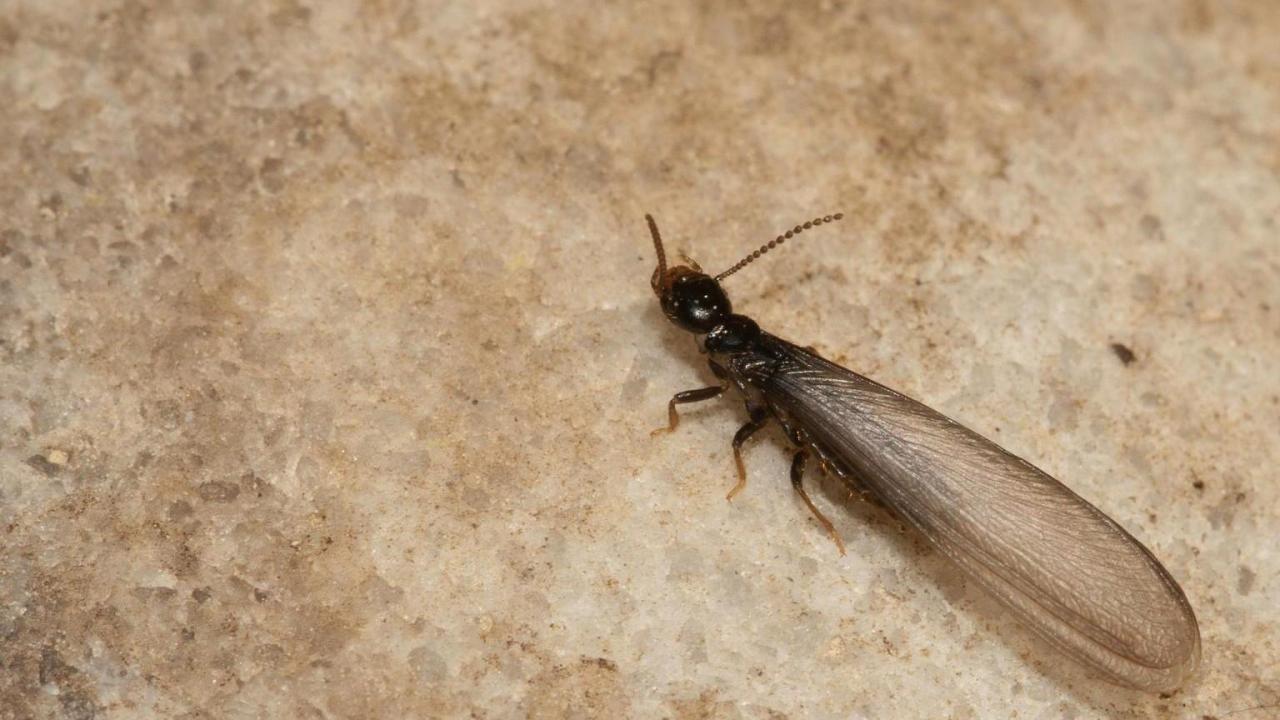
Termite damage vs wood rot – Termite damage vs. wood rot sets the stage for this deep dive into identifying and understanding these destructive forces. Both can wreak havoc on your property, but their origins, visible signs, and treatment methods differ significantly. We’ll explore the characteristics of each, from initial stages to advanced damage, to help you discern between these common culprits.
This guide breaks down the intricacies of termite damage and wood rot, offering a comprehensive comparison of their key features. We’ll examine the visual, structural, and even auditory differences to help you identify these problems early and efficiently. From visual inspections to detailed case studies, you’ll gain the knowledge to protect your home and assets.
Introduction to Damage Types
Understanding the subtle yet destructive differences between termite damage and wood rot is crucial for homeowners. Both can cause significant structural damage, but their origins, visible signs, and preferred environments differ considerably. Proper identification is vital for effective and timely remediation.Termite damage and wood rot are both serious threats to wooden structures, but they stem from entirely different causes.
Termites are social insects that feed on cellulose, while wood rot is a result of fungal or bacterial activity. Knowing these fundamental differences will greatly influence how you approach assessment and treatment.
Common Characteristics of Damage
Both termite damage and wood rot manifest with noticeable signs. Careful observation is key to early detection, allowing for quicker and more effective solutions.
- Visible Signs: Look for hollowed-out areas, sagging floors, or uneven surfaces. Discolored or soft spots on wood, as well as the presence of fungal growth, are also indications of wood rot. Termites often leave behind small piles of sawdust-like debris, which can indicate their presence.
- Typical Locations: Termites commonly target wooden structures, including framing, subfloors, and furniture. Wood rot is prevalent in areas exposed to moisture, such as windowsills, eaves, and foundations. Areas with poor ventilation or inadequate drainage are also more susceptible.
Comparison of Initial Stages
Identifying the initial stages of damage is essential for effective treatment. The following table Artikels key differences between termite damage and wood rot in their early stages:
| Characteristic | Termite Damage | Wood Rot |
|---|---|---|
| Initial Appearance | Small, inconspicuous holes or tunnels, often accompanied by sawdust-like debris. The wood may appear slightly discolored, but the initial damage is usually subtle. | Small, localized discolored areas or soft spots. The wood might feel slightly spongy or have a change in texture, though it may not be immediately obvious. |
| Texture | The affected wood may appear intact, but with hollowed-out areas internally. The texture may be slightly different but not obviously decayed. | The affected wood is often soft, spongy, or crumbly. This is a clear indicator of weakening and decay. |
| Sound | Tapping on the affected wood might reveal a hollow sound, indicating the presence of empty spaces created by the termites. | Tapping on the affected wood may produce a dull or muffled sound, reflecting the weakening of the wood fibers. |
Identifying Termite Damage
Spotting termite damage can be tricky, as it often develops subtly, sometimes going unnoticed until significant structural damage occurs. Knowing the telltale signs, however, can save you from costly repairs and structural issues. This section delves into the various methods for identifying termite damage, from simple visual inspections to more sophisticated techniques.Identifying termite damage is crucial for prompt intervention and effective treatment.
Early detection minimizes the extent of damage and prevents further infestation. Understanding the patterns and characteristics of termite damage allows for accurate assessment and targeted remediation strategies.
Visual Inspection Techniques
Visual inspections are often the first step in identifying termite damage. A thorough examination of potential entry points and areas of suspected infestation is essential. Careful observation can reveal signs of past or current activity. Look for the telltale signs of termite damage, which often go unnoticed until significant damage has occurred.
- Look for mud tubes: These are the most obvious sign of termite activity, appearing as small, earthen tubes that run along the foundation or up the exterior walls. They act as tunnels for termites and indicate an active infestation.
- Examine wood for hollow sounds: Using a screwdriver or similar tool, tap on suspect areas of wood. If the sound is hollow, it indicates that termites have eaten through the wood, creating an empty space inside. This hollow sound is a significant indicator of extensive termite damage.
- Search for damaged wood: Look for wood that is soft, crumbly, or discolored. Termites eat wood, and the resulting damage can be a range of colors, from a light beige to a darker brown, depending on the wood type. Be observant for signs of wood degradation or deterioration.
Specialized Tools and Techniques
Beyond visual inspection, specialized tools and techniques can provide a more precise diagnosis. These methods are particularly useful for detecting damage that is not immediately visible.
- Moisture meters: These devices measure the moisture content in wood, a critical factor in termite activity. Termites prefer moist wood, so elevated moisture levels are a potential indicator of termite presence.
- Termite detection cameras: These specialized cameras allow for the visualization of areas that are difficult to access or inspect visually. They use infrared or other technologies to highlight areas of termite activity.
- Wood borers: These tools, similar to small drill bits, can be used to sample wood and look for signs of termite tunneling or galleries. The resulting samples can be analyzed under a microscope to confirm the presence of termites.
Examples of Termite Damage Patterns
Termite damage patterns can vary depending on the type of wood and the species of termite.
| Wood Type | Damage Pattern |
|---|---|
| Softwoods (e.g., pine, fir) | Termites often create a network of tunnels and galleries throughout the wood. The tunnels are typically interconnected, forming a maze-like pattern. |
| Hardwoods (e.g., oak, maple) | Termites might focus on eating the wood’s softer inner layers. This can lead to the wood becoming hollow or brittle, and the damage may not be as extensive as in softwoods. |
| Pressure-treated lumber | Termites can still damage pressure-treated lumber, although the treatment may slow their progress. However, the damage patterns may be more concentrated and less widespread than in untreated wood. |
Flowchart for Identifying Termite Damage
This flowchart Artikels the steps involved in identifying termite damage.
Flowchart Image Description: [A visual representation of a flowchart with boxes representing steps. The first box is “Suspected Termite Damage”. The next box is “Visual Inspection” leading to “Mud Tubes Present?” and “Wood Sounds Hollow?”. If yes, the flow continues. If no, it goes to “Further Investigation”. “Further Investigation” leads to “Moisture Meter Check” and “Specialized Camera Inspection”. The result of these inspections feeds back to the visual inspection stage, creating a loop for continuous assessment. The flowchart ends with a “Termite Damage Confirmed” box.]
Identifying Wood Rot
Wood rot, a common issue affecting wooden structures, can significantly impact their structural integrity. Understanding the different types of wood rot, their visual characteristics, and the methods of identification is crucial for effective preventative measures and repairs. This knowledge helps homeowners and professionals distinguish between wood rot and other wood-damaging agents, such as termites.Identifying wood rot involves recognizing the telltale signs of fungal decay, which manifest in distinct patterns and textures.
Proper identification leads to accurate diagnoses and targeted treatments, ensuring the longevity and structural soundness of the affected wood.
Types of Wood Rot
Different types of fungi cause various forms of wood rot, leading to distinct visual and structural changes. Understanding these types helps in the accurate identification and treatment of the problem.
Figuring out termite damage versus wood rot can be tricky, but understanding the differences is key to effective home maintenance. Before you start packing for college, though, you might want to check out this helpful college living packing list to make sure you’re prepared. Ultimately, knowing the tell-tale signs of termite damage and wood rot is crucial for preventing further issues, especially if you’re renting or buying a home in the future.
Visual and Structural Characteristics of Wood Rot
Wood rot is characterized by a range of visual and structural changes. These alterations provide clues about the type and extent of the decay. The discoloration, softening, and weakening of the wood are crucial indicators of the presence and severity of rot. For example, brown rot is often characterized by a distinct color change, while white rot can exhibit a more uniform degradation across the wood’s structure.
Methods of Identifying Wood Rot
Several methods can help identify wood rot. Visual inspection is a primary method, involving careful observation of the affected wood for discoloration, texture changes, and structural weakening. Using specialized tools, like moisture meters, can aid in detecting moisture levels, which are often associated with fungal growth. In some cases, core samples or cross-sections of the wood may be necessary for a definitive diagnosis, particularly when the decay is extensive or deep-seated.
Table of Wood Rot Types and Characteristics
| Type | Appearance | Texture | Structure |
|---|---|---|---|
| Brown Rot | Often characterized by a reddish-brown or light brown discoloration, with a sometimes darkened or streaked appearance. The wood may also appear brittle and crumbly in advanced stages. | Initially, the wood may feel slightly rougher than healthy wood, but as decay progresses, it becomes increasingly brittle and powdery. | Brown rot typically causes the wood to shrink and split along the grain, creating a honeycombed or pitted appearance. The wood loses its strength and stiffness in affected areas. |
| White Rot | Generally characterized by a whitish or grayish discoloration, sometimes with a slightly yellowish tinge. The wood may appear bleached or bleached-out, with the loss of lignin making the wood look more fibrous and less dense. | White rot often feels softer and more fibrous than healthy wood, with the lignin being degraded. The texture is often described as spongy or fluffy. | White rot causes a uniform decay throughout the wood, often resulting in the complete loss of the wood’s structural integrity. The wood may become extremely weak and brittle, leading to structural instability. |
Distinguishing Between the Two
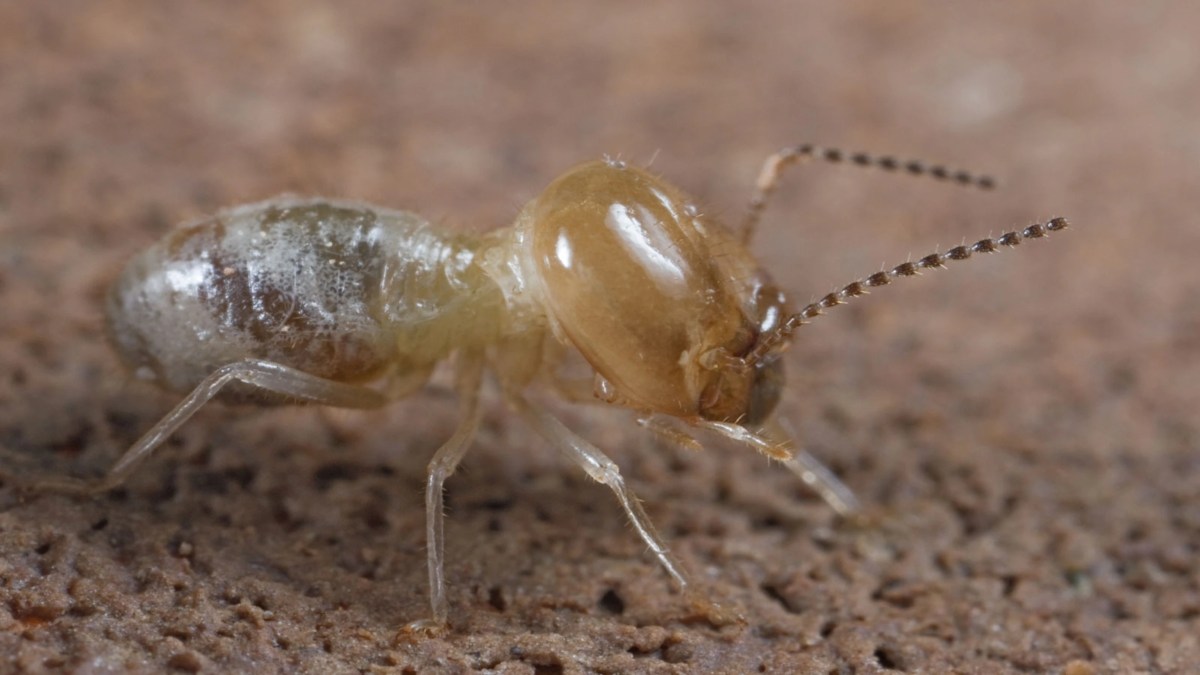
Identifying whether damage to your home’s wood is caused by termites or wood rot is crucial for effective treatment. Both pests cause significant structural issues, but their methods and the resulting damage differ considerably. Understanding these differences allows for accurate diagnosis and tailored solutions.
Damage Pattern Comparison
Termites and wood rot, while both destructive, exhibit distinct damage patterns. Termites typically create a network of tunnels, often leaving behind a frass (termite droppings) trail. These tunnels, though intricate, may not always be readily visible, and their presence can indicate a hidden infestation. Wood rot, on the other hand, manifests as soft, decayed areas in the wood.
The rot often progresses along grain lines, creating a characteristic spongy or mushy texture. The discoloration associated with rot varies, from light gray to dark brown or black, depending on the type of rot. These visual cues are essential for proper identification.
Structural Differences
The structural changes caused by termites and wood rot are also important considerations. Termites consume wood, effectively hollowing out sections of the structure, while leaving the external structure intact. Wood rot, however, weakens the wood’s fibers, making it brittle and prone to cracking and crumbling. This weakening can compromise the structural integrity of the affected area, making it susceptible to further damage.
Figuring out termite damage versus wood rot can be tricky, but it’s crucial for effective repairs. While dealing with these issues, you might also encounter cutworms, which can cause significant damage to plants and young seedlings. Learning how to get rid of cutworms here is a separate challenge but understanding the different types of wood damage is essential for identifying the right solution.
Ultimately, knowing the difference between termite damage and wood rot is key to fixing your home’s structural issues.
In severe cases, wood rot can cause significant load-bearing structural problems.
Stages of Damage
Understanding the stages of damage can aid in determining the extent of the infestation or decay. Termite damage often progresses from initial tunneling to the complete destruction of wood support systems. Different species of termites have different feeding habits, and the damage can vary accordingly. Wood rot, conversely, typically starts subtly with minor discoloration and softening, which, if left untreated, can lead to extensive decay and structural weakening.
Early detection is crucial in both cases to minimize the extent of the damage.
Key Differences Summarized
| Characteristic | Termite Damage | Wood Rot |
|---|---|---|
| Damage Pattern | Tunnels, frass trails, often hidden; wood may appear intact superficially | Soft, decayed areas; discoloration along grain lines; spongy or mushy texture; visible weakening |
| Wood Structure | Wood is consumed internally, creating cavities; outer structure may be relatively untouched | Wood fibers are weakened and broken down; wood becomes brittle and prone to cracking; structural integrity is compromised |
| Moisture Level | Termites can thrive in various moisture conditions, but high moisture levels can accelerate damage | Wood rot thrives in high moisture environments; moisture is a key factor in the progression of rot |
Prevention and Treatment
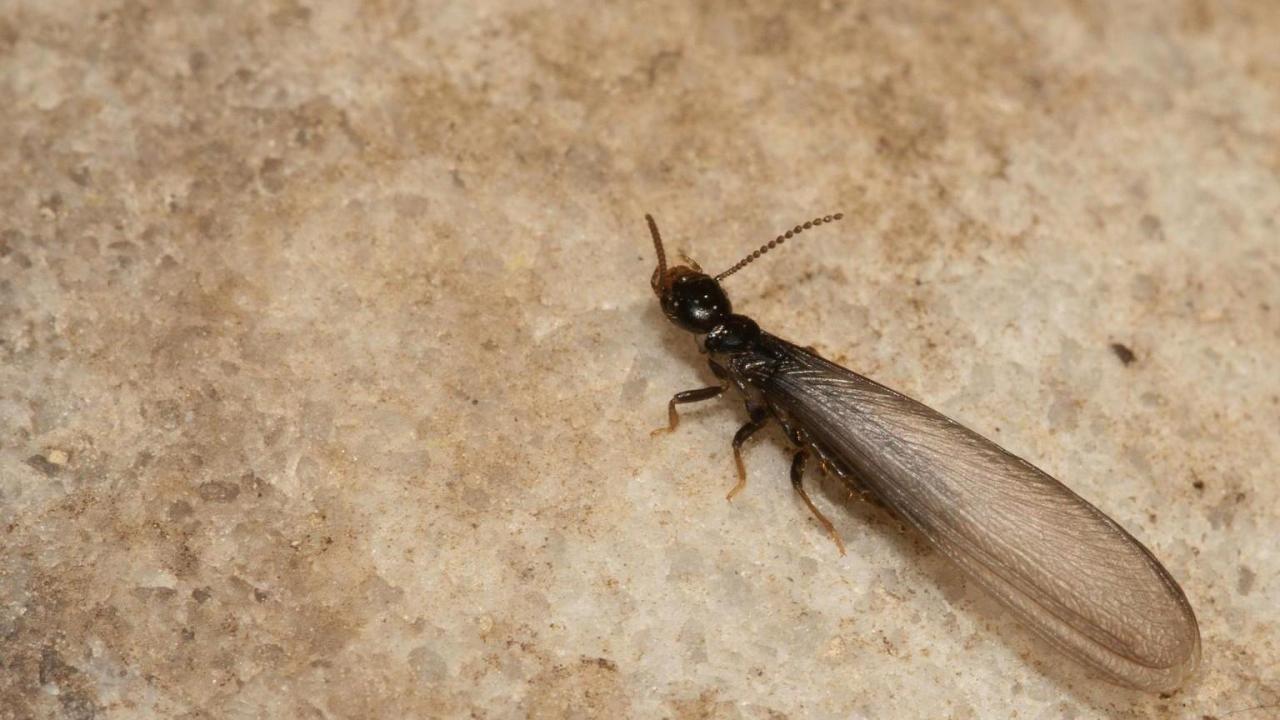
Protecting your home from termite and wood rot damage requires a proactive approach, combining preventative measures with swift treatment strategies. Understanding the specific methods for each type of damage is crucial for effective long-term protection. Ignoring these issues can lead to costly repairs and structural compromises.A proactive strategy for preventing and treating both termite and wood rot damage involves regular inspections, prompt action, and employing appropriate treatment methods.
This approach minimizes the risk of extensive damage and ensures structural integrity.
Preventing Termite Damage
Preventing termite infestations is essential to avoid the significant damage they can cause. Early detection and prevention are key to protecting your home’s foundation and wooden structures. Implementing preventive measures, like eliminating potential food sources and creating barriers, can significantly reduce the risk of infestation.
Figuring out termite damage versus wood rot can be tricky, but knowing the difference is key for effective repairs. Sometimes, repurposing materials, like old shopping bags, can be a surprisingly useful technique when dealing with these issues. For example, you could use ways to reuse shopping bags to cover affected areas temporarily while you work out the best long-term solution.
Ultimately, understanding the distinctions between termite damage and wood rot is crucial for successful home repairs.
- Eliminate moisture sources: Damp wood and soil are attractive to termites. Addressing plumbing leaks, fixing gutters, and ensuring proper drainage around your home can greatly reduce termite activity.
- Maintain proper yard care: Keep grass trimmed, remove debris, and avoid overwatering. These measures help reduce moisture and deter termites.
- Use termite barriers: Applying termite-resistant barriers around the foundation and exterior wooden structures can create a physical barrier against termite entry. These barriers are usually made of treated wood or chemicals that deter termites.
- Regular inspections: Professional inspections can identify potential termite activity early. Early intervention is crucial for effective control and minimizing damage.
Preventing Wood Rot
Wood rot is a common issue caused by fungi that thrive in damp environments. Understanding the environmental factors that promote wood rot is crucial to prevention. By controlling moisture levels and maintaining proper ventilation, you can effectively prevent rot from developing.
- Proper ventilation: Ensure proper airflow around wood structures. This reduces moisture buildup, a key factor in wood rot development.
- Control moisture: Address moisture problems, such as leaky roofs, faulty gutters, and excessive moisture around foundation walls. These issues are common contributors to wood rot.
- Maintain proper drainage: Ensure proper water drainage around the foundation and exterior of your home to prevent moisture accumulation.
- Use rot-resistant wood: Using treated wood in areas prone to moisture, like exterior siding or decking, is an effective preventative measure.
Treating Termite Damage
Treating termite damage involves several approaches. The best course of action depends on the severity and extent of the infestation.
- Chemical treatment: Professional pest control services often use chemicals to eliminate termites. This treatment method targets the entire termite colony and their pathways. Careful consideration must be given to the specific chemicals used to ensure safety and efficacy.
- Physical barriers: Installing physical barriers, like termite shields, around the foundation and wooden structures can prevent future infestations. These barriers help create a physical barrier against termite entry and are often used in conjunction with chemical treatments.
- Repair and replacement: Damaged wood must be repaired or replaced. This ensures structural integrity and prevents future termite infestations. Consider using termite-resistant materials in replacement projects.
Treating Wood Rot
Wood rot treatment involves identifying the source of the rot and addressing the underlying moisture problem. The treatment strategy depends on the severity and extent of the damage.
- Removing damaged wood: Removing any affected wood is crucial to prevent further rot spread. This often involves careful removal and replacing with rot-resistant materials.
- Addressing moisture problems: Repairing leaks, improving drainage, and ensuring proper ventilation are essential to prevent future rot development. These preventative measures are as important as treating the current damage.
- Applying fungicides: Professional treatment often involves applying fungicides to the affected wood. These chemicals can help kill the fungi and prevent further rot. The specific fungicide and application method will depend on the type of wood and the extent of the damage.
- Replacing rotted wood: Replacing damaged wood with treated or rot-resistant materials is often necessary for long-term structural integrity.
Early detection and proactive prevention are essential to minimizing the impact of both termite and wood rot damage. Prompt action prevents extensive structural damage and costly repairs.
Case Studies: Termite Damage Vs Wood Rot
Unveiling the subtle differences between termite damage and wood rot requires a closer look at real-world examples. These case studies demonstrate the varying degrees of destruction each can inflict, helping homeowners understand the extent of the problem and its unique characteristics. Visual aids will be used to showcase the damage, allowing for a more comprehensive understanding.
Termite Damage Scenarios
Termites, often insidious in their approach, gradually undermine the structural integrity of wood. Initial stages of termite infestation are frequently missed, as damage is often concealed within the wood. The following examples showcase the progression of termite damage, from initial signs to significant structural concerns.
- Early Stage Damage: A small, inconspicuous area of wood shows subtle, light-colored tunnels or galleries. The wood itself might appear relatively intact but with a slightly softer texture. A magnifying glass or careful examination is required to discern these initial indicators.
- Moderate Damage: A larger section of wood exhibits extensive tunneling, with noticeable hollowing out. The wood might be noticeably weakened, potentially causing sagging or warping. The presence of termite wings or shed skins in the area could provide additional confirmation. A visible reduction in the structural integrity is apparent.
- Severe Damage: A substantial portion of the wooden structure, such as a support beam or floor joist, is severely compromised. The wood may be completely hollowed out, with minimal remaining structural integrity. The weight-bearing capacity of the affected area is significantly diminished. The wood might exhibit a powdery, frass-filled appearance, a byproduct of termite activity.
Wood Rot Scenarios
Wood rot, on the other hand, is characterized by the visible degradation of wood fibers. Unlike termites, wood rot isn’t a hidden process; its presence is often obvious. Different types of rot develop in various conditions, leading to different levels of damage.
- Early Stage Damage: A small area of wood shows discoloration, often a grayish or brownish tint. The wood might feel slightly spongy or soft to the touch. This stage is crucial to identify early to prevent further damage.
- Moderate Damage: A larger area of wood exhibits extensive discoloration and softening. The wood might show crumbling or flaking. A noticeable change in the wood’s texture and structure is visible.
- Severe Damage: A significant portion of the wood is severely decayed. The affected area might collapse or show gaping holes. The wood might be reduced to dust or a loose granular material. The structural integrity of the affected area is severely diminished.
Comparing Damage Levels
A crucial aspect of damage assessment is understanding the differences in damage caused by termites and wood rot.
| Characteristic | Termite Damage | Wood Rot Damage |
|---|---|---|
| Visibility | Often hidden, requiring close inspection | Usually visible discoloration and softening |
| Appearance | Tunnels, galleries, frass | Discoloration, crumbling, holes |
| Texture | Soft spots, hollowing | Spongy, crumbling, loose |
| Structural Impact | Weakened supports, sagging | Collapsed areas, loss of support |
Visual Examples, Termite damage vs wood rot
Imagine a picture showing a wooden beam. In one section, small, light-colored tunnels are visible. This indicates early-stage termite damage. Another section of the beam exhibits significant discoloration and crumbling. This represents moderate-to-severe wood rot.
A third section displays a large area of hollowed-out wood, with a powdery appearance. This represents severe termite damage. These visual examples illustrate the different levels of damage, from minor signs to substantial structural compromise. Detailed examination of the affected area and comparison with the characteristics Artikeld in the previous sections is essential to determine the cause and extent of the damage.
Concluding Remarks
In conclusion, understanding the distinctions between termite damage and wood rot is crucial for homeowners. While both can cause substantial structural damage, their causes, symptoms, and solutions differ significantly. By mastering the identification techniques and prevention strategies Artikeld here, you’ll be better equipped to safeguard your property from these destructive forces. Early detection is key, and this guide provides the necessary tools to achieve that.