


Spruce trees and shrubs, a diverse group of coniferous evergreens, offer a captivating array of sizes, shapes, and ecological roles. This guide delves into the fascinating world of spruce, from their defining characteristics to cultivation tips, uses, and environmental impact. Understanding spruce trees and shrubs allows for appreciation of their varied beauty and importance in different ecosystems.
Spruce species display remarkable adaptations to a wide range of climates and soil types. This guide explores the commonalities and differences among these species, providing insights into their individual traits and ecological niches.
Introduction to Spruce Trees and Shrubs
Spruce trees and shrubs, members of thePicea* genus, are a significant component of various coniferous forests worldwide. They are distinguished from other conifers like pines and firs by their needle-like leaves arranged spirally along the branches, and their cone shape. Their adaptability to diverse climates and soils makes them valuable for forestry and landscaping purposes. Understanding their characteristics, ecological roles, and diverse forms is crucial for effective conservation and sustainable management.Spruce species exhibit a range of characteristics that contribute to their success in diverse environments.
Common features include their conical or pyramidal shapes, typically with dense foliage and often exhibiting a strong, upright growth habit. The distinctive appearance of their foliage and cone structure, alongside their adaptability to varying conditions, makes spruce easily identifiable and recognizable.
Common Characteristics of Spruce
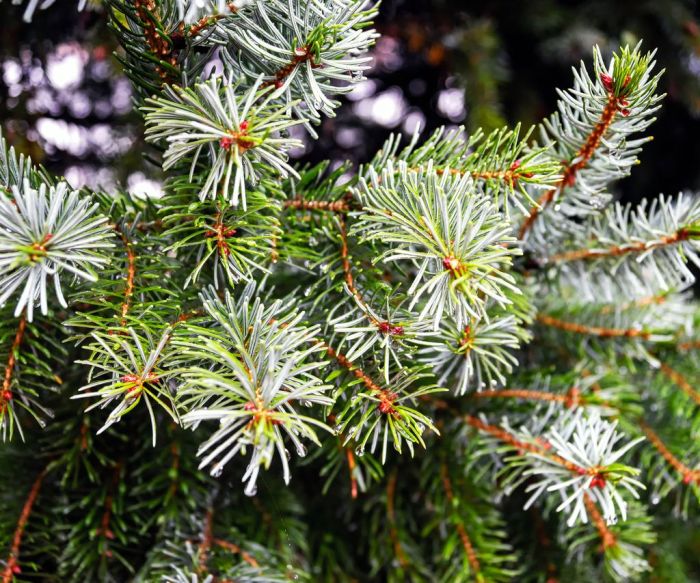
Spruce trees and shrubs share several key characteristics that distinguish them from other conifers. Their leaves are needle-like, typically arranged spirally along the branches, a defining feature. These needles are typically 1-3 cm long, varying in shade from dark green to bluish-green, depending on the species. Spruce cones are also characteristic, typically erect, and woody, with scales bearing seeds.
Distinguishing Features
While conifers share similarities, spruce species display unique traits. The arrangement of the needles on the branches is a crucial distinguishing feature. Spruce needles are typically four-sided, a distinct characteristic not found in all conifers. Also, the shape of the cones and the way they are attached to the branches offer important clues for species identification.
Spruce trees and shrubs are beautiful additions to any landscape, but maintaining their surrounding areas is key. Keeping up with the upkeep of your home’s floors, like vacuuming your carpets regularly, is just as important. Proper carpet care, such as how often to vacuum carpet, how often to vacuum carpet , directly impacts the overall health and aesthetic appeal of your property, mirroring the delicate beauty of well-maintained spruce trees and shrubs.
Size, Shape, and Growth Habits
Spruce species exhibit a remarkable range of sizes, shapes, and growth habits. Some are small, shrubby forms, while others grow into towering trees, reaching heights of over 50 meters. The shape of the trees can vary from conical to broad pyramids, depending on the species and growing conditions. Their growth habits, from fast-growing to slow-growing, also reflect their diverse adaptations to different environments.
For instance,
- Picea abies* (Norway spruce) is known for its fast growth rate compared to
- Picea mariana* (black spruce), which is better adapted to harsh northern climates.
Ecological Roles
Spruce trees and shrubs play crucial ecological roles in various ecosystems. They are a vital component of boreal forests, contributing significantly to the biodiversity and stability of these regions. Their dense canopies provide habitat for a variety of animals, while their roots help stabilize soil and prevent erosion. Spruce also plays a key role in nutrient cycling and carbon sequestration.
Species Overview
| Tree/Shrub Type | Average Height (m) | Common Locations | Key Characteristics |
|---|---|---|---|
| Norway Spruce (Picea abies) | 25-40 | Europe, North America | Fast-growing, pyramidal shape, bluish-green needles |
| Black Spruce (Picea mariana) | 15-25 | Northern North America | Slow-growing, conical shape, dark green needles, tolerant of cold and poor soils |
| Engelmann Spruce (Picea engelmannii) | 20-40 | Western North America | Medium-growing, conical shape, bluish-green needles, adapted to mountainous regions |
| White Spruce (Picea glauca) | 20-40 | Northern North America | Fast-growing, broad pyramidal shape, bluish-green needles, known for resilience to harsh climates |
Types and Varieties of Spruce
Spruce trees, renowned for their elegant form and adaptability, encompass a diverse array of species. From the towering giants of the boreal forests to the smaller, more compact shrubs, each species exhibits unique characteristics that allow them to thrive in a wide range of environments. Understanding these variations is crucial for successful cultivation and appreciation of these valuable plants.Spruce species exhibit remarkable variation in their physical attributes, including foliage, bark, and cone structure.
These variations reflect the diverse adaptations that allow them to flourish in specific ecological niches. Different spruce species have evolved unique strategies for acquiring resources, tolerating environmental stresses, and ensuring reproductive success.
Species Identification
Various spruce species exhibit notable differences in their physical characteristics. Distinguishing between them requires careful attention to details such as needle arrangement, bark texture, and cone morphology. Accurate identification is essential for proper care and management of spruce trees and shrubs.
Foliage Variations
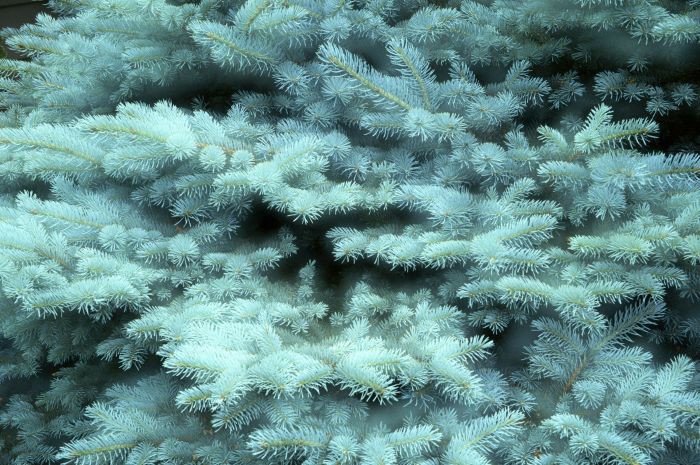
The needles of spruce trees are typically arranged in a spiral pattern on the branches. However, the exact arrangement, needle length, and color can vary significantly between species. Some species have short, sharp needles, while others have longer, more flexible ones. The color of the needles, ranging from deep green to bluish-green, can also be a key identifier.
Spruce trees and shrubs are beautiful additions to any garden, providing a touch of evergreen elegance. Thinking about the different types of plants that thrive in similar conditions, it got me wondering about the longevity of coleus, a plant often used for its vibrant colors. To find out if coleus is a perennial, check out this helpful resource: is coleus a perennial.
Ultimately, spruce trees and shrubs, with their needle-like leaves, offer a great contrast and complement these vibrant plants, creating a well-rounded landscape.
Bark Characteristics
The bark of spruce trees displays diverse characteristics. Some species have smooth, thin bark, while others exhibit thick, furrowed, or scaly bark. The texture and color of the bark, like the needles, can help in species identification.
Cone Structures
Spruce cones, crucial for reproduction, vary in shape, size, and color. The shape, size, and color of the cones provide a crucial tool for distinguishing between species. The scales that make up the cones also display variations in texture and color.
Adaptations to Climates and Soil
Spruce species have developed specific adaptations to thrive in various climates and soil conditions. For example, some species are highly tolerant of cold temperatures and poor drainage, while others prefer warmer, well-drained soils. These adaptations are directly linked to their geographical distribution.
Geographical Distribution
The distribution of spruce species is closely tied to their environmental tolerances. Some species are primarily found in specific regions, reflecting the particular climate and soil conditions they require. Others have a broader distribution, indicating a greater adaptability.
Spruce Species Table
| Scientific Name | Common Name | Height (ft) | Primary Regions |
|---|---|---|---|
| Picea abies | Norway Spruce | 60-80 | Europe, North America |
| Picea engelmannii | Engelmann Spruce | 50-80 | Western North America |
| Picea glauca | White Spruce | 50-70 | Canada, Northern United States |
| Picea mariana | Black Spruce | 20-40 | Canada, Northern United States |
| Picea pungens | Colorado Blue Spruce | 50-70 | Rocky Mountains |
Cultivation and Maintenance
Spruce trees and shrubs, with their distinctive conical shapes and needle-like foliage, are popular choices for landscaping. Their resilience and aesthetic appeal make them valuable additions to gardens and yards. However, successful cultivation requires understanding their specific needs and implementing appropriate maintenance practices.Ideal growing conditions vary depending on the specific spruce variety. Understanding these factors ensures optimal growth and health.
Providing appropriate care for your spruce will lead to a long-lasting and beautiful addition to your property.
Ideal Growing Conditions
Spruce trees and shrubs thrive in a variety of conditions, but certain factors are crucial for their optimal development. Sunlight exposure, soil type, and water availability directly impact their growth and health. Proper consideration of these elements is key to maintaining healthy and vibrant spruce.Sunlight requirements vary depending on the specific species. Some prefer full sun, while others thrive in partial shade.
Adequate sunlight ensures proper photosynthesis and overall vigor. Observe the mature size of the spruce and its natural habitat to determine the ideal light exposure.Soil type plays a significant role in spruce health. Well-drained, acidic soils are generally preferred. The pH level of the soil should ideally fall between 5.5 and 6.5. Adding organic matter, such as peat moss, to the soil can help improve drainage and aeration.Consistent moisture is important, but overwatering should be avoided.
Spruce trees and shrubs generally prefer consistently moist soil, but not waterlogged conditions. Proper drainage is essential to prevent root rot. Consider the local climate and rainfall patterns when determining the appropriate watering schedule.
Planting and Establishing New Spruce
Planting spruce trees and shrubs requires careful attention to detail. Appropriate planting techniques promote healthy root development and rapid establishment. Correct planting procedures contribute to the long-term health and beauty of your spruce.Prepare the planting hole to be twice as wide and just as deep as the root ball. Loosen the soil around the roots gently before placing the plant in the hole.
Backfill the hole with the excavated soil, ensuring the root ball is completely covered. Water thoroughly after planting.Mulching around the base of the plant helps retain moisture and suppress weeds. A 2-3 inch layer of organic mulch is sufficient. Mulching conserves moisture and helps regulate soil temperature.
Pruning and Shaping, Spruce trees and shrubs
Pruning is an essential part of spruce maintenance. Regular pruning promotes a healthy, well-shaped tree or shrub. Proper pruning techniques lead to a visually appealing and well-maintained plant.Pruning should be done in late winter or early spring before new growth begins. Light pruning can be done more frequently. Heavy pruning, on the other hand, should be limited to every few years.Use sharp, clean pruning shears or loppers for precise cuts.
Spruce trees and shrubs are beautiful additions to any garden, but keeping them trimmed and healthy requires the right tools. For precise and efficient pruning, choosing the right loppers is crucial. Consider these top choices for loppers to ensure your spruce trees and shrubs maintain their vibrant shape and health. top choices for loppers will help you navigate the market and find the perfect fit.
With the right tools, your spruce trees and shrubs will thrive.
Avoid damaging the bark or branches, and ensure the cuts are made at a 45-degree angle. Correct cuts prevent disease and promote healthy growth.
Pest and Disease Management
Regular monitoring is crucial for detecting potential pest and disease issues. Early intervention minimizes damage and preserves the health of your spruce.Common pests include aphids, scale insects, and spider mites. These pests can be controlled with insecticidal soaps or horticultural oils. Proper identification of the pest is essential to select the correct treatment.Fungal diseases, such as needle blight, can also affect spruce.
Proper watering practices and air circulation can help prevent these issues. Early detection and treatment are crucial for preventing the spread of fungal diseases.
Pruning Techniques Comparison
| Method | Tools | When to Prune |
|---|---|---|
| Light shaping | Pruning shears, hand saw | Spring or late summer |
| Heavy pruning | Pruning shears, loppers, chainsaw (for larger trees) | Late winter or early spring |
| Deadwood removal | Pruning shears, loppers, chainsaw | Anytime deadwood is observed |
Uses and Applications
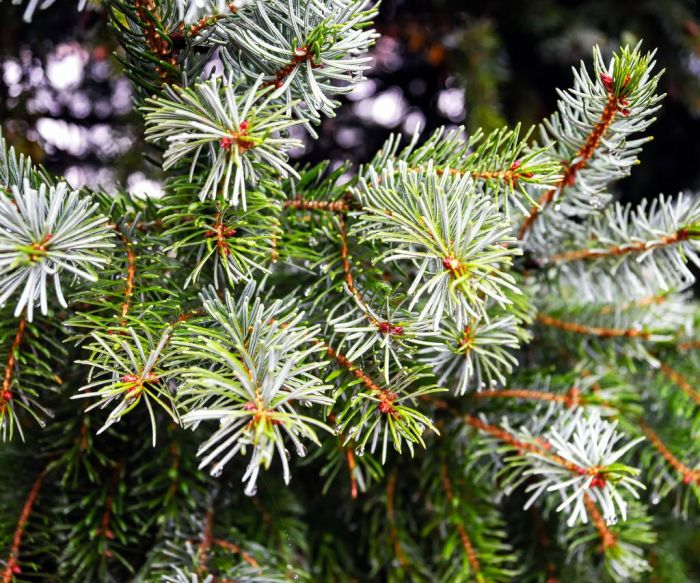
Spruce trees and shrubs, prized for their beauty and resilience, offer a wide range of practical and ecological benefits. From construction materials to medicinal remedies, and from landscaping elements to wildlife habitats, these evergreens play a vital role in human and natural ecosystems. This section explores the diverse applications of spruce in various contexts.Spruce wood, renowned for its strength, durability, and workability, finds extensive use in various industries.
Its versatility also extends to medicinal applications, landscaping designs, and wildlife support. The following sections detail these applications.
Spruce Wood in Construction and Manufacturing
Spruce wood’s straight grain and relatively low cost make it an excellent choice for structural elements in buildings and bridges. It’s commonly used in framing, sheathing, and interior finishes. The wood’s lightweight nature contributes to its affordability and efficiency in construction. Moreover, spruce is a valuable material for furniture making, due to its ease of shaping and relatively uniform texture.
Spruce Wood in Paper Production
Spruce wood is a significant source of pulp for paper production. Its fibrous structure and abundance contribute to its widespread use in this industry. The process involves grinding the wood into pulp, which is then processed into paper of varying types and qualities. This application highlights the economic significance of spruce resources.
Medicinal Properties of Spruce
Some spruce species possess medicinal properties. Traditional practices have utilized certain parts of spruce trees for their potential health benefits. However, it’s crucial to remember that self-medication with natural remedies should be approached cautiously and under the guidance of a healthcare professional. Always consult a doctor before using any natural remedy for medicinal purposes.
Spruce in Landscaping and Horticulture
Spruce trees and shrubs are popular landscaping choices due to their attractive foliage, varying shapes, and ability to withstand various climates. Their evergreen nature ensures year-round visual appeal, and they’re frequently used in hedges, screens, and as accent plants. The dense foliage of spruce also provides privacy and windbreaks in gardens.
Spruce as Wildlife Habitats
Spruce forests and shrubs offer vital habitats for a variety of wildlife species. The dense canopy provides shelter and protection from predators. The foliage serves as a food source for some birds and small mammals, and the intricate structure of the forest floor provides shelter for insects and other invertebrates. This ecological role underlines the importance of preserving spruce ecosystems.
Table of Spruce Species, Wood Properties, and Applications
| Spruce Species | Wood Properties | Common Applications |
|---|---|---|
| Norway Spruce | Straight grain, relatively light, soft | Construction, furniture, paper pulp |
| Engelmann Spruce | Strong, dense, good for high-stress applications | Construction framing, interior trim, musical instruments |
| White Spruce | Light, straight grain, good workability | Pallets, plywood, boxes, and general construction |
| Blue Spruce | Dense, strong, holds screws well | Exterior construction, decking, siding, landscaping |
Environmental Impact
Spruce trees and shrubs play a crucial role in maintaining healthy ecosystems. Their impact extends far beyond their aesthetic appeal, influencing everything from air quality to biodiversity. Understanding these effects is vital for responsible forest management and mitigating the impacts of climate change. This section delves into the significant environmental contributions of these often-overlooked components of the landscape.
Carbon Sequestration
Spruce trees are highly effective carbon sinks. Their dense wood structure and rapid growth rate allow them to absorb significant amounts of atmospheric carbon dioxide. This process, known as carbon sequestration, helps mitigate climate change by removing greenhouse gases from the atmosphere. Studies have shown that spruce forests can store substantial amounts of carbon, contributing to global efforts to reduce carbon emissions.
The long lifespan of mature spruce trees also contributes to long-term carbon storage.
Impact on Water Quality and Soil Stability
Spruce forests play a critical role in regulating water quality and soil stability. Their extensive root systems help bind soil particles, reducing erosion and preventing landslides. The canopy intercepts rainfall, slowing its runoff and allowing for infiltration into the ground. This process helps recharge groundwater supplies and maintain a healthy water cycle. Furthermore, the litter layer created by fallen needles and branches protects the soil from erosion and helps maintain its fertility.
The roots of spruce trees also help prevent water pollution by filtering out pollutants from surface runoff.
Effects of Climate Change on Spruce Populations
Climate change poses a significant threat to spruce populations. Changes in temperature and precipitation patterns can alter the suitable habitats for spruce, potentially leading to range shifts or even local extinctions. Increased frequency and intensity of extreme weather events, such as droughts and wildfires, can also damage or destroy spruce forests. For instance, warmer temperatures can cause increased pest infestations, further stressing spruce populations.
Understanding the specific vulnerabilities of different spruce species to climate change is crucial for developing effective conservation strategies.
Importance of Spruce in Biodiversity Conservation
Spruce forests provide critical habitat for a wide array of plant and animal species. The diverse structure of spruce forests, from the canopy to the forest floor, supports a rich tapestry of life. Many animals rely on spruce trees for nesting, foraging, and shelter. Spruce forests also provide important breeding grounds for birds and mammals. Maintaining healthy spruce populations is therefore essential for preserving overall biodiversity.
Conservation efforts should consider the intricate relationships between spruce and other species in the ecosystem.
Environmental Benefits of Spruce Trees and Shrubs
| Benefit | Description | Impact |
|---|---|---|
| Carbon Sequestration | Spruce trees absorb atmospheric carbon dioxide, storing it in their biomass. | Reduces atmospheric greenhouse gases, mitigating climate change. |
| Water Quality Regulation | Extensive root systems and canopy interception slow runoff, filtering pollutants. | Improves water quality, recharges groundwater supplies, and prevents soil erosion. |
| Soil Stability | Deep root systems bind soil particles, reducing erosion and landslides. | Protects soil from degradation, maintains fertile land, and prevents catastrophic events. |
| Biodiversity Support | Diverse habitat structure supports a wide array of plant and animal species. | Maintains ecological balance, providing breeding grounds and shelter. |
Visual Representations: Spruce Trees And Shrubs
Spruce trees and shrubs, with their varying forms and foliage, offer a captivating array of visual appeal. Their presence in landscapes, from towering evergreens to compact groundcovers, is often a defining element of the aesthetic. Understanding their visual characteristics across different seasons and growth stages allows for a deeper appreciation of these versatile plants.A careful study of spruce reveals a wealth of detail, from the intricate patterns of their bark to the delicate textures of their needles.
This exploration delves into the visual aspects of spruce, highlighting their diversity and providing insights into their aesthetic value.
Foliage Characteristics
Spruce foliage, a crucial component of their visual identity, varies significantly among species. The needles can range from soft and flexible to stiff and pointed, offering a range of textures. Coloration also plays a vital role, from the deep green of common species to the more muted greens or even hints of blue in certain varieties. The arrangement of these needles on the branches is another important characteristic, impacting the overall visual form of the tree.
Some have densely packed needles, creating a full, almost prickly appearance, while others have a more open, airy form.
Bark Characteristics
Spruce bark, while often less prominent than the foliage, also contributes to the overall visual appeal. The bark can range from smooth and light gray to rough and deeply furrowed, with varying degrees of texture. The color and pattern of the bark can vary considerably, reflecting the age and species of the spruce. Older specimens frequently exhibit a more pronounced and interesting bark pattern.
Cone Characteristics
Spruce cones, another distinctive feature, vary in size, shape, and color. Their appearance is a crucial element for identifying different spruce species. The cones can be cylindrical, ovoid, or conical, and they can be quite small or relatively large. The color of the cones can range from greenish-brown to reddish-brown, and the scales can be smooth or slightly rough.
The presence or absence of bracts, small leaf-like structures, also contributes to the visual uniqueness of the cones.
Growth Stages and Seasonal Appearance
Young spruce trees and shrubs exhibit a distinct visual appearance compared to mature specimens. Young trees often have a more delicate, upright form, with a dense collection of needles. As they mature, the shape becomes more defined, often broader at the top. The seasonal changes in spruce are often subtle, but noticeable. In spring, new growth appears as a vibrant green, while in the fall, the foliage may take on a warm, golden-brown hue, providing a beautiful contrast to the winter landscape.
Winter displays often reveal the structure and form of the tree, showcasing the intricate network of branches and foliage.
Aesthetic Qualities in Landscaping
Spruce trees and shrubs offer a wide range of aesthetic qualities that can be effectively incorporated into landscaping designs. Their ability to provide year-round visual interest makes them valuable assets in gardens and yards. The various forms, colors, and textures of spruce can be used to create a sense of depth, height, and dimension in a landscape. They can be used to create focal points, screen unwanted views, or provide a backdrop for other plants.
Table of Spruce Species
| Species | Description | Image | Link |
|---|---|---|---|
| Norway Spruce (Picea abies) | A popular choice for its symmetrical shape and dense foliage. Often used in hedges and groupings. | Imagine a tall, slender tree with a conical shape, covered in dark green needles. | [Placeholder link to image] |
| Colorado Blue Spruce (Picea pungens) | Known for its striking bluish-green needles and distinctive, pyramidal shape. | Visualize a tree with a pointed, upright form, characterized by its silvery-blue needles. | [Placeholder link to image] |
| White Spruce (Picea glauca) | A versatile species that comes in a variety of forms, from dense to open. | Picture a tree with a slightly irregular form, exhibiting a light to dark green foliage. | [Placeholder link to image] |
Final Wrap-Up
In conclusion, spruce trees and shrubs are vital components of many ecosystems, offering a multitude of benefits from their aesthetic appeal to their ecological significance. From their various uses to their roles in maintaining biodiversity and carbon sequestration, spruce species stand as a testament to the natural world’s remarkable adaptability. This guide provides a comprehensive overview, equipping readers with a deeper understanding of these important plants.