
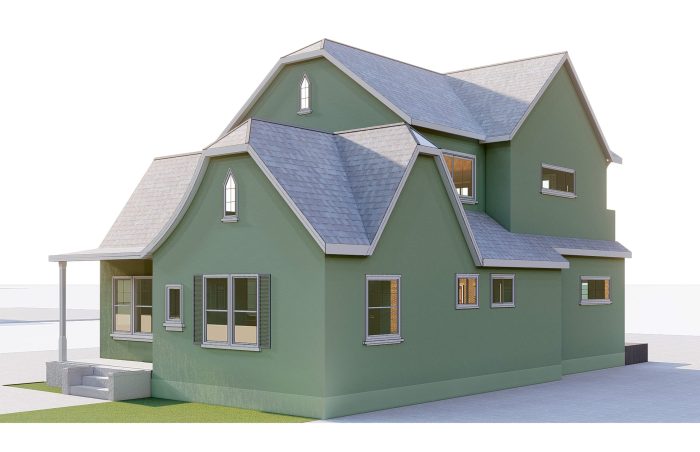



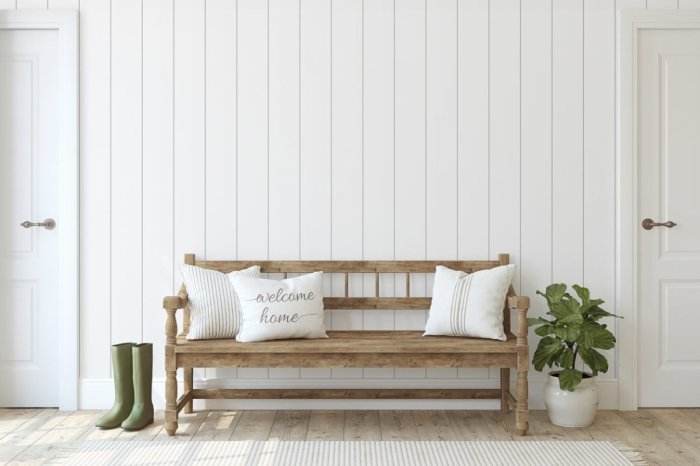
Shiplap vs tongue and groove: Deciding which wood paneling best suits your project can be tricky. This deep dive explores the historical context, construction methods, design applications, cost, and environmental impact of both materials, allowing you to make an informed choice. We’ll cover everything from their aesthetic differences to the subtle nuances in their manufacturing processes. Get ready to uncover the truth behind these popular wood options!
From rustic charm to modern minimalism, shiplap and tongue and groove offer a spectrum of design possibilities. Understanding their unique characteristics and application potential will help you achieve the desired look and feel for your space. This comparison will guide you through the specifics of each material, enabling you to confidently choose the perfect option for your project.
Introduction to Shiplap and Tongue and Groove
Shiplap and tongue-and-groove are popular choices for interior and exterior wall cladding, often chosen for their distinct aesthetic qualities and practical construction. Understanding their differences, historical context, and common misconceptions is crucial for making informed design decisions. This exploration will delve into the specifics of each material, comparing their characteristics, construction, and applications.Shiplap and tongue-and-groove, despite their similar function, exhibit unique characteristics that make them suitable for different design preferences and structural needs.
Their historical uses, aesthetic variations, and common misconceptions will be examined to provide a comprehensive overview.
Definitions and Historical Context
Shiplap and tongue-and-groove, both traditional joinery methods, have roots in carpentry. Shiplap, a method of overlapping boards, dates back to ancient shipbuilding practices where it was used to create watertight seams in wooden hulls. Tongue-and-groove, on the other hand, involves interlocking edges, ensuring a tighter fit and better structural integrity. This method has a long history in construction, evident in early timber-framed buildings.
The technique’s longevity reflects its efficiency and effectiveness in creating durable and stable structures.
Aesthetic Comparisons
Shiplap’s overlapping nature creates a distinctive visual appeal, lending a rustic or farmhouse aesthetic. The staggered joints often give a sense of depth and texture, perfect for accent walls or creating a unique focal point. Tongue-and-groove, with its tight, seamless appearance, offers a more contemporary and refined look. Its smooth surface, when finished properly, creates a clean and minimalist feel, suitable for various architectural styles, from modern to traditional.
Different finishes and paint colors further accentuate the aesthetic appeal of each material.
Common Misconceptions
A common misconception is that shiplap is inherently more difficult to install than tongue-and-groove. While some shiplap installations might involve more precision to achieve a seamless look, the installation process for both methods is largely similar, dependent on the quality of the materials and the installer’s expertise. Another misconception centers around the durability of tongue-and-groove, with some assuming it is less sturdy than shiplap.
This is inaccurate; properly installed tongue-and-groove can be just as durable and long-lasting as shiplap, especially if high-quality materials are used.
Shiplap versus tongue and groove – it’s a classic debate for interior design. Choosing the right finish for your project often depends on the look you’re aiming for. Thinking about how you want your hot tub to look and feel all year round, selecting the best hot tub covers is crucial for preserving its integrity and aesthetic appeal, which then ultimately impacts the overall vibe of your space.
Ultimately, the best option for shiplap or tongue and groove comes down to personal preference and the specific project you’re working on.
Material Comparison
| Material | Construction | Aesthetics | Applications |
|---|---|---|---|
| Shiplap | Overlapping boards with a tongue and groove at the edge | Rustic, farmhouse, layered texture | Accent walls, ceilings, exterior cladding |
| Tongue-and-groove | Interlocking boards with a tongue and groove on opposing edges | Contemporary, smooth, seamless | Interior walls, ceilings, flooring |
Construction and Manufacturing Processes
Shiplap and tongue-and-groove, while seemingly simple, involve intricate manufacturing processes that affect their final quality and application. Understanding these methods helps appreciate the precision and care that go into creating these versatile building materials. The varying techniques employed also dictate the suitability of each for different architectural styles and projects.The methods used to produce shiplap and tongue-and-groove boards directly impact their appearance, durability, and overall fit.
Precise manufacturing ensures a consistent product capable of withstanding the demands of various construction projects. The complexity of the process often dictates the cost and availability of these materials.
Shiplap Production Methods
Different shiplap production methods cater to diverse applications. Planed shiplap, often preferred for its smooth surface, is created using planing machines that precisely shave the wood to achieve the characteristic overlapping profile. This method is suitable for interior applications requiring a polished look. Alternatively, machine-cut shiplap utilizes automated machinery for faster production, sacrificing some precision for speed.
This method is commonly used in exterior applications where a slightly rougher, more rustic appearance is desired. A further method is hand-cut shiplap, which often yields a unique, handcrafted aesthetic. The choice of method influences the final look and cost of the shiplap.
Tongue-and-Groove Jointing Process
The tongue-and-groove joint is a fundamental technique in woodworking. The process involves creating a tongue on one board and a groove on another, allowing them to interlock securely. First, the grooves are cut into the boards using specialized routers or other cutting tools. Then, the tongues are precisely shaped and cut, usually with a similar cutting tool.
The tongue and groove interlock perfectly, creating a strong and water-resistant bond. The quality of the interlocking joint depends heavily on the accuracy of the cutting tools and the skill of the craftsman.
Precision in Construction
The precision required for shiplap and tongue-and-groove varies based on the intended use. For interior applications where a smooth, seamless appearance is paramount, shiplap needs high precision in planing or cutting to eliminate imperfections. Similarly, tongue-and-groove requires precise measurements and cutting for a tight fit and a watertight seal. Exterior applications often tolerate slightly less precision, as the wood’s natural variations are more easily concealed or less critical.
Ever wondered about shiplap vs tongue and groove? Choosing between them for a DIY project can be tricky. One great way to make your old flooring look amazing is by using some clever hacks, like the ones found on hacks to revamp old flooring. These techniques can transform dated wood floors into a fresh and stylish focal point.
Ultimately, the best choice for your shiplap or tongue and groove installation depends on your specific project and desired aesthetic.
However, consistent precision remains crucial for long-term structural integrity and stability.
Quality Control in Manufacturing, Shiplap vs tongue and groove
Quality control measures in shiplap and tongue-and-groove manufacturing are essential for ensuring a consistent product. These measures often include regular checks on the cutting tools’ sharpness and alignment. Measurements are taken throughout the process to ensure the desired dimensions and tolerances are met. Visual inspections are also crucial to identify any defects or imperfections in the material.
The rigorous quality control process ensures the materials meet the required standards, which ultimately affects the longevity and dependability of the finished product.
Manufacturing Process Comparison
| Material | Tooling | Steps | Output |
|---|---|---|---|
| Wood (typically softwoods or hardwoods) | Planing machines, routers, saws, measuring tools | 1. Cutting grooves/tongues, 2. Shaping, 3. Joining, 4. Finishing (optional) | Shiplap: Overlapping boards, Tongue-and-groove: Interlocking boards with a tongue and groove |
| Wood (typically softwoods or hardwoods) | Specialized routers, milling machines, saws | 1. Cutting grooves, 2. Cutting tongues, 3. Assembling, 4. Finishing | Tongue-and-groove: Interlocking boards with a tongue and groove |
Applications and Design Considerations
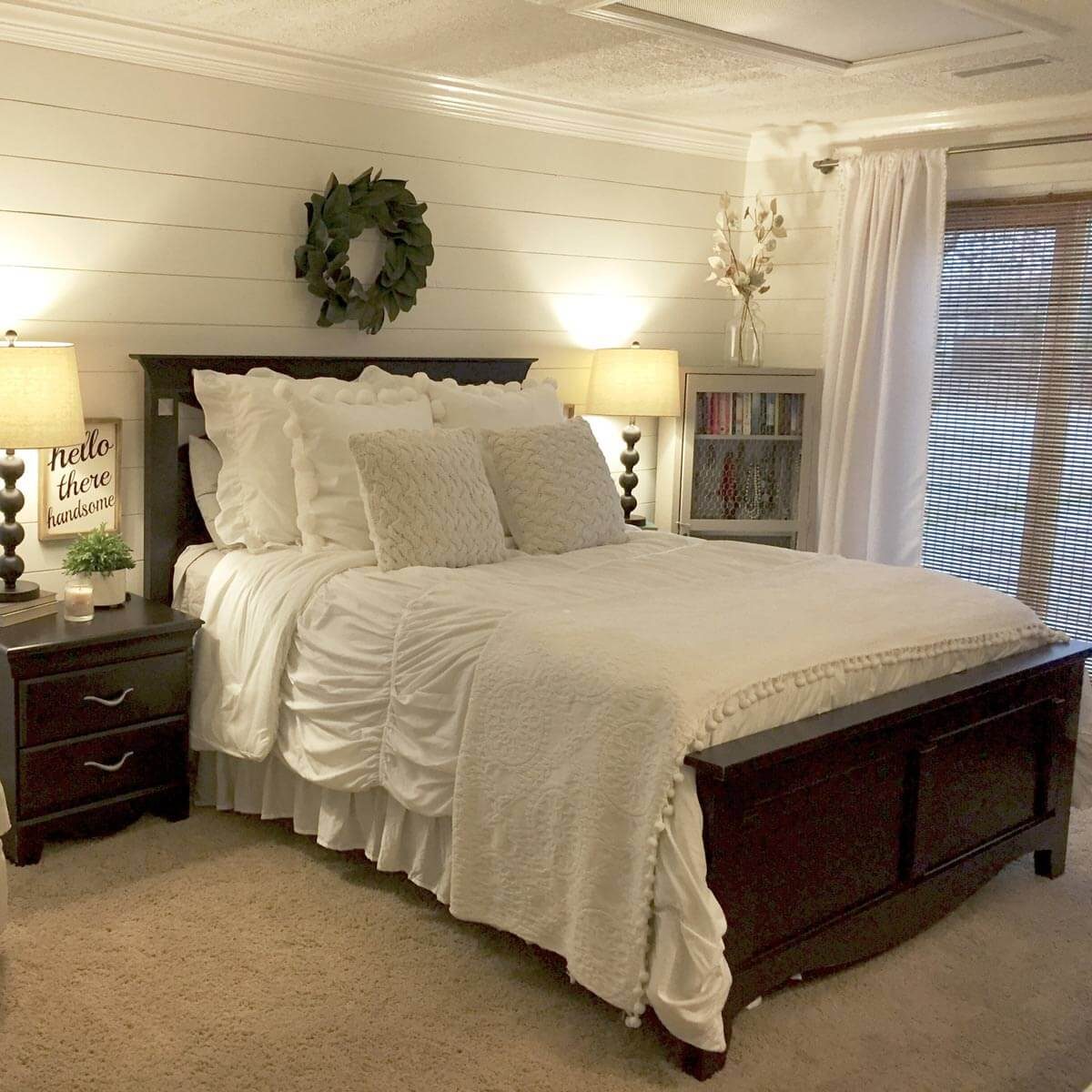
Shiplap and tongue-and-groove, both popular wood-finishing techniques, offer diverse applications in interior and exterior design. Understanding their distinct characteristics and suitability for various projects is key to achieving desired aesthetics and functionality. From creating rustic charm to modern sophistication, these methods can transform spaces.Shiplap, with its overlapping horizontal boards, provides a unique visual appeal, while tongue-and-groove, with its interlocking system, offers structural integrity and weather resistance.
Their adaptability extends across diverse construction projects, making them valuable options for homeowners and architects alike.
Interior Applications of Shiplap
Shiplap’s characteristic staggered look lends itself to a wide range of interior spaces. Its rustic appeal works well in living rooms, bedrooms, and even kitchens, creating a cozy and inviting atmosphere. The natural wood tones of shiplap enhance a variety of design styles, from farmhouse to coastal, by adding texture and depth. Consider a shiplap wall behind a fireplace for a focal point, or use it to create a unique headboard in a bedroom.
Interior Applications of Tongue and Groove
Tongue-and-groove excels in creating seamless, smooth surfaces, making it a practical choice for interior walls, ceilings, and even flooring. Its ability to reduce gaps and enhance insulation makes it ideal for projects requiring a clean, finished look. In contemporary interiors, tongue-and-groove is often used for creating paneled walls or ceilings, adding a subtle architectural element.
Exterior Applications of Shiplap
Shiplap’s weather-resistant properties make it a suitable choice for exterior applications, particularly for cladding walls, fences, and siding. Its ability to withstand the elements allows for a beautiful and durable exterior finish. The natural wood tones of shiplap can complement various architectural styles, from traditional homes to modern bungalows. The overlapping design of shiplap can also help to channel water away from the structure, minimizing potential damage.
Shiplap and tongue-and-groove are both popular choices for interior walls, but the cost of materials and installation can vary significantly. Ultimately, the decision often hinges on the scale of your project. If you’re thinking about a home addition, understanding how much does a home addition cost how much does a home addition cost will help you budget for the entire project, including the cost of the wall cladding.
This will factor into whether shiplap or tongue-and-groove is the better fit for your needs and budget.
Exterior Applications of Tongue and Groove
Tongue-and-groove, due to its tight interlocking design, is highly resistant to water and weather. It is frequently used in exterior applications like cladding for walls and fences. This method provides a secure and stable barrier against the elements, protecting the underlying structure and enhancing the overall aesthetic. In certain climates, it can be an important element in the structure, minimizing water penetration and rot.
Creating Unique Architectural Features with Shiplap
Shiplap’s inherent versatility allows for the creation of unique architectural features. By strategically using different widths and heights of shiplap boards, architects and designers can create visually interesting patterns and textures. For instance, a sloped ceiling or a curved wall can be effectively covered with shiplap, adding a distinctive character to the space. Using different wood stains or finishes can further enhance the visual appeal.
Examples of Contemporary and Traditional Design
Contemporary design often employs tongue-and-groove in modern homes, utilizing it to create paneled walls or ceilings. This adds a subtle architectural element without being overly ornate. Traditional designs, on the other hand, may utilize shiplap for creating a rustic, farmhouse aesthetic, especially in kitchens and living rooms.
Applications Comparison Table
| Material | Space | Design | Example |
|---|---|---|---|
| Shiplap | Interior Walls | Rustic, Farmhouse | Shiplap wall behind a fireplace |
| Shiplap | Exterior Siding | Traditional, Coastal | Shiplap cladding on a bungalow |
| Tongue and Groove | Interior Walls | Contemporary, Modern | Paneled walls with tongue and groove |
| Tongue and Groove | Exterior Cladding | Weather-resistant, Durable | Tongue and groove siding on a fence |
Cost and Maintenance
Shiplap and tongue-and-groove, while both popular wood paneling options, differ significantly in their cost and long-term maintenance. Understanding these factors is crucial for homeowners choosing the right material for their project. This section explores the typical costs, longevity, and upkeep associated with each type, providing a comprehensive comparison.
Material Costs
The cost of shiplap and tongue-and-groove varies greatly depending on the type of wood, grade, finish, and the complexity of the installation. For instance, a premium grade of cedar shiplap will typically cost more than a lower-grade pine counterpart. Similarly, a painted or stained finish adds to the overall cost compared to a natural wood look. Tongue-and-groove, too, demonstrates similar cost fluctuations based on these factors.
It’s essential to get multiple quotes and compare materials from different suppliers to accurately assess the total project cost.
Maintenance Requirements
Both shiplap and tongue-and-groove require some level of maintenance to preserve their aesthetic appeal and structural integrity. However, the specifics vary based on the material’s inherent properties and the environment in which it’s installed. For instance, exterior shiplap might need more frequent sealing to resist moisture damage compared to interior shiplap. Regular cleaning and touch-ups can help extend the life of both materials.
The choice of finish also affects maintenance needs. A painted finish requires more frequent touch-ups and repainting, while a natural finish will require occasional cleaning and sealant applications.
Longevity and Durability
The longevity of shiplap and tongue-and-groove depends on several factors, including the wood type, the quality of the construction, and the environmental conditions. A higher-quality hardwood will generally last longer than a softerwood. For instance, redwood, known for its natural resistance to decay and insects, is a more durable choice than pine in humid or high-moisture environments. Exposure to the elements, like sun, rain, and snow, can significantly impact the lifespan of both shiplap and tongue-and-groove, so proper sealing and maintenance are crucial.
Cost Comparison
The price per square foot of shiplap and tongue-and-groove can fluctuate widely, with tongue-and-groove often trending towards a lower cost per square foot, particularly for basic installations. However, higher-grade wood and intricate designs can increase the cost. Shiplap can be more expensive per square foot, especially if using exotic hardwoods or specialized finishes. The final price will also vary depending on the local market, supply chain conditions, and current economic trends.
Comparison Table
| Material | Cost | Maintenance | Longevity |
|---|---|---|---|
| Shiplap | Variable, typically higher per square foot for higher-grade wood and finishes. | Requires regular cleaning and sealing, especially in high-moisture environments. | Dependent on wood type and finish, with hardwoods generally lasting longer. |
| Tongue-and-groove | Variable, typically lower per square foot for basic installations. | Requires regular cleaning and occasional touch-ups. | Dependent on wood type and construction quality, with hardwoods lasting longer. |
Environmental Impact and Sustainability
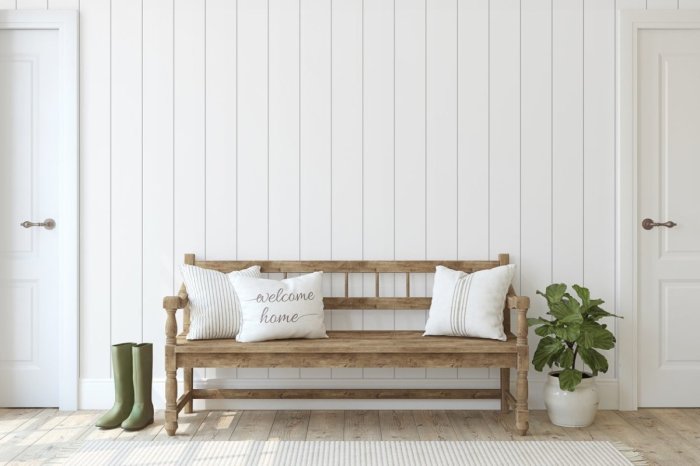
Choosing between shiplap and tongue-and-groove goes beyond aesthetics; it involves considering the environmental footprint of each material and manufacturing process. This section delves into the sustainability aspects of these popular wood paneling options, examining their potential for eco-friendly construction. Factors like material sourcing, production methods, and waste management play a critical role in assessing their environmental impact.
Material Sourcing for Shiplap and Tongue-and-groove
Responsible material sourcing is crucial for minimizing environmental damage. For both shiplap and tongue-and-groove, the origin of the lumber significantly impacts the overall sustainability. Using certified wood from sustainably managed forests is essential to maintain biodiversity and avoid deforestation. Recognizing and prioritizing forests managed according to sustainable forestry practices ensures the long-term health of ecosystems and reduces the impact on wildlife habitats.
Production Processes and Environmental Impact
The manufacturing processes of shiplap and tongue-and-groove have varying environmental implications. Shiplap often involves more sawing and shaping, potentially leading to higher wood waste. Tongue-and-groove, on the other hand, might employ more specialized machinery, impacting energy consumption during production. However, the design of both products allows for efficient use of the lumber, reducing overall waste compared to some other wood paneling methods.
Minimizing waste and using energy-efficient equipment during production are vital for eco-friendly manufacturing.
Sustainability of Shiplap and Tongue-and-groove
The sustainability of shiplap and tongue-and-groove depends on the specific production methods and materials used. Using reclaimed wood or wood from responsibly harvested forests significantly enhances the environmental profile of both. Furthermore, careful selection of wood types with lower environmental impact can be factored in. The choice between shiplap and tongue-and-groove should consider the overall lifecycle of the product, including material sourcing, manufacturing, transportation, and eventual disposal.
Sustainable Shiplap and Tongue-and-groove Options
Many options exist for creating more sustainable shiplap and tongue-and-groove products. Using reclaimed wood, sourced from sustainably managed forests, and employing efficient manufacturing processes can greatly improve their environmental performance. Certifications like the Forest Stewardship Council (FSC) label can indicate that the wood has been harvested responsibly. Additionally, incorporating recycled materials into the manufacturing process can further reduce environmental impact.
The selection of wood species with a lower environmental impact, such as sustainably sourced hardwoods, can also contribute to a more sustainable choice.
Responsible Sourcing Examples
Many manufacturers now prioritize responsible sourcing. Look for manufacturers who use lumber from certified sustainable forests and have documented sustainable practices throughout the production process. These practices are essential to ensuring the long-term health of forests and minimizing environmental damage. Furthermore, manufacturers who prioritize minimizing waste and utilizing renewable energy sources in their production facilities contribute to the overall sustainability of the products.
Comparison of Environmental Impact
| Material | Production | Sustainability | Sourcing |
|---|---|---|---|
| Wood (various types) | Sawing, shaping, and assembly | Variable; depends on forest management and manufacturing methods | Certified sustainable forests, reclaimed wood |
| Wood (various types) | Specialized machinery for tongue-and-groove | Variable; depends on forest management and manufacturing methods | Certified sustainable forests, reclaimed wood |
Visual Differences and Design Choices: Shiplap Vs Tongue And Groove
Shiplap and tongue-and-groove, while both popular wood paneling options, offer distinct visual characteristics. Understanding these differences allows for informed design choices that create unique and appealing spaces. The variations in their appearance, achievable through finishes, installation methods, and arrangement, play a significant role in the overall aesthetic.
Visual Characteristics of Shiplap
Shiplap’s distinctive feature is its overlapping, lapped edges. This creates a unique pattern that is visually appealing and lends a rustic, craftsman-like aesthetic. The overlapping nature of shiplap panels also contributes to its inherent textural qualities, ranging from a subtle, smooth appearance to a more pronounced, rugged texture depending on the wood type and processing. Variations in the width and length of the shiplap boards further amplify the visual impact.
A wider board will create a more dramatic effect, while narrower boards provide a more subtle and refined look.
Visual Characteristics of Tongue and Groove
Tongue-and-groove boards, on the other hand, showcase a different visual profile. The tongue and groove joint creates a tight, seamless appearance, offering a smooth and uninterrupted surface. The absence of visible overlaps in tongue-and-groove boards allows for a more contemporary or modern aesthetic, contrasting with the rustic character of shiplap. The alignment and direction of the boards also greatly affect the final visual outcome.
Vertical or horizontal arrangements can be used to create a variety of visual effects, from a classic to a more stylized look.
Modifying Appearance Through Finishes and Colors
The visual impact of both shiplap and tongue-and-groove can be significantly enhanced through the application of finishes and colors. A natural wood finish, such as a light stain or clear coat, highlights the natural beauty of the wood grain, showcasing the warmth and character of the material. Darker stains or paints can create a bolder, more dramatic effect.
The application of different finishes can alter the visual texture, from matte to glossy, changing the overall impression. For example, a matte finish on shiplap can enhance the rustic character, while a glossy finish on tongue-and-groove can provide a modern and sophisticated look.
Impact of Installation Methods
The installation method significantly affects the final appearance. Precise installation is crucial for both shiplap and tongue-and-groove. Proper alignment of the boards, particularly in shiplap, ensures a clean and consistent overlap. For tongue-and-groove, accurate fitting of the tongue and groove joints is critical for a seamless, gap-free appearance. The direction of the boards, whether horizontal or vertical, also influences the overall visual effect.
Visual Variations Comparison Table
| Material | Style | Installation | Finish |
|---|---|---|---|
| Shiplap | Rustic, Craftsman | Overlapping, staggered | Natural wood stain, painted, clear coat |
| Tongue-and-groove | Modern, Contemporary, Classic | Seamless, tight joints | Natural wood stain, painted, clear coat, lacquered |
Summary
In conclusion, shiplap and tongue and groove, while both attractive options for home improvement, present distinct characteristics that cater to different design preferences and project needs. Shiplap offers a rustic, almost handcrafted aesthetic, while tongue and groove leans towards a more refined, traditional look. Ultimately, the best choice depends on your specific vision, budget, and desired aesthetic. Consider the pros and cons of each, and don’t hesitate to delve into further research to find the perfect fit for your next project.