

Reuse newspapers in the garden is a fantastic way to save money and the environment. By repurposing old newspapers, you can create a valuable mulch layer that suppresses weeds, retains moisture, and enriches your soil. This guide delves into the various methods, benefits, and drawbacks of using newspapers in your garden, exploring everything from layering techniques to combining them with other organic materials.
From the simple act of composting to creating intricate layered mulch systems, this guide will walk you through the practical steps to effectively incorporate newspapers into your garden. We’ll also explore the environmental impact and how newspapers break down in the soil, ensuring a sustainable gardening practice. Different newspaper types and their suitability for gardening will be detailed, as well as the pros and cons of each method.
Introduction to Newspaper Reuse in Gardens
Repurposing newspapers in gardening is a simple yet effective way to enrich your soil and enhance plant health. Beyond the aesthetic appeal of a tidy garden, this practice offers significant environmental benefits. By diverting waste from landfills and reducing the need for chemical fertilizers, newspaper mulch provides a sustainable alternative to traditional methods. This approach not only helps the environment but also fosters a more vibrant and healthy garden ecosystem.Using newspapers as a component of garden care has a long history, evolving alongside our growing understanding of sustainable practices.
From early home gardeners to modern-day environmentalists, the concept of using recycled materials has always held a certain allure. This practice embodies a crucial step towards responsible resource management, demonstrating a practical application of waste reduction within the realm of gardening.
Environmental Benefits of Newspaper Mulch
Newspaper mulch, derived from recycled paper, offers a wealth of environmental advantages. By diverting paper from landfills, this practice helps conserve valuable resources and reduces the carbon footprint associated with waste disposal. The decomposition of newspaper in the soil further contributes to a healthy ecosystem by enriching the soil with organic matter.
Historical Context and Examples
The practice of using newspapers in gardening dates back to earlier times. Many early gardeners found creative solutions for using waste materials, and newspapers, due to their availability and composition, fit this role perfectly. This practice was often seen as a cost-effective and environmentally conscious method to improve soil quality and plant health. This historical precedent underscores the enduring appeal of repurposing materials in gardening.
Repurposing old newspapers in the garden is a fantastic way to save money and reduce waste. But, speaking of saving, did you know that careful washing techniques, like the ones detailed in this guide on how to wash a t shirt so the collar doesnt stretch , can help extend the life of your clothes? Applying that same mindful approach to your gardening efforts, you can make sure those newspapers are truly serving their purpose, from mulch to plant protection.
Newspaper Decomposition in Soil
Newspapers, primarily composed of cellulose, decompose relatively quickly in soil. The decomposition process involves microorganisms that break down the cellulose into simpler organic compounds, enriching the soil with essential nutrients. This process is similar to the decomposition of other organic matter, like leaves or grass clippings. The presence of ink, although often a concern, usually poses no threat to plant health as it breaks down naturally during the decomposition process.
Suitable Newspaper Types for Gardening
The type of newspaper used in gardening can significantly impact its effectiveness and suitability. Different types of paper have varying compositions and processing methods. This can affect how quickly the paper decomposes and how well it interacts with the soil.
| Newspaper Type | Suitability for Gardening | Advantages | Disadvantages |
|---|---|---|---|
| Recycled Newspaper | Excellent | Environmentally friendly, readily available, decomposes quickly | May contain traces of ink, but generally not harmful |
| Non-Recycled Newspaper | Fair | May contain higher levels of ink | Decomposition may be slower due to ink content |
| Colored Newspaper | Moderate | Aesthetically pleasing | Ink from colors may not decompose as readily, possibly affecting soil color |
Methods for Incorporating Newspapers in Gardens
Recycled newspapers, a readily available and often overlooked resource, can be a valuable addition to your garden. They offer an effective and eco-friendly method for weed suppression, moisture retention, and even enriching the soil over time. By understanding the various methods for incorporating newspapers, you can optimize their benefits and create a thriving garden.Incorporating newspapers into your garden beds provides a natural, cost-effective, and environmentally conscious way to improve the health and productivity of your plants.
Using newspapers as mulch offers a dual benefit – it smothers weeds and helps retain moisture, crucial for healthy plant growth in various climates. Different application methods tailor to various garden settings, ensuring the best results.
Layering Newspapers for Effective Weed Suppression
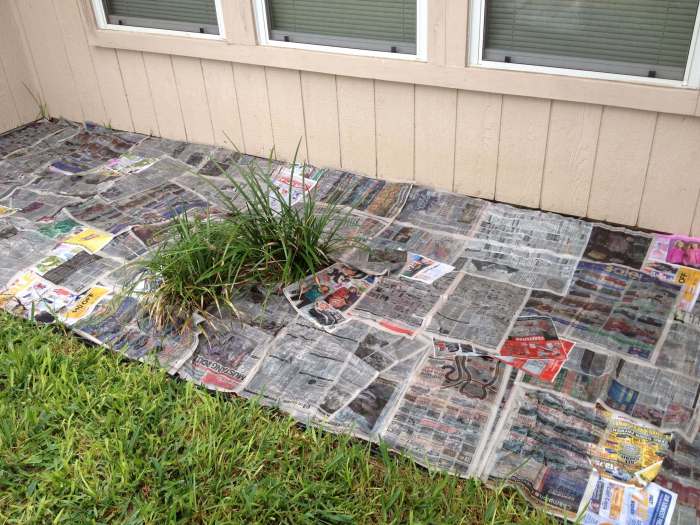
Proper layering is key to achieving effective weed suppression. A thick layer of newspaper acts as a physical barrier, preventing sunlight from reaching weed seeds and hindering their germination. This method significantly reduces weed growth and labor needed for weed removal. To achieve the best results, the newspaper layer should be thick enough to effectively block sunlight and should be consistently dampened for a better adhesion to the soil.
Incorporating Newspapers into Raised Garden Beds
Raised garden beds provide a controlled environment, making newspaper incorporation particularly straightforward. Simply layer the newspaper directly onto the soil surface of the bed, ensuring to overlap the layers to create a dense barrier. For raised beds, consider using a moisture-retaining material underneath the newspaper layer, like cardboard, to further enhance the mulch’s effectiveness. This helps prevent the growth of weeds and maintains a healthy soil environment.
Newspaper Mulch and Moisture Retention
Newspaper mulch, when properly applied, plays a significant role in retaining moisture. The porous nature of the paper helps absorb and retain water, which is crucial, especially during dry periods. This helps prevent moisture loss from the soil, promoting healthier plant growth. In areas prone to drought, newspaper mulch can significantly reduce the frequency of watering, thus saving water and time.
Steps for Creating a Newspaper Mulch Layer
- Prepare the area by removing any existing weeds or debris.
- Lay down a layer of newspaper, ensuring that the sheets overlap slightly.
- Dampen the newspaper layer with water, ensuring good contact with the soil.
- Add a layer of compost or other organic matter on top of the newspaper.
- Top the layer with a thin layer of soil, maintaining proper depth.
This methodical approach ensures a uniform and effective layer that supports the health and productivity of your plants.
Comparison of Newspaper Application Methods
| Method | Pros | Cons |
|---|---|---|
| Direct Application (in-ground) | Easy to implement, cost-effective, readily available | May take longer to decompose, potentially require more water to maintain moisture |
| Raised Bed Application | Controlled environment, easy to manage, excellent moisture retention | Can be slightly more time-consuming, depending on bed size |
| Combination of both methods | Combines the advantages of both, tailored to specific needs | Requires careful planning and consideration of the specific garden requirements |
This table highlights the advantages and disadvantages of different newspaper application methods, allowing you to choose the most suitable approach for your garden needs.
Benefits and Drawbacks of Using Newspapers
Recycling newspapers in the garden offers a sustainable and cost-effective alternative to traditional mulching materials. However, like any gardening technique, it comes with its own set of advantages and disadvantages. Understanding these nuances is crucial for maximizing the benefits and mitigating potential drawbacks.Using recycled newspapers as mulch can offer significant environmental and economic benefits, but it’s essential to weigh the pros and cons to ensure optimal results.
Repurposing old newspapers in the garden is a fantastic way to add some compost to your soil and even protect plants from frost. However, when it comes to cleaning your outdoor furniture, steer clear of harsh chemicals and abrasive cleaners, like those you might use for other cleaning tasks. For instance, avoid using anything listed on the things to never clean outdoor furniture with list.
Instead, stick to gentle, natural methods. Using old newspapers to mulch or line your garden beds is a great eco-friendly option, and it’s also cost-effective!
A balanced understanding allows gardeners to make informed decisions that align with their specific gardening goals and environmental concerns.
Positive Impacts of Newspaper Mulch
Newspaper mulch, when used correctly, can contribute to a healthier and more sustainable garden. Its primary advantage lies in its ability to suppress weeds effectively. A thick layer of newspaper can effectively smother weed growth, reducing the need for herbicides and manual weeding. This can save time and effort in the long run, especially in established gardens.
Environmental Advantages of Recycled Newspapers
Recycling newspapers significantly reduces landfill waste and conserves valuable resources. Using recycled newspapers instead of other mulching materials like wood chips or plastic sheeting reduces the carbon footprint of gardening practices. This aligns with environmentally conscious gardening approaches. This reduced environmental impact makes newspaper mulch a more sustainable choice compared to other options.
Potential Downsides of Using Newspapers as Mulch
While newspapers offer many benefits, there are potential downsides to consider. One drawback is that newspaper mulch, unlike some other mulches, does not provide much long-term soil improvement. It breaks down relatively quickly and doesn’t add substantial nutrients to the soil. Furthermore, the ink used in some newspapers may contain chemicals that could potentially leach into the soil, although this is generally a minor concern for home gardens.
Care should be taken to use newspapers with minimal or no ink or use alternative mulching materials in combination with newspaper mulch.
Effectiveness Compared to Other Mulches, Reuse newspapers in the garden
Newspaper mulch excels in weed suppression, but its long-term soil enrichment properties are less pronounced than those of other mulches like compost or straw. For sustained soil improvement, incorporating other organic materials alongside newspaper mulch is recommended. Newspaper mulch is often more cost-effective than some other mulches, and its rapid breakdown can be advantageous in certain situations, especially when combined with other organic materials.
Impact on Soil Fertility
Newspaper mulch primarily serves as a weed barrier and a moisture-retention agent. Its impact on soil fertility is limited because it breaks down quickly. It does not significantly add organic matter or nutrients to the soil, making it a supplemental, rather than primary, soil amendment. For substantial improvements in soil structure and fertility, integrating compost or other organic matter is recommended.
Negative Impacts of Ink in Newspapers
The ink used in newspapers can contain various chemical compounds. While the concentration of these chemicals is typically low, prolonged contact with the soil could potentially release some into the surrounding environment. However, the risk is generally considered low for home gardens, especially when using minimal ink content or incorporating other mulch layers to minimize direct contact with the soil.
Summary Table
| Benefit | Drawback |
|---|---|
| Effective weed suppression | Limited long-term soil improvement |
| Environmentally friendly | Potential for ink leaching (though minimal risk) |
| Cost-effective | Quick breakdown rate |
Combining Newspapers with Other Garden Materials
Newspapers, by themselves, can be a great addition to a garden. However, their effectiveness can be amplified significantly when combined with other organic materials. This combination creates a more robust and beneficial mulch layer, improving soil health and overall garden performance. Proper layering and the selection of companion materials are crucial for maximizing the benefits of newspaper mulch.
Examples of Combining Newspapers with Other Materials
Combining newspapers with other garden materials creates a layered mulch system that provides a variety of benefits. This approach can enhance the decomposition process, improve soil structure, and retain moisture effectively. A few examples of effective combinations include:
- Newspapers and Compost: This combination provides a rich environment for composting. The newspaper acts as a barrier, preventing weed growth, while the compost provides essential nutrients to the soil. The breakdown of the newspaper is accelerated by the presence of compost, leading to faster soil improvement.
- Newspapers and Shredded Leaves: Combining newspapers with shredded leaves creates a dense, yet airy, mulch layer. Shredded leaves add moisture retention and help regulate soil temperature. The combination effectively reduces weeds and helps prevent soil erosion.
- Newspapers and Wood Chips: This combination provides excellent aeration and helps maintain soil moisture. Wood chips offer a natural decomposition pathway, aiding the breakdown of the newspapers. This mix is particularly useful in areas with heavy clay soil, which can benefit from improved drainage.
Benefits of Combining Newspapers with Compost or Other Organic Matter
Combining newspapers with compost or other organic matter significantly enhances the effectiveness of the mulch. The added organic matter speeds up the decomposition process, providing a rich source of nutrients for plants. This synergistic effect also improves soil structure, making it more porous and well-drained. This, in turn, enhances root growth and overall plant health.
Creating a Layered Mulch System
A layered mulch system using newspapers and other materials is a great way to improve your garden’s health and appearance. To create this system, start with a base layer of composted materials, followed by a layer of newspaper. Then, add a layer of shredded leaves or wood chips. This layering approach provides a multi-functional mulch layer that benefits the soil, retains moisture, and suppresses weeds.
Role of Newspaper Mulch in Soil Aeration
Newspaper mulch, while primarily a weed barrier, also plays a role in soil aeration. The decomposition of the newspaper creates spaces within the soil, improving air circulation. This increased aeration is vital for healthy root development as it allows for better oxygen uptake by the roots, promoting growth and overall plant health. Aeration also improves water drainage and prevents waterlogging.
Repurposing old newspapers in the garden is a fantastic way to enrich the soil and suppress weeds. But did you know that certain plants, like lavender or mint, are excellent natural pest deterrents? These plants, as detailed in this great article on plants gardeners always grow to keep pests away , can be strategically placed throughout your garden to naturally ward off unwanted insects.
This method, combined with the use of recycled newspapers, creates a truly sustainable and pest-resistant garden environment.
Different Combinations of Newspaper Mulch and Other Garden Materials
The following table illustrates various combinations of newspaper mulch and other garden materials, highlighting the benefits of each approach:
| Material | Combination Method | Benefits |
|---|---|---|
| Compost | Layer newspaper, then compost on top | Accelerated decomposition, enhanced nutrient supply, improved soil structure |
| Shredded Leaves | Layer newspaper, then shredded leaves | Improved moisture retention, regulated soil temperature, weed suppression |
| Wood Chips | Layer newspaper, then wood chips | Excellent aeration, moisture retention, effective weed suppression, particularly beneficial for clay soil |
Troubleshooting and Considerations

Using newspapers as garden mulch can be a fantastic way to reduce waste and enrich your soil, but like any gardening technique, there are potential pitfalls to consider. Understanding these issues and how to mitigate them is key to successful newspaper mulching. Careful preparation and attention to detail will ensure a thriving garden and minimize any negative impacts.
Potential Issues with Newspaper Mulch
Newspaper mulch, while generally beneficial, can present some challenges if not handled correctly. One major concern is the potential for issues related to decomposition rates. Unfavorable conditions can slow down the breakdown process, potentially leading to matting and hindering the benefits of the mulch. Another concern is the potential for weed growth, even beneath a layer of newspaper.
Proper preparation and layering are crucial to prevent this. Finally, if not used correctly, newspaper mulch can sometimes create a compacted layer in the soil.
Preventing Weed Growth Through Newspaper Mulch
To prevent weeds from sprouting through your newspaper mulch, a crucial step is layering. Use multiple layers of newspaper, ensuring complete coverage of the soil. This denser layer significantly reduces the light reaching the soil surface, discouraging weed germination. For maximum effectiveness, consider dampening the newspapers before laying them down. This will help them adhere better to the soil and reduce the risk of air pockets.
Addressing Potential Issues Related to Newspaper Decomposition
Newspaper decomposition can be influenced by several factors, including moisture levels and soil composition. Maintaining adequate moisture in the soil is essential for accelerating the decomposition process. If the soil is too dry, decomposition will be significantly slower. A proper mix of organic matter in the soil can also aid in the breakdown of the newspapers. Ensuring proper aeration and drainage will also prevent potential issues related to moisture buildup.
Proper Newspaper Preparation
Preparing newspapers for use as mulch involves several critical steps. Firstly, remove any ink-laden advertisements or glossy paper, as these can potentially introduce contaminants into the soil. Secondly, ensure the newspaper is thoroughly dried before layering it to prevent issues related to waterlogging. Finally, shredding the newspaper can accelerate the decomposition process, ensuring the newspaper breaks down quicker and more efficiently.
Methods for Avoiding Common Problems
- Prevent Matting: Overlapping newspaper layers can cause matting, which hinders decomposition. Ensure newspapers are laid down in a way that they do not overlap significantly. The overlapping should be kept to a minimum to promote air circulation and prevent moisture buildup.
- Maintain Moisture: Adequate moisture is crucial for decomposition. Water the area gently after applying the newspaper mulch to maintain consistent moisture levels. Avoid excessive watering, as it can lead to waterlogging.
- Avoid Over-Compaction: Using too many layers of newspaper can compact the soil. Use the appropriate amount of newspaper layers and ensure the newspaper is evenly distributed.
- Proper Soil Preparation: Ensure the soil is well-drained before applying newspaper mulch. Adding organic matter to the soil will improve its structure and promote decomposition.
Common Problems and Solutions
| Problem | Solution |
|---|---|
| Newspaper matting | Ensure newspapers do not overlap significantly, use less layers, and shred the newspapers before use. |
| Slow decomposition | Maintain consistent moisture in the soil, add organic matter to the soil, and ensure adequate aeration. |
| Weed growth | Use multiple layers of newspaper, ensure complete coverage, and dampen the newspapers before laying them down. |
| Soil compaction | Use the appropriate amount of newspaper layers, ensure even distribution, and improve soil drainage. |
Newspaper Decomposition Infographic
(Imagine an infographic here illustrating the stages of newspaper decomposition. It would show layers of newspaper progressively breaking down over time, with moisture and organic matter indicated. Arrows would show the movement of nutrients and air into the soil.)
Alternative Uses for Old Newspapers: Reuse Newspapers In The Garden

Old newspapers, often relegated to the recycling bin, hold a surprising amount of untapped potential. Beyond their environmental benefits, these readily available resources can be creatively repurposed for a multitude of tasks in both the home and garden. From crafting to garden maintenance, the possibilities are endless.
Repurposing in the Home
Newspapers, with their sturdy structure and absorbency, can serve a multitude of practical purposes within the home. They are surprisingly effective for various tasks that go beyond simply wrapping items. They can be used for insulation, as padding, or even as a decorative element.
- Insulation: Newspapers can be used as a layer of insulation in attics or walls. They effectively trap air, reducing heat loss and increasing energy efficiency. Stacking multiple layers of newspaper provides a good level of insulation.
- Padding: Newspapers offer excellent padding for fragile items during transport or storage. They absorb shock and protect delicate objects from damage. Their versatility makes them suitable for packaging anything from glassware to electronics.
- Crafting: The artistic possibilities are endless. Newspapers can be used to create unique paper mache projects, collages, and even decorative wall hangings. The versatility of the paper allows for creative expression, and the recycled nature adds a touch of environmental consciousness.
- Wrapping: Newspapers are a sustainable alternative to plastic wrap. They effectively cover items, preserving their freshness and preventing spills, especially useful for storing food items or wrapping delicate items for transport.
Repurposing in the Garden
Beyond their domestic applications, newspapers offer several benefits in gardening. Their ability to retain moisture, smother weeds, and provide a base for mulch makes them an invaluable resource. By using them strategically, gardeners can enhance soil health and reduce the need for other materials.
- Weed Suppression: A layer of newspaper, when applied directly to the soil, effectively suppresses weeds by blocking sunlight. This prevents weed growth and reduces the need for herbicides. The paper will decompose over time, adding nutrients to the soil.
- Moisture Retention: Newspapers can help retain moisture in the soil. This is particularly helpful in dry climates or during periods of drought. The paper helps to prevent rapid evaporation and keeps the soil consistently moist.
- Mulching: Newspapers can be used as a natural mulch, protecting the soil from erosion and temperature fluctuations. The decomposed newspaper enriches the soil, making it more fertile and healthy.
- Protecting Plants: Protecting tender plants from frost or harsh weather is easily accomplished by using newspapers. Covering vulnerable plants with layers of newspaper can offer essential protection.
Table of Newspaper Uses
| Use | Description |
|---|---|
| Insulation | Provides a barrier against heat loss and cold. |
| Padding | Protects fragile items during transport or storage. |
| Crafting | Creating unique paper mache projects, collages, or wall hangings. |
| Wrapping | Sustainable alternative to plastic wrap for food storage or packaging. |
| Weed Suppression | Blocks sunlight, preventing weed growth, and enriching soil. |
| Moisture Retention | Helps retain moisture in the soil, preventing rapid evaporation. |
| Mulching | Protects soil from erosion, temperature fluctuations, and adds nutrients. |
| Protecting Plants | Provides a protective layer against frost or harsh weather. |
Ending Remarks
In conclusion, repurposing newspapers in your garden is a surprisingly effective and eco-friendly way to improve your soil health and reduce waste. This guide has shown how newspapers can be integrated into various gardening practices, from simple mulch layers to complex layered systems. By understanding the benefits, drawbacks, and different methods, you can make informed decisions and achieve a thriving, sustainable garden.
So, ditch the plastic and embrace the power of recycled newspapers today!