



Milkweed plants monarch butterfly host are crucial for the survival of these magnificent creatures. Monarch butterflies rely entirely on milkweed for their survival, specifically for their caterpillars to feed and develop. This blog delves into the intricate relationship between these two species, exploring the various milkweed types, the monarch butterfly life cycle, the threats to both, and the vital conservation efforts underway to protect them.
From the historical context of monarch butterfly populations to the ecological significance of milkweed in its habitats, this exploration uncovers the fascinating interplay of nature. We’ll examine the critical stages of the monarch butterfly life cycle where milkweed is essential, highlighting the nutritional needs of the caterpillars and the adaptations that have evolved in response to milkweed consumption. This blog also sheds light on the threats these species face, including habitat loss, pesticide use, and climate change, and the important conservation efforts needed to safeguard them.
Introduction to Milkweed and Monarch Butterflies
Milkweed plants are essential to the survival of monarch butterflies, forming a critical link in the delicate balance of nature. These iconic butterflies rely on milkweed as their sole food source during their larval stage, providing the nutrients they need to develop into beautiful winged creatures. Understanding the different types of milkweed and their importance to monarchs is key to appreciating the ecological significance of these plants.Milkweed, in its various forms, provides a vital food source and breeding ground for monarch butterflies.
The unique relationship between these two species highlights the interconnectedness of life on Earth and underscores the need for conservation efforts to protect both milkweed and monarch populations. Their historical and ecological significance deserves our attention and respect.
Milkweed Plant Overview
Milkweed plants are characterized by their distinctive milky sap, which gives them their name. This sap contains cardiac glycosides, toxic compounds that deter herbivores. However, monarch butterflies have evolved a remarkable ability to tolerate these toxins, storing them in their bodies to deter predators. This adaptation makes milkweed a vital food source for monarchs, enabling them to thrive. Different milkweed species offer variations in growth habits and flowering times, influencing the availability of food for monarchs throughout the season.
Types of Milkweed and Their Significance
Native milkweed varieties are particularly crucial for monarch butterflies. These species have evolved alongside monarchs, developing a symbiotic relationship that supports both populations. Introduced milkweed species, while providing some sustenance, may not offer the same nutritional value or ecological benefits as native varieties. This underscores the importance of planting native milkweed species to ensure the long-term health of monarch butterfly populations.
Historical Context of Monarch Butterfly Populations
Monarch butterfly populations have experienced significant fluctuations throughout history. Historically, vast migratory populations of monarchs relied on widespread milkweed habitats across their migratory range. However, habitat loss and degradation, primarily due to agricultural practices and urbanization, have contributed to substantial population declines. The conservation of milkweed plants is now more important than ever to support monarch populations in their migratory cycles.
Ecological Significance of Milkweed
Milkweed plays a critical role in its ecosystem. Besides providing sustenance for monarch butterflies, it serves as a host plant for other insects and pollinators, contributing to biodiversity. The milkweed’s unique floral structure attracts a variety of pollinators, supporting a wider network of interactions within the ecosystem. The presence of milkweed in a habitat signifies a healthy and balanced ecosystem.
Milkweed Species Comparison
| Common Name | Scientific Name | Flowering Time | Growth Habit | Monarch Butterfly Significance |
|---|---|---|---|---|
| Common Milkweed | Asclepias syriaca | Summer | Tall, upright | Widely distributed, abundant nectar source |
| Swamp Milkweed | Asclepias incarnata | Late spring to early summer | Upright, somewhat bushy | Attractive to monarchs, especially in moist areas |
| Butterfly Weed | Asclepias tuberosa | Late spring to summer | Low-growing, clumping | Attractive to monarchs, particularly in dry areas |
| Poke Milkweed | Asclepias exaltata | Summer | Tall, upright | Important host plant for monarchs, good for attracting pollinators |
Monarch Butterfly Life Cycle Dependence on Milkweed

Milkweed is more than just a plant; it’s a lifeline for the monarch butterfly. This delicate creature’s entire life cycle, from egg to butterfly, is intricately intertwined with the presence of milkweed. Understanding this connection reveals the critical role milkweed plays in sustaining monarch populations.The monarch butterfly’s dependence on milkweed stems from the unique nutritional requirements of its larval stage, the caterpillar.
Milkweed, with its specific chemical composition, provides the necessary nutrients for the caterpillar to develop and grow, laying the foundation for the future butterfly.
Essential Stages of the Monarch Life Cycle
The monarch butterfly life cycle is divided into four distinct stages: egg, larva (caterpillar), pupa (chrysalis), and adult. Milkweed plays a crucial role in the larva stage, where caterpillars consume milkweed to fuel their growth and development.
Nutritional Requirements of Monarch Caterpillars
Monarch caterpillars have a very specific dietary need: milkweed. They require the unique compounds found in milkweed to support their rapid growth and development. These compounds, including cardiac glycosides, while toxic to many animals, are crucial for the monarch caterpillar’s immune system. This adaptation allows them to develop a defense mechanism against predators by incorporating these toxins into their bodies, making them unpalatable.
Milkweed Consumption and Adaptations
Caterpillars consume milkweed leaves, actively seeking out the nutrients they need. The process of milkweed consumption is essential for their survival. The caterpillar’s digestive system is specially adapted to break down and utilize the nutrients in milkweed. The consumption of milkweed, despite its toxicity, results in an accumulation of cardiac glycosides in the caterpillar’s body, which provides a defense mechanism against predators.
This defense is a key adaptation that ensures the survival of the monarch caterpillar.
Transformation from Caterpillar to Butterfly
The transformation from caterpillar to butterfly is a remarkable process, and milkweed plays a vital role. After feeding voraciously on milkweed, the caterpillar spins a silken chrysalis. Inside this chrysalis, a complex metamorphosis takes place. The caterpillar’s body completely reorganizes, developing into the wings, legs, and other features of the adult butterfly. Milkweed is essential for the caterpillar to reach the size and strength required to complete this transformation successfully.
Milkweed plants are crucial for monarch butterfly survival, providing the essential food source for their caterpillars. To ensure these delicate creatures thrive, proper transportation and care are vital. This means using excellent ice packs to keep their milkweed plants cool during transport. Finding the best ice packs for coolers is key to ensuring the plants stay healthy and support the butterfly life cycle.
Best ice packs for coolers will help you keep the milkweed plants in top condition for these amazing creatures. Ultimately, supporting monarch butterflies relies on preserving their essential food source, milkweed.
The nutrients from milkweed are crucial in providing the necessary energy and materials for this significant transformation.
Stages of Monarch Butterfly Development and Milkweed Consumption
- Egg Stage: Monarchs lay their eggs on milkweed plants. This ensures the newly hatched caterpillar has immediate access to its primary food source.
- Larva (Caterpillar) Stage: This is the most critical stage where milkweed is consumed. Caterpillars feed continuously on milkweed leaves, accumulating the necessary nutrients for growth and development. The amount of milkweed consumed directly correlates to the size and health of the future butterfly.
- Pupa (Chrysalis) Stage: The caterpillar transforms into a chrysalis, and during this stage, the caterpillar doesn’t consume any milkweed. The nutrients gathered during the larval stage are utilized for the metamorphosis process.
- Adult Stage: The adult butterfly emerges from the chrysalis and relies on nectar from flowers for sustenance. Milkweed is no longer needed, but its role in the monarch’s life cycle is irreplaceable.
Monarch Butterfly Life Cycle Stages and Milkweed’s Role
| Stage | Milkweed’s Role |
|---|---|
| Egg | Provides a suitable oviposition site for the female monarch, ensuring the next generation has access to the necessary food source. |
| Larva (Caterpillar) | Essential food source for growth and development, providing vital nutrients for survival and defense mechanisms. |
| Pupa (Chrysalis) | No direct consumption of milkweed. Stored nutrients from milkweed are used during the metamorphosis process. |
| Adult | No dependence on milkweed. The adult monarch relies on nectar from flowers for sustenance. |
Threats to Milkweed and Monarch Butterfly Populations: Milkweed Plants Monarch Butterfly Host
The vibrant tapestry of life in our ecosystems is under increasing strain. Monarch butterflies, iconic symbols of resilience, and their essential food source, milkweed, are facing a multitude of threats. Understanding these challenges is crucial for implementing effective conservation strategies. These threats range from widespread habitat loss to the insidious impact of human-made pollutants.The delicate balance of nature is fragile, and the interconnectedness of species makes protecting both milkweed and monarch butterflies an urgent priority.
Failure to address these threats could lead to irreversible damage to these vital populations and the wider ecological network they support.
Factors Negatively Impacting Milkweed Plant Populations
Milkweed populations are declining due to a complex interplay of factors, most notably human-induced habitat loss and pesticide use. Conversion of natural habitats to agricultural land, urbanization, and infrastructure development significantly reduce the available space for milkweed to thrive. These changes alter the landscape, eliminating crucial breeding grounds and diminishing the overall biodiversity of the ecosystem.
Threats to Monarch Butterfly Populations Beyond Milkweed Scarcity
The decline of monarch butterfly populations isn’t solely attributed to the loss of milkweed. Climate change is emerging as a significant factor, impacting breeding cycles, migration patterns, and overall survival rates. Extreme weather events, shifts in temperature, and altered rainfall patterns all contribute to the challenges faced by these migratory insects. For example, unpredictable weather can disrupt migration routes, leading to starvation and dehydration.
Comparison of Environmental Stressors on Milkweed and Monarch Butterflies
The effects of environmental stressors on milkweed and monarch butterflies are intertwined. Habitat loss, a major human-induced threat, directly impacts milkweed by reducing available space for growth and reproduction. This, in turn, severely restricts the food source available to monarch butterflies, impacting their larval development and overall survival rates. Similarly, pesticide use affects both species. Pesticides harm milkweed plants, making them less nutritious for monarch caterpillars, and can directly poison the butterflies themselves.
Milkweed plants are crucial for monarch butterfly survival, providing the essential food source for their caterpillars. Thinking about how to make your kitchen space more functional and beautiful is similar in that it takes careful planning and execution. For top kitchen renovation tips, check out this helpful resource top kitchen renovation tips. Ultimately, ensuring the future of these magnificent butterflies depends on preserving these vital plants, just like a well-designed kitchen enhances your daily life.
Climate change affects both species through altered weather patterns and temperatures, disrupting their natural life cycles.
Human Activities Impacting Milkweed Availability
Human activities play a significant role in reducing the availability of suitable milkweed for monarch butterflies. The widespread use of herbicides and pesticides in agriculture is a major concern. These chemicals can directly harm milkweed plants, making them less nutritious for caterpillars. Additionally, the conversion of natural habitats into agricultural land and urban areas removes essential breeding grounds for milkweed.
This habitat loss directly reduces the available milkweed for monarch butterflies.
Effects of Pesticide Use on Milkweed and Monarch Butterflies
Pesticide use has a devastating impact on milkweed plants and, consequently, monarch butterflies. Pesticides, designed to kill pests, often harm non-target species. Milkweed plants exposed to these chemicals can suffer from reduced growth, decreased seed production, and altered nutritional value. These compromised plants are less suitable for monarch caterpillars, leading to lower survival rates and reduced development.
Indirectly, monarch butterflies exposed to contaminated milkweed may experience developmental issues or even die from pesticide poisoning.
Table of Threats to Milkweed and Monarch Butterflies
| Threat Category | Threats to Milkweed | Threats to Monarch Butterflies |
|---|---|---|
| Natural | Drought, floods, disease, natural predators | Extreme weather events, disease, natural predators |
| Human-Induced | Habitat loss (agriculture, urbanization), pesticide use, climate change | Habitat loss, pesticide use, climate change, altered migration patterns |
Conservation Efforts and Solutions
Protecting the monarch butterfly and its crucial dependence on milkweed requires a multifaceted approach. Conservation efforts range from individual actions in gardens to large-scale initiatives. Success hinges on understanding the threats and implementing effective strategies for preserving both the butterflies and their vital food source. Addressing the decline in milkweed populations and monarch butterflies necessitates collective action, fostering a sense of shared responsibility for these beautiful creatures.Effective conservation strategies involve targeted interventions at different levels, from cultivating native milkweed species in personal gardens to creating large-scale, protected habitats.
Protecting milkweed is critical, as it is the sole food source for monarch caterpillars. A comprehensive approach is needed to mitigate threats and ensure the long-term survival of both species.
Planting Native Milkweed in Gardens and Landscapes
Planting native milkweed species is a crucial step in supporting monarch butterflies. These plants are essential for the survival of the caterpillars, as they provide the specific nutrients needed for growth and development. Native milkweed varieties are adapted to local climates and soil conditions, increasing their resilience and survivability. Planting a diverse range of milkweed species can also increase the diversity of the ecosystem, benefiting other pollinators and insects.
Cultivating and Maintaining Milkweed Plants
Proper cultivation and maintenance are essential for the successful establishment and long-term health of milkweed plants. Milkweed requires well-drained soil and plenty of sunlight to thrive. Regular watering, especially during dry periods, is important, but overwatering can also be detrimental. Deadheading spent flowers can encourage new growth and increase the plant’s lifespan. Regular monitoring for pests and diseases is crucial, and appropriate treatments should be implemented if necessary.
Propagation Techniques for Milkweed
Milkweed can be propagated through seeds or cuttings. Seeds should be sown in the spring or fall, and cuttings can be taken from mature plants during the summer. Properly prepared soil, adequate sunlight, and consistent moisture are essential for successful propagation. Seeds should be sown in individual containers for the first few weeks until they are large enough to be transplanted into their final locations.
Milkweed plants are crucial for monarch butterfly survival, providing the essential food source for their caterpillars. Thinking about how to care for other plants, like succulents, during the winter months is also important. Proper winter care for succulents, like providing adequate light and reducing watering, will help them thrive through the colder season, much like milkweed plants sustain monarch butterfly populations.
Learning about what to do with succulents in winter can help us better understand the importance of providing for the needs of various plants and creatures in our gardens. This knowledge is just as valuable for protecting the delicate ecosystem of milkweed plants and monarch butterflies.
Pest Management for Milkweed
Milkweed, like other plants, is susceptible to various pests and diseases. Monitoring for pests and diseases is crucial to prevent widespread infestations. If pests are detected, organic methods, such as introducing beneficial insects or using insecticidal soaps, should be considered before resorting to chemical treatments. Proper identification of the pest is essential for choosing the most effective and least harmful control method.
Creating Milkweed-Friendly Habitats
Creating milkweed-friendly habitats involves a combination of strategies, such as planting milkweed in clusters to provide sufficient food sources. Creating a diverse landscape, incorporating native wildflowers, and minimizing pesticide use are crucial for supporting a wide range of pollinators. Planting a variety of milkweed species across different areas can provide a more stable food source throughout the monarch butterfly’s life cycle.
Reducing Pesticide Use
Pesticide use is a significant threat to milkweed and monarch butterflies. Reducing pesticide use through integrated pest management (IPM) strategies can help protect both the plants and the butterflies. Implementing IPM methods, which focus on preventing pest infestations, can significantly reduce reliance on harmful chemicals. Using natural pest control methods, such as introducing beneficial insects or using insecticidal soaps, can effectively reduce the use of harmful pesticides.
Successful Conservation Initiatives
Numerous successful conservation initiatives have shown the positive impact of combined efforts. Examples include creating monarch waystations in parks and gardens, which provide essential resources for the butterflies. Educational programs, community gardens, and partnerships between organizations and individuals have played crucial roles in raising awareness and encouraging participation in conservation efforts.
Conservation Organizations
| Organization | Role |
|---|---|
| Monarch Joint Venture | Coordinates research, conservation, and education efforts across North America. |
| Xerces Society for Invertebrate Conservation | Focuses on conservation of invertebrates, including butterflies and other pollinators. |
| The Nature Conservancy | Works to protect and restore critical habitats for various species, including monarchs. |
| National Wildlife Federation | Advocates for policies and programs that protect wildlife and their habitats. |
Milkweed Plant Identification and Distribution
Milkweed plants, crucial for monarch butterfly survival, are diverse in species and geographical distribution. Understanding their specific characteristics and ranges is vital for conservation efforts. This knowledge allows us to identify suitable habitats for monarch butterflies and implement targeted protection strategies. Identifying preferred milkweed types in various regions helps in creating effective conservation plans.Knowing the specific milkweed species present in an area helps in determining the suitability of the environment for monarch butterfly populations.
Different milkweed species offer varying levels of nutritional value to the caterpillars, and some may be more resistant to specific threats than others. This information guides the implementation of successful conservation initiatives.
Milkweed Species Identification
Various milkweed species exhibit distinct visual characteristics that aid in identification. Understanding these traits, along with their geographical ranges, allows for effective monitoring and conservation efforts. Monarch butterfly populations often prefer specific milkweed types, influencing the success of their life cycle.
- Milkweed plants, including common milkweed ( Asclepias syriaca), swamp milkweed ( Asclepias incarnata), and butterfly weed ( Asclepias tuberosa), exhibit distinct leaf shapes, stem structures, and flower colors.
- Leaf shapes vary from lanceolate to ovate, while stem structures can be herbaceous or woody. Flower colors span a range from pink to yellow to orange, aiding in species differentiation.
Geographical Distribution of Milkweed Species
The geographical range of milkweed species significantly influences their distribution patterns and connection to different ecosystems. Understanding these ranges helps determine areas critical for monarch butterfly conservation.
- Common milkweed ( Asclepias syriaca) has a wide distribution throughout North America, extending into parts of Canada and Mexico.
- Swamp milkweed ( Asclepias incarnata) is found primarily in the eastern United States and parts of Canada, thriving in moist habitats.
- Butterfly weed ( Asclepias tuberosa), known for its vibrant orange flowers, is prevalent in the western and central United States and into Mexico. Its distribution often aligns with prairies and open fields.
Importance of Specific Milkweed Types for Monarchs
Understanding the specific milkweed types preferred by monarch butterflies in different regions is crucial for effective conservation efforts. The nutritional content and presence of specific defensive compounds within various milkweed species affect the survival of monarch caterpillars.
- In the eastern United States, swamp milkweed ( Asclepias incarnata) is a critical food source for monarchs.
- In the western United States, butterfly weed ( Asclepias tuberosa) plays a significant role in supporting monarch populations.
- The specific needs of monarch caterpillars vary depending on the milkweed species. Some species may be better suited to provide the necessary nutrients for growth and development.
Visual Characteristics Comparison Table
The table below highlights the key visual differences among common milkweed species, assisting in identification.
| Species | Leaf Shape | Stem Structure | Flower Color |
|---|---|---|---|
| Common Milkweed (Asclepias syriaca) | Lanceolate, often pointed | Herbaceous, somewhat stout | Pale greenish-yellow to cream |
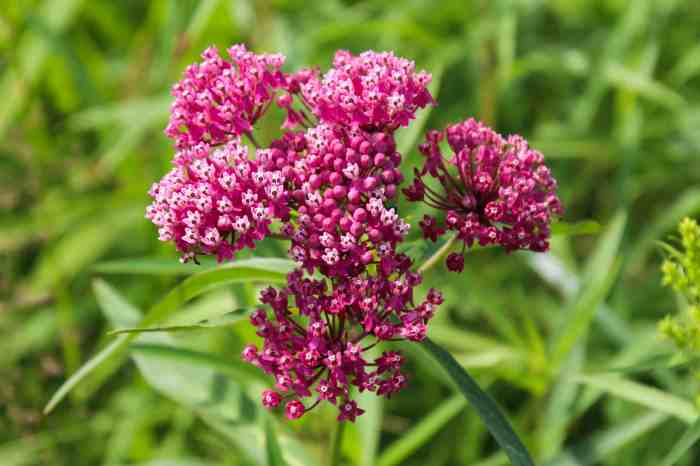
| Swamp Milkweed (Asclepias incarnata) | Ovate, broader than common milkweed | Herbaceous, often with a reddish tinge | Pinkish-purple to light rose |
| Butterfly Weed (Asclepias tuberosa) | Lanceolate, tapering to a point | Herbaceous, often with a woody base | Bright orange-yellow |
Ecological Niches of Milkweed Species, Milkweed plants monarch butterfly host
Different milkweed species occupy specific ecological niches, influencing their distribution patterns and interactions with other organisms.
- Common milkweed often thrives in disturbed areas, including roadsides and fields.
- Swamp milkweed prefers moist environments, like wetlands and stream banks.
- Butterfly weed often colonizes dry, open areas, such as prairies and meadows.
Distribution Patterns and Ecosystems
Milkweed distribution patterns are intrinsically linked to various ecosystems. Their presence influences the biodiversity and overall health of the environment.
- Milkweed plays a critical role in supporting various pollinators beyond monarchs, creating a complex web of ecological interactions.
- Maintaining diverse milkweed populations in different ecosystems contributes to the resilience of the ecosystem as a whole.
Conclusion

In conclusion, milkweed plants and monarch butterflies are deeply intertwined in a delicate ecological dance. Understanding their relationship is vital for their survival, and conservation efforts must prioritize the protection of milkweed habitats and the reduction of human-induced threats. By learning about the importance of native milkweed varieties and the critical stages of the monarch butterfly life cycle, we can appreciate the delicate balance of nature and contribute to the conservation of these remarkable species.