




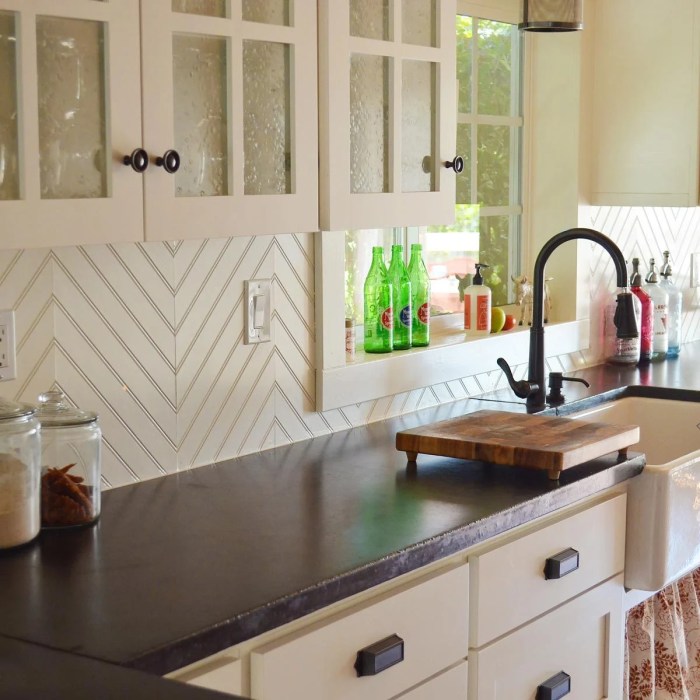
Kitchen backsplash ideas with white cabinets are plentiful, offering a wide array of styles to complement the clean lines of your white cabinets. From sleek modern designs to cozy farmhouse aesthetics, this guide explores diverse options, focusing on materials, colors, and patterns that create a stunning focal point in your kitchen. Whether you prefer the timeless elegance of marble or the contemporary simplicity of glass tile, we’ve got you covered.
This exploration delves into various design concepts, material choices, and budget-friendly alternatives to help you transform your kitchen into a beautiful and functional space. We’ll cover everything from installing a tile backsplash to selecting the perfect color palette for your unique style.
Overall Design Concepts
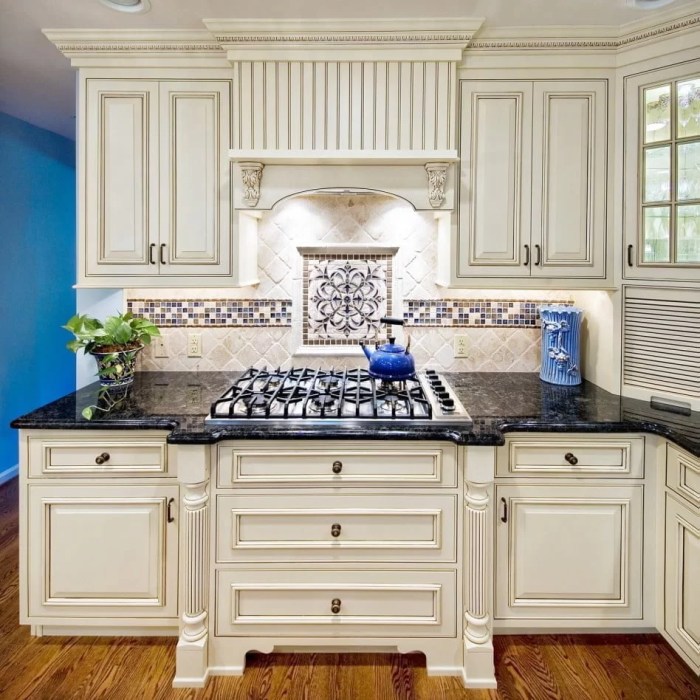
Choosing the right kitchen backsplash design for white cabinets is crucial for achieving a cohesive and aesthetically pleasing space. The backsplash serves as a focal point, adding personality and style while protecting the wall from splashes and stains. This section explores various design styles, their associated color palettes, material options, and lighting strategies.The following sections detail five distinct backsplash design styles, considering their compatibility with white cabinets.
Each style includes recommendations for color palettes, materials, and lighting techniques to maximize visual appeal and functionality.
Design Styles for White Cabinets
Different design styles offer unique aesthetics for a kitchen with white cabinets. These styles influence the overall look and feel of the space.
- Modern Minimalist: This style emphasizes clean lines, simple forms, and a neutral color palette. The backsplash often features large-format tiles in neutral shades like white, gray, or black. Alternatively, sleek metallic finishes like brushed nickel or stainless steel provide a modern touch. Materials like glass or polished stone contribute to a contemporary feel.
- Rustic Farmhouse: This style brings warmth and charm to the kitchen. The backsplash often features natural stone, like travertine or marble, in earthy tones. Natural wood accents or distressed painted tiles can also complement this aesthetic. Lighting should emphasize the natural beauty of the materials used.
- Coastal Farmhouse: This style incorporates light and airy elements, creating a calming atmosphere. Light blues, soft greens, and creams are common color choices. Glass mosaic tiles or ceramic tiles in light colors are excellent material options. Natural light is key to highlighting the soft colors and textures of this style.
- Glamorous Modern: This style embraces bold colors, luxurious textures, and intricate details. Metallic finishes, such as gold or copper, can be integrated into the backsplash design. Materials like glass or mirror tiles in a mosaic pattern add depth and sparkle. Accent lighting can highlight the backsplash’s decorative features.
- Bohemian Chic: This style combines unique patterns, textures, and colors. A backsplash featuring patterned tiles or mosaics in a range of colors and shapes can create a dynamic and eye-catching design. Materials like ceramic or glass tiles with vibrant colors and geometric patterns add visual interest. Layered lighting can emphasize the unique elements of the backsplash.
Color Palettes
Color palettes play a significant role in defining the overall ambiance of the kitchen. The choice of color palette should complement the white cabinets and create a harmonious space.
- Each style mentioned above utilizes different color palettes, ranging from neutral tones to bold and vibrant colors. The color palette should complement the overall design theme.
Material Options
The material used for the backsplash significantly impacts the overall look and feel. The choice should consider factors such as durability, maintenance, and budget.
- Tile: Durable, versatile, and comes in a wide variety of styles, colors, and finishes. Suitable for all the styles mentioned above.
- Stone: Natural stone like marble, granite, or quartz provides a luxurious aesthetic. However, it may require more maintenance than other materials.
- Glass: Glass tiles offer a modern and transparent look, especially in mosaic designs. They can be easily cleaned and are available in various colors and patterns.
Lighting Considerations
Lighting significantly impacts how the backsplash is perceived. Proper lighting can highlight its features and enhance the overall ambiance of the kitchen.
- Lighting should be chosen to complement the backsplash’s design. For example, recessed lighting can illuminate a modern minimalist backsplash, while ambient lighting can highlight the textures of a rustic farmhouse design.
Comparison Table
| Design Style | Color Palette | Material Options | Lighting Considerations |
|---|---|---|---|
| Modern Minimalist | Neutral (white, gray, black) | Tile, glass, polished stone | Recessed lighting, spotlights |
| Rustic Farmhouse | Earthy (beige, brown, terracotta) | Natural stone, wood, painted tiles | Ambient lighting, pendant lights |
| Coastal Farmhouse | Light (blues, greens, creams) | Glass mosaic, ceramic tile | Natural light, sconces |
| Glamorous Modern | Bold (gold, copper, black) | Glass, mirror tiles | Accent lighting, chandeliers |
| Bohemian Chic | Vibrant (various colors, patterns) | Ceramic tile, glass mosaic | Layered lighting, pendant lights |
Material Selection
Choosing the right material for your kitchen backsplash is crucial. It impacts both the aesthetic appeal and the longevity of your design. Consider factors like your budget, desired style, and the level of maintenance you’re comfortable with when making your decision. Different materials offer varying degrees of durability, cost, and ease of installation.Selecting the right material for your kitchen backsplash is critical.
Love the clean look of white cabinets in the kitchen? Choosing the perfect backsplash can really elevate the whole space. Pairing them with a pop of color or a unique pattern is key. And while you’re getting inspired, why not consider how to bring a touch of the tropics inside? Growing grow hypoestes phyllostachya indoors adds a vibrant burst of color to your home.
This makes for a fantastic backdrop to your white cabinets, and a lovely addition to your kitchen backsplash ideas. Think leafy greens or a patterned tile for a stunning contrast against the white.
It affects the overall look and the lifespan of your design. Your budget, personal style, and preferred maintenance level are all important considerations. Each material has unique characteristics in terms of durability, cost, and installation complexity.
Tile Types
Tile remains a popular choice for kitchen backsplashes due to its versatility and affordability. Ceramic tiles are a budget-friendly option, while porcelain tiles offer greater durability and water resistance. Glass tiles add a touch of elegance, and mosaic tiles provide a customized and artistic touch. Natural stone tiles, like slate or marble, offer a luxurious aesthetic but require more care.
White cabinets are a classic choice for kitchens, and finding the perfect backsplash to complement them can be a fun design challenge. Thinking about different materials for the backsplash, like subway tile or quartz, can be a great way to add personality to the space. Choosing the right kind of candle wax, such as soy or beeswax, for your home decor can also influence the look and feel of the kitchen, but don’t forget to consider the overall aesthetic when you are deciding on types of candle wax for your candles.
Ultimately, the right backsplash will make your white kitchen feel both modern and welcoming.
Consider the specific needs of your kitchen when choosing the right tile type.
Love those crisp white cabinets in the kitchen? Choosing the right backsplash can really elevate the look. Thinking about the winter care for vegetable gardens here might inspire you to consider a patterned tile, mimicking the beautiful frost on a winter window. A subway tile in a cool, muted tone, or even a textured stone, can create a stunning backdrop that complements the bright whites perfectly.
Marble Backsplash: Advantages and Disadvantages
Marble’s natural beauty and luxurious appearance make it a desirable backsplash material. Its veining patterns add a touch of elegance and sophistication. However, marble is susceptible to staining and etching, requiring careful sealing and maintenance. Its relatively high cost and potential for damage during installation are also factors to consider. Proper sealing and regular maintenance are crucial to preserving the beauty and longevity of a marble backsplash.
Stone Types and Properties
Various stone types, including granite, slate, and travertine, each offer unique properties. Granite, known for its durability and resistance to stains, is a popular choice for high-traffic areas. Slate, with its natural variations in color and texture, creates a unique aesthetic. Travertine, with its porous nature, requires sealing to prevent staining. Understanding the properties of each stone is vital in choosing the right material for your kitchen’s specific needs.
Glass Backsplashes: Characteristics and Maintenance
Glass backsplashes are a modern and stylish choice, offering a sleek and clean appearance. They are highly resistant to stains and are easy to clean. However, glass can be fragile and may require specialized installation techniques. Consider the specific type of glass, whether it’s tempered or laminated, to ensure durability. Glass backsplashes are generally low maintenance, requiring only regular cleaning to maintain their beauty.
Material Comparison Table
| Material | Cost | Durability | Installation Ease |
|---|---|---|---|
| Ceramic Tile | Low | Moderate | Easy |
| Porcelain Tile | Moderate | High | Easy |
| Glass Tile | Moderate to High | High | Moderate |
| Marble | High | Moderate (with sealing) | Moderate |
| Granite | High | High | Moderate |
| Slate | Moderate to High | High | Moderate |
| Travertine | Moderate to High | Moderate (with sealing) | Moderate |
Pattern and Texture
Adding pattern and texture to a kitchen backsplash with white cabinets can elevate the design from simple to stunning. The right choices can create visual interest, warmth, and personality, while complementing the clean lines of the white cabinets. Careful consideration of both the pattern and texture is crucial for a cohesive and aesthetically pleasing outcome.The impact of patterns and textures goes beyond mere aesthetics; they can influence the perceived size and shape of the space.
Strategic use of these elements can draw the eye, create focal points, and ultimately enhance the overall ambiance of the kitchen.
Unique Patterns for Kitchen Backsplashes, Kitchen backsplash ideas with white cabinets
Various patterns can transform a plain backsplash into a design statement. Choosing the right pattern is crucial for achieving the desired look and feel.
- Geometric Patterns: Geometric patterns, featuring shapes like triangles, squares, hexagons, or circles, add a modern and structured element. They can range from intricate, detailed designs to simpler, bolder shapes, allowing for versatility in design styles. Consider a mosaic backsplash with a geometric pattern for a contemporary feel, or a subway tile design in a repeating square pattern for a classic, clean look.
- Floral Patterns: Floral patterns, with their inherent beauty and elegance, introduce a touch of nature and sophistication. They can be delicate and subtle or bold and vibrant, allowing for a wide range of design expressions. Subtle floral patterns on a ceramic tile backsplash can complement white cabinets beautifully, while a bold floral print on glass tiles can create a focal point.
- Marble-Inspired Patterns: Marble’s natural veining and patterns provide a touch of luxury and elegance. This pattern is particularly effective in creating a sophisticated atmosphere. Marble-inspired tiles offer a versatile option, ranging from subtle veining to dramatic swirls, providing a visually interesting contrast against white cabinets.
- Wood-Grain Patterns: Natural wood grain patterns add warmth and a sense of natural beauty to a kitchen. This pattern can create a cozy and inviting ambiance, especially if paired with warm-toned cabinets. Consider wood-look porcelain tiles for a backsplash, providing a subtle yet impactful visual effect.
- Abstract Patterns: Abstract patterns offer a chance for creativity and individuality. These patterns can range from minimalist lines to bold shapes and colors. They can be a great choice for adding a unique character to a kitchen, especially if combined with unexpected colors or materials.
Impact of Different Textures
Texture plays a crucial role in the overall aesthetic of the backsplash. The choice of texture can dramatically affect the way light interacts with the surface and influence the perceived depth and dimension of the space.
- Smooth Surfaces: Smooth surfaces like glass or polished porcelain create a sleek and modern look. They are easy to clean and maintain, reflecting light effectively. A smooth glass backsplash can create a contemporary feel, especially when paired with white cabinets.
- Rough Surfaces: Rough surfaces, such as stone or textured tiles, offer a warm and rustic feel. They add depth and dimension, enhancing the overall aesthetic. Textured tiles can add a tactile element to the kitchen, particularly when contrasted against the smooth surfaces of the cabinets.
- Matte vs. Glossy Surfaces: Matte surfaces absorb light, creating a softer and more subdued effect. Glossy surfaces reflect light, making the space appear brighter and more expansive. Consider matte finishes for a more subtle look and glossy finishes for a more impactful and modern style.
Incorporating Patterns and Textures with White Cabinets
White cabinets provide a blank canvas for backsplash patterns and textures. The key is to select elements that complement the clean lines of the cabinets without overpowering them.
- Complementing Colors: Choose patterns and textures that complement the existing color palette of the kitchen. Consider using colors that subtly contrast with the white cabinets but still create a cohesive design.
- Balancing Patterns: Use smaller patterns to create a subtle visual interest without overwhelming the space. Large patterns can create a focal point but need careful consideration to maintain balance.
- Harmonizing Textures: Select textures that work harmoniously with the cabinets and other kitchen elements. For instance, a smooth glass backsplash can create a modern contrast to a wood-toned countertop.
Visual Effects of Large vs. Small Patterns
The size of the pattern significantly impacts the visual effect. Large patterns create a focal point and can make a smaller kitchen feel more intimate. Small patterns, on the other hand, can create a sense of spaciousness.
- Large Patterns: Large patterns draw attention and act as focal points. Use them strategically to create a dramatic statement, particularly in kitchens with ample space.
- Small Patterns: Small patterns, like subtle stripes or subtle tile designs, can create a sense of visual interest without overwhelming the space, especially in smaller kitchens.
Combining Patterns and Textures
Combining different patterns and textures can create a visually interesting and dynamic backsplash. The key is to find patterns that complement each other.
- Contrast and Complement: Combine contrasting patterns and textures to create visual interest. For instance, a bold geometric pattern could be combined with a smooth glass surface.
- Matching Themes: Find patterns that share a common theme or aesthetic. For instance, a marble-inspired pattern might work well with a rustic-style backsplash.
Backsplash Installation
Transforming your kitchen with a beautiful backsplash is a rewarding project. Proper installation ensures longevity and a professional aesthetic. This guide details the steps for a successful tile backsplash installation, focusing on preparation, tools, and achieving a polished finish.Careful planning and execution are key to a flawless backsplash. By understanding the process from start to finish, you can confidently tackle this DIY project and enjoy a stunning kitchen transformation.
Preparation Steps Before Installation
Careful preparation is crucial for a successful backsplash installation. This involves meticulous planning, accurate measurements, and thorough surface preparation. Incorrect preparation can lead to costly repairs or an uneven finish.
- Surface Assessment: Thoroughly inspect the existing wall surface. Identify any cracks, imperfections, or loose areas that need repair. A smooth, stable surface is essential for a strong bond and a professional finish.
- Wall Repair: Address any existing issues like cracks or holes. Patch these areas with appropriate patching compounds, ensuring they are properly sealed and level with the surrounding wall. Use a suitable filler for the gaps. Allow ample time for the patching material to dry completely before proceeding with the next steps.
- Measuring and Planning: Accurately measure the backsplash area. Create a detailed layout to ensure proper material quantities and placement. This prevents wastage and ensures the design is accurately replicated on the wall.
- Material Preparation: Prepare all necessary materials, including tiles, grout, adhesive, and any additional accessories. Verify the quantities are correct to avoid any delays during installation.
Essential Tools and Materials
A well-stocked toolbox is essential for a smooth installation. The right tools minimize errors and ensure a professional finish.
- Measuring Tools: Level, tape measure, pencil, and straightedge are crucial for accurate measurements and alignment.
- Cutting Tools: Tile cutter, nippers, and a wet saw are essential for precise tile cutting, especially for intricate shapes or sizes.
- Application Tools: Trowel, grout float, sponge, and rubber squeegee are necessary for applying adhesive and grout, ensuring even distribution and a professional finish.
- Safety Equipment: Eye protection, gloves, and dust mask are crucial for a safe work environment. Consider a respirator if dealing with potentially harmful dust or fumes.
- Other Materials: Tile adhesive, grout, sealant, spacers, and cleaning supplies.
Tile Backsplash Installation Steps
A step-by-step guide to install your tile backsplash, ensuring a professional outcome.
- Applying Adhesive: Apply a thin, even layer of adhesive to the prepared wall surface using a notched trowel. Follow the manufacturer’s instructions for the specific adhesive type. Use spacers to maintain the desired spacing between tiles. Ensure even application to avoid uneven gaps.
- Tile Placement: Carefully position the first tile in the designated area, ensuring it’s straight and level. Press firmly to secure the tile. Continue placing tiles along the designated layout, maintaining consistent spacing using spacers. This ensures accurate alignment and an aesthetically pleasing outcome.
- Grouting: After the adhesive has cured, apply grout to the gaps between the tiles using a grout float. Spread the grout evenly and remove excess grout using a damp sponge. Allow the grout to dry completely according to the manufacturer’s instructions.
- Grout Finishing: Once the grout is dry, clean the excess grout from the tiles with a damp sponge or cloth. Avoid harsh chemicals or scrubbing, as it can damage the grout. Maintain proper spacing and ensure the grout is level.
- Final Cleaning: Clean the entire backsplash area to remove any residue from the grout and adhesive. Allow ample time for the adhesive and grout to cure completely before use. Maintain proper spacing and alignment throughout the process.
Tips for a Professional Finish
These tips will guide you to a professional-looking backsplash installation.
- Precise Measurements: Accurate measurements are crucial for a consistent backsplash.
- Even Grout Application: Ensure even grout application for a seamless appearance.
- Proper Curing Time: Allow sufficient curing time for the adhesive and grout to set properly.
- Cleanliness: Maintain cleanliness throughout the installation process to avoid damaging the tiles.
Color Combinations: Kitchen Backsplash Ideas With White Cabinets
Transforming your kitchen with a white cabinet backsplash isn’t just about aesthetics; it’s about creating a space that resonates with you. Choosing the right color palette plays a crucial role in achieving the desired mood and functionality. The interplay of colors can subtly influence your emotions and create a welcoming atmosphere, or a vibrant, energetic space.Color psychology is a powerful tool in interior design.
Different colors evoke different feelings, influencing our mood and perception of a space. Understanding these nuances allows you to consciously curate a kitchen that harmonizes with your lifestyle and personality. This section will explore five color palettes that beautifully complement white cabinets, alongside their psychological effects and material recommendations.
Color Palettes for White Cabinets
Selecting the right color palette is a critical step in achieving a harmonious and visually appealing kitchen. Choosing colors that complement white cabinets requires careful consideration of the overall ambiance you wish to create. The following five palettes offer distinct options for your inspiration.
- Warm Neutrals: This palette combines soft beiges, creams, and warm grays with white. These colors create a calming and inviting atmosphere. The subtle variations in tone add depth and visual interest without overwhelming the white cabinets. Think of a serene spa-like kitchen, perfect for relaxation and unwinding.
- Earthy Tones: This palette includes shades of terracotta, ochre, and muted browns. These colors connect you with nature, fostering a sense of groundedness and tranquility. They offer a rich, warm contrast to the clean lines of white cabinets, creating a cozy and inviting kitchen.
- Fresh Greens: Soft mint greens, sage, and olive greens work beautifully with white cabinets. These colors evoke a sense of freshness and tranquility. They create a vibrant and inviting space, ideal for families and those who appreciate a natural, calming environment.
- Cool Blues: A palette featuring soft blues, icy grays, and periwinkles offers a refreshing and airy feel. These colors create a sophisticated and modern ambiance. Perfect for those seeking a serene and sophisticated space, these colors pair beautifully with the clean lines of white cabinets.
- Vibrant Pops of Color: This palette incorporates bolder colors like coral, sunny yellow, or deep navy. These accent colors add a dynamic and energetic feel to the kitchen, creating a focal point that stands out against the white cabinets. These vibrant colors can make the space feel lively and inviting for all.
Psychological Impact of Color
Colors have a significant impact on our emotional state. Warm colors like reds and yellows can evoke feelings of energy, excitement, and passion. Cool colors like blues and greens, conversely, often evoke feelings of calmness, serenity, and tranquility. The specific shade and intensity of a color can further modify its effect.
Backsplash Material Examples
The choice of backsplash material is crucial in achieving the desired aesthetic and functionality. Different materials offer varying degrees of durability, resistance to stains, and visual appeal. The table below summarizes the color palettes, their emotional impact, and suitable backsplash materials.
| Color Palette | Emotional Effect | Backsplash Materials |
|---|---|---|
| Warm Neutrals | Calming, Inviting | Ceramic tile, porcelain tile, quartz, marble |
| Earthy Tones | Grounded, Tranquil | Ceramic tile, stone tile, natural stone (slate, travertine), glass mosaic |
| Fresh Greens | Fresh, Tranquil | Ceramic tile, glass mosaic, stone tile, stainless steel |
| Cool Blues | Serene, Sophisticated | Ceramic tile, glass mosaic, porcelain tile, stainless steel |
| Vibrant Pops of Color | Dynamic, Energetic | Ceramic tile, glass mosaic, stainless steel, patterned tile |
Using Accent Colors for Focal Points
Using accent colors strategically can transform a kitchen backsplash into a focal point. These colors, contrasting with the white cabinets, draw the eye and create a unique design element. A small area of bold color can be a statement without overwhelming the space. Consider a mosaic backsplash with vibrant turquoise accents for a pop of energy. Or, incorporate a series of colorful glass tiles to highlight a section of the backsplash.
Budget-Friendly Ideas
Transforming your kitchen backsplash doesn’t have to break the bank. With a little creativity and resourcefulness, you can achieve a stunning look without emptying your wallet. This section dives into cost-effective materials, DIY techniques, and smart strategies for creating a beautiful and personalized backsplash on a budget.Budget-conscious backsplash projects can be just as beautiful and functional as high-end ones.
By selecting the right materials, utilizing DIY techniques, and focusing on smart design choices, you can create a stunning kitchen backsplash without the hefty price tag.
Budget-Friendly Materials
Selecting cost-effective materials is crucial for a budget-friendly backsplash. Here are five options that offer both beauty and value:
- Ceramic Tiles: Ceramic tiles are a classic choice for their durability and affordability. Various colors, patterns, and sizes are available, allowing for a wide range of design options. Look for discounted tiles at home improvement stores or online retailers. Pre-owned or slightly damaged tiles can be found in some stores, often at significantly lower prices, provided that they are structurally sound.
- Peel-and-Stick Backsplash Tiles: These self-adhesive tiles are a fantastic DIY option. They come in various styles, colors, and patterns, offering a quick and easy installation process. Ensure the surface is properly prepped before applying for a lasting finish. The adhesive backing can be used for a range of surfaces.
- Glass Tiles: Glass tiles bring a modern touch to the kitchen. These come in various colors and patterns, allowing for design customization. While slightly more expensive than ceramic tiles, they can still be a budget-friendly choice when purchased in bulk or from discounted suppliers.
- Painted Sheetrock or Wall Panels: This is an ideal solution for a simple, smooth backsplash. A high-quality paint, in the desired color or pattern, can create a unique and personalized look, with a matte finish for a sleek appearance. This option is a great way to incorporate unique patterns or textures.
- Reclaimed Wood or Metal: These unique materials can create a rustic or industrial look. Reclaimed wood or metal tiles offer a distinctive and personalized touch, potentially found at local salvage yards or online marketplaces at lower costs than new materials.
Creating a Beautiful Backsplash on a Limited Budget
A beautiful backsplash doesn’t require expensive materials. Focus on these techniques to maximize your budget:
- Strategic Pattern Placement: Using a repeating pattern in a smaller area, such as a section of the backsplash, can create a significant impact without requiring a large quantity of material. For example, a simple, repeating pattern in a backsplash niche can be striking without covering the entire area.
- DIY Installation: DIY installation is a great way to save money. While not suitable for all materials, some backsplash installations, like peel-and-stick tiles or painted wall panels, are perfect for a DIY project. Careful planning and preparation will save time and money.
- Accessorize with Color and Lighting: Consider incorporating color and lighting to enhance the backsplash’s aesthetic. Use colorful grout or patterned tile trim, and add lighting features like LED strips behind the backsplash to highlight the design elements.
- Accent Walls: If your budget is tight, consider an accent wall treatment for the backsplash area. This option is an effective and affordable way to give the kitchen a unique and beautiful look.
Creative Personalization on a Budget
Personalization doesn’t have to be expensive. Here are some budget-friendly ways to add a unique touch:
- Using Unique Grout Colors: Grout is a budget-friendly way to add a pop of color or pattern to your backsplash. Consider using a contrasting grout color to highlight the tile pattern or create a visually appealing effect.
- Incorporate Decorative Accents: Small decorative accents can elevate the look without increasing the material cost. Consider adding decorative elements like framed prints, or wall hangings. This can create a cohesive and personalized look.
- Experiment with Textures: Adding textured materials to the backsplash can give a unique touch to the kitchen. Consider adding small decorative elements or using materials with different textures, like textured glass or wood veneer tiles.
DIY Backsplash Projects
DIY projects are a cost-effective way to personalize your kitchen. Here are some examples:
- Peel-and-Stick Tile Backsplash: A simple peel-and-stick tile backsplash is a great starting point for DIY projects. The installation process is straightforward, and the results can be stunning.
- Painted Sheetrock Backsplash: This project involves painting a sheetrock or wall panel. It’s a low-cost way to create a custom backsplash. Experiment with different paint finishes and colors.
- Mosaic Tile Backsplash: Use small, colorful tiles to create a mosaic pattern. This project is a great way to showcase creativity and artistic flair. Small pieces of tile can be pieced together to create a unique and artistic mosaic design.
Finding Affordable Materials and Installation
Finding affordable materials and installation options can be a game-changer. Here are some tips:
- Check Local Home Improvement Stores: Local home improvement stores often have sales and discounts on tiles and other backsplash materials. Look for deals and compare prices.
- Online Retailers: Online retailers often offer competitive prices on backsplash materials. Compare prices and read reviews before making a purchase.
- Consider Used or Recycled Materials: Explore the possibility of using pre-owned or recycled materials for a more sustainable and affordable option. This may involve seeking out salvaged materials or contacting suppliers who offer discounted or used materials.
Modern Design Trends
Elevating your kitchen backsplash design to a modern aesthetic involves embracing innovative materials, intriguing patterns, and stylish color palettes. Modern design in kitchens often prioritizes clean lines, functional layouts, and a sense of spaciousness. A well-chosen backsplash can significantly contribute to this aesthetic, adding visual interest and a contemporary touch.Modern kitchen backsplashes are frequently designed with a focus on durability and easy maintenance, which allows homeowners to enjoy their kitchen’s beauty for years to come.
Identifying Modern Design Trends
Modern kitchen backsplash designs often incorporate a blend of minimalist aesthetics and innovative materials. Key trends include the use of large-format tiles, the incorporation of unique textures, and a focus on showcasing natural elements. These trends offer a versatile canvas for personal expression, allowing homeowners to customize their backsplashes to perfectly match their kitchen’s overall style.
Large-Format Tiles
Large-format tiles are gaining popularity for their ability to create a seamless, uninterrupted visual effect. This trend emphasizes a sense of spaciousness and modernity. Large tiles can be used in various colors and materials to create a sophisticated and elegant look. For instance, a kitchen with white cabinets can benefit from large-format tiles in a neutral shade like gray or beige, or a bolder color like a deep teal.
Using large-format tiles minimizes grout lines, which reduces maintenance and creates a clean, contemporary aesthetic.
Unique Textures and Patterns
Incorporating unique textures and patterns into a backsplash design adds depth and visual interest to a kitchen. These features can range from subtle metallic accents to more pronounced geometric patterns. For example, a backsplash featuring metallic glass tiles or tiles with a subtle embossed pattern can add a modern and refined touch to a kitchen with white cabinets.
This approach can add an element of visual intrigue and highlight the unique personality of the space.
Natural Elements
Natural elements, such as stone or wood, bring a touch of warmth and sophistication to a modern kitchen backsplash. Natural materials can be incorporated into backsplashes through various forms, including stone veneers, wood-look tiles, or even exposed concrete. Using these materials creates a sense of connection with nature and can elevate the kitchen’s overall aesthetic to a more modern, yet cozy, feel.
For instance, a white kitchen can be beautifully complemented by a backsplash featuring natural stone tiles in a light gray or beige tone.
Choosing Durable and Stylish Materials
Modern materials for backsplashes should balance style with durability. Ceramic tiles, glass tiles, porcelain tiles, and natural stone are excellent options. Ceramic and porcelain tiles are resistant to moisture and stains, making them suitable for high-traffic areas. Glass tiles offer a wide range of colors and patterns, while natural stone provides a unique and elegant touch.
Modern Backsplash Designs with White Cabinets
Pairing modern backsplash designs with white cabinets offers a versatile platform for experimentation. The clean lines of white cabinets create a blank canvas that allows various backsplash designs to shine. A glossy subway tile backsplash in a deep blue or a patterned ceramic tile backsplash with a neutral color palette can be used to highlight the white cabinets.
Table of Modern Trends
| Modern Trend | Key Features | Materials |
|---|---|---|
| Large-Format Tiles | Seamless look, spacious feel, minimal grout lines. | Ceramic, porcelain, glass, stone |
| Unique Textures and Patterns | Adds visual depth, personality, and intrigue. | Metallic glass, embossed tiles, patterned ceramic, stone with varying textures |
| Natural Elements | Warmth, sophistication, connection with nature. | Natural stone, wood-look tiles, exposed concrete |
Last Point
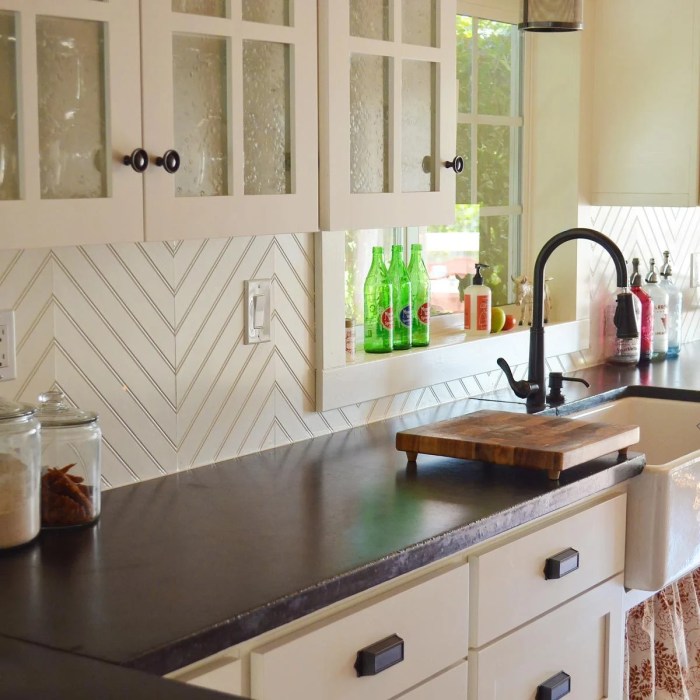
Ultimately, the best kitchen backsplash ideas with white cabinets are the ones that reflect your personal style and complement your kitchen’s overall design. We hope this guide has provided inspiration and practical information to help you make the best choices for your space. Remember to consider your budget, lifestyle, and the desired aesthetic when making your final decision. Happy backsplash hunting!