



How to water succulents is crucial for their health and beauty. Understanding their specific needs is key to keeping these fascinating plants thriving. This comprehensive guide dives deep into various watering methods, soil types, and schedules, ensuring you’re giving your succulents the perfect amount of hydration.
From the basics of succulent types and their varying water requirements, to advanced techniques and troubleshooting, this guide will equip you with the knowledge to nurture your succulent collection.
Introduction to Succulents
Succulents are fascinating plants known for their ability to store water in their fleshy leaves, stems, or roots. This adaptation allows them to thrive in arid and semi-arid environments. Their water needs are significantly different from those of typical flowering plants, and understanding these needs is crucial for successful succulent cultivation. Knowing the specific type of succulent you have is key to providing the right care.
Different families have varying tolerances to moisture and light, influencing the best watering schedule.
Understanding Different Succulent Types
Succulents are a diverse group, encompassing numerous families with varying water requirements. Recognizing the differences between these types is vital for successful cultivation. Different species within a family may also have unique needs, requiring tailored care. This knowledge empowers you to create a customized watering routine for each of your succulents.
Succulent Families and Watering Requirements
Succulents belong to various families, each with its own characteristics regarding water needs. For example, some succulents prefer well-drained soil, while others tolerate occasional periods of dryness. A crucial factor is the light environment they need to thrive, as this directly influences their water requirements.
| Succulent Type | Watering Frequency | Soil Type | Light Requirements |
|---|---|---|---|
| Echeveria | Once every 2-3 weeks (adjust based on environment) | Well-draining, sandy soil mix | Bright, indirect light |
| Aloe Vera | Once every 4-6 weeks (depending on size and climate) | Well-draining, cactus or succulent mix | Full sun to partial shade |
| Haworthia | Once every 3-4 weeks (reduce in winter) | Well-draining, gritty soil mix | Bright, indirect light; can tolerate some shade |
The table above provides a general guideline. Always observe your plants’ specific needs and adjust watering accordingly. Factors like the size of the pot, the temperature, and the humidity of your environment all play a role in how often you should water your succulents.
Understanding Watering Methods
Succulents, with their remarkable ability to thrive in arid conditions, require a delicate balance when it comes to watering. Knowing the different methods and their nuances is crucial for ensuring healthy growth and preventing common issues like root rot. This section delves into various watering techniques, highlighting their pros and cons, and the impact of both overwatering and underwatering on these fascinating plants.
Soaking
Soaking involves thoroughly saturating the soil with water until it drains completely from the drainage holes. This method ensures that water reaches the roots deeply, promoting robust growth. A key benefit is that it provides a good supply of moisture to the plant, which is especially helpful during periods of drought. However, over-enthusiastic soaking can lead to waterlogging, potentially causing root rot.
Proper drainage is essential, and it’s vital to check the pot’s drainage holes before each watering to ensure they are not blocked by debris. Succulents, especially those in small pots, require careful monitoring to prevent water accumulation and the resulting damage.
Misting
Misting involves spraying water directly onto the leaves and stems of the succulent. This method is often used for plants with fleshy leaves or stems that retain moisture. A gentle misting can provide a refreshing boost, especially during hot and dry periods. It can also be useful in replicating a natural environment. However, misting alone is usually insufficient for deep watering.
It’s important to understand that misting primarily hydrates the foliage, not the root system. For consistent hydration, misting should be combined with other methods like soaking or bottom watering.
Bottom Watering
Bottom watering involves placing the pot with the succulent in a tray filled with water. The water will be absorbed through the drainage holes in the pot, hydrating the soil gradually and thoroughly. This method minimizes the risk of overwatering and promotes a more controlled approach. The advantage of bottom watering is that it avoids wetting the leaves, which helps prevent fungal diseases and rot.
However, it is crucial to ensure that the pot is not submerged completely in water, as this can also lead to root rot. Also, be mindful of the duration the pot sits in the water, as excessive time can still lead to waterlogging.
Impact of Overwatering and Underwatering
Overwatering leads to a surplus of water in the soil, suffocating the roots and creating an environment conducive to fungal diseases like root rot. This can cause the succulent’s leaves to turn mushy, and the plant may eventually collapse. Underwatering, on the other hand, can result in desiccation of the soil and roots. This will lead to wilting and a lack of growth.
Understanding the signs of both overwatering and underwatering is crucial for maintaining healthy succulents. Consistent monitoring and adjusting your watering schedule are key.
Watering Methods Comparison
| Watering Method | Advantages | Disadvantages |
|---|---|---|
| Soaking | Thoroughly moistens soil; encourages deep root growth | Can lead to root rot if not properly drained; requires careful monitoring of drainage |
| Misting | Provides a refreshing boost; suitable for fleshy leaves; helps replicate natural environment | Ineffective for deep watering; not a primary method; requires combined use with other methods |
| Bottom Watering | Minimizes overwatering risk; avoids leaf wetting; controlled hydration | Requires careful monitoring of water level and duration; may not be suitable for all succulents |
Soil and Potting Considerations
Choosing the right soil and pot is crucial for the health and happiness of your succulents. Proper drainage is paramount to prevent root rot, a common killer of these desert dwellers. The right potting mix allows water to drain freely, mimicking their natural environment, while the appropriate pot size and material promotes healthy root growth and prevents overwatering.Well-draining soil is essential for succulent health.
Succulents thrive in arid conditions and their roots are susceptible to rot if they sit in waterlogged soil. A soil that allows for rapid water drainage mimics their natural habitat and prevents root issues. A good potting mix will balance aeration and moisture retention to support succulent growth without causing waterlogging.
Importance of Well-Draining Soil
Succulents are adapted to survive in dry conditions. Their roots are not designed to absorb and retain large amounts of water. A soil that doesn’t drain well can lead to waterlogging, suffocating the roots and making them vulnerable to fungal diseases. Preventing waterlogging is crucial for the long-term health and survival of succulents. This healthy environment is key to their beautiful and robust growth.
Suitable Soil Types for Succulents
Several soil types are suitable for succulents, each with different drainage properties. A crucial aspect is the ability to allow water to drain rapidly. A good mix should combine aeration and drainage to ensure proper water absorption and distribution. A balanced approach to these two components provides the optimal growing conditions.
- Cactus and succulent mixes are specifically formulated for these plants. These mixes typically contain perlite, pumice, or sand to enhance drainage and aeration. These ingredients are essential components in such a mix.
- Potting soil, while commonly used, may retain too much moisture for succulents. To improve drainage, it’s important to add amendments like perlite or coarse sand to the mix. Adding these ingredients will create a more suitable mix for succulents.
- A DIY mix, combining potting soil, perlite, and coarse sand, can be an economical alternative. The proportions of these materials can be adjusted to achieve the desired drainage level. This can be a great cost-effective way to provide the optimal mix.
Ideal Pot Sizes and Materials
The size and material of the pot also significantly impact drainage and root development. The appropriate pot size and material are crucial for healthy root growth and to prevent issues. Proper size allows for proper root development, and appropriate material is crucial for drainage and overall growth.
- Choose pots with drainage holes to allow excess water to escape. Without these holes, water will accumulate around the roots, leading to root rot. The presence of these holes is vital for maintaining optimal growth conditions.
- Pot size should be proportionate to the size of the succulent. Oversized pots can lead to overwatering and root rot, while undersized pots can restrict root growth. A pot that is too small or too large can hinder growth, and therefore, a balanced size is ideal.
- Terracotta pots are a popular choice for succulents due to their porous nature, which promotes good air circulation and drainage. The material and structure of the pot affect the rate at which water drains away from the roots.
- Plastic pots are also suitable but might retain moisture more than terracotta pots. However, drainage holes are essential in both types of pots.
Significance of Drainage Holes in Pots
Drainage holes are essential for preventing waterlogging. They allow excess water to drain out of the pot, preventing root rot and ensuring that the roots have access to oxygen. Without these holes, the roots are deprived of oxygen and become susceptible to decay.
Soil Mixes and Drainage Capabilities
| Soil Mix | Drainage Capabilities |
|---|---|
| Cactus & Succulent Mix | Excellent |
| Potting Soil (with perlite/sand amendments) | Moderate |
| DIY Mix (Potting Soil, Perlite, Coarse Sand) | Good (adjustable based on proportions) |
Watering Schedules and Frequency
Knowing when and how often to water your succulents is crucial for their health and longevity. Overwatering is a common culprit behind succulent demise, so understanding the appropriate watering schedule is vital. Different succulents, and even the same succulent in different environments, will require varying amounts of water.
Determining Watering Needs
Succulents are adapted to survive in arid conditions. They store water in their fleshy leaves and stems. The key to successful watering is recognizing when their water reserves are low and require replenishment. Observe the soil moisture level before watering.
Assessing Soil Moisture
A crucial step in determining watering frequency is assessing the soil moisture. Avoid watering until the top inch or two of the soil is completely dry. This allows the roots to absorb water effectively without risk of rot. Various methods exist to test soil dryness. One simple method is using your finger.
Insert your finger about an inch into the soil. If the soil feels dry, it’s time to water. If it feels moist, wait. Another method involves using a moisture meter, a tool specifically designed to measure soil moisture.
Watering Frequency Guide
Understanding seasonal variations and environmental factors is critical to crafting a successful watering schedule. These factors influence the rate at which the soil dries. The table below provides a general guide to watering frequency based on season and environmental conditions. Remember that these are guidelines, and individual plants and environments may require adjustments.
| Season | Watering Frequency |
|---|---|
| Summer | More frequent. Watering may be needed every few days, or even daily, depending on the intensity of the heat and humidity. Arid regions or sunny patios may necessitate more frequent watering than shadier locations. |
| Spring/Fall | Moderately frequent. Watering needs will depend on the amount of rainfall and the intensity of the sun. These seasons often require watering every few days, or even weekly. |
| Winter | Less frequent. Succulents go dormant during winter, and their water needs diminish significantly. Watering may be needed only once a month or less, depending on the temperature and humidity. In extremely cold climates, watering may be unnecessary for several months. |
Signs of Overwatering and Underwaterings
Knowing how to identify overwatering and underwatering in succulents is crucial for their health and longevity. These issues are often the cause of common problems, such as leaf drop, and can be easily avoided with proper observation and adjustment of watering techniques. Early detection allows for timely intervention, preventing more severe damage.Understanding the visual cues and physiological responses of succulents to over- and underwatering allows you to quickly address potential issues.
Succulents are surprisingly low-maintenance, but proper watering is key. Water deeply but infrequently, allowing the soil to dry out completely between waterings. This prevents root rot, a common problem. Thinking about refreshing your kitchen? Check out some fantastic painted cabinet ideas for your kitchen for a stylish update! painted cabinet ideas for your kitchen Remember, less is more when it comes to watering these drought-tolerant beauties.
This proactive approach ensures your succulents thrive and maintain their vibrant beauty.
Visual Indicators of Overwatering
Overwatering is a common mistake that can lead to root rot and other severe issues. Recognizing the signs of overwatering is key to preventing significant damage. Succulents are adapted to survive in arid conditions, and excessive moisture can quickly overwhelm their systems.
- Drooping or yellowing leaves: Leaves that droop or exhibit yellowing, especially those near the base of the plant, often indicate overwatering. This is a clear visual sign that the roots are struggling to absorb oxygen due to waterlogged soil.
- Mushy or soft stems: Overwatered succulents frequently exhibit mushy or soft stems. This is a more advanced sign of root rot. The stem tissue loses its firmness and resilience.
- Dark spots or discoloration on leaves: Overwatering can cause dark spots or discoloration on the leaves, which might appear brown or black. This can be a sign of fungal diseases associated with excessive moisture.
- Root rot: While not always immediately visible, root rot is a severe consequence of overwatering. The roots will appear dark, mushy, and decompose. If you suspect root rot, you might feel the stem or soil is excessively moist.
Visual Indicators of Underwaterings
Underwatering, while seemingly less damaging than overwatering, can also negatively impact succulents. Recognizing the subtle signs of underwatering is vital to maintaining their health.
- Wilting leaves: Wilting leaves, often drooping and soft, are a clear indicator of underwatering. The plant is not receiving adequate water to maintain turgor pressure in its cells.
- Brittle stems: Underwatered succulents may have brittle stems that easily break. This is a sign that the plant is dehydrated and lacking moisture in its tissues.
- Leaves turning grayish or brown: Succulents that are severely underwatered might exhibit grayish or brown leaves. This is due to the plant conserving water by closing stomata and reducing the leaf surface area.
- Leaves falling off: In severe cases of underwatering, leaves may start to fall off. This is a final effort of the plant to reduce water loss.
Categorizing Signs of Overwatering and Underwaterings
This table provides a concise summary of the visual signs associated with overwatering and underwatering:
| Condition | Signs |
|---|---|
| Overwatering | Drooping leaves, mushy stems, dark spots or discoloration on leaves, root rot |
| Underwatering | Wilting leaves, brittle stems, leaves turning grayish or brown, leaves falling off |
Advanced Watering Techniques: How To Water Succulents
Succulents, with their diverse needs and captivating beauty, demand a nuanced approach to watering. Moving beyond basic routines, advanced techniques allow for tailoring watering strategies to specific succulent types, growth stages, and environmental conditions. This deeper understanding ensures optimal health and encourages vibrant growth.Understanding the specific requirements of various succulent types is crucial for effective watering. Different species have varying tolerances for moisture.
Succulents are surprisingly low-maintenance, but proper watering is key. Just like you need to consider drainage when building a DIY floating bed frame, you need to be mindful of the pot’s drainage and the soil’s moisture retention when watering. Check the soil’s dryness before watering again, ensuring you avoid overwatering, which can lead to root rot. For more tips on how to create a beautiful and sturdy floating bed frame for your garden, check out this helpful guide: how to build a diy floating bed frame.
Ultimately, watering your succulents will be much easier once you have a properly designed and constructed bed for them.
For instance, desert-dwelling succulents like cacti may require less frequent watering than those from more humid environments. This personalized approach fosters healthy growth and prevents potential issues like root rot.
Watering Specific Succulent Types
Different succulents have varying water needs. Some, like echeverias, prefer a consistently moist but well-drained soil, while others, such as aeoniums, tolerate periods of dryness. Researching the specific needs of your succulent variety is vital for proper care. A common mistake is treating all succulents the same, leading to overwatering or underwatering certain types. This can affect their overall health and aesthetic appeal.
Adapting Watering Strategies for Growth Stages
Succulents, like other plants, exhibit different water requirements during various growth stages. Young succulents, for example, require more frequent watering than mature specimens to support their active growth phase. Conversely, succulents during dormancy, often in winter, require significantly less water. Observing these changes and adapting your watering schedule accordingly prevents stress and promotes healthy growth. Failing to adapt watering to these developmental phases can lead to stunted growth or even decline in overall health.
Watering succulents is all about understanding their needs. They’re pretty drought-tolerant, so less is more. However, if you’re looking for a deeper dive into watering specifics, a great resource is the jewel orchid growing guide. It offers insights into soil moisture and frequency, which can be applied to watering succulents, too. Ultimately, the key is to avoid overwatering, ensuring the soil dries out completely between waterings.
This method works for both succulents and other drought-tolerant plants.
Adjusting Watering Based on Environmental Factors
Environmental conditions, including temperature and humidity, greatly influence succulent watering needs. Higher temperatures necessitate more frequent watering to compensate for increased evaporation. Conversely, high humidity can lead to prolonged periods between waterings, as the air holds more moisture. Understanding these relationships and adjusting your watering accordingly is essential to maintaining optimal health. For instance, during extremely hot summer months, your watering schedule should be adjusted for higher evaporation rates.
Using Specialized Tools for Watering
Utilizing specialized tools can significantly enhance watering effectiveness. A watering can with a narrow spout allows for precise application of water to the soil surface, reducing the risk of overwatering or waterlogging the roots. Using a soil moisture meter can aid in determining the exact moisture content of the soil, enabling you to water only when necessary. Using the right tools prevents issues caused by improper watering.
Troubleshooting Common Watering Problems
Succulents, with their unique water-storing capabilities, are often prone to issues if not watered correctly. Understanding these problems and their solutions is crucial for keeping your succulents thriving. This section dives into the common pitfalls of watering and provides clear steps for recovery and prevention.Troubleshooting watering problems is an essential part of succulent care. By identifying the signs of overwatering or underwatering, you can quickly address the issue and prevent long-term damage to your plants.
A proactive approach is key to ensuring your succulents remain healthy and vibrant.
Identifying Overwatering Issues
Overwatering is a common problem, often stemming from a misunderstanding of the plant’s needs. Recognizing the signs early is critical to preventing irreversible damage. Symptoms often include mushy leaves, yellowing or browning, and root rot. Soggy soil is a clear indicator. Overwatering can lead to fungal diseases, which can further weaken the plant.
Addressing Overwatering Issues
The immediate solution for overwatering is to allow the soil to dry out completely. This often involves repotting the plant into fresh, well-draining soil. If root rot is evident, carefully remove the plant from the pot, trim away any affected roots, and replant in a clean pot with fresh, well-draining soil. Ensure the pot has adequate drainage holes.
Reduce watering frequency significantly. This may mean watering only when the top inch of soil is completely dry. This crucial step prevents further damage and encourages recovery.
Addressing Underwatered Issues
Underwatering, while less common, can also cause problems. Underwatered succulents will have noticeably shriveled or wrinkled leaves. The soil will be dry and crumbly to the touch. Underwatering can lead to leaf drop and potentially stunted growth.
Reviving a Stressed Succulent
A stressed succulent, regardless of whether it’s overwatered or underwatered, requires careful attention to recover. For underwatered plants, a thorough watering is essential, allowing the water to drain completely. For overwatered plants, repotting with fresh soil is often necessary.
Step-by-Step Guide for Reviving a Stressed Succulent
- Assess the Damage: Carefully examine the plant for signs of overwatering or underwatering. Look for mushy leaves, yellowing, browning, or shriveled leaves. Examine the soil for moisture content.
- Repotting (if necessary): For overwatered succulents with root rot, carefully remove the plant from the pot. Trim away any damaged or mushy roots. Replant the succulent in a new pot with fresh, well-draining soil mix. Ensure the pot has drainage holes.
- Watering (appropriately): Water thoroughly for underwatered succulents. Ensure the water drains completely. For overwatered succulents, reduce watering frequency significantly. Wait until the top inch of soil is completely dry before watering again.
- Monitoring and Adjusting: Monitor the plant closely for any signs of improvement or further issues. Adjust watering schedule as needed, based on the plant’s response. Providing a suitable light condition is also essential for recovery.
Preventing Future Watering Issues
A crucial step in succulent care is understanding your plant’s specific needs. Succulents require different watering frequencies based on factors like pot size, soil type, and the plant’s overall health. Using a well-draining soil mix is crucial, as it prevents waterlogging. Consider the time of year and the ambient humidity when determining your watering schedule. Proper pot selection is essential; ensure adequate drainage holes in the pot to prevent water buildup.
Illustrative Examples
Succulents, with their diverse shapes and textures, offer a fascinating window into the world of plant care. Understanding how well-watered and stressed succulents look is crucial for preventing common problems. By observing the visual cues, you can proactively adjust your watering routine to keep your collection thriving. These examples will illustrate the impact of various watering methods on different succulent types.
Healthy Succulent Characteristics
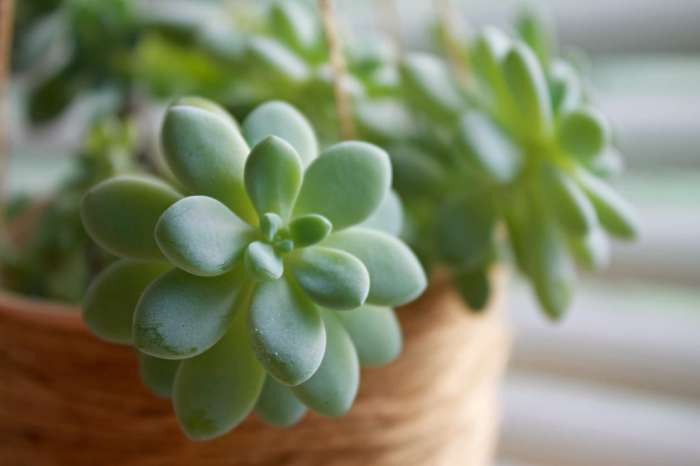
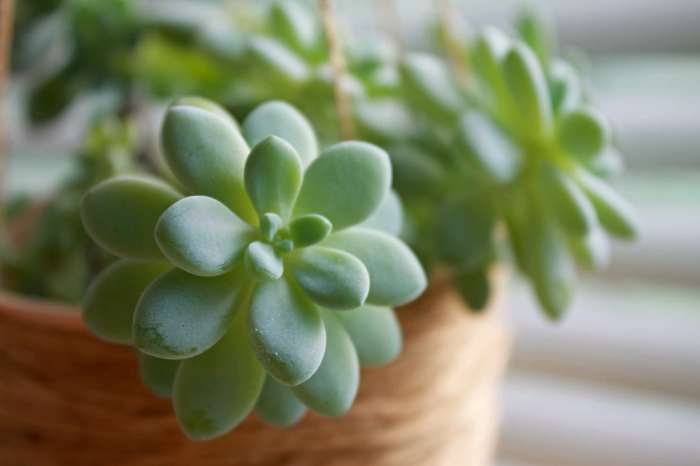
Healthy succulents exhibit a vibrant appearance, showcasing their unique beauty. Their leaves or stems are plump, firm, and display a rich color that varies depending on the species. The overall structure is intact, without signs of damage or discoloration. Healthy succulents typically retain their characteristic shape and size.
Unhealthy Succulent Characteristics
Unhealthy succulents display visible signs of stress, ranging from minor imperfections to severe damage. These signs may include wilting, discoloration, or the appearance of mushy or shriveled tissues. The overall structure may be distorted or show signs of decay, affecting their aesthetic appeal and overall health. Identifying these signs is critical for timely intervention.
Well-Watered vs. Stressed Succulents
Visual cues can differentiate between a well-hydrated succulent and one that’s experiencing stress from inadequate or excessive water. A well-watered succulent will show plump, firm leaves or stems. They will typically have a rich color, reflecting the plant’s robust health. In contrast, a stressed succulent might display shriveled or wrinkled leaves, loss of firmness, and possibly discoloration, like browning or yellowing.
The overall structure might also be affected, showing drooping or a lack of the usual shape.
Impact of Watering Methods, How to water succulents
Different watering methods can significantly influence the appearance of succulents. Deep watering, for example, encourages deep root growth, resulting in a strong, robust plant with a healthy root system. This method promotes healthy growth, allowing the plant to store water effectively. On the other hand, frequent shallow watering may lead to shallow root systems, making the plant more susceptible to stress and damage.
It may also cause issues like root rot. Overwatering, a common problem, can cause the succulent to rot, becoming soft and mushy, eventually leading to decay and death. Underwatering can cause the succulent to lose its firmness and exhibit shriveled or wrinkled leaves.
Examples of Succulent Types and Watering Needs
Different succulents have varying water requirements. For instance, species like Echeveria often prefer well-draining soil and less frequent watering, while some Aeonium species might tolerate more water. It’s crucial to research the specific needs of each species to provide appropriate care. Understanding the specific needs of your succulents is essential for their optimal growth.
- Echeveria typically require less frequent watering compared to other succulents, preferring well-drained soil and allowing the soil to dry out between waterings.
- Haworthia thrive in well-drained soil and require less frequent watering, letting the soil dry out completely before watering again.
- Sedum species, like Sedum morganianum (Burro’s Tail), are known for their tolerance to drought conditions, but also appreciate a good watering when the soil is dry.
Conclusive Thoughts
In conclusion, watering succulents effectively is a blend of understanding their unique needs, selecting the right methods, and tailoring your approach based on the season and environment. By following this guide, you’ll be well-equipped to keep your succulents happy and healthy, ensuring a thriving collection.