





How to stake tomatoes is a crucial skill for any gardener aiming for a bountiful harvest. Proper staking not only increases yield but also protects plants from disease and the elements. This guide dives deep into the process, from selecting the right supports to maintaining your staked tomatoes throughout the growing season. Discover the secrets to a successful tomato harvest!
This comprehensive guide covers everything from the basics of tomato staking to advanced techniques for maximizing your harvest. We’ll explore different staking methods, the best materials, and essential maintenance steps. Learn how to choose the right stakes, support systems, and even how to troubleshoot common problems. Get ready to transform your tomato plants from sprawling vines into productive vertical wonders!
Introduction to Staking Tomatoes
Tomato staking is a crucial gardening practice for maximizing the yield and overall health of your tomato plants. It involves supporting the plant’s stem and fruit with stakes or other structures, preventing them from sprawling on the ground. This method allows for better air circulation, reduces the risk of disease, and ultimately leads to larger, healthier tomatoes.Staking isn’t just about aesthetics; it’s a significant factor in successful tomato cultivation.
By lifting the plant off the ground, you improve access for sunlight and airflow, which translates to more vigorous growth and higher yields. This, in turn, helps prevent issues like blossom-end rot and fungal diseases that thrive in damp, shaded environments. It’s a straightforward method that yields noticeable improvements in tomato quality and quantity.
Types of Tomatoes Benefiting from Staking
Many tomato varieties, especially indeterminate types, benefit greatly from staking. Indeterminate tomatoes, unlike determinate varieties, continue to grow and produce fruit throughout the season. Their sprawling nature makes staking absolutely essential to support their heavy yields. Examples include the classic Beefsteak, Cherry, and Roma tomatoes, among many others. Determinate varieties, which typically mature and stop growing within a defined timeframe, might not require staking unless their size becomes excessive.
However, staking can still offer support and improve fruit quality for any type of tomato.
Methods for Determining if a Tomato Plant Needs Staking
Several factors determine whether a tomato plant needs staking. One of the primary considerations is the size and growth habit of the plant variety. Larger, indeterminate tomato plants with substantial fruit production usually require support. Also, observe the plant’s overall growth. If the stems are becoming weak and heavy, or are beginning to lean or sprawl, it’s a clear indication that staking is needed.
Lastly, consider the growing conditions. Strong winds or heavy rain can stress the plant and cause it to topple over, making staking even more critical.
Comparison of Staking and Non-Staking Methods
| Method | Advantages | Disadvantages |
|---|---|---|
| Staking | Increased yield, reduced disease incidence, improved fruit quality, easier harvesting. | Requires additional effort, potential for plant damage during the staking process. |
| Caging | Less plant stress due to controlled growth, better support for heavy yields, easier harvesting. | More expensive than staking, not all plants are suitable for caging, and potential for cage damage. |
Staking and caging are both effective strategies for supporting tomato plants. The choice depends on individual preferences and plant characteristics. Staking provides a simple, affordable support system, while caging offers enhanced protection against wind and stress.
Staking tomatoes is crucial for their growth, but did you know that maintaining a tidy garden also boosts your motivation for the new year? Like many other tasks, getting organized and creating a good routine for keeping things clean can make the whole process easier, which is a perfect way to apply some new year’s cleaning resolutions and tips for new year.
cleaning resolutions and tips for new year will provide some great ideas! Strong stakes and proper tying techniques are key to a healthy harvest, just like sticking to a good cleaning schedule.
Materials and Tools Needed
Getting your tomatoes off the ground and into a productive position requires the right tools and materials. Choosing the right staking system is crucial for supporting the plant’s growth and ensuring a bountiful harvest. The method you select will depend on the size and type of tomato you are growing, as well as your personal preference and available space.Proper support is essential for tomatoes to thrive.
Weak stems, laden with fruit, can easily break under the weight. Staking allows for healthier growth and helps to prevent diseases that can occur when tomatoes touch the ground. It also improves airflow around the plants, reducing the risk of fungal infections.
Essential Materials and Tools
To successfully stake your tomatoes, you’ll need a few key items. First, consider the type of stake that best suits your tomato variety. Second, gather the necessary tools to prepare and secure the stakes. This includes materials like twine, staples, or wire, depending on your chosen staking method.
Types of Stakes and Their Suitability
The table below Artikels various stake types and their suitability for different tomato varieties. This will guide you in selecting the appropriate support for your specific tomato plants.
| Stake Type | Description | Suitable Tomato Varieties |
|---|---|---|
| Wooden Stakes | Durable, readily available, and relatively affordable. Often made of treated lumber to resist rot and decay. | Indeterminate varieties, such as Beefsteak, that tend to grow tall and produce abundant fruit. |
| Metal Stakes | Long-lasting and provide excellent support, especially for larger plants. Galvanized metal is resistant to rust. | Large plants, such as those prone to heavy yields, and varieties that grow tall and sprawling. |
| Trellises | Ideal for multiple plants or those that need vertical space. Can be constructed from various materials, such as wood or metal. | Bushy varieties, like cherry or grape tomatoes, that can be trained to grow along the structure. |
Preparing the Staking Materials, How to stake tomatoes
Proper preparation of your staking materials is vital for a successful tomato harvest. This involves ensuring the stakes are sturdy and the support system is secure.
Staking tomatoes is crucial for supporting their growth, especially as they start producing heavy fruit. Knowing how to properly stake your tomatoes can make a huge difference in their yield and overall health. For a more in-depth look at the different growing needs of other fruit trees, consider checking out a comprehensive macadamia nut tree growing guide, macadamia nut tree growing guide.
Ultimately, though, the key to success is to provide a sturdy support system so your tomato plants can thrive without bending or breaking under the weight of their bounty. Proper staking ensures your harvest is plentiful and your tomatoes are upright and beautiful.
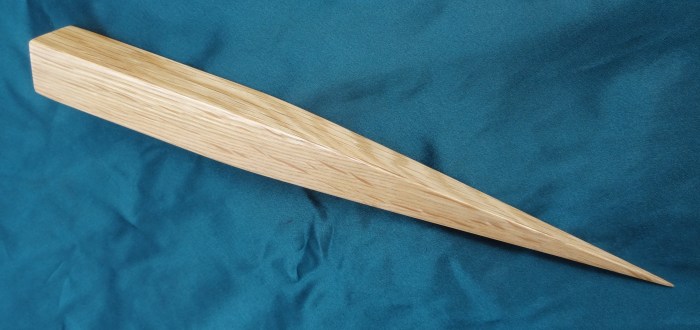
- Cutting and Preparing Stakes: Measure the stakes to the appropriate height for your tomato plants. Cut them to the correct length and ensure the wood is smooth to prevent damage to the plant’s stem when tied. If using wooden stakes, consider treating them with a wood preservative to extend their lifespan. This will prevent rot and pests from damaging the stake.
- Securing the Stakes: Once the stakes are in place, use twine, wire, or other appropriate material to secure the tomato plants to the stakes. Ensure the ties are not too tight, as this can damage the stems. Check the ties regularly to ensure they remain secure as the plant grows.
- Positioning the Stakes: Space the stakes appropriately to support the growth of the plants. Ensure the plants are adequately spaced apart to allow for proper airflow and sunlight. The positioning will vary depending on the variety and your chosen staking method.
Choosing the Right Stakes and Supports: How To Stake Tomatoes
Selecting the right stakes and supports is crucial for your tomatoes’ success. Proper support systems prevent sprawling growth, ensuring healthy fruit production and minimizing disease risk. The type of support you choose will depend on your tomato variety and your personal preference. Let’s delve into the specifics of choosing the best supports for your tomato plants.Tomato varieties vary significantly in their growth habit.
Staking tomatoes is crucial for strong, healthy plants. Tie the stems to sturdy stakes, ensuring good air circulation. To keep your laminate floors sparkling clean, choosing the right mop is key. For optimal results, consider checking out best mops for laminate floors to find the perfect one for your needs. This will prevent water damage and ensure your tomatoes continue to thrive.
Using the right tools is half the battle, after all!
Determinate tomatoes, which reach a set height and stop growing, may only need simple stakes. Indeterminate varieties, on the other hand, will continue to grow and need more substantial support structures to prevent them from collapsing under their own weight and fruit load.
Selecting Stakes Based on Tomato Variety
Different tomato varieties require different support systems. A small, determinate tomato may be perfectly happy with a simple stake, while a large, indeterminate variety might need a cage or a trellis to keep it upright. Consider the mature size of the plant when making your selection. For example, a cherry tomato plant might only need a 3-foot stake, whereas a beefsteak variety will need something taller, possibly a 6-foot stake.
Ideal Spacing Between Stakes
Proper spacing is key to healthy plant growth and airflow. The space between stakes should be enough to allow the plants to grow without crowding. Overcrowding can lead to increased disease susceptibility and reduced fruit production. A general guideline is to space stakes approximately 2-3 feet apart, depending on the size of the plant and the support structure.
This allows for adequate air circulation and sunlight to reach all the leaves and developing fruits. Consider the mature width of the plant when calculating spacing; some varieties spread more than others.
Different Support Systems
Various support systems are available, each with its own advantages and disadvantages. Understanding these options will help you choose the best fit for your garden and your specific tomato varieties.
- Stakes: Simple, inexpensive, and suitable for smaller tomato varieties. They are ideal for determinate tomatoes and smaller indeterminate types. Choose stakes that are strong enough to withstand the weight of the plant and fruit. Wood, metal, or even sturdy bamboo can be used. If using wood, ensure it is treated to prevent rot.
- Cages: Cages provide a strong and supportive structure that is ideal for indeterminate varieties. They offer a secure enclosure that keeps the plant contained and upright. Cages come in various sizes, so choose one that matches the anticipated size of your tomato plant. Ensure the cage is sturdy enough to support the plant’s weight and fruit.
- Trellises: Trellises are excellent for guiding the plant’s growth along a support structure. They are a good choice for both determinate and indeterminate tomatoes, especially if you have limited space or want to maximize the use of vertical space. Different types of trellises exist, from simple wooden frames to more elaborate structures made of metal. Choose a trellis that complements the overall design of your garden.
- Other Structures: Consider using tomato-specific structures, such as tomato cages or tomato stakes, for an easy and supportive setup. These are readily available at garden centers and nurseries, providing an efficient and effective way to grow your tomatoes.
Installing Support Systems
Proper installation is essential for the effectiveness of your support system. Following these steps will ensure that your plants are well-supported and can thrive.
- Stake Placement: Place stakes at the base of the tomato plant when it is still young, before the plant becomes too large. Drive the stakes firmly into the ground.
- Cages: Place the cage around the base of the tomato plant. Ensure the cage is securely anchored to the ground. You can often stake the cage to the ground as well to prevent tipping.
- Trellises: Attach the trellis to the ground, ensuring it is secure. Tie the tomato plant’s stems to the trellis as the plant grows. This helps direct the plant’s growth along the trellis.
Staking Procedures
Proper staking is crucial for healthy tomato plants, ensuring they receive adequate support to bear heavy fruit and preventing them from collapsing under their weight. A well-supported tomato plant will not only produce a larger harvest but also maintain its structure, minimizing stress and maximizing its potential. Strong, upright plants are more resistant to disease and pests, and staking is a vital step in achieving that.
Inserting Stakes into the Ground
To successfully stake your tomato plants, proper insertion of the stakes is essential. First, carefully assess the soil conditions. If the soil is particularly dense or compacted, use a post hole digger or shovel to create a slightly wider hole than the stake’s diameter. This allows for better penetration and stability. For looser soils, simply create a hole slightly deeper than the stake’s length.
Drive the stake into the ground firmly, ensuring it is completely straight and upright. Avoid bending or twisting the stake during insertion, as this can compromise its structural integrity. Consider using a mallet or a heavy object to drive the stake straight and deep if needed. A well-driven stake is the foundation for a robust staking system.
Tying the Tomato Plant to Stakes
Once the stakes are securely in place, gently guide the tomato plant’s stem around the stake. Different tying methods can be used, each with its own advantages. One simple method involves using soft twine or plant ties to wrap the stem around the stake. Ensure the twine or tie is not too tight, as this can damage the stem.
A second approach involves using a small loop of twine or plant ties around the stake and the stem, allowing for adjustments as the plant grows. Use soft materials that will not harm the plant. A third method is to use plant clips or hooks, which are specifically designed to secure the stem without damaging it. Choose the method that best suits your needs and the size of your tomato plant.
Regular Plant Monitoring and Adjustments
Regular monitoring of the staked tomato plant is essential throughout the growing season. As the plant grows taller, you may need to adjust the stakes or add additional support to prevent the plant from bending or breaking. Inspect the plant for signs of stress or damage, such as bending or leaning. Monitor the growth pattern and adjust the ties or stakes accordingly.
Early intervention with adjustments is key to maintaining plant health and maximizing yield. The plant’s growth pattern is unique, and understanding it is crucial to making necessary adjustments.
Summary of Staking Methods
| Method | Advantages | Disadvantages |
|---|---|---|
| Simple Stake | Ease of use, affordability, readily available | May not provide sufficient support for large plants, less protection from pests |
| Cage System | Provides more support, protects from pests, more visually appealing | More expensive, requires extra materials, can be more complex to install |
Maintaining Staked Tomatoes
Keeping your staked tomato plants healthy and productive requires ongoing care. This involves a proactive approach to watering, fertilization, pest and disease control, and pruning. Consistent attention to these details will reward you with a bountiful harvest of delicious tomatoes.Proper maintenance is crucial for the overall success of your staked tomato plants. Neglecting these aspects can lead to reduced yields, susceptibility to diseases, and diminished plant vigor.
By understanding and implementing the right techniques, you can ensure your staked tomatoes thrive and produce a healthy crop.
Regular Watering and Fertilizing
Consistent moisture is essential for staked tomatoes to thrive. Water deeply and regularly, ensuring the soil is consistently moist but not waterlogged. The frequency of watering will depend on factors such as the type of soil, weather conditions, and the size of the plants. Water deeply at the base of the plants to avoid wetting the leaves, which can lead to fungal diseases.
A general guideline is to water when the top inch of soil feels dry. Regular fertilization is also vital for sustained growth and fruit production. Use a balanced tomato fertilizer formulated for fruiting vegetables, following the manufacturer’s instructions carefully. Apply fertilizer according to the recommended dosage, avoiding over-fertilizing, which can harm the plants. A slow-release fertilizer can provide a consistent supply of nutrients throughout the growing season.
Consider supplementing with organic matter, such as compost, to enrich the soil and improve its water retention capabilities.
Pest and Disease Control
Monitoring for pests and diseases is crucial for maintaining healthy staked tomato plants. Regular inspections are essential to catch problems early. Look for signs of pests like aphids, tomato hornworms, or spider mites. If infestations occur, use organic pest control methods, such as insecticidal soap or neem oil, whenever possible. For larger infestations, consult with your local agricultural extension office for specific recommendations.Diseases like blight or early blight can quickly devastate a staked tomato plant.
Prompt identification and treatment are vital. Remove any infected leaves or stems promptly and dispose of them properly. Consider using fungicides, following the instructions carefully, for preventive or curative measures. Proper spacing between plants and good air circulation can also help prevent the spread of diseases.
Pruning Techniques
Pruning is a key aspect of maintaining staked tomatoes. Proper pruning encourages healthy growth and increased fruit production. Regularly remove suckers, which are the shoots that grow from the main stem below the leaves. Removing suckers prevents the plant from expending energy on vegetative growth instead of fruit production. Focus on pruning to maintain a balanced structure, ensuring good air circulation.
Remove any lower leaves that touch the ground to prevent moisture buildup and potential diseases. Remove any diseased or damaged foliage immediately.
Maintaining Plant Health: Step-by-Step Guide
- Regular Inspection: Check your staked tomato plants daily for any signs of pests, diseases, or stress. Look for yellowing leaves, wilting, or unusual growth patterns. Early detection is crucial.
- Watering: Water deeply at the base of the plants, ensuring the soil is consistently moist but not waterlogged. Adjust the watering frequency based on weather conditions and soil type.
- Fertilizing: Apply a balanced tomato fertilizer according to the manufacturer’s instructions. A slow-release fertilizer is a good option to maintain a consistent supply of nutrients.
- Pest Control: Implement preventative measures and promptly address any pest infestations using organic methods whenever possible. If needed, consult with local experts for appropriate treatment.
- Disease Control: Regularly inspect plants for disease symptoms. Remove infected parts and use appropriate fungicides as needed. Maintain proper spacing and air circulation to prevent the spread of diseases.
- Pruning: Remove suckers to encourage fruit production. Prune out lower leaves to improve air circulation and prevent disease. Keep the plant structure balanced.
Troubleshooting Common Problems
Staking tomatoes is a great way to improve yield and fruit quality, but unexpected issues can arise. Understanding potential problems and how to address them is key to a successful harvest. This section will delve into common problems, their causes, and solutions, enabling you to maintain healthy and productive staked tomato plants.Knowing how to troubleshoot problems promptly can prevent further damage and ensure your tomatoes reach their full potential.
By identifying the root cause of a problem, you can implement targeted solutions to mitigate the issue and prevent its recurrence.
Plant Damage During Staking
Proper staking techniques are crucial to avoid harming the plant. Improper handling or using overly forceful methods can lead to stem breakage, leaf damage, or root disturbance. Carefully securing the plant to the stakes, ensuring the stakes are sturdy enough to support the weight of the plant, is important.
- Re-staking: If a plant is damaged, carefully remove the damaged section and re-stake the plant in a suitable location. Ensure the support system is strong and the plant is positioned for optimal growth. Using a gentle approach when re-staking is vital to prevent further harm to the delicate stems.
- Adjusting Supports: If the existing support is not adequate, consider adjusting or replacing the stakes. Using heavier stakes or adding additional supports can address the issue. Ensure the stakes are anchored firmly into the ground to prevent tipping over.
Inadequate Support Leading to Plant Stress
Insufficient support can cause plants to lean excessively, leading to a compromised structure. This can result in poor fruit development and reduced yield. Using weak or insufficient stakes, or insufficient anchoring, can lead to plant damage.
- Reinforcements: Adding extra support, such as tying the plant to stronger stakes or using additional stakes, can help stabilize the plant and prevent further stress. Regular checks for support stability are essential.
- Proper Stake Placement: Ensure the stakes are positioned correctly, taking into account the size and weight of the plant. Staking at the appropriate height can significantly impact support strength. This is crucial for tomatoes, which tend to become heavy as they mature.
Uneven Growth and Fruit Drop in Staked Plants
Uneven growth and fruit drop in staked tomato plants can stem from various factors. Lack of adequate sunlight, improper watering, or nutrient deficiencies can all contribute to these problems. These issues can impact the yield and quality of your harvest.
- Addressing Nutrient Deficiencies: A soil test can reveal potential nutrient deficiencies. Applying a balanced fertilizer can help promote healthy growth and fruit development. Follow the instructions on the fertilizer packaging carefully.
- Ensuring Adequate Sunlight and Water: Ensure the staked plants receive sufficient sunlight and water. Regular watering, especially during dry spells, is crucial for tomato health. Observe your plant’s needs and adjust watering accordingly. Monitoring sunlight exposure and adjusting the plant’s position for optimal sun exposure is important.
- Addressing Environmental Stress: Extreme temperatures, strong winds, or pest infestations can all impact fruit production and growth. Protect plants from harsh weather conditions as needed. Early detection and intervention are vital for preventing major problems.
Harvesting Staked Tomatoes

Harvesting your staked tomatoes is the culmination of your efforts, rewarding you with fresh, homegrown produce. Knowing when and how to harvest them ensures the best flavor and quality. Proper technique not only maximizes your yield but also minimizes damage to the plants, allowing them to continue producing for longer.
Optimal Harvest Timing
The ideal time to harvest tomatoes depends heavily on their ripeness stage. Rushing the harvest will result in less flavorful tomatoes, while waiting too long can lead to overripe or even rotting fruits. It’s crucial to identify the specific stage of ripeness before picking.
Stages of Tomato Ripeness and Harvest Timing
Tomatoes progress through several stages of ripeness, each with its own characteristics and ideal harvest time. Understanding these stages helps you select the perfect tomatoes for your needs.
- Green: These tomatoes are unripe and lack flavor. Picking them at this stage will result in a bland, unappetizing tomato. Leave them on the vine to ripen.
- Pink/Red (Early Stages): As the tomato develops color, it also develops flavor. At this point, they are firm and a good choice for salads or sauces. Picking at this stage ensures a balanced taste and texture.
- Red/Orange (Fully Ripe): This is the desired stage for most culinary uses. The tomatoes will be plump, firm, and intensely flavored. Fully ripe tomatoes are great for eating fresh, adding to sandwiches, or blending into sauces.
- Overripe: Overripe tomatoes are soft, mushy, and often have a slightly fermented taste. These tomatoes can be used for making sauces, but they won’t be ideal for fresh consumption. Pick them if you intend to make a sauce or preserve them.
Proper Harvesting Technique
Harvesting staked tomatoes requires gentle handling to avoid bruising. Bruised tomatoes are more susceptible to decay and won’t have the same quality as undamaged ones.
- Using the Right Tools: Use a sharp knife or pruning shears to cut the tomato from the vine, leaving a small portion of the stem attached. This prevents damage to the plant.
- Gentle Removal: Gently twist the tomato, avoiding pulling or jerking motions that could damage the fruit or the stem. Avoid squeezing or pressing the tomato. Carefully lift the tomato from the vine.
- Handling with Care: Handle the tomatoes carefully to prevent bruising during transport. Place them in a basket or container that allows for good air circulation.
Care after Harvesting
Proper handling after harvesting is just as important as during. Keeping them at the right temperature and avoiding direct sunlight will extend their freshness and flavor.
- Storage: Store harvested tomatoes in a cool, dry place away from direct sunlight. Avoid placing them in the refrigerator unless they are already soft or overripe. Refrigeration can lead to a loss of flavor and texture for firm, ripe tomatoes.
- Inspection: Check harvested tomatoes regularly for any signs of decay or damage. Discard any tomatoes that show signs of bruising or spoilage.
Conclusive Thoughts
So, there you have it – a complete guide on how to stake tomatoes. From selecting the right supports to maintaining healthy plants, this process ensures a better harvest and a rewarding gardening experience. Armed with this knowledge, you’ll be well-equipped to grow beautiful and delicious tomatoes. Happy gardening!