

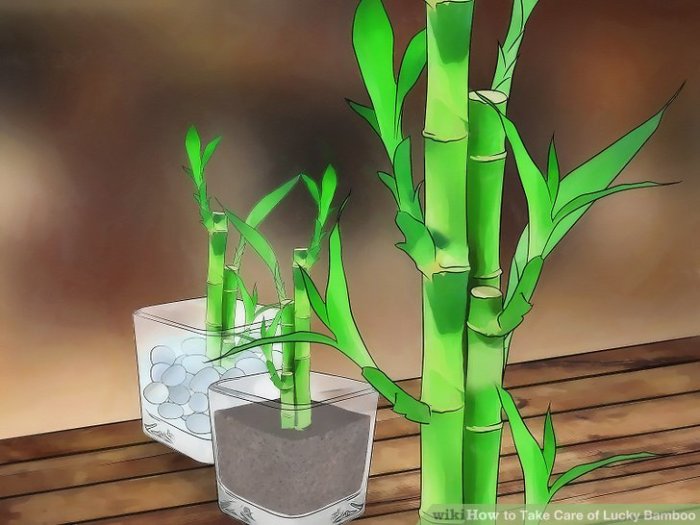
How to revive lucky bamboo is a common question for plant enthusiasts. This guide delves into the reasons why your lucky bamboo might be struggling, providing a comprehensive approach to diagnosing and revitalizing your plant. From identifying the problem to maintaining healthy growth, we’ll cover everything you need to know to bring your lucky bamboo back to its vibrant best.
Understanding the specific needs of your lucky bamboo is key. Different varieties may have slightly different requirements, and the water quality, light exposure, and even the presence of pests can all play a role in its health. This guide provides a detailed checklist to assess the plant’s current state and a step-by-step approach to reviving it, including repotting, trimming, and optimizing water conditions.
Identifying the Problem

Lucky bamboo, a popular decorative plant, can sometimes appear unhealthy, often due to environmental factors or mistakes in care. Understanding the common reasons behind these issues is crucial for successful revival. Proper identification of the problem is the first step in effective treatment.Identifying the specific cause of your lucky bamboo’s decline allows you to target the appropriate solution, leading to a healthier, more vibrant plant.
This involves recognizing the subtle signs of distress, from yellowing leaves to drooping stems, and understanding how these symptoms relate to the plant’s needs.
Common Reasons for Unhealthy Lucky Bamboo
Lucky bamboo’s health is greatly influenced by its environment. Factors like water quality, light exposure, and even the type of bamboo itself can impact its appearance and overall well-being. Knowing the potential causes helps pinpoint the problem and facilitate revival.
- Incorrect Water Quality: Hard water, containing high mineral content, can accumulate in the water reservoir, potentially affecting the plant’s ability to absorb nutrients. Chlorine, a common disinfectant, can also harm lucky bamboo if not properly removed. Similarly, excessively soft water, lacking essential minerals, can also create issues.
- Light Exposure Levels: Lucky bamboo prefers indirect light. Overexposure to direct sunlight can lead to leaf scorching and discoloration. Insufficient light, on the other hand, can result in weak growth and pale leaves. The intensity and duration of light exposure significantly impact the plant’s vitality.
- Type of Lucky Bamboo: Different types of lucky bamboo have varying needs. Some varieties may be more tolerant of specific conditions than others. For example, some types might thrive in slightly more acidic or alkaline water than others. Understanding the specific variety you own is essential for effective care.
- Signs of Distress: Yellowing leaves, brown tips, and drooping stems are common indicators of a plant needing attention. Yellowing indicates potential nutrient deficiencies or issues with water quality. Brown tips often point to water quality issues or overexposure to harsh elements like chlorine or direct sunlight. Drooping stems can be a sign of dehydration or an imbalance in the environment.
Water Conditions and Their Effects
Water quality plays a critical role in lucky bamboo health. The mineral content and the presence of chlorine in the water can significantly impact the plant’s well-being.
| Water Condition | Potential Effects on Lucky Bamboo |
|---|---|
| Hard Water | Accumulation of minerals can hinder nutrient absorption and potentially clog the water reservoir. |
| Soft Water | Lack of essential minerals may lead to nutrient deficiencies and weakened growth. |
| Water with Chlorine | Chlorine can damage the leaves, leading to browning and discoloration. Regular water changes are crucial. |
Light Requirements
Lucky bamboo thrives in indirect light. Direct sunlight can cause leaf burn, leading to discoloration and potentially killing the plant. Conversely, insufficient light can result in slow growth and pale leaves.
Identifying the Cause of Yellowing, Browning, or Drooping
Various factors can contribute to yellowing leaves, brown tips, or drooping stems in lucky bamboo. Pinpointing the cause is key to effective revival.
- Yellowing Leaves: Possible causes include nutrient deficiencies, improper water quality (including chlorine), or insufficient light. Checking the water quality and adjusting light exposure can often resolve this issue.
- Brown Tips: This is often linked to water quality issues, particularly the presence of chlorine or hard water. Overwatering or underwatering can also contribute to brown tips.
- Drooping Stems: Dehydration is a common cause of drooping stems. Issues with water quality or overexposure to light can also contribute to this problem.
Assessing the Current State

Taking the time to thoroughly assess your lucky bamboo’s condition is crucial for effective revival. A comprehensive evaluation will pinpoint the specific issues and allow you to tailor your revitalization strategy accordingly. A clear understanding of the plant’s current health enables informed decisions, maximizing the chances of successful recovery.A detailed assessment of the lucky bamboo plant goes beyond a superficial glance.
It involves a systematic examination of various factors, including the plant’s physical characteristics, environmental conditions, and potential signs of stress or disease. This meticulous process will reveal the precise nature of the problem, leading to a targeted and effective solution.
Visual Inspection of the Plant
A thorough visual inspection is the first step in assessing the overall health of your lucky bamboo. This involves carefully examining the plant’s roots, stems, and leaves for any signs of distress.
- Inspecting the Roots: Carefully remove the lucky bamboo from its container. Observe the roots for any signs of rot, discoloration (brown or black), or unusual textures. Healthy roots should be firm, white, and have a vibrant, almost fleshy appearance. Look for any visible fungal growth or slimy patches. Excessive browning or mushy roots indicate a severe problem, often related to overwatering or poor drainage.
- Evaluating the Stems: Inspect the stems for any signs of discoloration, such as browning, yellowing, or mushiness. Observe for any soft spots, cracks, or unusual growths. Healthy stems should be firm and have a vibrant green hue. Any significant changes in color or texture might signal issues with pests, diseases, or inadequate environmental conditions.
- Examining the Leaves: Examine the leaves for signs of discoloration (yellowing, browning, or wilting), unusual spots, or any damage from pests or diseases. Healthy leaves should be a vibrant green and have a firm texture. Yellowing leaves at the base of the plant could indicate overwatering, while browning at the tips may suggest underwatering. Inspect closely for signs of insect infestations, like tiny holes or webbing.
Assessing Moisture Level
The moisture content of the potting mix plays a significant role in the health of the lucky bamboo. Determining the appropriate moisture level is crucial for preventing root rot and ensuring proper hydration.
- Touch Test: Gently feel the potting mix. If it’s excessively dry, it may require watering. If it feels soggy or waterlogged, drainage issues might be a concern. A well-maintained potting mix should feel consistently moist but not overly saturated. A finger test, where you insert a finger into the soil a few inches deep, is a useful guide.
The soil should feel damp but not dripping wet.
- Visual Check: Observe the overall appearance of the potting mix. A consistently wet mix can be a sign of inadequate drainage, while a constantly dry mix suggests insufficient watering. A healthy potting mix will be uniformly moist, without any areas that are excessively wet or dry.
Identifying Pests and Diseases
Inspecting for pests and diseases is vital for accurate diagnosis and effective treatment. Early detection can often prevent widespread issues and ensure a successful recovery.
Giving your lucky bamboo a little TLC can often be as simple as a fresh pot and some water changes. But sometimes, even that isn’t enough. To ensure your bamboo stays vibrant, consider the cleaning method for bird feeders, like how to clean a bird feeder with vinegar. This can be a great way to remove lingering contaminants from the water and prevent issues.
Ultimately, a little preventative care goes a long way in keeping your lucky bamboo healthy and happy.
- Visual Inspection: Look closely for any visible pests, such as aphids, mealybugs, or mites. Pay attention to the presence of webbing, sticky residue, or unusual growths on the plant’s stems and leaves. Also, examine the soil for signs of fungal growth or unusual odors.
- Identifying Disease Symptoms: Note any patterns or specific symptoms, such as wilting, discoloration, or unusual spots on the leaves. Different diseases exhibit distinct visual cues. Researching common lucky bamboo diseases can help you identify specific problems and tailor treatment accordingly.
Reviving Techniques: How To Revive Lucky Bamboo
Bringing back a struggling lucky bamboo plant requires a multifaceted approach. Ignoring the underlying issues can lead to further decline, potentially resulting in the plant’s demise. Effective revival involves addressing the root causes, improving water quality, and adjusting care practices. This section will delve into various methods for reviving your lucky bamboo, emphasizing practical techniques and their potential benefits.
Water Quality Improvement
Maintaining optimal water quality is crucial for healthy lucky bamboo. Stagnant water can quickly become a breeding ground for harmful bacteria and algae, leading to issues like discoloration, root rot, and ultimately, plant death. Regular water changes, along with the addition of appropriate additives, are vital steps in this process. Using distilled or filtered water helps eliminate impurities and prevents the buildup of minerals that can harm the plant.
Adding a small amount of hydrogen peroxide to the water can help keep it fresh and inhibit bacterial growth.
Repotting Techniques
Repotting a lucky bamboo plant can revitalize its health. An overcrowded or damaged pot can restrict root growth and hinder nutrient absorption. Selecting the right pot and soil is essential for successful repotting. The new pot should be slightly larger than the previous one, allowing for root expansion. Using a well-draining potting mix that retains some moisture is ideal.
The new soil should not contain any contaminants that could harm the plant. Avoid overwatering after repotting, as this can lead to root rot.
Trimming and Pruning
Trimming and pruning lucky bamboo plants is a vital maintenance practice that encourages healthy growth and a desirable aesthetic. Dead, damaged, or overgrown stems can be trimmed to maintain a balanced and attractive plant shape. Using sharp, clean pruning shears is important to prevent disease transmission. The cut should be made just above a node, a point where new growth originates.
Regular trimming can also help prevent the plant from becoming overly dense. This process encourages healthy new growth and helps maintain a balanced aesthetic.
So, your lucky bamboo’s looking a little droopy? No worries! A few simple steps can often bring it back to life. Plus, if you’re looking for ways to organize your linen closet, you might find some inspiration in linen closet organization ideas. Think about how those clever folding and stacking techniques could be applied to keep your bamboo thriving, maybe using a decorative pot to keep it looking its best.
Just a little TLC, and your lucky bamboo will be back to its vibrant best!
Soil Selection
The type of soil used significantly affects the plant’s health. A well-draining soil mix is essential for lucky bamboo, preventing waterlogging that can lead to root rot. A mix of potting soil, perlite, and vermiculite is often recommended. Perlite and vermiculite improve drainage and aeration, while potting soil provides essential nutrients. Using a soil mix specifically formulated for orchids or bromeliads can also be suitable.
Fertilizer Application
Fertilizers provide essential nutrients for plant growth. Using a balanced liquid fertilizer diluted to half strength can provide the necessary nutrients without harming the plant. Applying fertilizer every few weeks during the growing season can promote healthy growth. Avoid over-fertilizing, as this can lead to nutrient burn and damage the plant.
Revival Techniques Comparison
| Revival Technique | Effectiveness | Potential Drawbacks |
|---|---|---|
| Improved Water Quality | High. Fresh water inhibits bacterial growth, reducing the risk of diseases. | Requires regular water changes and monitoring. |
| Repotting | Moderate to High. Provides space for root growth and fresh soil. | Can be stressful for the plant if not done carefully. |
| Trimming and Pruning | High. Encourages new growth and a balanced shape. | Requires sharp tools and careful execution. |
| Soil Selection | High. Proper drainage prevents root rot. | May require mixing different soil types to achieve the right consistency. |
| Fertilizer Application | Moderate. Provides nutrients but needs careful monitoring. | Over-fertilizing can damage the plant. |
Maintaining Healthy Growth
Lucky bamboo, with its elegant stems and vibrant green hues, can bring a touch of tranquility to any home. However, maintaining its health and vibrant appearance requires consistent care. This section will guide you through the optimal conditions for nurturing your lucky bamboo, ensuring it thrives for years to come.
Optimal Environmental Conditions
Lucky bamboo, though adaptable, thrives in specific environmental conditions. Understanding these factors is crucial for successful cultivation. A stable environment minimizes stress and encourages healthy growth. Providing a consistent environment will significantly contribute to the plant’s longevity.
Temperature
Maintaining a consistent temperature range is essential for lucky bamboo’s well-being. The ideal temperature range for most varieties is between 65°F and 85°F (18°C and 29°C). Fluctuations outside this range can negatively impact growth and lead to stress. For example, exposing the plant to freezing temperatures will likely result in damage or death.
Humidity
Lucky bamboo generally tolerates moderate humidity levels. However, a slightly elevated humidity level, in the range of 50-70%, can be beneficial. This can be achieved by placing the plant near a humidifier or grouping it with other plants. If the air is very dry, consider placing the pot on a tray filled with pebbles and water to increase the humidity around the plant.
Watering
Consistent watering is paramount to maintaining healthy lucky bamboo. The frequency of watering will depend on factors such as the size of the container, the temperature of the environment, and the rate of evaporation. Regularly check the water level in the container and replenish as needed. Water thoroughly, ensuring the water completely saturates the soil.
Lighting
Lucky bamboo, being an aquatic plant, does not require direct sunlight. Indirect, bright light is ideal. Avoid placing the plant in direct sunlight, as this can lead to scorching of the leaves. A location near a window that receives filtered light is a suitable choice. Too little light can result in slow growth and a pale color, while too much light can cause the leaves to yellow and become brittle.
Preventive Measures
Implementing preventative measures can minimize the risk of future problems and ensure your lucky bamboo thrives. Proactive measures are key to maintaining long-term health.
- Regularly inspect the plant for signs of pests or diseases. Early detection allows for prompt action to prevent further damage.
- Avoid over-fertilizing, as this can lead to nutrient burn and negatively affect the plant’s health.
- Do not allow the water in the container to become stagnant. Change the water regularly to maintain cleanliness and prevent the growth of algae.
- Avoid using tap water directly, as the minerals in tap water can accumulate and potentially harm the plant. Use distilled or filtered water.
- Handle the plant with care to prevent breakage or damage to the stems.
Cleaning the Container
Regular cleaning of the lucky bamboo container is essential for maintaining optimal conditions. This process promotes hygiene and prevents the growth of harmful organisms.
- Remove the lucky bamboo from the container.
- Thoroughly clean the container with a mild soap solution and water. Ensure the container is completely clean and free of any residue.
- Rinse the container thoroughly with clean water.
- Inspect the container for any cracks or damage. Repair or replace as necessary.
- Replace the clean water in the container, and replant the lucky bamboo.
Troubleshooting Specific Issues
Bringing your lucky bamboo back to its vibrant best requires a keen eye for details. Spotting the subtle signs of distress, like yellowing leaves or sluggish growth, can be the key to successful revival. This section dives deep into diagnosing and addressing specific problems, equipping you with the tools to maintain a thriving lucky bamboo plant.Identifying the precise cause of a problem is crucial for effective treatment.
Observing the plant’s overall condition, including leaf color, growth rate, and root health, helps determine the root cause. By systematically addressing each potential issue, you can restore your lucky bamboo to its former glory.
Yellowing Leaves
Yellowing leaves often signal a problem with the plant’s environment or its nutritional needs. Ensure the water is fresh and free of chlorine or other harsh chemicals. Check the light conditions; too much or too little light can lead to discoloration. Inspect the soil for proper drainage and potential nutrient deficiencies. Consider adjusting the watering schedule and fertilizing routine to correct any imbalances.
Root Rot
Root rot, a common issue in overwatered plants, is a serious threat to the lucky bamboo’s health. Symptoms often include mushy or decaying roots, accompanied by yellowing or browning leaves. To address root rot, carefully remove the plant from its pot. Trim away any visibly affected roots, using sterilized pruning shears. Repot the plant in fresh, well-draining soil.
Reduce the frequency of watering, allowing the soil to dry out slightly between waterings. Maintaining proper drainage is key to preventing future root rot.
Figuring out how to revive your lucky bamboo can be tricky, but it’s definitely doable! Often, the same issues that cause monstera leaves turning brown, like overwatering or underwatering, can also affect your bamboo. So, remember to check the soil moisture regularly before you give your lucky bamboo a drink, and if you’re noticing some yellowing or browning, it might be time to adjust your watering schedule.
A healthy bamboo plant is a happy plant, and understanding these common issues will help you keep yours thriving. Monstera leaves turning brown can also be a sign of a similar issue. Just like with your lucky bamboo, proper care is key!
Pests, How to revive lucky bamboo
Pests like aphids, mealybugs, or spider mites can infest lucky bamboo. Identifying these pests early is crucial. Look for tiny insects on the leaves or stems, or tell-tale signs like sticky residue or webbing. Mild infestations can often be treated with insecticidal soap or neem oil, applied according to the product instructions. For severe infestations, a systemic insecticide might be necessary.
Always follow the instructions on the chosen pest control product and take necessary precautions. Consider the impact of your chosen method on the plant and its surrounding environment.
Pest Control Methods Comparison
Various pest control methods are available, each with its own advantages and disadvantages. Insecticidal soap is a relatively gentle option, but may not be effective against all types of pests. Neem oil is a natural alternative, with a broad spectrum of pest control. Systemic insecticides, while effective, can harm beneficial insects and pollinators if not used carefully.
Consider the severity of the infestation and the potential environmental impact when choosing a pest control method.
Importance of Isolating Infected Plants
Isolating infected plants prevents the spread of pests or diseases to other healthy plants. Quarantine the affected plant to prevent the spread of potential infestations. Isolate it from other plants in your collection. This minimizes the risk of spreading the problem to other plants.
Disinfecting Tools and Equipment
Regularly disinfecting tools and equipment prevents the spread of diseases between plants. Use a solution of diluted bleach (1 part bleach to 9 parts water) to sanitize pruning shears, pots, and other equipment. Allow the tools to air dry completely before use on healthy plants. Maintaining a hygienic environment is critical for the long-term health of your plants.
Common Problems, Causes, and Solutions
| Problem | Cause | Solution |
|---|---|---|
| Yellowing Leaves | Overwatering, underwatering, nutrient deficiency, improper light | Adjust watering schedule, ensure proper drainage, fertilize as needed, adjust light exposure |
| Root Rot | Overwatering, poor drainage | Trim affected roots, repot in fresh, well-draining soil, reduce watering frequency |
| Pest Infestation | Presence of pests (aphids, mealybugs, spider mites) | Identify the pest, use appropriate pest control method (insecticidal soap, neem oil, systemic insecticide), isolate infected plants |
Visual Aids
Lucky bamboo, a popular houseplant, thrives on visual cues. Understanding healthy growth patterns and recognizing signs of distress is crucial for successful care. Visual aids can help you identify problems and guide your revival efforts.
Healthy Lucky Bamboo
A healthy lucky bamboo plant showcases vibrant green stems, with a uniform color throughout. The leaves should be a deep, rich green, free of any yellowing or browning. The plant should appear full and lush, with a healthy density of stems. The overall appearance suggests the plant is receiving appropriate care and is actively growing. Imagine a vibrant emerald green jungle of stems reaching upwards, suggesting vigor and health.
Yellowing Leaves
Yellowing leaves on a lucky bamboo plant indicate a problem. The yellowing can appear in various stages, starting with the tips of the leaves and progressively affecting the entire leaf. This issue often signals problems with the water quality, overwatering, or under-watering, or even nutrient deficiencies. The yellowing might be accompanied by drooping or brittle stems. In the image, you’d see a lucky bamboo plant where some or many of the leaves have turned yellow, ranging from light yellow to a more intense, dull yellow.
The affected leaves may also be crisped or curled.
Root Rot
Root rot is a serious issue in lucky bamboo. It results from excessive moisture, leading to the decay of the roots. A lucky bamboo plant with root rot will display a multitude of symptoms, primarily affecting the roots and stems. The stems may appear mushy or soft, and the roots will show signs of decay, possibly with a dark or brownish discoloration.
The leaves might be drooping or turning yellow or brown. The image would show a plant with a significant portion of the roots exhibiting a dark, mushy texture. The stems may appear soft and have a slimy or decaying appearance. This decay can be indicative of the spread of root rot.
Pests, How to revive lucky bamboo
Lucky bamboo, like other plants, can be susceptible to pests. Small insects, such as aphids or mealybugs, may infest the plant, causing damage to the leaves and stems. Visible signs include small insects crawling on the leaves or stems, or a sticky residue on the plant. A plant with pests will have tiny insects on the leaves and stems, possibly clusters of insects.
The stems might show signs of damage from the pests, such as small holes or discoloration. You may also see a sticky substance on the leaves, indicative of pest activity.
Lighting Requirements
Proper lighting is vital for a thriving lucky bamboo plant. Lucky bamboo prefers indirect light. Direct sunlight can scorch the leaves, leading to browning or yellowing. Avoid placing the plant in direct sunlight. An ideal location would be near a window that receives filtered light.
A south-facing window, for example, might be too strong for lucky bamboo if the light isn’t diffused.
Repotting a Lucky Bamboo
Repotting a lucky bamboo plant is a good way to refresh its environment. Here’s a step-by-step process:
- Carefully remove the lucky bamboo from its existing pot. Gently loosen the soil around the roots.
- Inspect the roots. Remove any dead or decaying roots. Healthy roots should be a light tan or white color.
- Prepare a new pot with fresh potting mix that is well-draining. Choose a pot slightly larger than the previous one.
- Place a layer of fresh potting mix at the bottom of the new pot. Carefully place the lucky bamboo plant in the center.
- Fill the pot with fresh potting mix, ensuring the plant is at the appropriate depth. Gently press down the soil to secure the plant.
- Water the plant thoroughly to settle the soil and help the plant adjust.
Lucky Bamboo Types and Care
Different varieties of lucky bamboo have distinct characteristics and care needs.
| Type | Characteristics | Care Requirements |
|---|---|---|
| Variegated Lucky Bamboo | Strikingly beautiful with white or yellow stripes on the stems. | Requires bright, indirect light and consistently moist soil. |
| Curly Lucky Bamboo | Characterized by its naturally curved stems. | Needs well-draining soil and moderate watering, avoiding overwatering. |
| Straight Lucky Bamboo | Straight and uniform stems. | Similar care to other types, but requires good air circulation. |
Final Review
In conclusion, reviving your lucky bamboo involves a careful diagnosis, proactive steps, and consistent maintenance. By following the techniques Artikeld in this guide, you can effectively address the underlying issues affecting your plant’s health and ensure its continued vibrancy. Remember, consistent care and attention are crucial for long-term success. Happy plant parenting!