


How to remove urine stains effectively is a crucial skill for anyone who wants to keep their home, clothing, and belongings clean and odor-free. Fresh stains are much easier to tackle than old ones, so swift action is key. This guide covers everything from identifying the different types of stains, to gathering the right supplies, and implementing the most effective cleaning procedures.
Whether it’s a carpet, upholstery, or clothing item, we’ll provide specific solutions for each surface, along with troubleshooting tips to address any issues that might arise.
This detailed guide delves into the various stages of stain removal, from initial identification and pre-treatment to thorough cleaning and odor neutralization. We’ll explore different cleaning agents, like enzymatic cleaners, hydrogen peroxide, and baking soda, and provide step-by-step instructions tailored to different fabric types. We also emphasize the importance of proper post-cleaning care, from drying to preventing future accidents, to ensure long-lasting results.
Identifying Urine Stains
Urine stains, a common household problem, can range from fresh accidents to stubborn, aged marks. Understanding the characteristics of these stains is crucial for effective removal. Early intervention with fresh stains dramatically increases the chances of a successful outcome, whereas older stains often require more intensive methods.Fresh urine stains, especially on delicate fabrics, present a unique challenge. Prompt action minimizes the stain’s penetration and subsequent damage to the fibers.
Conversely, older stains have had more time to seep into the fabric, potentially causing discoloration and making removal more difficult. Understanding the differences between fresh and aged stains, and the various fabric types involved, is key to effective stain removal.
Types of Urine Stains
Urine stains manifest differently depending on factors like the fabric type and the time elapsed since the accident. Fresh stains often appear as a light yellow or clear liquid, while aged stains can develop a more pronounced yellow or brown hue. The intensity of the color depends on the fabric’s absorbency and the amount of urine.
Fresh vs. Aged Urine Stains
Quick action is paramount when dealing with fresh urine stains. The sooner the stain is addressed, the greater the chance of complete removal. Fresh stains can be tackled with a simple cleaning solution and blotting action, minimizing the risk of permanent damage to the fabric. Aged stains, however, have permeated the fibers, requiring more specialized techniques and potentially more aggressive cleaning agents.
The length of time the urine has been present significantly impacts the difficulty of removal.
Indicators of Urine Stains
Urine stains can be identified on various surfaces like carpets, upholstery, and clothing. A telltale sign is a damp or wet patch, which is often accompanied by a distinct ammonia odor. The discoloration varies from a pale yellow to a more noticeable brown or yellow-brown, depending on the age of the stain and the fabric’s composition.
Color Variations of Urine Stains
The color of a urine stain can vary significantly based on factors like the concentration of the urine and the surface it’s on. On light-colored fabrics, a fresh stain might appear as a clear liquid or a pale yellow, while an aged stain can take on a more noticeable yellowish-brown or brown hue. On darker fabrics, the stain may be more difficult to spot initially but will often show as a noticeable discoloration or a patch of a different shade.
Effectiveness of Stain Removal Methods
The effectiveness of different stain removal methods varies considerably depending on the fabric type and the age of the stain. The table below provides a general guideline, but it’s crucial to test any cleaning method on an inconspicuous area first to avoid further damage.
| Fabric Type | Fresh Stain | Aged Stain | Method |
|---|---|---|---|
| Cotton | Blot with clean, cold water; then use a mild detergent solution | Use a specialized enzymatic cleaner or a more concentrated detergent solution, followed by professional cleaning if needed | Gentle blotting and rinsing, avoiding harsh scrubbing |
| Wool | Blot with a clean, damp cloth; gently rinse with cool water | Consult a professional cleaner; avoid harsh scrubbing or chemicals | Delicate blotting and rinsing, avoiding harsh scrubbing or heat |
| Silk | Blot with a clean, damp cloth; gently dab with a solution of mild detergent and cool water | Consult a professional dry cleaner; avoid harsh chemicals and heat | Extremely delicate blotting and rinsing, using a very gentle detergent and cool water. |
Gathering Necessary Supplies: How To Remove Urine Stains
Arming yourself with the right tools is crucial for tackling urine stains effectively. A well-stocked cleaning arsenal ensures you have the right solution for every surface and stain, minimizing damage and maximizing results. Proper preparation minimizes the chance of further damage and helps you tackle the stain more effectively.Choosing the correct cleaning solutions is paramount. Different materials require different approaches to avoid irreversible damage.
This section details the essential supplies, their safe handling, and the importance of selecting appropriate cleaning agents for various surfaces.
Removing urine stains can be a real pain, especially if you’ve got little ones. Fortunately, there are some effective cleaning solutions. However, with thrift stores apparently on the decline, according to recent Yelp reviews ( thrift stores are out according to yelp ), you might be finding yourself needing to clean up more accidents at home. Fortunately, knowing how to tackle these stains head-on can save you a lot of hassle.
So, grab those cleaning supplies and get ready to tackle those stains!
Essential Cleaning Supplies
A comprehensive cleaning kit is essential for tackling urine stains effectively. The following supplies will equip you for various scenarios and materials.
- Cleaning Solutions: A range of cleaning solutions is crucial, as different materials respond differently to various chemicals. Mild enzymatic cleaners are often recommended for pet urine, as they break down the organic compounds. For stubborn stains, consider using a more potent cleaner, but always test on an inconspicuous area first to prevent damage.
- Cleaning Sponges/Brushes: Soft-bristled brushes or sponges are ideal for delicate surfaces. Rougher brushes or sponges are suitable for more resilient materials. The right brush or sponge ensures effective cleaning without scratching or damaging the surface.
- White Vinegar: A versatile cleaning agent, white vinegar can effectively neutralize odors and loosen stains. It’s safe for many surfaces, including wood, tile, and some fabrics.
- Baking Soda: Baking soda acts as an excellent absorbent, effectively drawing out moisture and odors from the affected area. It’s a gentle abrasive that can be used on various surfaces, but it’s essential to avoid scrubbing excessively on delicate surfaces.
- Paper Towels/Cleaning Cloths: Essential for blotting and absorbing excess moisture. Choose absorbent cloths or paper towels that won’t leave lint or fibers behind. This is critical to prevent further spreading of the stain.
- Protective Gear: Safety is paramount. Gloves protect your hands from harsh chemicals, while eye protection safeguards your eyes. Using proper protective gear prevents allergic reactions or other skin irritations, ensuring a safe cleaning process.
Safe Acquisition and Storage
Safe handling and storage of cleaning supplies are crucial for effective cleaning and preventing accidents. Always follow the manufacturer’s instructions for safe handling and storage.
- Purchase from Reputable Retailers: Ensure you purchase cleaning supplies from trusted retailers. This ensures quality and safety, reducing the risk of mishaps.
- Storage in Designated Areas: Store cleaning supplies in a cool, dry, and well-ventilated area, away from children and pets. This prevents accidental exposure and ensures long-term effectiveness of the products.
- Read Labels Carefully: Always read labels thoroughly for safety precautions, proper use, and storage instructions. Following manufacturer’s guidelines is crucial to prevent harm or unexpected reactions.
Choosing the Right Cleaning Solution
Matching the cleaning solution to the material is crucial to prevent damage and ensure effective stain removal.
- Testing on Hidden Areas: Always test cleaning solutions on an inconspicuous area of the affected material before applying it to the entire stain. This prevents potential damage or discoloration, ensuring you have a safe and effective method.
- Material Compatibility: Different materials require specific cleaning solutions. Using the wrong solution can damage fabrics, wood, or other surfaces. Understanding the material’s composition guides your selection of cleaning agents.
- Enzymatic Cleaners for Organic Stains: Enzymatic cleaners are particularly effective for organic stains like urine, as they break down the proteins causing the stains. They are safe for many surfaces and fabrics, but always test on a hidden area before applying.
Material Checklist
This checklist ensures you have all the necessary materials before starting the cleaning process.
- Cleaning solutions (e.g., enzymatic cleaner, vinegar, baking soda)
- Cleaning sponges/brushes (various types for different surfaces)
- Paper towels/cleaning cloths
- Protective gear (gloves, eye protection)
- Bucket/container for mixing solutions
- Old towels/cloths for cleanup
Importance of Multiple Solutions
Having multiple cleaning solutions allows for versatility and addresses various situations.
- Addressing Different Materials: Different materials react differently to cleaning solutions. Having a range of solutions caters to diverse surfaces, preventing damage and ensuring effective cleaning.
- Handling Stubborn Stains: Some stains require stronger solutions than others. Having multiple solutions allows you to address various stain intensities and complexities, from mild to severe.
- Versatility and Efficiency: Having a range of solutions ensures you can effectively clean a wide range of stains on diverse surfaces. This increases the likelihood of removing the stain effectively and efficiently.
Pre-Treatment Procedures
Removing urine stains effectively requires a delicate touch and careful pre-treatment steps. Ignoring these initial steps can lead to permanent staining and potentially damage the fabric or surface. Understanding the importance of pre-treatment will help you tackle these stains with confidence and prevent further complications.
Importance of Pre-treatment
Pre-treating urine stains is crucial before applying cleaning solutions. Urine is acidic and can penetrate fabrics deeply, setting the stain and odor. Pre-treatment helps to lift the stain from the fibers, making it easier to remove completely. It also neutralizes the urine’s acidic nature, preventing further damage and odor retention.
Blot or Dab, Don’t Rub
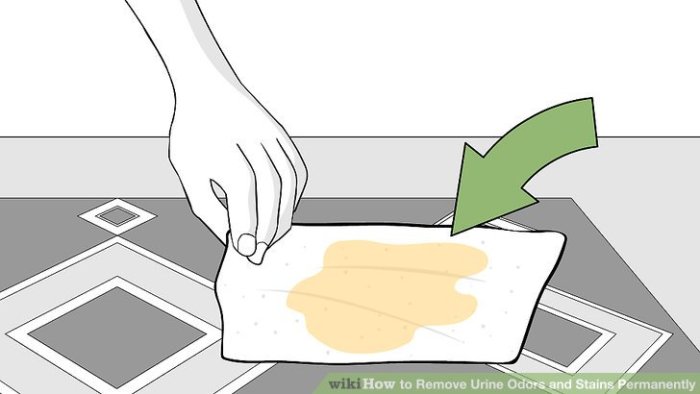
The key to effective stain removal is gentle action. Vigorous rubbing can spread the stain, pushing it deeper into the fibers. Instead, blot or dab the stain with a clean, absorbent cloth or paper towel. Apply gentle pressure, working from the outside of the stain inward. This method prevents the stain from spreading and helps to lift the stain.
Avoid circular motions as they can potentially spread the stain.
Neutralizing the Odor
Urine odor is often more persistent than the stain itself. Before cleaning, neutralize the urine’s acidity. A solution of white vinegar and water (equal parts) can effectively neutralize the odor and prevent further damage to the fabric. A mixture of baking soda and water can also be used as a neutralizer. These solutions help break down the urine components and eliminate the lingering odor.
Protecting Surrounding Areas
When cleaning, protect surrounding areas from potential damage. Use a barrier, like a piece of cardboard or plastic sheeting, to prevent the cleaning solution from spreading to undesired areas. This is especially important for delicate fabrics or surfaces that may be easily damaged by the cleaning solution. Consider placing a towel under the stained area to absorb any excess liquid.
Avoiding Spreading the Stain
Spreading the stain further is a common mistake during cleaning. Always work from the outside of the stain inward. Avoid using excessive water, as this can push the stain deeper into the fibers. Use a clean, absorbent cloth or paper towel for each application, ensuring that each dab or blot is on a clean section of the cloth.
If the stain persists after several attempts, it’s best to consult with a professional cleaner, particularly for delicate fabrics.
Cleaning Procedures
Removing urine stains effectively depends on prompt action and the right cleaning methods. Ignoring a stain can lead to permanent damage, especially on porous surfaces like carpets or upholstery. Understanding the various cleaning procedures and selecting the appropriate cleaning agent for the specific surface is crucial for successful stain removal.The choice of cleaning method is influenced by the material of the surface.
Dealing with stubborn urine stains? A common culprit behind slow flushing toilets is often overlooked mineral buildup or clogs. Understanding why your toilet flushes slowly can help you pinpoint the problem and target the right cleaning solution. For a deeper dive into potential plumbing issues, check out this helpful guide on why your toilet flushes slow.
Once you’ve tackled the root cause, you can confidently tackle those stains with a potent mixture of baking soda and vinegar. A little preventative maintenance goes a long way in keeping your bathroom sparkling!
Different materials react differently to various cleaning agents, and improper application can cause more harm than good. Always test any cleaning solution in an inconspicuous area first to ensure it won’t damage the surface. A thorough rinsing and drying process is equally important to prevent water damage and ensure a spotless finish.
Enzymatic Cleaners
Enzymatic cleaners are specifically designed to break down organic matter, including urine. They work by targeting the proteins and other organic compounds in the urine, effectively neutralizing the odor and removing the stain. These cleaners are generally safe for most surfaces, including carpets, upholstery, and hard floors. They are particularly effective for tackling pet accidents.
- Application: Apply the enzymatic cleaner directly to the stain, ensuring complete coverage. Follow the manufacturer’s instructions for application time, allowing the cleaner to work its magic. For carpets or upholstery, blot the stain with a clean cloth, avoiding scrubbing, which can spread the stain.
- Rinsing and Drying: Thoroughly rinse the area with cool water, ensuring no residue remains. If the surface is porous, blot the area dry with clean cloths, and consider using a dehumidifier if possible to expedite drying. For hard floors, allow the surface to dry completely.
Hydrogen Peroxide
Hydrogen peroxide is a powerful oxidizing agent that can effectively lift stains and deodorize. It’s effective on hard surfaces, but caution is advised when used on fabrics. Hydrogen peroxide can bleach or damage some fabrics. Always test in an inconspicuous area first.
- Application: Mix a solution of hydrogen peroxide (3%) with water (typically a 1:1 ratio). Apply this solution directly to the stain, ensuring complete coverage. Allow the solution to sit for a few minutes. If the stain persists, repeat the process.
- Rinsing and Drying: Thoroughly rinse the area with cool water, ensuring no residue remains. Blot the area dry with clean cloths. If the surface is porous, allow it to air dry completely, or use a fan to accelerate the drying process.
Baking Soda
Baking soda is a versatile cleaning agent known for its stain-absorbing and deodorizing properties. It’s generally safe for most surfaces.
- Application: Sprinkle baking soda directly onto the stain and let it sit for at least 30 minutes to absorb the urine. After 30 minutes, gently scrub the area with a soft brush or sponge. For stubborn stains, create a paste of baking soda and water, apply it to the stain, let it sit for a while, and then scrub.
Dealing with urine stains? It’s a tricky cleaning job, but a good cleaning solution can help. Before you dive into the cleaning process, though, remember to thoroughly winterize your hot tub before the cold weather sets in. Proper winterization, like draining and covering the hot tub, is crucial for preventing further damage and issues. Following the instructions on how to winterize hot tub will keep your hot tub in tip-top shape.
Once your hot tub is prepped, you can tackle the urine stain removal process, making sure to follow all the instructions for a successful outcome.
- Rinsing and Drying: Thoroughly rinse the area with cool water, ensuring no residue remains. Blot the area dry with clean cloths. Allow the surface to air dry completely, or use a fan to expedite the drying process.
Comparison of Cleaning Agents
| Cleaning Agent | Effectiveness | Safety | Surface Suitability |
|---|---|---|---|
| Enzymatic Cleaners | High | Generally safe | Carpets, upholstery, hard floors |
| Hydrogen Peroxide | Moderate to High (depending on stain) | Moderate (test on inconspicuous areas first) | Hard surfaces (with caution on fabrics) |
| Baking Soda | Moderate | Generally safe | Hard surfaces, carpets (with caution) |
Always prioritize safety and test any cleaning agent in an inconspicuous area before applying it to the entire stain.
Addressing Odor Removal
Dealing with the lingering smell of urine is often as crucial as removing the stain itself. The persistent odor can be deeply unpleasant and affect the overall atmosphere of a room. Effective odor removal requires a multi-pronged approach targeting both the source of the smell and the affected area. This involves understanding the science behind urine odor, and employing various strategies to neutralize it.Understanding the chemical composition of urine and the factors that contribute to odor is key to effective removal.
Urine is composed of various organic compounds, and when these compounds break down, they release volatile organic compounds (VOCs), which are responsible for the pungent smell. The process of breaking down these compounds and neutralizing the VOCs is a vital part of eliminating the odor.
Neutralizing Urine Odor
Different substances can be used to neutralize the odor caused by urine. Baking soda, a common household ingredient, works by absorbing the moisture and neutralizing the acidic components of the urine. Vinegar, with its acidic properties, can also be used to neutralize the odor by reacting with the alkaline components in urine. These reactions can help break down the VOCs, leading to a reduction in the unpleasant smell.
Air Out the Affected Area
Fresh air circulation is an important step in odor removal. Opening windows and doors, and using fans, allows the fresh air to displace the lingering odor. Prolonged exposure to fresh air can significantly reduce the concentration of VOCs in the air. Remember to also remove any visible moisture, as this can promote the growth of bacteria, which can also contribute to the odor.
Odor-Absorbing Products
Several odor-absorbing products are commercially available to aid in the removal of urine odor. Activated charcoal, for example, is a very effective material for absorbing odors. The porous structure of activated charcoal allows it to trap and neutralize odor-causing molecules, leaving behind a fresher scent. Other materials like odor-eliminating sprays or powders can also help mask or neutralize odors.
Neutralizing Urine pH
Urine has a pH that is typically acidic. A product that can neutralize the pH of the urine stain can be effective in reducing the odor. This is because the neutralization process can reduce the volatile organic compounds that are responsible for the smell. Using a pH-neutralizing solution can significantly reduce the odor by altering the chemical composition of the urine.
Effectiveness of Odor Removal Methods
| Method | Effectiveness | Considerations |
|---|---|---|
| Baking Soda | Good, especially for absorbing moisture and neutralizing acidity. | May not be as effective for strong or persistent odors. |
| Vinegar | Effective in neutralizing alkaline components. | May leave a lingering vinegar smell if not properly ventilated. |
| Air Circulation | Excellent for reducing odor concentration. | May not eliminate the odor completely; best used in conjunction with other methods. |
| Odor-Absorbing Products (e.g., Activated Charcoal) | High effectiveness in absorbing odors. | Can be expensive and may require replacement. |
| pH Neutralization | Potentially high effectiveness in altering the chemical composition of urine. | Requires using the correct pH neutralizing solution and careful application. |
Post-Cleaning Care
Congratulations! You’ve successfully tackled that pesky urine stain. Now, let’s ensure the area stays clean and prevents future accidents. Proper post-cleaning care is crucial for maintaining a fresh, odor-free space. This involves drying, inspection, and preventative measures to avoid re-soiling and future incidents.Thorough post-cleaning care prevents the stain from setting and the odor from lingering. It also protects your hard work by avoiding re-soiling.
Following these steps ensures your efforts are successful and the area remains clean for long.
Drying the Affected Area
Proper drying is essential to prevent the stain from setting and the odor from lingering. Different materials require different drying techniques.
- Air Drying: For fabrics like upholstery or carpets, air drying is often the best approach. Avoid direct heat sources like hair dryers or radiators, as these can set the stain or cause the fabric to shrink. Open windows and use fans to expedite the drying process. Ensure the area is completely dry before use or covering.
- Machine Drying: If the affected item is machine washable, follow the care instructions on the garment’s label. Some fabrics may require delicate cycles or low heat settings. Always test a small, inconspicuous area first to ensure the color and fabric won’t be damaged. Remove the item from the dryer when it’s still slightly damp, to prevent further setting of the stain or odor.
Inspecting for Remaining Stains or Odors, How to remove urine stains
Thorough inspection after cleaning is crucial to ensure all traces of urine and odor are gone. A fresh perspective is vital to notice any lingering issues.
- Visual Inspection: Carefully examine the cleaned area for any remaining discoloration or spots. Look for any areas that still appear damp or show signs of the stain.
- Smell Test: Take a few steps back and sniff the area. A lingering odor, even a subtle one, indicates that more cleaning is needed. Be sure to check for the odor in different parts of the area. Using a fan or opening a window can help you to smell any lingering odors more easily.
Avoiding Re-staining and Re-soiling
Preventing future urine accidents or re-soiling of the cleaned area is essential for long-term cleanliness. Taking precautions to prevent future accidents is key to maintaining the clean environment.
- Protective Measures: Use protective covers, mats, or barriers in high-traffic or vulnerable areas, such as pet beds or children’s play areas. This can help contain potential accidents before they occur.
- Regular Cleaning: Implement a regular cleaning schedule to maintain the cleanliness of the area. This can help to prevent buildup of dirt, grime, and potential urine sources, such as spills or messes.
Preventative Measures for Future Accidents
Understanding the causes of accidents can help in preventing future occurrences. This is an important step to maintain a clean environment.
- Pet Training: If the accident involves a pet, work on potty training and ensure they have adequate access to outdoor space or a designated potty area.
- Child Supervision: For accidents involving children, establish clear boundaries and supervision in vulnerable areas, like playrooms. Establish a routine for potty breaks and other needs.
- Environmental Considerations: Inspect for any environmental factors that may contribute to accidents, such as spills, leaks, or moisture buildup.
Maintaining Cleaned Areas
Regular maintenance and attention to details are crucial for maintaining the cleaned areas. Proactive measures are needed to prevent further damage.
- Regular Inspection: Regularly inspect cleaned areas for any signs of potential issues or re-soiling, and address them promptly.
- Cleaning Supplies: Keep cleaning supplies readily available and organized for quick response to any accidents or messes. This will allow for quick response to potential accidents or messes.
- Proper Ventilation: Ensure adequate ventilation in areas prone to accidents or spills to minimize the lingering odor and moisture.
Troubleshooting Urine Stain Removal

Removing urine stains and odors can be a frustrating process, but with the right approach and troubleshooting steps, you can often salvage a surface and restore its pristine appearance. Knowing potential problems and how to address them is key to successful stain removal. This section will detail common issues and effective solutions.
Identifying Unexpected Issues
Potential problems during urine stain removal often arise from the nature of the stain itself, the cleaning products used, or the surface being cleaned. For example, some surfaces might be sensitive to certain chemicals, leading to damage if not handled carefully. Understanding these potential issues will help you to proceed with caution and avoid making the situation worse.
Dealing with Difficult Stains
Sometimes, urine stains are particularly stubborn, resisting initial cleaning attempts. This is often due to the urine’s interaction with the fabric or surface fibers. A possible solution involves applying a pre-treatment solution directly to the stain and allowing it to sit for an extended period before rinsing. Enzyme-based cleaners are particularly effective in breaking down the organic compounds in urine.
Another strategy involves multiple applications of the cleaning solution and multiple attempts at blotting the stain.
Handling Cleaning Solution Damage
Cleaning solutions, while effective, can sometimes cause unintended damage if used improperly. For example, using too much bleach or abrasive cleaners on delicate surfaces can lead to discoloration, fading, or even damage to the material. Always test any cleaning solution in an inconspicuous area first to assess its impact. If you observe any damage, immediately stop using the solution and seek professional assistance.
It’s crucial to use appropriate cleaning products for different materials to avoid unintended consequences.
Table of Common Problems and Solutions
| Problem | Solution |
|---|---|
| Stain remains | Re-apply the cleaning solution, using a different product if the first attempt was unsuccessful. Increase the dwell time of the solution or try blotting with a clean, absorbent cloth instead of rinsing. |
| Odor persists | Ensure thorough rinsing of the cleaning solution. Use a deodorizer specifically designed for urine odors. Allow the area to air dry completely, and consider using a product containing enzymes to break down the remaining organic matter. |
| Surface damage (e.g., discoloration, fading) | Stop using the cleaning solution immediately. Rinse the area thoroughly with clean water. If the damage is significant, seek professional cleaning services. |
| Cleaning solution causes discoloration or damage | Test the cleaning solution on an inconspicuous area first. Use a gentler cleaning product or solution. If damage occurs, stop using the solution and consult with a cleaning professional for advice specific to the affected material. |
Specific Surface Considerations
Removing urine stains requires tailored approaches depending on the surface. Different materials react differently to cleaning solutions, and some surfaces are more prone to damage than others. Understanding these nuances is crucial for effective stain removal and preventing further issues. This section details specific methods for carpets, upholstery, and clothing, highlighting the unique challenges each presents.
Carpet Cleaning
Carpet fibers can trap urine, making stain removal more challenging. Prompt action is key to preventing deep penetration and odor development. A crucial aspect of carpet cleaning is avoiding excessive moisture, which can lead to mold or mildew growth. Pre-treating the stain is vital, using appropriate cleaning solutions to lift the stain without damaging the fibers.
- Assess the Stain: Determine the size and age of the stain. Older stains may require more aggressive methods. Look for discoloration or a noticeable wet spot.
- Pre-Treatment: Blot the stain gently with a clean, absorbent cloth or paper towel to remove excess moisture. Avoid rubbing, which can spread the stain. Apply a pre-treatment solution, such as a specialized enzyme cleaner or a mixture of mild detergent and water, to the affected area.
- Cleaning: Use a carpet cleaning solution designed for urine stains. Follow the manufacturer’s instructions carefully. Use a clean, damp cloth or a carpet cleaning machine to remove the solution and the stain. Work from the outside of the stain inward to prevent spreading. Blot dry immediately with absorbent towels or paper towels.
- Drying: Thorough drying is crucial. Use fans or place a dehumidifier in the room to speed up the process. Avoid walking on the area until completely dry to prevent re-soaking.
Upholstery Cleaning
Upholstery materials, such as fabric or leather, often present unique challenges. The type of fabric and the specific upholstery material dictate the cleaning approach. Incorrect methods can lead to discoloration, damage, or a loss of texture. Always test any cleaning solution in an inconspicuous area first to avoid unexpected results.
- Fabric Identification: Determine the type of fabric. Different fabrics react differently to cleaning solutions. Refer to the manufacturer’s care instructions or look for a fabric care tag.
- Pre-Treatment: Apply a pre-treatment solution specifically designed for upholstery. Blot the stain gently with a clean, damp cloth. Test the solution in a hidden area first to ensure it doesn’t cause discoloration or damage.
- Cleaning: Use a cleaning solution appropriate for the fabric type. Avoid harsh chemicals or abrasive scrubbing, which can damage the upholstery. Use a soft-bristled brush or a damp cloth to gently remove the stain and solution.
- Drying: Allow the upholstery to air dry completely. Avoid using heat or direct sunlight, which can cause fading or damage.
Clothing Cleaning
Urine stains on clothing can be particularly troublesome. The fabric type and the severity of the stain determine the cleaning approach. Removing stains promptly is essential to prevent the stain from setting. Special care is necessary to prevent damage to the fabric during the cleaning process.
- Fabric Identification: Identify the type of fabric to determine the best cleaning method. Check the care label for instructions. Different fabrics have different sensitivities to cleaning agents.
- Pre-Treatment: Apply a pre-treatment solution directly to the stain. Blot gently with a clean cloth or paper towel. Work from the outside of the stain inward.
- Cleaning: Wash the garment according to the care label instructions. Use a mild detergent and cold water whenever possible. Avoid harsh scrubbing or high heat.
- Drying: Dry the garment according to the care label. Avoid excessive heat or direct sunlight.
| Surface | Cleaning Method |
|---|---|
| Carpets | Assess the stain, pre-treat, clean with a carpet cleaning solution, and dry thoroughly. |
| Upholstery | Identify the fabric type, pre-treat with a suitable solution, clean gently, and air dry. |
| Clothing | Identify the fabric type, pre-treat, wash with mild detergent and cold water, and dry according to care label. |
Last Word

In conclusion, effectively removing urine stains requires a systematic approach that combines quick action, appropriate cleaning agents, and careful consideration for the specific surface being treated. This guide provides a comprehensive overview of the process, equipping you with the knowledge and tools to tackle urine stains on various materials. By following these steps and understanding the nuances of different surfaces, you can confidently restore your belongings to their pristine condition and maintain a fresh, clean environment.
Remember prevention is key, and we’ll cover that too!