


How to remove pilling? This guide dives deep into the frustrating but common issue of pilling on clothes. From understanding the causes and different types of pilling to exploring various DIY and professional removal methods, we’ll cover everything you need to know to get rid of those annoying little balls of fabric.
We’ll examine the different types of fabrics prone to pilling, comparing their susceptibility to various fibers like cotton, wool, and polyester. Then, we’ll delve into effective methods, from using a fabric shaver to employing household items like lint rollers and damp cloths. We’ll also explore professional pilling removal services, and essential tools and materials.
Introduction to Pilling
Fabric pilling is a common problem affecting various types of clothing. It refers to the formation of small, fuzzy balls, or “pills,” on the surface of fabrics. These pills can detract from the aesthetic appeal of garments and, in some cases, reduce their overall durability. Understanding the causes and characteristics of pilling is crucial for preventing this issue and extending the lifespan of your clothing.Pilling is a result of the mechanical abrasion of fabric fibers, causing tiny fibers to break off and clump together.
This process can be accelerated by various factors, such as friction during wear, washing, and drying. The type and construction of the fabric itself also play a significant role in pilling susceptibility.
Causes of Pilling
Pilling is primarily caused by the mechanical abrasion of fibers during use. Repeated rubbing against other surfaces, including other clothing items, or rough textures, can lead to fiber breakage and subsequent clumping. Washing and drying cycles can also contribute to pilling, as the agitation and friction during these processes can damage fibers. Additionally, the inherent properties of the fabric itself, such as its fiber type and construction, influence its susceptibility to pilling.
Types of Fabrics Prone to Pilling
Certain fabrics are more prone to pilling than others. This susceptibility often depends on the fiber type and the fabric’s construction. Synthetic fabrics, particularly those containing polyester, acrylic, or nylon, are frequently cited as highly susceptible to pilling. Woven fabrics, especially those with a looser weave, tend to be more prone to pilling compared to tightly woven fabrics.
Getting rid of those pesky fabric pills is easier than you think! A simple way to remove them is by using a lint roller or a fabric shaver. Speaking of getting things off, winter is the perfect time to plant bitter greens, like kale or collard greens, winter is the best time to grow bitter greens , and you’ll have fresh, delicious veggies ready for those cozy winter meals.
Plus, a smooth, pill-free sweater will look even better with a delicious winter harvest.
Similarly, fabrics with a fuzzy or textured surface are more likely to accumulate pills than smoother fabrics.
Visual Characteristics of Pilling
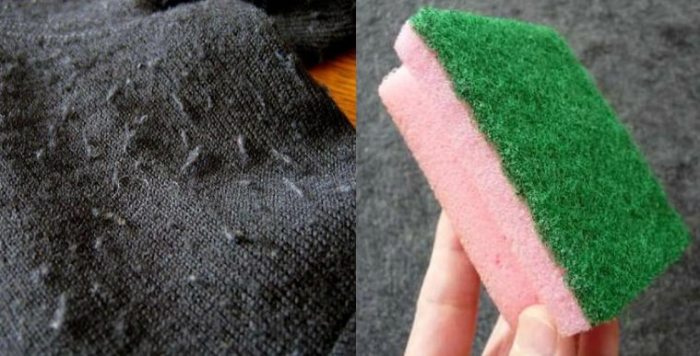
Pilling manifests as small, fuzzy balls or “pills” on the fabric surface. These pills are typically a similar color to the fabric and can vary in size from tiny specks to larger clumps. They often appear in clusters, especially in areas of high friction, such as elbows or shoulders. The presence of pilling can diminish the fabric’s aesthetic appeal and, in some instances, create a bumpy or uneven texture.
Removing pilling from your clothes can be surprisingly easy! A gentle scrub with a soft brush often does the trick. Interestingly, like some yellowjackets characters in the show, certain plants can be surprisingly resilient and adapt to various conditions, just as you can adapt your cleaning techniques to different fabrics. yellowjackets characters as common plants offer a fascinating look at this resilience.
For more stubborn pilling, a special garment brush or a damp cloth can be very helpful.
Fiber Type Susceptibility to Pilling
The following table illustrates the relative susceptibility of different fiber types to pilling. Note that these are general observations and specific fabric constructions can significantly impact pilling.
| Fiber Type | Susceptibility to Pilling | Explanation |
|---|---|---|
| Polyester | High | Polyester fibers are often prone to pilling due to their inherent properties and tendency to break down during abrasion. |
| Acrylic | High | Acrylic fibers, similar to polyester, can easily fragment and form pills. |
| Nylon | Medium | Nylon fabrics are generally more resistant to pilling than polyester or acrylic, but still susceptible. |
| Cotton | Low | Natural fibers like cotton are typically less prone to pilling compared to synthetic fibers. |
| Wool | Low | Wool’s natural structure and elasticity contribute to its low pilling propensity. |
Methods for Removing Pilling
Pilling, those fuzzy little balls that accumulate on your favorite sweaters and jackets, can be a frustrating fashion problem. While prevention is often the best approach, sometimes you need a rescue mission to restore your garments to their former glory. Fortunately, several effective methods exist for removing pilling, allowing you to keep your clothes looking their best.Fortunately, several effective methods exist for removing pilling, allowing you to keep your clothes looking their best.
Getting rid of those pesky fabric pills can be a real pain, but a well-organized linen closet can actually help! Think about how much easier it is to select smooth, pill-free linens when your closet is perfectly organized. For some amazing ideas on how to tackle your linen closet, check out these fantastic tips on linen closet organization ideas.
Ultimately, a streamlined closet makes choosing smooth, pill-free fabrics a breeze, improving your overall experience with your laundry and clothing.
These methods vary in their effectiveness and suitability depending on the fabric type, so careful consideration is key.
Common Pilling Removal Methods
Different methods target different fabric types and levels of pilling. Understanding the nuances of each technique is crucial for achieving optimal results.
- Fabric Shaving: This method uses a specialized tool to physically remove the pills. It’s generally effective on a variety of fabrics, particularly those that are not delicate. The shaver works by scraping away the loose fibers, leaving a smoother surface.
- Hand-Removal: For minor pilling, you can try gently picking the pills off with your fingers or tweezers. This method is ideal for delicate fabrics or small areas of pilling. It is labor-intensive, but it preserves the integrity of the fabric better than a shaver.
- Using a Fabric Brush: A soft-bristled brush can help dislodge surface pills, especially for fabrics that can tolerate a bit of abrasion. This is a good starting point for sweaters or garments with relatively loose pills.
- Washing and Drying: While not a direct pilling removal method, washing and drying can sometimes help to loosen and remove pills, especially for garments with loose, easily-removed pilling. However, it’s crucial to consider the fabric’s care instructions before attempting this.
Fabric Shaver Method: A Step-by-Step Guide
A fabric shaver is a reliable tool for tackling significant pilling. Following a precise procedure ensures effective and safe pilling removal.
- Preparation: Examine the garment for pilling. Determine the best angle for the shaver to remove the pilling without damaging the fabric.
- Testing: Before proceeding, always test the shaver on a hidden or inconspicuous area of the fabric to ensure that the technique does not damage the fabric.
- Shaving: Move the shaver in small, overlapping strokes, always following the nap of the fabric. Avoid pressing too hard, as this could damage the garment.
- Cleaning: Regularly clean the shaver blades to maintain optimal performance and avoid clogging. This ensures efficiency and prevents build-up.
- Inspection: Carefully inspect the garment for any remaining pilling. Repeat the process as needed until the desired smoothness is achieved.
Effectiveness Comparison
| Method | Effectiveness | Suitability (Fabric Types) | Pros | Cons |
|---|---|---|---|---|
| Fabric Shaving | High | Most fabrics, especially those with moderate to heavy pilling | Efficient, fast | Can damage delicate fabrics if not used carefully |
| Hand-Removal | Low (for significant pilling) | Delicate fabrics, small areas of pilling | Gentle, preserves fabric integrity | Time-consuming, less effective for extensive pilling |
| Fabric Brush | Moderate | Fabrics that can tolerate light abrasion | Simple, affordable | Less effective for heavy pilling, can damage some fabrics |
| Washing and Drying | Low (for persistent pilling) | Fabrics suitable for washing | Simple, potentially removes loose pills | May not remove all pills, can damage some fabrics |
Prevention of Pilling
Pilling, those annoying little fuzz balls that accumulate on your favorite sweaters, can be a real fashion faux pas. But the good news is, you don’t have to resign yourself to a wardrobe full of pilled garments. A proactive approach to garment care can significantly reduce the likelihood of pilling and keep your clothes looking their best for longer.Proper care and attention to detail in the washing and drying process are crucial in preventing pilling.
Understanding the factors that contribute to pilling allows you to take preventative measures and extend the lifespan of your garments.
Understanding the Causes of Pilling
Pilling is primarily caused by the abrasion and friction between fibers during wear and washing. The friction creates small fiber fragments that detach from the fabric and accumulate, eventually forming the unsightly pilling. Certain fabrics, like wool and acrylic blends, are more prone to pilling than others due to their inherent fiber structure and properties. The construction of the garment, including the weave and stitching, also plays a role.
Loose or unevenly woven fabrics are more susceptible to pilling.
Proper Garment Care
Maintaining your garments properly is essential in preventing pilling. Gentle handling and care during wear and storage significantly reduce friction and abrasion. Avoid rubbing or dragging the fabric against rough surfaces. Always check the care label for specific washing instructions. Following these instructions precisely will help maintain the integrity of the fibers and minimize the risk of pilling.
Washing Conditions and Their Impact
Washing conditions significantly influence pilling. Harsh detergents, excessive heat, and prolonged washing cycles can contribute to fiber damage and pilling. The water temperature used during washing directly affects the fibers’ integrity. Hot water can weaken the fibers, making them more prone to shedding and pilling.
Washing Recommendations to Minimize Pilling
Proper washing techniques and appropriate settings can significantly reduce the occurrence of pilling. This table Artikels recommended washing practices to minimize pilling and maintain the quality of your garments.
| Washing Condition | Recommendation | Explanation |
|---|---|---|
| Water Temperature | Cold water | Cold water washes help preserve the fibers, reducing the risk of damage and pilling. |
| Detergent Type | Mild, non-biological detergent | Harsh or biological detergents can be too abrasive for some fabrics, leading to increased pilling. |
| Washing Cycle | Gentle cycle | A gentle cycle reduces friction and minimizes the chance of fiber damage. |
| Drying Method | Air dry or low heat | High heat can shrink and damage fibers, contributing to pilling. |
| Fabric Type | Check care label | Different fabrics require different washing conditions. Always follow the care label instructions for optimal results. |
DIY Techniques for Removing Pilling
Pilling, those tiny fuzzy balls that accumulate on your favorite sweaters and jackets, can be frustrating. While professional dry cleaning is always an option, sometimes you crave a more budget-friendly and convenient solution. DIY methods using readily available household items can effectively tackle pilling, saving you money and time.DIY pilling removal techniques offer a practical alternative to costly professional cleaning, allowing you to maintain your clothes at home.
These methods are generally safe for a variety of fabrics, provided you exercise caution and follow the appropriate procedures. Understanding the various methods and their effectiveness will empower you to choose the best approach for your specific needs.
Removing Pilling with a Lint Roller
Using a lint roller is a simple and effective way to remove loose pilling, particularly on smooth surfaces like sweaters or fleece jackets. The sticky surface of the lint roller readily captures the small fibers, leaving your garment looking smoother. This method is especially suitable for smaller areas of pilling and is ideal for quick touch-ups.
- Preparation is key. Ensure the fabric is clean and free from dirt or debris that might interfere with the lint roller’s effectiveness.
- Apply firm, even pressure to the lint roller while moving it across the affected area. Avoid applying excessive pressure, which may damage the fabric.
- Repeat the process until most of the pilling is removed. For stubborn pilling, you might need to use a new lint roller section.
Removing Pilling with a Razor Blade (Safety Precautions)
Using a razor blade to remove pilling requires caution. While it can be effective for stubborn pilling, improper use can damage the fabric. Always exercise extreme care to avoid cutting or scratching the garment.
- Safety First: Use a sharp but not overly aggressive razor blade, like a single-edge safety razor blade. A dull blade increases the risk of damage to the fabric.
- Gently scrape: Carefully and gently scrape the pilling from the fabric, moving the blade in the same direction as the fabric’s weave. Avoid applying excessive pressure, as this can cause damage or distortion.
- Testing in an inconspicuous area: Before applying the blade to a visible area, always test it on a less visible section of the fabric first to check for any potential damage. This is crucial to avoid unintentional fabric damage.
- Protect your surface: Use a protective surface like a smooth countertop or a piece of cardboard to prevent scratching or damage to your work area.
Removing Pilling with a Damp Cloth
A damp cloth can be an effective way to loosen and remove pilling, especially on delicate fabrics that might be prone to damage with abrasive methods.
- Dampen the cloth slightly: Avoid soaking the cloth. A damp cloth is sufficient to soften the pilling and make it easier to remove.
- Gentle rubbing: Rub the affected area gently with the damp cloth, moving in the direction of the fabric’s weave. Avoid harsh scrubbing, which could stretch or damage the fabric.
- Rinse and repeat: If the pilling is still visible, rinse the cloth and repeat the process until the pilling is removed.
Examples of DIY Methods and Their Effectiveness
- Lint roller is highly effective for light to moderate pilling on sweaters and jackets.
- Razor blade is best for stubborn pilling but requires careful handling and testing.
- Damp cloth is best for delicate fabrics, removing pilling without damaging the material. This method is also ideal for removing fuzz from knitted garments or fabrics with loose fibers.
Professional Pilling Removal Services: How To Remove Pilling
Pilling, that fuzzy, unsightly buildup on your clothes, can be a real pain. While DIY methods can sometimes work, professional pilling removal services offer a more reliable and often superior solution, especially for delicate fabrics or stubborn pilling. These services leverage specialized techniques and equipment to effectively remove pilling without damaging the garment.Professional cleaning often surpasses DIY efforts due to the use of specialized tools, chemicals, and expertise.
This leads to better results, particularly for garments with complex weaves or intricate designs where DIY methods might not be as effective. The specialized equipment and techniques employed by professionals can target and eliminate pilling more thoroughly, minimizing the risk of fabric damage and ensuring a pristine finish.
Availability of Professional Services
Professional pilling removal services are readily available through a variety of channels. Dry cleaners, tailoring shops, and specialized textile repair services often offer these services. Many dry cleaners have the necessary equipment and expertise to handle pilling removal, making it a convenient option for most consumers. Tailoring shops, particularly those specializing in high-end garments, frequently include pilling removal as part of their comprehensive service package.
Advantages of Professional Cleaning, How to remove pilling
Professional cleaning offers several advantages over DIY methods. Firstly, professionals possess the expertise to identify the best approach for various fabrics and garment types. Secondly, they have access to specialized tools and equipment that effectively target and remove pilling without damaging the fabric. Finally, professional cleaning often ensures a more thorough and long-lasting solution, reducing the likelihood of future pilling.
Examples of Services Offered
Dry cleaners typically offer pilling removal as part of their standard cleaning services, potentially in conjunction with other treatments like stain removal or pressing. Tailoring shops often provide specialized pilling removal services for bespoke or high-end garments, sometimes as an add-on to alterations or repairs. Specialized textile repair shops may focus exclusively on pilling removal, utilizing advanced techniques for various fabrics.
Factors to Consider When Choosing a Service
Several factors influence the selection of a professional pilling removal service. The type of fabric, the severity of pilling, and the garment’s overall condition are crucial considerations. The reputation and experience of the service provider are also essential factors, as this can significantly impact the quality of the work. Finally, the price and availability of the service should be considered.
Pricing and Service Offerings Comparison
| Service Provider | Pricing (Estimated) | Services Offered | Fabric Types Handled |
|---|---|---|---|
| Local Dry Cleaner | $10-$25 per item | Pilling removal, standard cleaning | Most fabrics, excluding delicate or vintage |
| High-End Tailoring Shop | $25-$75+ per item | Pilling removal, alterations, repairs | Delicate fabrics, vintage garments, custom-made clothes |
| Specialized Textile Repair Shop | $30-$100+ per item | Specialized pilling removal, restoration | Wide range of fabrics, including vintage and antique items |
Note: Prices are estimates and may vary based on the garment’s condition and complexity. The table provides a general comparison; always confirm specific pricing and service offerings with the provider.
Pilling Removal Tools and Materials
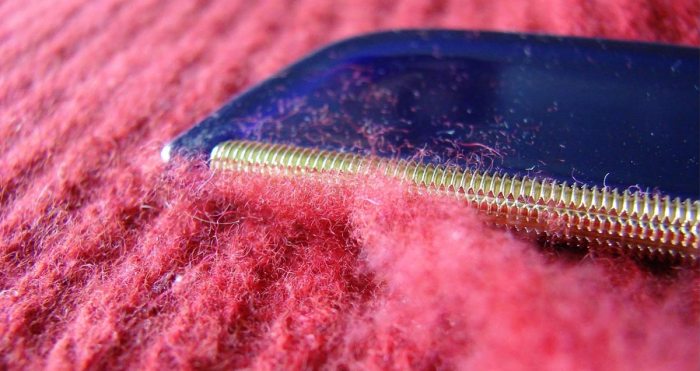
Successfully removing pilling depends significantly on the right tools and materials. Choosing the appropriate tools ensures a gentle yet effective approach, preventing further damage to the fabric and achieving a professional-looking result. Carefully consider the fabric type when selecting your tools to avoid unwanted damage.
Essential Tools and Materials
Proper tools are crucial for effective pilling removal. Different tools cater to varying fabric types and pilling severity, allowing for targeted and safe removal. A well-stocked arsenal of tools ensures you’re prepared for any pilling challenge.
- Fabric Scissors: Sharp, pointed fabric scissors are essential for carefully cutting away loose pills. Avoid using dull or blunt scissors, as they can cause damage to the fabric and lead to uneven cuts. Always prioritize precise cutting to minimize fabric damage.
- Fabric Shaver/Pilling Remover: These specialized tools are designed to gently remove pills without damaging the fabric. Some models use a rotating blade system, while others use a suction-based approach. The type of blade and the suction power can influence the efficiency of removal and the risk of fabric damage.
- Lint Roller: Lint rollers are effective for removing small pills and loose fibers. Their adhesive surface collects the pills, preventing them from spreading and potentially causing further damage. A lint roller can be a great option for pre-treatment or in combination with other tools.
- Needle and Thread: In some cases, small, scattered pills might require a more precise approach. A needle and thread allow for the removal of stubborn pills that resist other tools. Select thread colors that match the fabric for a seamless repair.
- Soft-bristled Brush: A soft-bristled brush is ideal for gently brushing away loose pills and debris. This is a crucial step for preparation before more intensive removal methods. This is also effective for preventing the build-up of pills in the first place.
- Magnifying Glass: A magnifying glass helps you identify and focus on small pills that might be missed with the naked eye. This is especially useful for delicate fabrics and intricate designs.
Safety Precautions
Following safety precautions is vital when using pilling removal tools. Careful handling of tools and consideration for fabric types prevent damage and ensure a successful removal process.
- Fabric Type Considerations: Different fabrics react differently to various tools. Using the wrong tool can lead to damage, discoloration, or permanent changes to the fabric’s texture. Always test the tool on a hidden area of the fabric before using it on the visible surface.
- Avoid Excessive Force: Applying excessive pressure when using tools can damage the fabric. Use gentle pressure and a light touch to prevent snagging, tearing, or stretching.
- Proper Technique: Follow the manufacturer’s instructions for each tool to ensure proper usage. Incorrect techniques can cause more harm than good. Be methodical in your approach, ensuring consistent and controlled pressure.
- Working in a Well-Lit Area: Good lighting is essential for identifying pills and ensuring precise removal. Adequate light prevents errors and promotes a clean work environment.
Tool Selection for Specific Fabrics
Choosing the right tool is crucial for effective pilling removal. Understanding the fabric’s composition and texture will guide the selection process, preventing damage.
| Fabric Type | Recommended Tool | Reasoning |
|---|---|---|
| Fine Wool | Fabric Shaver/Lint Roller | Gentle tools are essential to avoid snagging or pulling at the delicate fibers. |
| Cotton | Fabric Scissors, Lint Roller | Cotton fabrics generally tolerate more aggressive tools, but precise cutting and gentle handling are key. |
| Silk | Lint Roller, Fabric Shaver (with utmost care) | Silk is very delicate and requires extremely gentle handling to avoid damage. |
| Leather | Lint Roller, Soft-bristled Brush | Leather requires specific tools and techniques. Aggressive methods can cause permanent damage. |
Troubleshooting and Common Problems
Removing pilling can be a delicate process, and understanding potential issues is crucial to avoid damaging your clothes. This section will delve into common problems encountered during pilling removal, their causes, and effective solutions to prevent further damage. Knowing how to address these issues proactively will ensure a successful and safe pilling removal experience.
Common Pilling Removal Issues
Troubleshooting pilling removal involves identifying and addressing the specific problems that can arise during the process. Understanding the reasons behind these issues is key to finding the right solutions. For example, applying too much pressure or using the wrong tools can lead to fabric damage.
Causes of Fabric Damage During Pilling Removal
Applying excessive pressure during pilling removal is a primary cause of fabric damage. Using abrasive tools or harsh chemicals can also lead to significant damage. Improper technique, like using excessive heat, can cause irreversible damage to delicate fibers. Incorrect selection of tools and materials, like using a hard brush on a silk garment, can result in irreversible damage.
Understanding these causes and their implications is essential to preventing fabric damage.
Avoiding Fabric Damage During Pilling Removal
To prevent damage during pilling removal, always use gentle pressure and appropriate tools. Avoid abrasive materials or harsh chemicals. Consider the fabric type and choose the most suitable method. For example, a delicate silk fabric requires a different approach than a sturdy cotton one. If unsure, consult a professional tailor or clothing care specialist.
Carefully consider the fabric type before attempting pilling removal, and use appropriate tools and techniques to avoid damage.
Table of Common Problems and Solutions
| Problem | Cause | Solution |
|---|---|---|
| Fabric damage (e.g., holes, discoloration) | Excessive pressure, abrasive tools, inappropriate methods | Use gentle pressure, select appropriate tools (e.g., soft brush for delicate fabrics), and consider professional help for complex issues. |
| Pilling remains after removal | Incomplete removal, inappropriate technique, incorrect tool selection | Repeat the removal process using the correct technique and appropriate tools for the fabric type. |
| Fabric discoloration | Using harsh chemicals or incorrect cleaning methods | Use mild detergents and cleaning solutions suitable for the fabric type. Avoid harsh chemicals. |
| Difficulty in removing pilling from certain areas | Tough to reach areas or stubborn pilling | Use specialized tools like lint rollers or small brushes to target difficult areas. |
Illustrative Examples of Pilling
Pilling, the formation of small, fuzzy balls on fabric, is a common textile issue. Understanding its appearance on different materials, garments, and colors is crucial for effective removal and prevention. This section provides illustrative examples to help you recognize pilling in your own clothing and appreciate its various manifestations.Pilling severity varies widely, from subtle, barely noticeable fuzziness to large, dense clumps.
The causes and the best removal methods depend heavily on the type of pilling and the fabric it’s on. The severity of pilling also dictates the best approach to tackling it.
Pilling on Sweaters
Pilling on sweaters, especially those made of wool blends or acrylics, is a common sight. The texture of sweaters often creates friction, which contributes to the shedding of fibers that clump together. This can be seen as small, light-colored balls on a darker-colored sweater, or larger, darker clumps on a lighter-colored sweater, depending on the color of the fibers.
The severity of pilling on sweaters can range from low-pilling, where the balls are sparsely distributed and barely noticeable, to high-pilling, where dense clumps of fiber accumulate in noticeable patches. The pilling can be more concentrated on areas with higher friction, such as the shoulders, elbows, and cuffs.
Pilling on Jackets
Pilling on jackets, particularly those made of synthetic materials like polyester or nylon, often presents itself as small, easily visible balls. The frequent wear and abrasion of jackets lead to pilling. These jackets might exhibit varying degrees of pilling depending on the material, with heavier pilling on materials like fleece or sherpa. The severity of pilling can differ depending on the jacket’s style, the way it’s worn, and the environment it’s exposed to.
For example, a waterproof jacket exposed to frequent rubbing against other materials will likely show higher pilling than a lightweight jacket.
Pilling on Different Fabrics
The type of fabric significantly impacts the appearance of pilling. Knitted fabrics, like those in sweaters, are more prone to pilling than woven fabrics like cotton or linen. The structure of the fabric plays a crucial role in the type and density of pilling. Pilling on a knit fabric tends to be more widespread and less concentrated compared to a woven fabric.
Furthermore, fabrics with shorter fibers, such as some types of acrylic, are more prone to forming small, densely packed balls than fabrics with longer fibers.
Pilling on Different Colors and Textures
The color and texture of the fabric also influence how pilling appears. Pilling on dark fabrics is often more noticeable than pilling on light fabrics, as the small, fuzzy balls stand out against the darker background. The texture of the fabric also plays a part. For example, a fuzzy or textured fabric may exhibit more noticeable pilling compared to a smooth or plain fabric.
High-pilling on a rough, textured fabric may appear as larger, more substantial clumps, whereas low-pilling on a smooth fabric might only be visible under close inspection.
Severity Comparison Table
| Fabric Type | Garment | Pilling Description | Severity (Low/Medium/High) |
|---|---|---|---|
| Acrylic Knit | Sweater | Small, light-colored balls, sparsely distributed | Low |
| Polyester Woven | Jacket | Small, dark-colored balls, concentrated in areas of abrasion | Medium |
| Fleece | Jacket | Larger, dense clumps of fibers, noticeable patches | High |
| Cotton | T-shirt | Minimal fuzziness, almost imperceptible | Low |
Concluding Remarks
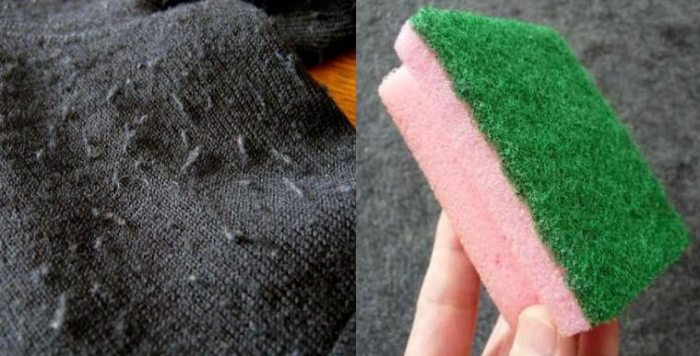
In conclusion, removing pilling is a multifaceted task, requiring understanding the causes, selecting appropriate removal methods, and taking preventive measures. Whether you choose a DIY approach or a professional service, this comprehensive guide provides you with the knowledge and tools to tackle pilling effectively and keep your clothes looking their best. From simple lint roller techniques to the precision of a fabric shaver, we’ve covered it all, leaving you empowered to conquer those pesky fabric fibers.