



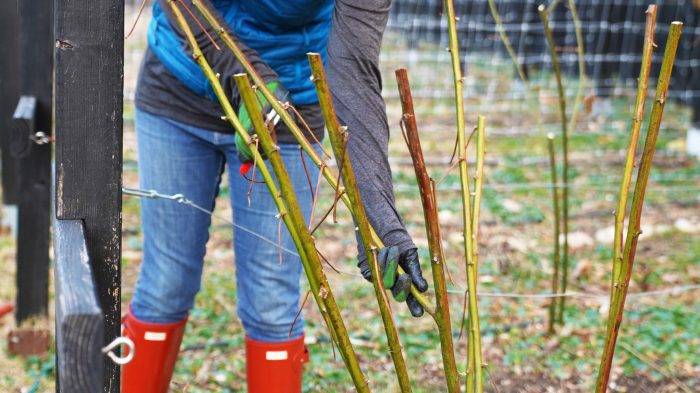
How to prune fruit trees is a crucial skill for any gardener aiming to maximize their fruit production and ensure the long-term health of their trees. Proper pruning techniques not only increase yields but also maintain the shape and structure of the tree, preventing future problems. This guide dives deep into the world of fruit tree pruning, covering everything from selecting the right tools to advanced techniques like rejuvenation pruning.
Whether you’re a novice or an experienced gardener, this comprehensive guide will equip you with the knowledge and confidence to prune your fruit trees effectively and safely.
This guide will walk you through the entire process, from understanding the fundamental principles of pruning to specific techniques for various fruit tree types. We’ll explore the essential tools, optimal timing, and methods for achieving optimal results. You’ll learn about different pruning techniques like heading back and thinning, and how to tailor these methods to different varieties, ensuring the health and productivity of your trees for years to come.
Introduction to Pruning Fruit Trees
Pruning fruit trees is a crucial horticultural practice that significantly impacts a tree’s health, productivity, and overall lifespan. Proper pruning techniques promote healthy growth, improve fruit quality, and prevent disease. By strategically removing branches and shaping the tree, you encourage optimal airflow, sunlight penetration, and access for beneficial insect activity.Proper pruning techniques are fundamental to maximizing fruit production.
A well-pruned tree bears fruit more efficiently, leading to a higher yield of larger, better-quality fruit. Furthermore, pruning helps maintain the structural integrity of the tree, preventing potential damage from heavy fruit loads or harsh weather conditions. This ultimately extends the tree’s lifespan and ensures continued bountiful harvests for years to come.
Importance of Pruning for Fruit Tree Health
Pruning isn’t just about aesthetics; it’s a vital component of maintaining a healthy fruit tree. Removing dead, diseased, or damaged branches prevents the spread of pests and diseases throughout the tree. These diseased parts can harbor pathogens and create entry points for insects, causing further damage to the tree. Healthy pruning practices also improve the overall structure of the tree, enhancing its resilience to strong winds and heavy snow.
Types of Fruit Trees Requiring Pruning
Many fruit tree varieties benefit from regular pruning. This practice applies to a wide range of common fruit trees, encouraging optimal growth and fruit production. The specific pruning needs vary slightly depending on the tree type.
Fruit Tree Pruning Requirements
This table Artikels the general pruning needs for various fruit tree types. It emphasizes the importance of consistent pruning practices for maintaining tree health and maximizing yields.
| Fruit Tree Type | Pruning Frequency | Pruning Goals |
|---|---|---|
| Apples | Yearly | Maximize fruit production, maintain shape, and remove dead/diseased wood. This helps to create a balanced canopy and direct energy towards fruit development. |
| Peaches | Yearly | Similar to apples, but consider early-season pruning to encourage the development of strong, productive fruiting wood. |
| Cherries | Yearly | Similar to apples and peaches, focusing on removing crossing or rubbing branches to improve light penetration and air circulation. |
| Plums | Yearly | Similar to apples and cherries, with a focus on maintaining a balanced structure to support the heavy fruit loads. |
| Pears | Yearly | Yearly pruning is crucial for maintaining a productive and healthy tree, encouraging new growth and preventing overcrowding. |
General Principles of Pruning Techniques
Understanding the general principles of pruning is essential for successful fruit tree management. Proper pruning techniques ensure that the tree maintains its shape and vitality, promoting optimal fruit production. This involves careful observation of the tree’s structure and growth patterns.
- Identifying dead or diseased wood: Carefully examine the tree for any branches that are dead, dying, or exhibiting signs of disease. Removing these branches is crucial to prevent the spread of pathogens and maintain tree health. This is a vital first step in any pruning session.
- Removing crossing or rubbing branches: Crossing or rubbing branches can damage the tree and create entry points for pests and diseases. These branches should be removed to improve light penetration and air circulation within the tree’s canopy.
- Maintaining a balanced shape: Maintaining a balanced shape helps distribute the weight of the fruit and reduces the risk of structural damage. This means removing branches that are growing inwards or downwards, creating a more open structure for the tree.
Tools and Equipment for Pruning
Pruning fruit trees effectively requires the right tools. Choosing the appropriate tools ensures precise cuts, minimizes damage to the tree, and ultimately promotes its health and productivity. Selecting the correct tools is critical for safety and efficiency, and maintaining those tools is just as important for their longevity.Proper pruning tools are essential for making clean cuts and avoiding damage to the tree.
This helps prevent disease and promotes the healing process. Having sharp tools significantly reduces the risk of tearing the bark, allowing for a faster recovery and preventing infection.
Pruning fruit trees is all about encouraging healthy growth, but sometimes the unexpected happens! Are those holes in your yard a sign of a hungry critter? Figuring out what animal is digging holes in your yard can help you determine the best pruning strategy. For example, if you suspect groundhogs or other burrowing creatures, you might need to adjust your pruning techniques to protect the trees from damage or to create a less inviting environment.
Learning how to prune fruit trees effectively is a rewarding process, and knowing how to deter those digging pests is just another helpful piece of the puzzle. what animal is digging holes in my yard Ultimately, proper pruning leads to a thriving orchard, regardless of the critters!
Essential Pruning Tools
Having the right tools for the job is paramount for successful pruning. Different tools cater to various needs, from small branches to larger limbs. A well-equipped pruner’s kit allows for tackling any pruning task efficiently.
- Loppers: These are hand-held tools with long handles and a pair of blades. They are ideal for cutting branches up to 2 inches in diameter. Their leverage allows for easier cutting of thicker branches compared to hand pruners, making them suitable for medium-sized pruning jobs. The longer handles provide a greater reach and reduce strain on the user’s back and arms.
- Pruning Shears (or Secateurs): These are smaller tools with sharp blades, perfect for cutting smaller branches, twigs, and making precise cuts around buds and blossoms. They’re invaluable for detailed work like shaping and removing dead or diseased wood. Pruning shears are essential for fine-tuning the tree’s structure and ensuring the health of the plant.
- Pruning Saw: This tool is crucial for cutting larger branches that loppers cannot handle. The teeth of the saw create a clean cut, minimizing damage to the surrounding wood. It’s essential for branches exceeding 2 inches in diameter, offering a safe and efficient solution for larger pruning needs.
- Pole Pruner: Ideal for reaching high branches, this tool extends the reach of the pruner and helps maintain safety and prevent injury when dealing with branches that are too high to safely reach from the ground.
Comparing Pruning Tools
The effectiveness of pruning tools depends on the specific task. A table comparing the strengths and weaknesses of common pruning tools is helpful in understanding their capabilities.
| Tool | Description | Strengths | Weaknesses |
|---|---|---|---|
| Loppers | Hand-held shears with long handles for larger branches. | Effective for branches up to 2 inches in diameter, reducing strain on the user. | Less precise than pruning shears, not ideal for small cuts or fine work. |
| Pruning Shears | Small, hand-held shears for precise cuts on smaller branches and twigs. | Excellent for detailed work, precise cuts around buds and blossoms. | Limited cutting capacity, not suitable for large branches. |
| Pruning Saw | Tool with teeth for cutting larger branches. | Handles branches exceeding 2 inches in diameter, providing a clean cut. | Can be heavy and less maneuverable than loppers or shears. |
| Pole Pruner | Pruner with a long pole for reaching high branches. | Extends reach, minimizing the risk of falling or reaching high places. | Limited maneuverability compared to hand-held tools. |
Maintaining Pruning Tools
Sharp pruning tools are crucial for successful pruning. Maintaining the sharpness of your tools ensures efficient cutting, reduces stress on the tree, and prevents injuries. Proper maintenance prolongs the life of your tools and guarantees their effectiveness.
- Regular Sharpening: Sharpening your tools is essential to ensure clean cuts. Use a sharpening steel or honing tool to maintain their sharpness. This helps avoid tearing the bark, which can lead to infections and slow healing.
- Cleaning: Clean your tools thoroughly after each use to remove sap and debris. This prevents the build-up of bacteria and fungi, which can lead to disease. Proper cleaning extends the lifespan of your tools and prevents the spread of disease.
- Proper Storage: Store your tools in a dry place to prevent rust. Using a tool case or covering them can protect them from the elements. Proper storage is essential for maintaining the integrity of your tools.
Timing and Methods for Pruning Fruit Trees
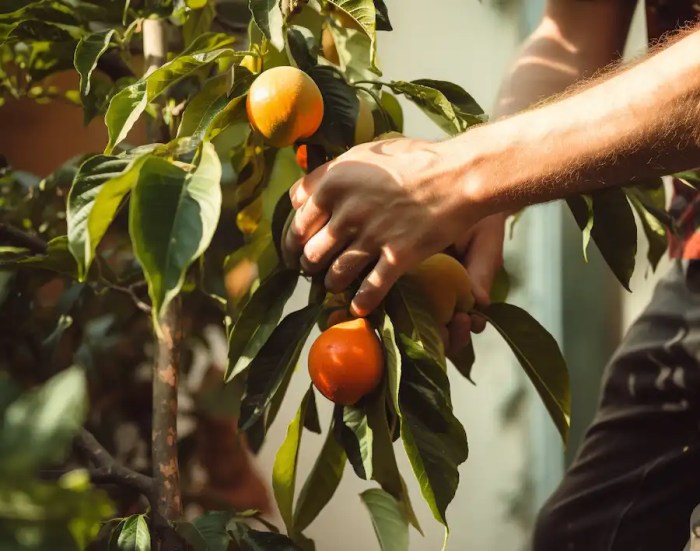
Pruning fruit trees is a crucial aspect of maintaining healthy and productive plants. Proper timing and technique ensure optimal growth and fruit production. The right approach varies depending on the type of fruit tree and the desired outcome. This section dives deep into the optimal times for pruning and effective pruning methods for various fruit tree species.Effective pruning is not just about cutting branches; it’s about understanding the tree’s natural growth patterns and responding accordingly.
This knowledge allows you to shape the tree for maximum fruit production and minimize disease risk.
Best Time of Year to Prune Different Fruit Trees
Timing is critical for pruning fruit trees. Pruning at the wrong time can stress the tree, leading to reduced growth and fruit production. The ideal time depends on the tree’s species and the type of pruning being performed. Generally, dormant pruning, when the tree is not actively growing, is preferred for most fruit trees.
- Deciduous Fruit Trees (e.g., apples, pears, plums): Dormant pruning, typically during late winter or early spring, is the preferred method for most deciduous fruit trees. This allows the tree to heal and initiate new growth before the active growing season. Avoid pruning during periods of freezing temperatures.
- Citrus Trees: Citrus trees can be pruned throughout the year, but late winter or early spring is generally considered the best time. This allows the tree to recover from the pruning and initiate new growth before the hot summer months. Avoid pruning during periods of heavy rainfall.
- Berry Bushes (e.g., raspberries, blueberries): Berry bushes often require pruning to maintain their shape and productivity. Prune them after the harvest season, or during dormancy for best results. This helps remove dead or damaged canes and promote new growth.
Effects of Pruning at Different Times of the Year
Pruning during different times of the year can significantly impact the tree’s health and growth.
- Dormant Pruning (Winter): This is the most common and generally recommended time. The tree is not actively growing, so the wound healing process is more efficient, and the tree is less susceptible to diseases. Reduced risk of pests and diseases during dormant pruning is also a notable advantage.
- Summer Pruning: Summer pruning is less common and should be performed only for specific reasons. It’s crucial to minimize the amount of cuts made during this time and make sure the pruning is well-justified.
Different Pruning Methods for Various Fruit Tree Types
Various pruning methods are used to shape and maintain the tree’s structure. The appropriate method depends on the type of tree and the desired outcome.
- Heading Back: This method involves shortening a branch to encourage new growth from the remaining portion. This is useful for controlling the tree’s height and shape.
- Thinning: Thinning involves removing entire branches from the tree. This is beneficial for improving light penetration and airflow within the canopy.
- Renewal Pruning: This method involves removing older, unproductive branches and stimulating new growth. It’s crucial for older trees that have lost their vigor.
Best Pruning Methods for Shaping and Maintaining the Tree’s Structure
Specific methods are needed for maintaining the tree’s structure. These methods help shape the tree, promote fruiting, and prevent structural issues.
- Heading back: Shortening branches to maintain a balanced structure and encourage growth. Suitable for controlling height and shape.
- Thinning: Removing entire branches to improve light penetration and airflow within the canopy. Essential for improving overall tree health.
- Renewal pruning: Removing older, unproductive branches to stimulate new growth. Beneficial for older, less vigorous trees.
Removing Dead, Diseased, or Damaged Branches
Regular inspections are essential for identifying and removing dead, diseased, or damaged branches. Prompt removal prevents the spread of disease and maintains the tree’s structural integrity.
- Procedure: Cut the branch at the point where it joins the healthy part of the tree, ensuring a clean cut. Dispose of the removed branches properly to avoid spreading disease.
Pruning Methods and Their Applications
The table below Artikels the different pruning methods and their respective applications.
| Method | Description | Applications |
|---|---|---|
| Heading back | Shortening a branch to stimulate new growth. | Controlling tree height and shape, encouraging new fruiting wood. |
| Thinning | Removing entire branches to improve light penetration and airflow. | Improving tree structure, reducing overcrowding, promoting fruit production. |
| Renewal Pruning | Removing older, unproductive branches to encourage new growth. | Maintaining vigor in older trees, promoting fruit production. |
Pruning Techniques for Specific Fruit Trees
Pruning fruit trees is a crucial aspect of maintaining healthy and productive plants. Proper pruning techniques, tailored to the specific needs of each fruit variety, promotes optimal growth, fruit production, and overall tree health. By understanding the unique characteristics of apple, peach, cherry, and other fruit trees, gardeners can effectively shape their trees and maximize their yield.
Pruning Techniques for Apple Trees
Apple trees, known for their delicious fruit, benefit from a balanced pruning approach. The goal is to maintain a healthy structure, allowing sunlight and air to circulate throughout the canopy, reducing disease risk and improving fruit quality. This is achieved by removing dead, damaged, or diseased branches, as well as crossing or rubbing branches that can cause damage.
- Initial Shaping (Young Trees): Focus on establishing a strong central leader and developing a balanced framework of scaffold branches. Remove any competing leaders or branches growing inwards towards the center of the tree. Maintain a good spread to allow for maximum sunlight penetration.
- Maintenance Pruning (Mature Trees): Remove any branches that are rubbing or crossing, as well as any that are growing inward towards the center of the tree. This will ensure proper air circulation and sunlight access. Prune any dead, damaged, or diseased branches immediately. Shorten any vigorous or overly long branches to encourage fruiting.
Pruning Techniques for Peach Trees
Peach trees, prized for their sweet and juicy fruit, respond well to pruning that encourages fruiting spurs and a productive structure. Unlike apples, peaches often produce fruit on one-year-old wood. Pruning techniques should focus on maintaining a balanced canopy while promoting fruiting branches.
- Young Trees: Allow for the development of a strong central leader and several well-spaced scaffold branches. Focus on creating a balanced framework. Remove any branches that are growing inward, crossing, or rubbing.
- Mature Trees: Remove any dead, diseased, or damaged branches. Focus on thinning out the interior of the tree to improve light penetration. Shorten the previous year’s growth to encourage the development of fruiting spurs. This will improve fruit production and overall tree health.
Pruning Techniques for Cherry Trees
Cherry trees, known for their delicate blossoms and sweet fruit, require careful pruning to promote healthy growth and fruit production. Cherry trees typically produce fruit on one-year-old wood.
Pruning fruit trees is all about shaping them for optimal growth and yield. Think of it as a little bit of architectural design, but for nature. While some people might argue that certain front porch features are, shall we say, less than aesthetically pleasing, like some of the features mentioned in this article about designers say these front porch features are eyesores , proper pruning can really enhance the visual appeal of your fruit trees.
Knowing how to prune them properly ensures a healthy and beautiful harvest. The right techniques can turn an unruly tree into a productive and attractive addition to your landscape.
- Young Trees: Encourage the development of a strong central leader and several well-spaced scaffold branches. Ensure a balanced framework.
- Mature Trees: Remove any dead, diseased, or damaged branches. Prune branches that are growing inward, crossing, or rubbing. Shorten the previous year’s growth to promote fruiting spur development.
Pruning Techniques for Other Common Fruit Trees
Many other fruit trees, such as plums, nectarines, and apricots, require similar pruning techniques as peaches and cherries. The general principles of removing dead, diseased, or damaged wood, encouraging a balanced framework, and promoting fruiting spurs remain important.
Wound Care After Pruning
Proper wound care after pruning is essential to prevent diseases and promote healing. Clean the pruning cuts with a sharp blade to ensure a clean, smooth surface. Apply a suitable wound dressing, such as a pruning paint or sealant, to protect the exposed wood and prevent infection.
Maintaining Tree Health After Pruning
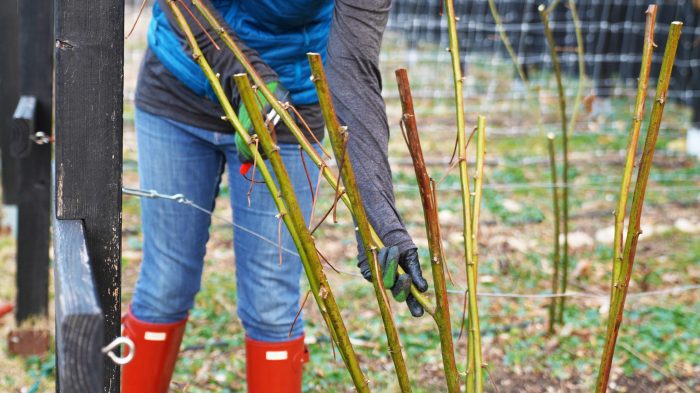
Pruning fruit trees is a crucial aspect of their overall health and productivity. However, the process isn’t complete when the cuts are made. Proper post-pruning care is essential to minimize stress on the tree, preventing disease and pests, and ensuring a successful recovery. This phase is as vital as the initial pruning itself.A well-maintained tree will show resilience against environmental challenges and pests, ensuring years of healthy growth and bountiful harvests.
Wound Care and Sealing, How to prune fruit trees
Proper wound care is paramount to preventing infection and promoting healing. Exposed wood surfaces are vulnerable to diseases and pests. The goal is to create a barrier against pathogens and encourage the tree’s natural healing process. This involves thoroughly cleaning the pruning cuts with a disinfectant like rubbing alcohol or a horticultural spray. A quality sealant, specifically designed for pruning wounds, should be applied to the cut surfaces.
This protects the tree from moisture and disease. The sealant should be applied evenly, covering the entire cut area. This protective barrier prevents pathogens from entering and allows the tree to heal efficiently.
Pruning fruit trees is all about shaping them for optimal growth and yield. Knowing the right techniques is key, but understanding window dimensions can also play a role in how much sunlight your fruit trees receive. For instance, if you’re unsure about the standard window sizes for your home, this guide can help you figure out the best light exposure for your fruit trees: what are standard window sizes.
Ultimately, the right pruning techniques will ensure healthy growth and bountiful harvests.
Preventing Diseases and Pests
Maintaining tree health after pruning includes proactive measures to prevent diseases and pests. Regular inspections are key. Look for signs of pest infestations, such as holes, droppings, or webbing. Identifying pests early can allow for timely intervention. Proper sanitation practices, such as removing fallen leaves and debris from around the base of the tree, can help reduce the spread of fungal diseases.
Furthermore, ensuring adequate watering, especially during dry spells, strengthens the tree’s defenses. This will help the tree fight off potential pathogens.
Monitoring for Signs of Infection
Monitoring for signs of infection is critical. Regular checks for wilting, discoloration, or unusual growth patterns are crucial. Unusual symptoms could indicate disease or pest issues. This vigilance enables early intervention, potentially preventing significant damage to the tree. For example, noticing a cluster of cankers (dead areas on the bark) early allows for targeted treatment, avoiding the spread of the disease to other parts of the tree.
Prompt action based on observations is vital.
Pruning and Overall Tree Health
Pruning is a vital part of maintaining overall tree health. By removing dead, diseased, or damaged branches, you enhance airflow, sunlight penetration, and overall tree vigor. This allows for a more robust immune system against pathogens. Conversely, excessive or improper pruning can lead to stress, making the tree vulnerable to pests and diseases. Balancing pruning needs with the tree’s overall health is crucial.
Consider the tree’s size, species, and health condition when deciding what and how much to prune.
Potential Problems and Solutions After Pruning
| Problem | Possible Cause | Solution |
|---|---|---|
| Disease | Infected pruning tools, entry of pathogens through open wounds, improper sanitation | Disinfect pruning tools thoroughly between cuts, use a wound sealant, remove and destroy infected branches, ensure proper sanitation around the tree. |
| Pest infestation | Weak tree, presence of pest attractants, lack of monitoring | Monitor regularly for signs of infestation, ensure proper tree care to strengthen its defense mechanisms, remove any potential attractants, use appropriate pest control methods. |
| Slow healing/Wound Opening | Improper wound sealing, inadequate watering, or presence of pathogens | Apply wound sealant thoroughly, ensure consistent watering, and address any visible pathogens. |
Advanced Pruning Techniques
Beyond the basics of shaping and maintaining fruit trees, advanced pruning techniques offer a more proactive approach to fruit tree health and yield. These techniques often involve more significant interventions, aiming to rejuvenate older trees, correct structural issues, or stimulate specific fruiting patterns. Understanding when and how to apply these techniques is crucial for long-term tree success.
Rejuvenation Pruning
Rejuvenation pruning is a vital technique for older fruit trees that have lost vigor or productivity. It involves a more aggressive approach than standard pruning, targeting the removal of older, less productive wood and encouraging new growth. This technique can be necessary when trees have become overgrown, weak, or are bearing fewer fruits than they once did. Successful rejuvenation usually results in renewed vitality, leading to more abundant harvests in the future.
Situations Requiring Advanced Techniques
Advanced techniques, such as rejuvenation pruning, are typically necessary when:
- A tree has lost its vigor and is no longer producing at its optimal level.
- The tree structure has become unstable due to age or disease.
- The tree has a significant amount of dead or diseased wood, requiring substantial removal.
- The tree’s canopy is overgrown and dense, blocking sunlight and hindering air circulation.
Comparison with Basic Pruning Methods
Basic pruning focuses on maintaining the tree’s shape and removing dead or damaged branches. Rejuvenation pruning, in contrast, aims to fundamentally alter the tree’s structure and stimulate new growth. While basic pruning is a regular maintenance practice, rejuvenation pruning is often a more significant intervention reserved for trees exhibiting declining health or performance.
Examples of Improved Fruit Production
Rejuvenation pruning can dramatically improve fruit production by:
- Removing unproductive wood, allowing sunlight and air to reach the remaining branches, encouraging fruiting.
- Stimulating new growth that is more productive and vigorous.
- Improving the tree’s overall health and resilience to disease and pests.
- Creating a more open canopy, enabling better fruit development and reducing the risk of fungal diseases.
Rejuvenation Pruning Step-by-Step Guide
Rejuvenation pruning is a process that requires careful planning and execution. The following steps Artikel a method for rejuvenation pruning:
- Assessment: Thoroughly examine the tree, noting its overall health, the presence of dead or diseased wood, and the structure of the canopy. Identify branches that need to be removed.
- Safety First: Use appropriate pruning tools and wear protective gear, such as gloves and safety glasses.
- Selective Removal: Begin by removing dead, diseased, or crossing branches. Focus on branches that are obstructing light and air circulation. Consider the tree’s overall structure and aim for a balanced shape.
- Cutting Techniques: Employ proper pruning techniques to avoid damaging the tree’s health. Make clean cuts at the branch collar, the point where the branch meets the main stem or larger branch.
- Spacing and Structure: Ensure sufficient spacing between branches to promote healthy air circulation. Aim for a balanced structure that promotes light penetration and airflow.
- Follow-up Care: After pruning, monitor the tree for signs of stress or disease. Provide appropriate support if needed.
Wrap-Up: How To Prune Fruit Trees
In conclusion, mastering how to prune fruit trees is an investment in the long-term health and productivity of your fruit trees. By understanding the principles, selecting the right tools, and following the appropriate techniques, you can ensure your trees thrive and reward you with bountiful harvests. Remember to prioritize proper wound care and monitor your trees for any signs of infection after pruning.
Armed with this knowledge, you can confidently approach each pruning session, knowing you’re taking the best possible steps to maintain a healthy and productive fruit tree.