


How to propagate money tree? This guide dives deep into the fascinating world of multiplying your lucky money tree. Whether you’re a seasoned plant enthusiast or a curious beginner, this comprehensive approach will walk you through the entire process, from initial cuttings to post-propagation care. We’ll explore various methods, essential tools, and common mistakes to ensure your success.
From understanding the different propagation techniques, such as stem cuttings and leaf cuttings, to mastering the environmental conditions for optimal rooting, this guide provides a detailed roadmap. We’ll also discuss crucial aspects like the right soil mix, potential issues, and troubleshooting solutions. Prepare to cultivate your own money tree army!
Introduction to Money Tree Propagation
The money tree, scientifically known asPachira aquatica*, is a popular houseplant admired for its unique, cascading stems and lush foliage. Its common name evokes a sense of prosperity and good fortune, making it a desirable addition to many homes. Propagating a money tree allows you to expand your collection or share this good luck plant with friends and family, creating a beautiful and meaningful gift.Propagating money trees offers a rewarding experience.
By understanding the various methods and diligently following the steps, you can successfully grow new money trees from existing ones. This guide provides a comprehensive overview of the process, ensuring you have the knowledge and tools necessary for a successful propagation journey.
Money Tree Propagation Methods
Several methods exist for propagating money trees, each with its own advantages and considerations. The most common methods include stem cuttings and seed propagation.
Stem Cutting Propagation
Stem cuttings are a popular and effective method for propagating money trees. This method involves taking a healthy stem section from a mature plant and encouraging it to root and develop into a new plant. This method is generally faster and more reliable than seed propagation.
- Materials Needed: Sharp knife or pruning shears, rooting hormone (optional but recommended), small pots, potting mix, water (for the initial rooting stages). A sharp tool is essential for cleanly cutting the stem, reducing the risk of introducing disease. Rooting hormone can aid in faster root development, though not always necessary.
- Steps: Select a healthy stem section from the mother plant, ensuring it is at least 4-6 inches long. Cut the stem diagonally to maximize the surface area for root development. Remove the lower leaves to prevent rot in the soil. Dip the cut end in rooting hormone if using. Place the cutting in a pot filled with a well-draining potting mix.
Maintain consistently moist soil and keep the cutting in a warm, humid environment. Gradually increase sunlight as the roots develop. Monitor the plant for signs of new growth.
Seed Propagation
Seed propagation, though potentially more challenging, offers a unique way to propagate money trees. This method involves starting from the seeds produced by the plant.
- Materials Needed: Money tree seeds, small pots, seed starting mix, water, clear plastic wrap or humidity dome, a sunny location. A seed starting mix is lighter and more porous than standard potting mix, ideal for encouraging seed germination. Using clear plastic wrap or a humidity dome creates a humid environment to mimic the conditions of the seed’s natural environment.
- Steps: Soak the seeds in water for a few hours to soften them before planting. Plant the seeds in a seed starting mix, ensuring they are shallowly covered. Maintain consistent moisture and warmth for optimal germination. Place the pot in a sunny location. Germination time can vary, and patience is key.
Once seedlings emerge, gradually introduce them to brighter conditions.
Common Mistakes to Avoid
Several common mistakes can hinder the success of money tree propagation. By being aware of these pitfalls, you can significantly increase your chances of success.
- Using Dull Tools: A dull knife or pruning shears can damage the stem, increasing the risk of infection and hindering root development.
- Improper Watering: Overwatering can lead to root rot, while underwatering can hinder root growth. Maintaining consistent moisture is crucial.
- Insufficient Light: Money trees need adequate sunlight to thrive. Insufficient light can stunt growth and affect overall health.
- Inadequate Soil Drainage: Using a potting mix that doesn’t drain well can lead to waterlogging, causing root rot and harming the plant.
- Not Providing Humidity: Especially during the initial stages of propagation, maintaining a humid environment can support healthy root development. This is especially important for seed propagation.
Cutting and Rooting Methods
Propagating a money tree through stem cuttings is a rewarding process that allows you to expand your collection or share this beautiful plant with friends. The success of this method hinges on proper technique, ensuring you select the right cutting and provide optimal conditions for rooting. This guide provides detailed steps for taking stem cuttings, preparing them for rooting, and the various methods for achieving successful propagation.The key to successful money tree propagation is careful attention to detail throughout the process.
Properly prepared cuttings and the right environment greatly increase your chances of success. This section will cover essential techniques for taking stem cuttings, preparing them for rooting, and the methods of rooting using water or soil, along with a comparison of their effectiveness.
Taking Stem Cuttings, How to propagate money tree
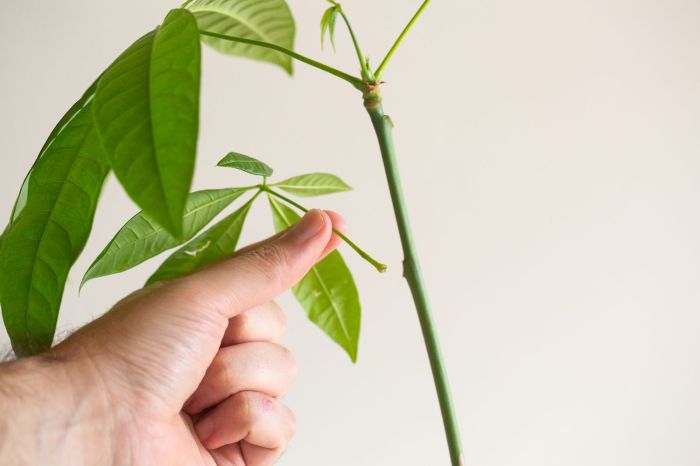
Taking stem cuttings is the initial step in propagating your money tree. Select a healthy, vigorous stem that is at least 4-6 inches long. Avoid stems that show signs of disease or damage. Use a sharp, clean knife or pruning shears to make a clean cut just below a node (the point where leaves emerge from the stem).
This ensures the cutting has adequate nodes for root development. A clean cut prevents the entry of pathogens, crucial for healthy rooting.
Preparing the Cutting for Rooting
Proper preparation of the cutting is critical for successful rooting. Remove any leaves from the lower half of the stem to minimize water loss during the rooting process. This area will be submerged in water or soil, so it’s crucial to reduce the leaf surface area to limit water evaporation. This step helps to focus the plant’s energy on root development.
Dipping the cut end in rooting hormone can increase the rate of root formation, although it’s not strictly necessary for propagation.
Rooting in Water
Water propagation is a simple method for rooting money tree cuttings. Fill a clear glass or jar with clean water. Place the prepared cutting into the water, ensuring the cut end is submerged. Change the water every few days to prevent bacterial growth. Place the jar in a warm, bright location but away from direct sunlight.
Root development typically takes several weeks, during which you’ll observe the emergence of small roots. This method allows you to monitor root growth visually.
Rooting in Soil
Alternatively, you can root your cutting in soil. Use a well-draining potting mix. Moisten the mix before planting the cutting. Plant the cutting at a depth of about an inch, ensuring the cut end is below the surface. Cover the pot with a plastic bag or a humidity dome to maintain high humidity.
This helps the cutting establish roots in the soil. Keep the soil consistently moist, but not waterlogged, to encourage root growth.
Comparing Rooting Mediums
While both water and soil methods can be effective, the choice of rooting medium can affect the speed and success rate of propagation. Water propagation is quicker for visual monitoring of root development, but the environment needs careful attention to maintain water quality. Soil propagation is more straightforward in terms of maintenance and can lead to stronger root systems in the long run.
The type of potting mix used in soil propagation can also significantly impact the speed and quality of rooting.
Propagation Steps Using Stem Cuttings
| Step | Description | Materials |
|---|---|---|
| 1 | Select a healthy stem and make a clean cut below a node using sharp pruning shears. | Sharp pruning shears, healthy stem |
| 2 | Remove leaves from the lower half of the stem to reduce water loss. | Knife or pruning shears |
| 3 | Dip the cut end in rooting hormone (optional). | Rooting hormone (optional) |
| 4 | Choose a rooting medium (water or soil). | Clear glass or jar, potting mix |
| 5 | Place the cutting in the chosen medium. | Cutting, chosen medium |
| 6 | Maintain consistent moisture and humidity levels. | Spray bottle (for water propagation), plastic bag or humidity dome (for soil propagation) |
| 7 | Monitor for root development. | Patience |
Leaf Propagation
Propagating a money tree using leaves might seem unconventional, but it’s definitely possible. While stem cuttings are the more common and often faster method, leaf propagation offers a unique avenue, albeit with its own set of challenges. This method relies on the inherent ability of a plant’s leaves to generate new roots and stems. Understanding the process and potential hurdles is key to success.Leaf cuttings, unlike stem cuttings, utilize the leaf’s own capabilities for propagation, often leading to a slower process.
A critical aspect of this method is ensuring proper preparation and environment to maximize the chances of successful rooting. The key differences in the propagation methods lie in the initial material used and the inherent growth mechanisms involved.
Leaf Cutting Process
Leaf propagation involves using a single leaf or a small leaf cluster from the money tree. This contrasts with stem cuttings, which employ a section of the stem. Properly selecting and preparing the leaves is crucial for success. The process often takes longer than stem cuttings, requiring patience and consistent care.
Comparison with Stem Cuttings
A significant difference between stem and leaf cuttings lies in the plant material used. Stem cuttings employ a portion of the stem containing nodes and buds, which naturally contain the necessary hormones and cells for rapid growth and rooting. Leaf cuttings, however, rely solely on the leaf’s ability to stimulate root development. This often translates to a slower, more delicate propagation process.
Step-by-Step Guide for Leaf Propagation
- Select a healthy, vibrant leaf from your money tree. Avoid leaves that show signs of disease or damage.
- Carefully remove the leaf from the stem, ensuring a clean cut with a sharp blade or knife. A clean cut minimizes the risk of infection.
- Prepare a rooting medium. A mix of perlite and peat moss is a common choice. This mixture provides excellent drainage and moisture retention.
- Dip the leaf base in rooting hormone (optional, but highly recommended). Rooting hormones contain compounds that stimulate root development.
- Place the leaf cutting into the prepared rooting medium, ensuring the leaf blade is not submerged. Only the base of the leaf should be in contact with the medium.
- Maintain a humid environment. Place a clear plastic bag over the cutting to create a humid microclimate. This helps retain moisture.
- Provide consistent moisture to the medium. Avoid overwatering, as this can lead to root rot. Mist the medium regularly to maintain the humidity.
- Place the cutting in a location with bright, indirect light. Avoid direct sunlight, which can scorch the leaf.
- Monitor the cutting regularly for signs of root development. Patience is crucial, as the process can take several weeks or even months.
Challenges of Leaf Propagation
Leaf propagation faces unique challenges compared to stem propagation. The leaf’s inherent limited resources for growth and root development are a major factor. The slower pace of growth, and the need for a precise environment, contribute to the higher risk of failure. Factors like maintaining the right humidity level and preventing the leaf from rotting are crucial for success.
Advantages and Disadvantages of Propagation Methods
| Method | Advantages | Disadvantages |
|---|---|---|
| Stem Cuttings | Faster rooting, higher success rate, utilizes the stem’s inherent growth potential. | Requires a healthy stem cutting, potential for stem rot if not handled correctly. |
| Leaf Cuttings | Can be used with leaves that are not readily suitable for stem cuttings, relatively low-cost compared to other methods. | Slower rooting process, higher failure rate compared to stem cuttings, requires more careful environmental control. |
Environmental Considerations
Creating the ideal environment for your money tree cuttings is crucial for successful propagation. Proper temperature, humidity, light, and soil moisture levels, along with adequate air circulation, all play a vital role in the rooting process. Ignoring these factors can lead to setbacks or even the death of your cuttings.The environment you cultivate directly impacts the rooting success of your money tree cuttings.
Optimal conditions mimic the natural growing environment, stimulating the development of strong roots. Understanding these factors is key to achieving healthy, thriving plants from your propagation efforts.
Optimal Temperature and Humidity
Maintaining the right temperature and humidity is vital for successful rooting. A consistently warm environment encourages root development, while adequate humidity prevents the cuttings from drying out.
- Ideal temperature range for propagation is between 70-80°F (21-27°C). Temperatures outside this range can slow down or halt the rooting process. Consider using a propagation dome or a humidity tray to maintain the desired humidity levels. This will provide a stable and consistent microclimate for your cuttings.
- Maintaining a humidity level between 60-80% is highly recommended. A higher humidity level, achieved through a humidity tray or a propagation dome, can help prevent the cuttings from drying out, which is especially important during the initial rooting stages.
Lighting Conditions
Proper lighting encourages healthy growth and prevents leggy growth. The right amount of light ensures photosynthesis, providing energy for root development.
- Indirect, bright, and consistent light is crucial for healthy money tree cuttings. Direct sunlight can scorch the leaves, hindering the propagation process. A location near an east-facing window or under grow lights can provide ideal conditions. The duration of light exposure should be roughly 12-16 hours per day.
- Using grow lights can be beneficial, especially in environments with limited natural light. Grow lights provide the precise spectrum of light needed for optimal growth.
Soil Moisture
Maintaining the right soil moisture is essential for preventing both overwatering and underwatering. Overwatering can lead to root rot, while underwatering can cause the cuttings to dry out and wilt.
- Use a well-draining potting mix. This is essential for avoiding waterlogging and root rot. A good potting mix will allow excess water to drain easily, preventing the roots from sitting in soggy soil.
- Monitor the soil moisture regularly. Stick your finger about an inch into the soil. If it feels dry, it’s time to water. If it feels consistently wet, reduce watering frequency.
-
Avoid letting the soil dry out completely, as this can stress the cuttings and hinder the rooting process. A consistently moist but not soggy environment is optimal.
Air Circulation
Proper air circulation prevents fungal diseases and promotes healthy root growth.
- Ensure good air circulation around the propagation area. Proper air circulation prevents the build-up of moisture, which can create an environment conducive to fungal growth. Avoid placing the propagation area in a completely enclosed space.
- Placing the cuttings in a well-ventilated area or gently misting them with a spray bottle can enhance air circulation.
Potential Problems and Solutions
Several environmental factors can lead to problems during propagation. Identifying and addressing these issues promptly can save your cuttings.
- Root Rot: Overwatering is the primary cause of root rot. If you suspect root rot, immediately reduce watering frequency and ensure proper drainage. Repotting the cutting into fresh, well-draining soil may be necessary.
- Wilting: Inadequate watering or low humidity levels can lead to wilting. Increase watering frequency and humidity levels to alleviate the issue.
- Leggy Growth: Insufficient light can cause leggy growth. Increase the light exposure or move the cuttings to a brighter location. This may involve moving the cuttings closer to a window or using grow lights.
Post-Propagation Care: How To Propagate Money Tree
Congratulations on successfully propagating your money tree! Now that your little cuttings have taken root, nurturing them to healthy, thriving plants is key. This stage requires careful attention to detail and a touch of patience. Proper post-propagation care ensures your new money tree thrives and develops a strong root system, leading to lush growth and a beautiful addition to your home.
Watering Schedule
Consistent moisture is crucial for newly propagated money trees. Overwatering can lead to root rot, while underwatering can stunt growth. Monitor the soil moisture regularly. Stick your finger about an inch into the soil; if it feels dry, it’s time to water. Water thoroughly until water drains from the drainage holes.
Avoid letting the plant sit in waterlogged soil. As the plant grows, increase the frequency of watering, but always allow the top inch of soil to dry out before watering again.
Fertilizing Schedule
A balanced liquid fertilizer, diluted to half strength, can promote healthy growth and development. Apply fertilizer every 2-4 weeks during the growing season (spring and summer). Reduce or stop fertilizing during the dormant period (fall and winter). Over-fertilizing can damage the plant’s roots, so follow the product instructions carefully. Start with a lower dosage and adjust based on your plant’s response.
Potting and Repotting
The initial pot should be chosen carefully, ensuring adequate drainage. A small pot will encourage the plant to develop a strong root system. As the plant grows, repotting becomes necessary. Use a well-draining potting mix that is specifically designed for houseplants. When repotting, gently remove the plant from the old pot, carefully loosen any compacted roots, and place it in a slightly larger pot filled with fresh potting mix.
Be mindful not to damage the delicate roots.
Encouraging Growth and Development
Provide your money tree with adequate sunlight. A bright, indirect light source is ideal. Avoid placing the plant in direct sunlight, which can scorch the leaves. Proper lighting helps the plant produce chlorophyll, essential for photosynthesis and growth. A consistent temperature, between 65-80°F (18-27°C), is also beneficial for optimal growth.
Propagating a money tree is surprisingly easy – just take a cutting from a healthy stem and pop it in some water or soil. But when you’re ready to upgrade your home, choosing kitchen cabinets is a whole different ball game. You need to consider factors like style, budget, and functionality, just like you’d consider the best method for rooting your money tree cutting.
Once you’ve got the right cabinet setup, you’ll be ready to nurture your plants and your home with equal care. For tips on how to choose kitchen cabinets, check out this great resource: how to choose kitchen cabinets. Then, you can get back to focusing on those money tree cuttings!
Monitor for signs of stress, such as yellowing leaves, which could indicate issues with light, water, or nutrients.
Common Problems and Solutions
- Yellowing Leaves: This can be caused by overwatering, underwatering, nutrient deficiencies, or pests. Check the soil moisture, ensure proper watering, and consider fertilizing if needed. Inspect the plant for any pests or diseases.
- Leaf Drop: Sudden leaf drop can be a symptom of environmental stress, such as a change in temperature, light levels, or watering practices. Gradually adjust the plant’s environment to minimize shock.
- Root Rot: Overwatering is the primary cause. Ensure proper drainage, allow the soil to dry out between waterings, and check for any signs of decay in the roots.
- Pests: Mealybugs, aphids, and spider mites can infest money trees. Inspect the plant regularly and treat any infestations promptly with appropriate pest control measures. Using insecticidal soap or neem oil is often effective.
Propagation Mediums

Choosing the right propagation medium is crucial for successful money tree propagation. A suitable medium provides the necessary aeration, drainage, and moisture retention to encourage root development. The selection depends on the propagation method employed, whether stem cuttings or leaf cuttings, and the environment in which the propagation takes place. Proper medium selection and preparation directly impact the success rate of your propagation efforts.
Suitable Soil Mixes for Rooting
A well-draining soil mix is essential for money tree propagation. A balanced mix that provides adequate aeration, moisture retention, and good drainage is ideal. Avoid using soil that is too dense or heavy, as this can hinder root development. The ideal medium will facilitate oxygen flow to the roots, enabling healthy growth.
Propagating a money tree is surprisingly easy! Just take a healthy stem cutting and pop it in water or soil. Similar to how you might overwinter basil, ensuring proper lighting and humidity is key for success. How to overwinter basil provides excellent tips on creating a supportive environment for your plants. Once you’ve got the hang of that, you’ll be a pro at propagating your money tree in no time!
Components of a Suitable Rooting Medium
The perfect rooting medium for money tree cuttings typically combines several key components. Perlite and vermiculite are common additions, providing excellent aeration and drainage. A small amount of peat moss or coco coir can enhance moisture retention without becoming waterlogged. Adding a bit of compost or aged manure introduces essential nutrients that promote healthy root growth. The ratio of these components can vary depending on the propagation method.
Comparison of Propagation Mediums
Different mediums offer varying benefits for rooting. Soil, while providing nutrients and a familiar environment, can sometimes retain too much moisture, potentially leading to root rot. Water propagation, although straightforward, may not provide the same support for root development as soil-based mediums. Perlite and vermiculite offer excellent drainage and aeration, making them a popular choice for cuttings.
A well-balanced mix of these components can be a valuable asset in successful propagation.
Importance of Drainage
Proper drainage is paramount in any propagation medium. Waterlogged conditions can suffocate roots, leading to root rot and eventual failure. Excess water not only deprives the roots of oxygen but also promotes the growth of harmful fungi. A well-draining medium allows for the efficient removal of excess water, ensuring that the roots remain healthy and conducive to propagation.
This crucial aspect directly influences the survival rate of the propagated cuttings.
Propagating a money tree is surprisingly easy! Just take a healthy stem cutting, let it callous over, and plant it in a well-draining pot. This simple process, along with ensuring your watering schedule is consistent, is key to success. However, while you’re nurturing your new money tree, remember to consider the importance of installing faucet aerators; they save water and help prevent mineral deposits that can harm your plants, as well as saving money on your water bill! why you need to install faucet aerators Ultimately, by maintaining a healthy environment for your money tree, you’ll be well on your way to a thriving, beautiful plant!
Recommended Soil Mixes
This table Artikels recommended soil mixes for different propagation methods. The ratios are guidelines, and adjustments may be necessary based on your specific needs and environmental conditions.
| Method | Soil Mix | Ratio |
|---|---|---|
| Stem Cuttings | Perlite, Vermiculite, Peat Moss | 2:2:1 |
| Leaf Cuttings | Perlite, Vermiculite, Coco Coir | 2:2:1 |
Troubleshooting and Common Issues

Propagating a money tree can be a rewarding experience, but it’s essential to understand potential problems and how to address them. This section will cover common issues encountered during propagation, from root rot to pest infestations, and provide solutions to help your new money tree thrive.Troubleshooting during propagation is crucial for success. Identifying and addressing problems early can prevent significant setbacks and ensure healthy growth.
Understanding the potential pitfalls and their solutions will allow you to nurture your propagated plant to a strong and robust specimen.
Root Rot Prevention and Management
Root rot is a significant concern in plant propagation, especially with the delicate roots of a money tree. It often arises from overwatering or inadequate drainage in the propagation medium. Recognizing the signs of root rot is key to effective intervention.
- Signs of root rot include mushy, dark, or discolored roots. Wilting, yellowing leaves, and stunted growth can also be indicators. The plant may appear to be struggling to absorb water, despite frequent watering. The soil might remain consistently wet.
- Prevention is paramount. Using a well-draining propagation medium, like a mix of perlite and peat moss, is crucial. Ensure proper drainage in your propagation containers. Avoid overwatering, allowing the medium to dry out slightly between waterings. Consistent monitoring of soil moisture is vital.
- If root rot is detected, immediately remove the affected plant from the contaminated medium. Carefully trim away any visibly rotten roots. Repot the plant in fresh, sterile propagation medium with excellent drainage. Reduce watering frequency until the plant shows signs of recovery.
Pest and Disease Identification
Various pests and diseases can affect money trees, especially during propagation when plants are more susceptible. Early detection and treatment are key to saving your propagated plant.
- Common pests include aphids, mealybugs, and spider mites. These pests can be identified by the presence of small insects on the leaves or stems, as well as by sticky residue or webbing.
- Treat infestations with insecticidal soap or neem oil, following the product instructions carefully. Regular inspection and prompt action are vital for preventing widespread infestations. Isolate the affected plant to prevent the spread to other plants.
- Fungal infections can manifest as spots, discoloration, or fungal growth on the leaves or stems. Factors such as high humidity and poor air circulation can contribute to fungal issues. Ensure adequate air circulation around the propagated plant. Reduce humidity, and use fungicides as needed. Avoid overhead watering, which can lead to fungal development.
Environmental Considerations and Solutions
Environmental factors significantly impact propagation success. Creating a suitable environment can prevent many common issues.
- Maintaining optimal temperatures and humidity levels is essential for healthy growth. Money trees thrive in moderate temperatures (65-80°F) and relatively high humidity (around 50-60%). Monitoring these factors helps prevent stress and encourages healthy growth.
- Providing adequate light is another crucial element. Money trees require bright, indirect light. Avoid direct sunlight, which can scorch the leaves. Ensure the propagated plant receives the necessary amount of light for optimal development.
- Proper air circulation is important for preventing fungal infections. Ensure the plant is not crowded, allowing adequate space for air to circulate. Good airflow prevents moisture buildup, which can promote fungal growth.
Visual Aids
Bringing your money tree propagation journey to life requires clear visualization of the process. From selecting the right tools to understanding the different growth stages, visuals play a crucial role in achieving successful propagation. This section will break down the key visual elements essential for a successful propagation experience.
Tools and Materials
Visualizing the tools and materials needed for propagation will help you prepare effectively. Having the right tools ensures a clean and efficient process. A sharp, clean knife or pruning shears are essential for taking healthy cuttings. Sterilized rooting hormone, either powdered or gel, can significantly increase the chances of successful rooting. A suitable propagation container, such as small pots or propagation trays, provides the necessary environment for the cuttings to grow.
A transparent container allows you to monitor the rooting process and the health of the cuttings. Additionally, a well-lit area, ideally with indirect sunlight, is necessary for proper growth. Having a humidity tray, or a similar method for maintaining humidity, is a valuable tool for cuttings.
Money Tree Growth Stages
Visualizing the money tree’s growth stages helps anticipate the necessary care and attention at each step. From the initial cutting to the mature plant, each stage has unique requirements. The first stage is the cutting itself. Healthy cuttings typically have firm stems and a vibrant green color. The next stage is rooting, where the cuttings develop new roots.
After successful rooting, the plant enters a growth phase, where it produces new leaves and stems. Proper care during each stage ensures the healthy growth and development of the plant. The final stage involves the established plant, which continues to thrive and develop.
Propagation Techniques
Different propagation techniques have distinct visual representations. The most common method involves stem cuttings. Visualize a healthy stem section of about 4-6 inches being taken with a sharp, clean tool. This section is then dipped in rooting hormone and planted in a suitable propagation medium. Another technique is leaf propagation, where a healthy leaf is carefully detached from the stem.
Visualize the leaf being placed directly in the propagation medium. Properly maintaining humidity and providing adequate light are essential in both techniques for optimal results.
Sanitation and Hygiene
Maintaining sanitation and hygiene is crucial during the propagation process. Visualize a clean workspace and tools, as this is key to avoiding diseases and pests. Ensure all tools are sterilized before and after use. This can be done by dipping them in a bleach solution or using a flame. Visualize clean containers and propagation medium free from pathogens.
The use of sterilized rooting hormone is also vital to preventing diseases. This helps ensure a clean and healthy propagation environment.
Successful Propagation Examples
Visualize a healthy money tree cutting rooted in a propagation medium. Observe the healthy roots emerging from the cutting. Visualize a money tree cutting developing new leaves, showing robust growth. Visualize a fully established money tree with healthy, vibrant leaves. The success of the propagation is clearly demonstrated in these images, showcasing healthy growth.
The healthy leaves and stems showcase the success of the propagation process. A healthy and vibrant plant demonstrates a successful propagation process.
Final Thoughts
Congratulations! You’ve now learned the art of propagating money trees. Armed with the knowledge of various methods, optimal conditions, and potential pitfalls, you’re well-equipped to embark on this rewarding journey. From taking stem cuttings to mastering leaf propagation, this guide has covered it all. Now go forth and multiply your money tree collection, one successful propagation at a time!