



How to organize a room is a crucial skill for anyone seeking a more peaceful and productive living space. This guide delves into the entire process, from initial planning and decluttering strategies to innovative storage solutions and maintaining a clean environment. Whether you’re tackling a small bedroom or a sprawling living room, we’ll explore the essential steps to transform any space into an organized haven.
We’ll cover everything from the psychological benefits of a tidy space to practical tips for maximizing limited space. Get ready to learn effective decluttering methods, discover creative storage solutions, and establish personalized organization systems that work for you. This comprehensive guide will empower you to conquer any room and create the organized space you’ve always dreamed of.
Introduction to Room Organization
A well-organized room is more than just aesthetically pleasing; it significantly impacts our mental well-being and productivity. A clutter-free space fosters a sense of calm and control, reducing stress and anxiety. This sense of order can translate into increased focus and efficiency, making it easier to accomplish tasks and enjoy the space. From bedrooms to offices, the benefits of organization ripple through our daily lives.A clean and organized environment can positively influence our mental state.
Studies have shown that a tidy space can reduce feelings of overwhelm and promote a sense of peace. This positive correlation between order and well-being is crucial for maintaining focus and motivation, particularly in high-stress situations. Furthermore, an organized room allows for better flow and movement, preventing accidents and promoting a more positive experience within that space.
Importance of Room Organization
Effective room organization is crucial for maximizing the functionality and enjoyment of any space. A well-organized room creates a more welcoming and productive atmosphere, which can significantly impact our daily lives. This is true whether we are working, relaxing, or simply spending time in the room.
Types of Rooms Requiring Organization
Various types of rooms benefit from careful organization. Bedrooms, living rooms, and offices all require specific approaches to achieve optimal order. Each room serves a unique purpose, and organization should reflect those needs.
Initial Planning Steps for Room Organization
The initial planning phase is critical for a successful room organization project. This phase involves careful assessment, goal setting, and strategy development. This planning process should consider the specific needs and usage of the room, allowing for a personalized approach.
- Assessment of the Space: Thoroughly evaluate the room’s current condition. Identify areas of clutter, damaged items, or items that are no longer needed. Take note of the space’s dimensions, layout, and available storage solutions. This comprehensive assessment is the foundation for the entire organization process.
- Setting Clear Goals: Define the desired outcome for the room’s organization. Are you aiming for a minimalist aesthetic, improved functionality, or a specific use case? Clear goals will guide your decisions throughout the entire process.
- Developing a Strategy: Create a detailed plan for achieving the desired outcome. This may include decluttering strategies, storage solutions, and aesthetic considerations. Consider the specific needs of the room and its occupants when developing this strategy.
Room Organization Challenges by Room Type
Different rooms present unique organizational challenges. Understanding these challenges allows for a tailored approach to effectively organize each space.
| Room Type | Typical Organization Challenges |
|---|---|
| Bedroom | Limited storage space, accumulating personal items, maintaining a balance between order and personal expression. |
| Living Room | Mixing different activities and furniture styles, managing guest traffic and items, and maintaining a sense of spaciousness and flow. |
| Office | Maintaining a workspace free from distractions, organizing files and documents, and ensuring optimal workflow and productivity. |
Decluttering Strategies
Decluttering is more than just tidying up; it’s a process of releasing what no longer serves you. A well-organized space often reflects a well-organized mind. Effective decluttering strategies not only improve the aesthetic appeal of your room but also contribute to a sense of calm and clarity. This section will delve into various decluttering methods, emphasizing the importance of discarding items and the psychological benefits.Decluttering is a personal journey, and what works for one person might not work for another.
Experiment with different methods to find the strategy that best suits your needs and personality. Understanding the importance of discarding items is crucial; it’s not about getting rid of things, but about letting go of the emotional baggage they may carry. By consciously letting go of items you no longer need or use, you create space for new experiences and opportunities to flourish.
KonMari Method
The KonMari method, popularized by Marie Kondo, emphasizes the importance of keeping only items that spark joy. This method focuses on a specific order for decluttering, categorizing items by category (clothing, books, papers, etc.) rather than by location. This systematic approach helps individuals connect with their belongings on a deeper level, allowing them to make conscious decisions about what to keep and what to let go of.
This method often results in a more minimalist and intentional approach to possessions.
Other Decluttering Methods
Several other methods exist, each with its own unique approach. The “One in, One Out” rule, for instance, encourages conscious acquisition. For every new item brought into the house, one similar item is donated or discarded. This helps prevent accumulating possessions that are no longer needed. Another method involves setting time limits for decluttering specific areas, encouraging a focused and efficient approach.
Step-by-Step Decluttering Guide
This guide provides a structured approach to decluttering a room:
- Choose a Room: Select one room to declutter at a time. Starting with a small space is often easier to manage than a large one.
- Gather Supplies: Collect boxes, bags, and donation bins. Label boxes for different categories of items (donate, trash, keep).
- Empty the Room: Empty all drawers, shelves, and surfaces. This provides a clear view of everything within the space.
- Categorize Items: Group items into categories, such as clothing, books, or papers. This simplifies the decision-making process.
- Assess Each Item: Ask yourself if the item sparks joy, is useful, or is broken. If it does not meet these criteria, discard it or donate it.
- Organize and Store: Arrange the remaining items in a way that is functional and aesthetically pleasing. Utilize storage solutions to keep the space organized.
- Maintain the Space: Develop a routine to maintain the organized space, like regularly reviewing items and decluttering as needed.
Psychological Impact of Decluttering
Decluttering can have a significant positive impact on mental well-being. A cluttered space can lead to feelings of overwhelm and stress, whereas a tidy space can foster a sense of calm and control. The process of decluttering encourages mindfulness, allowing individuals to connect with their possessions and make conscious decisions about what to keep. This process can also help release emotional baggage associated with certain items.
This can contribute to a more positive and productive mindset.
Comparison of Decluttering Methods
| Method | Focus | Process | Potential Benefits |
|---|---|---|---|
| KonMari | Sparking Joy | Category-based, mindful evaluation | Intentional possessions, emotional release |
| One In, One Out | Conscious Acquisition | Discarding items for new ones | Reduced clutter, intentional purchasing |
| Time-Based | Efficiency | Setting limits for decluttering | Focused decluttering, manageable tasks |
Establishing a Decluttering Schedule
A decluttering schedule helps maintain a consistent and organized approach to managing possessions. A regular decluttering schedule, whether weekly or monthly, prevents clutter from accumulating. Scheduling regular decluttering sessions, similar to a regular cleaning schedule, will maintain a clean and organized space. Consistency is key, and establishing a schedule will help to develop the habit.
Storage Solutions
Choosing the right storage solutions is crucial for a well-organized room. It’s not just about putting things away; it’s about maximizing space, keeping items accessible, and maintaining a tidy environment. The right container can make a significant difference in the overall aesthetic and functionality of a room. Effective storage solutions are essential for decluttering and maintaining a streamlined space.
Different Storage Solutions for Various Items
Effective storage requires tailoring solutions to specific items. Clothes, books, and toys demand different approaches. Consider the size, shape, and fragility of the items when selecting containers. For instance, delicate items like glassware or fragile collectibles need specialized protection.
Types of Storage Containers
A variety of storage containers are available, each with unique features. Clear plastic containers are popular for visibility and easy identification. Opaque containers are ideal for concealing items, and fabric bins provide a more stylish storage option. Metal containers, like tins and boxes, are sturdy and offer good protection. The choice depends on the item’s nature and the desired aesthetic.
Consider the durability and materials when choosing.
Maximizing Space with Vertical Storage
Vertical storage is an excellent way to maximize limited space. Shelving units, tall cabinets, and vertical organizers allow for efficient use of wall space. Utilizing wall space vertically is a practical approach to saving space. This solution is particularly helpful in rooms with limited floor area.
Importance of Choosing the Right Storage Solution
Selecting the correct storage solution for each item is vital. A poorly chosen solution can lead to clutter, damage, and reduced accessibility. The right container prevents items from getting lost or damaged, allowing for easy retrieval and maintenance of order. This ensures long-term organization and helps maintain a tidy space.
Table of Storage Solutions and Suitability
| Item | Storage Solution | Suitability |
|---|---|---|
| Clothes | Wardrobe, Drawers, Hanging Organizers | Keeps clothes organized, easy access, protects from dust and wrinkles. |
| Books | Bookshelves, Bookcases, Storage Bins | Provides organized display, protects books from damage, allows easy retrieval. |
| Toys | Toy Bins, Storage Drawers, Shelves | Keeps toys contained, easy access, promotes tidiness, and protects from damage. |
| Kitchen Utensils | Drawer Organizers, Cabinets, Hanging Pots and Pans Rack | Keeps utensils organized, easy access, prevents clutter, and protects from damage. |
| Seasonal Items | Clear Storage Containers, Vacuum Storage Bags, Large Bins | Protects items, maintains organization, allows easy access, and prevents damage. |
Organizing Storage Solutions for Easy Access
Organizing storage solutions for easy access is essential. Group similar items together and label containers clearly. Strategically place items that are frequently used in easily accessible locations. This minimizes searching time and helps maintain a consistent, orderly space. Prioritize frequently used items for easier access.
Organization Systems
Beyond basic decluttering and storage, implementing effective organization systems elevates your room from merely tidy to truly functional. A well-structured system not only keeps things in their place but also streamlines your daily routines, making it easier to find what you need and reducing the time spent searching. This is particularly important for rooms with multiple users or shared spaces.A well-defined organization system is not just about aesthetics; it’s about efficiency and ease of use.
A thoughtfully designed system reduces stress, promotes better time management, and ultimately creates a more enjoyable and productive environment.
Color-Coding
Color-coding is a simple yet powerful visual tool for organization. By assigning specific colors to different categories of items, you can quickly identify and locate them. This system works exceptionally well for items like clothing, stationery, or even toiletries.
- Clothing: Use color-coded hangers for different types of clothing (e.g., red for shirts, blue for pants, green for sweaters). This makes it easier to visually separate clothes and maintain a consistent style.
- Stationery: Color-code folders, notebooks, and pens based on project or subject. For example, use red for writing assignments, blue for research papers, and green for personal notes.
- Craft Supplies: Assign colors to different craft supplies like yarn, beads, or fabric scraps to easily locate the right materials.
Labeling
Labeling is another fundamental visual organization technique. Labels clearly identify the contents of containers, drawers, or shelves. This is especially beneficial for shared spaces or when items are frequently moved.
- Drawers: Label each drawer with its contents (e.g., socks, underwear, jewelry). This is particularly helpful for minimizing confusion and maximizing space.
- Shelves: Label shelves to indicate the type of items stored on them (e.g., books, decorative items, collectibles). This helps in maintaining the order and allows for easy identification.
- Containers: Label containers with their contents (e.g., office supplies, craft supplies, seasonal items). This approach aids in quick and efficient locating of the desired items.
Visual Organization Systems
A visual organization system enhances the effectiveness of any room organization plan. It utilizes visual cues to guide you and others towards efficient storage and retrieval of items.
“Visual cues significantly reduce the time and effort needed to find items, leading to a more streamlined and organized space.”
Implementing a visual system significantly reduces the time needed to locate items. This approach fosters a sense of order and reduces the stress associated with searching for things. It is highly recommended for individuals or families who need to quickly access and retrieve specific items.
Organizing a room can feel overwhelming, but a little strategy goes a long way. One surprisingly effective cleaning hack is using toilet bowl cleaner for other household tasks, like cleaning stubborn grime on grout or even stubborn stains on sinks. Check out this helpful guide on things you can clean with toilet bowl cleaner for some awesome cleaning ideas, and then you’ll be well on your way to a perfectly organized space!
Consistency in Maintaining Organization
Consistency is key to maintaining long-term organization. Establishing a routine for tidying up and returning items to their designated places is crucial.
- Regular Tidying: Schedule short tidying sessions each day or week to maintain the organization. This approach helps in preventing the accumulation of clutter and keeps the space in order.
- Designated Areas: Assign specific areas for items to be stored. This approach minimizes clutter and promotes organization. This minimizes the chances of items getting misplaced.
- Regular Review: Periodically review your organization system to ensure it’s still effective and adjust as needed. This allows for flexibility and adaptability to evolving needs and preferences.
Designing a Personalized System
Creating a personalized organization system involves considering your specific needs and preferences. The process should be tailored to the specific layout of your room and the types of items you frequently use.
Organizing a room can feel overwhelming, but it’s all about finding a system that works for you. A great way to add a touch of greenery and life to your space is to grow schefflera plants inside. Grow schefflera plants inside are surprisingly easy to care for, adding a pop of color and vibrancy. Ultimately, remember to choose storage solutions that complement your style and keep everything tidy for a stress-free space.
- Room Layout: Assess the dimensions and layout of your room to determine the most efficient storage solutions. Consider how the layout impacts the workflow and accessibility of items.
- Frequency of Use: Organize items based on how frequently you use them. High-frequency items should be easily accessible. This approach enhances efficiency.
- Personal Preferences: Incorporate your personal aesthetic preferences to create an aesthetically pleasing and functional system. This ensures the system aligns with your style and personality.
Organizing with Limited Space
Organizing a room with limited space requires creative solutions and strategic planning.
- Vertical Storage: Maximize vertical space by using tall shelves, stackable containers, and wall-mounted organizers. This maximizes space usage and minimizes clutter.
- Multi-functional Furniture: Choose furniture with multiple functions, such as storage ottomans or beds with built-in drawers. This optimizes the utilization of available space.
- Space-Saving Storage Solutions: Utilize space-saving storage solutions like under-bed storage, wall-mounted shelves, and drawer dividers. These solutions are essential for optimizing the use of available space.
Maintaining Organization
Staying organized isn’t a one-time project; it’s an ongoing process. Once you’ve decluttered and established a system, the real work begins in maintaining that order. Consistency and mindful habits are key to preventing clutter from creeping back in and keeping your space feeling calm and efficient.Maintaining a tidy space is more than just aesthetics; it significantly impacts mental clarity and overall well-being.
A well-organized environment fosters a sense of control and reduces stress, allowing you to focus on the things that matter most.
Establishing Routines, How to organize a room
Consistent routines are essential for maintaining organization. Regular habits prevent clutter from accumulating and help establish a sense of normalcy. They are especially important for families, creating predictable environments and shared responsibilities. This predictability also aids in creating a calming environment and contributes to a sense of control over the space.
- Daily routines are crucial for immediate maintenance. Small tasks, such as putting items back in their designated spots after use, can prevent clutter from piling up. This approach involves consistent habits like placing keys on the hook, books back on shelves, and clothes in the hamper after use.
- Weekly routines address larger tasks that require more time. Weekly cleaning routines, like wiping down surfaces or changing bedsheets, help maintain a clean and organized environment. A weekly review of storage areas can also identify any needed adjustments or potential clutter that may have accumulated.
- Monthly routines involve deeper cleaning and organizing tasks. This might include thoroughly cleaning storage units, organizing closets, or decluttering less frequently used areas. Monthly maintenance helps prevent items from accumulating and ensures that your organization system remains effective over time.
Preventing Clutter Accumulation
Clutter is often the result of not having a designated place for items. Implementing a system for returning items to their designated places after use minimizes the chance of clutter accumulating. This approach ensures that items have a specific place to be returned to and reduces the likelihood of them ending up misplaced or forgotten.
- Designated spaces for everything are vital. This helps to ensure that items are always put back in their proper location, preventing clutter from accumulating. For example, designate a specific area for shoes, bags, and coats upon entering the house.
- Regular review of belongings is essential to avoid accumulation. Regularly assess whether you truly need or use an item. If not, consider donating or discarding it to maintain a clutter-free space. This will maintain an organized and efficient space.
- Decluttering as needed, not just during major organizing projects, is important. A small decluttering session, even 15-20 minutes a day, can make a difference in preventing clutter accumulation. This routine is crucial for avoiding an overwhelming amount of items that can quickly lead to clutter.
Assigning a Place for Each Item
A key component of maintaining organization is assigning a specific location for each item. This creates a predictable system that prevents items from ending up in undesirable locations. This structured approach ensures items are consistently returned to their designated spots.
- Visual reminders, such as labels or strategically placed containers, can help maintain a designated space for items. This aids in the quick identification of specific locations for items, promoting consistency in returning them to their proper spots.
- Consistent placement helps establish a routine. Items should be placed in their designated spots every time they are used, regardless of where they might be picked up. This consistency helps to create a predictable and organized environment.
- Regular review of designated spaces ensures that the system remains efficient. Regular reviews can help identify any issues or areas that may need adjustment to maintain the system’s effectiveness.
Family Involvement
Involving family members in maintaining organization is crucial for long-term success. Shared responsibility creates a sense of ownership and encourages everyone to contribute to a clean and organized home. This creates a sense of community and promotes the habit of keeping the space organized.
- Shared responsibility is important. This approach ensures that everyone is accountable for keeping their designated areas clean and organized, creating a sense of shared responsibility.
- Open communication is crucial. This ensures that everyone is on the same page regarding organization rules and expectations. It allows for addressing any concerns or questions promptly and efficiently.
- Age-appropriate tasks are essential. Assign tasks that align with the capabilities and maturity level of each family member. This approach ensures that everyone feels involved and capable of contributing to the organization effort.
Daily, Weekly, and Monthly Routines
| Routine | Daily | Weekly | Monthly |
|---|---|---|---|
| Tasks | Put items back after use, tidy up high-traffic areas | Wipe down surfaces, empty trash, laundry | Deep clean storage units, organize closets, declutter less frequently used areas |
| Frequency | Daily | Weekly | Monthly |
| Purpose | Maintain immediate order | Maintain overall cleanliness | Maintain long-term organization |
Specific Room Organization
Organizing your home can be a daunting task, but breaking it down into manageable rooms and applying specific strategies makes the process significantly less overwhelming. By tailoring your approach to the unique needs and characteristics of each space, you can create functional and aesthetically pleasing areas for living, working, and relaxing. This section will detail effective organization strategies for various rooms, from the bedroom to the kitchen.Effective room organization not only improves the aesthetics of a space but also enhances its functionality.
A well-organized room is conducive to a more productive and relaxed atmosphere. Specific strategies for each room are essential for optimal results, considering the specific items and activities associated with each space.
Bedroom Organization
Bedrooms are personal sanctuaries. Maintaining a well-organized bedroom fosters a sense of calm and tranquility, which can improve sleep quality and overall well-being. A clean and organized bedroom creates a space that promotes relaxation and reduces stress.
- Clothing Storage: Invest in stylish and functional storage solutions like hanging organizers, drawer dividers, and storage bins. Maximize vertical space by using tall wardrobes and shelves. Folding clothes neatly and using vacuum-sealed bags for seasonal items can save significant space. Consider the use of clear containers for easy identification of items. A well-organized closet system simplifies getting dressed and finding clothes.
- Accessory Organization: Designate specific areas for accessories like jewelry, belts, and scarves. Use decorative boxes, trays, or organizers to keep these items neat and easily accessible. A dedicated area for accessories ensures they are not lost in drawers or piled on surfaces.
- Nightstand Organization: Keep nightstands clutter-free by storing only essential items like books, a lamp, and a glass of water. Utilize drawer organizers and containers to keep small items like remotes and charging cables organized.
Living Room Organization
A well-organized living room is essential for creating a welcoming and inviting atmosphere. It’s a space for relaxation, entertaining, and spending quality time with loved ones. Organization enhances the room’s aesthetic appeal and functionality.
- Entertainment Center Organization: Utilize storage solutions like shelves, bins, and drawers to keep remotes, DVDs, and other entertainment items organized. Consider using clear containers for easier identification of items. Proper organization prevents clutter and keeps the entertainment center functional and visually appealing.
- Furniture Arrangement: Strategically arrange furniture to maximize space and facilitate easy movement throughout the room. Consider the flow of traffic and ensure that seating areas are comfortable and conducive to conversation. A well-planned layout enhances the usability of the space.
- Decorative Items Organization: Group similar decorative items together to create visual harmony. Use trays, shelves, or decorative boxes to display collectibles and decorative items. A well-curated display adds aesthetic value and visual interest to the living room.
Office Organization
A well-organized office is crucial for productivity and efficiency. A structured workspace minimizes distractions and allows for focused work. A streamlined workspace fosters a positive and productive work environment.
- Document Organization: Use filing cabinets, folders, and labels to organize documents effectively. Sort documents by type, project, or date. Digital file organization systems are also valuable tools. A well-organized system helps locate specific documents quickly and easily.
- File Organization: Create a system for organizing files by using folders, labels, and color-coding. This helps you locate files efficiently and quickly. An organized filing system is crucial for managing information efficiently.
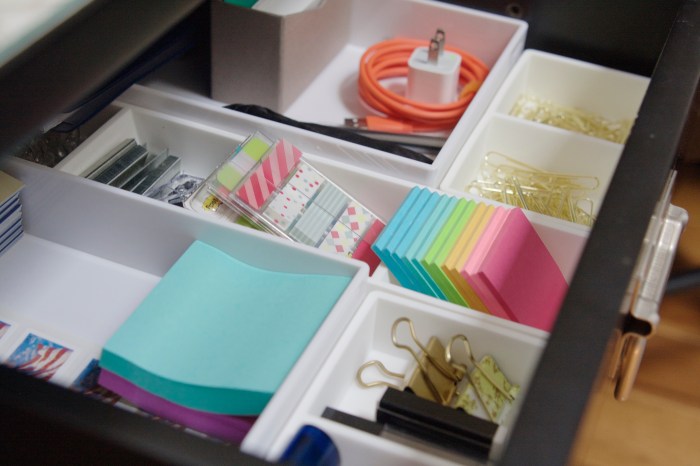
- Supply Organization: Store office supplies in designated areas using containers, bins, and drawers. Organize supplies by type or frequency of use. A well-organized supply area streamlines access and minimizes clutter.
Kitchen Organization
An organized kitchen is essential for efficient meal preparation and a welcoming dining experience. Effective storage solutions are crucial for maintaining a clean and functional kitchen environment. This improves food safety and makes cooking and meal preparation easier.
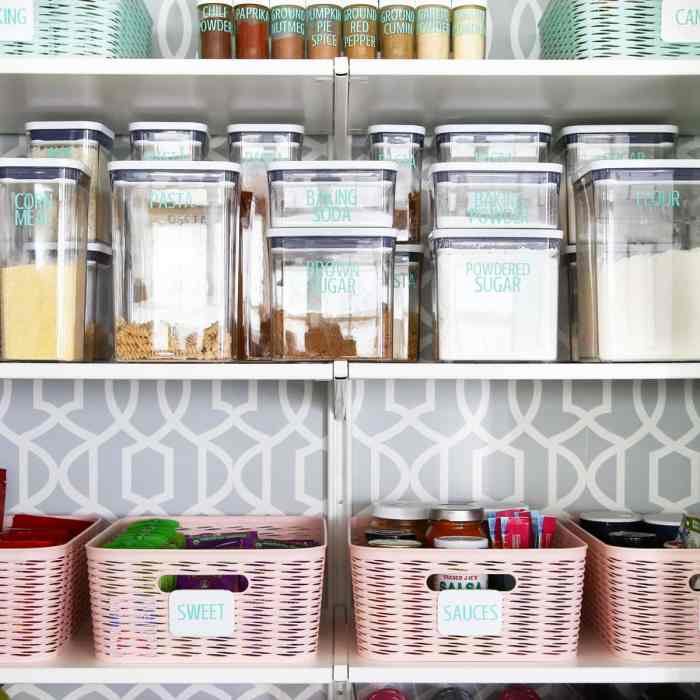
- Food Storage: Store food items in airtight containers to maintain freshness and prevent spills. Use labels to identify the contents and dates. Proper food storage maintains quality and avoids spoilage.
- Pantry Organization: Organize pantry items by type or frequency of use. Use shelves, bins, and drawers to maximize space and keep items accessible. Proper pantry organization keeps items easily accessible and avoids waste.
Home Office Organization
A well-organized home office is essential for maintaining productivity and focus while working from home. Creating a dedicated workspace is vital for maintaining a professional environment. Effective organization minimizes distractions and maximizes productivity.
- Establish a Dedicated Space: Choose a quiet and well-lit area for your home office. This creates a professional workspace and promotes focus.
- Declutter and Organize: Clear the area of unnecessary items. Organize your desk, files, and supplies using designated storage solutions.
- Utilize Storage Solutions: Invest in storage solutions to keep supplies, documents, and other items organized and accessible.
- Maintain a Schedule: Establish a daily or weekly schedule to manage tasks and maintain productivity.
Tools and Resources: How To Organize A Room
Arming yourself with the right tools is crucial for a successful room organization project. From simple containers to sophisticated organizational systems, the right tools make the process smoother and more efficient. Choosing the right tools can significantly impact the overall success and longevity of your organized space. This section delves into the essential tools and resources for maximizing your organization efforts.
Essential Tools for Room Organization
A well-equipped toolkit is fundamental to achieving and maintaining a clutter-free environment. This includes not only physical items but also digital resources and strategies. Effective organization often relies on a combination of tangible and intangible tools.
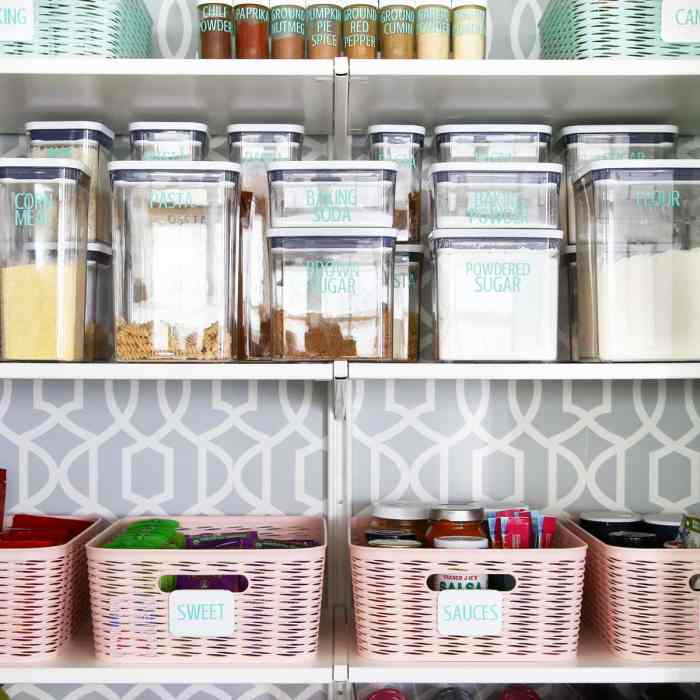
- Containers and Storage Solutions: Choosing the right containers is paramount to successful room organization. Consider the size, shape, and material of containers based on the items you’re storing. Clear containers allow you to see the contents easily, promoting visual organization and quick access. Durable materials, like plastic or sturdy cardboard, ensure the containers can withstand frequent use and protect stored items from damage.
- Organizers: Specialized organizers, like drawer dividers, shelf risers, and closet organizers, are game-changers for specific areas. They maximize space utilization and prevent items from getting jumbled together. Investing in good quality organizers is an investment in the longevity of your organization.
- Labels: Labels are your visual guides for organization. Using labels on containers, drawers, and shelves helps you quickly identify and locate items, preventing misplacement and confusion. Durable labels that can withstand moisture and wear and tear are ideal.
Online Resources for Organization
Online resources offer a wealth of inspiration and practical advice for achieving optimal organization. Many blogs, articles, and videos provide valuable tips and tricks for various rooms. Leveraging these resources can help you discover innovative solutions tailored to your specific needs and preferences.
Decluttering a room can feel overwhelming, but it’s easier than you think! Start by sorting through items, discarding anything you no longer need. A surprisingly effective way to get rid of pesky weeds around your garden is using baking soda as a weed killer. Baking soda weed killer can be a great addition to your gardening toolkit, then, put everything back in a way that makes sense to you, creating zones for different items and ensuring easy access.
This simple approach will transform your space into an organized haven.
- Organization Blogs and Websites: Numerous websites and blogs focus entirely on organization, providing detailed strategies and inspiration for different rooms. These platforms often share real-life stories, step-by-step guides, and expert advice. Look for blogs with a strong focus on sustainable and practical organization.
- Social Media Groups: Joining online communities dedicated to home organization can be beneficial. These groups often feature discussions, tips, and shared experiences that can provide valuable insight and support.
- Organization Apps and Software: Digital tools can assist with inventory tracking, scheduling, and task management. Many apps offer features to create to-do lists, track progress, and monitor the effectiveness of your organizational strategies.
Choosing High-Quality and Durable Tools
Investing in high-quality tools is crucial for the long-term success of your organization efforts. Durable materials and well-designed products not only enhance the visual appeal of your organized space but also contribute to its longevity. Think about how often you’ll use these items and select materials accordingly.
- Durability: Select containers, organizers, and other tools made from materials that can withstand repeated use and potential wear and tear. Consider the weight of the items you’ll be storing and choose accordingly.
- Material: Choose materials that are resistant to moisture, damage, and potential pests. Different materials have varying levels of durability, so it’s essential to assess your needs and choose materials that are appropriate.
- Visual Appeal: Consider the aesthetic appeal of the tools you choose. Well-designed containers and organizers can enhance the overall look of your organized space. If you are someone who values aesthetics, it will impact your satisfaction and motivation.
Tools and Resources for Different Areas of the Home
The following table Artikels some common tools and resources applicable to various areas of the home. These tools should be adapted to the specific needs and characteristics of each area.
| Area | Containers | Organizers | Labels | Online Resources |
|---|---|---|---|---|
| Kitchen | Food storage containers, spice jars, drawer dividers | Pantry organizers, utensil holders, drawer organizers | Spice labels, container labels, recipe labels | Kitchen organization blogs, cooking websites |
| Bathroom | Storage baskets, toiletries organizers, bins | Drawer dividers, shower caddies, over-the-door organizers | Toiletries labels, product labels, cleaning supplies labels | Bathroom organization blogs, home décor sites |
| Closet | Storage bins, garment bags, shoe organizers | Hanger organizers, shelf dividers, closet dividers | Clothing labels, shoe labels, accessory labels | Closet organization guides, fashion blogs |
| Bedroom | Storage boxes, drawer dividers, storage bins | Bedside organizers, drawer organizers, jewelry organizers | Clothing labels, jewelry labels, accessories labels | Bedroom organization tips, interior design blogs |
Creative Organization Ideas
Beyond the basics of decluttering and storage solutions, creative organization breathes life into a space, reflecting your personality and maximizing every inch. It’s about thinking outside the box, finding unique ways to store items, and making your space not just functional but also beautiful. This section delves into innovative strategies to elevate your room organization to the next level.Personalization is key to creating a truly organized and inspiring space.
It’s not just about tidiness; it’s about expressing your style and making the space truly your own. This involves choosing storage solutions that resonate with your aesthetic preferences and using your creativity to adapt existing solutions to fit your needs.
Unconventional Storage Solutions
Customizing existing storage solutions can significantly improve a space. Repurposing old furniture, such as turning an old dresser into a display cabinet or a bookshelf into a wall-mounted organizer, can dramatically change the look and functionality of a room. This is about getting creative with what you already have. For example, repurposing wooden crates can serve as stylish storage for blankets, pillows, or books.
Personalizing Your Room’s Organization
Personalization isn’t just about the storage solutions. It’s about reflecting your personality and interests through your organizational choices. Consider your hobbies and what inspires you. If you love to collect vintage items, organize them in a display case that highlights their beauty. Or, if you are passionate about books, consider using a stylish book trolley to showcase your collection while keeping them readily accessible.
If you love to cook, consider a spice rack that showcases your collection, or a hanging organizer to keep ingredients organized and visible.
Utilizing Wall Space for Storage
Maximizing vertical space is crucial for small rooms or areas where floor space is limited. Wall-mounted shelves, floating shelves, or even pegboards can significantly increase storage capacity. For instance, installing a pegboard in a mudroom allows for quick organization of coats, bags, and keys. Floating shelves can display decorative items or store books, while wall-mounted organizers are ideal for toiletries, craft supplies, or even plants.
Maximizing Space with Creative Solutions
Think beyond the typical furniture layout. Use space-saving furniture, such as ottomans with storage compartments or beds with built-in drawers. Multi-functional furniture pieces are a great way to maximize space while keeping your room organized. For instance, a coffee table with drawers and storage underneath is a practical solution that doesn’t compromise aesthetic appeal. Similarly, a convertible sofa bed can provide additional sleeping space when needed, without sacrificing the living area’s aesthetic.
Adding Aesthetic Appeal to Storage Solutions
Storage solutions shouldn’t just be functional; they should also enhance the room’s aesthetic. Choose storage containers and baskets that complement your existing décor. For instance, using baskets in coordinating colors or patterns can add visual appeal to storage solutions. Consider using decorative labels or stickers to personalize bins and boxes. A simple but effective way is to paint the storage containers a coordinating color to complement the room’s overall design.
This adds a touch of personal style without sacrificing practicality.
Final Conclusion
From decluttering to creative storage, this guide provides a complete roadmap for organizing your room. By following these steps, you’ll not only create a visually appealing and functional space but also cultivate a sense of calm and control in your life. Remember, consistent effort and a personalized approach are key to maintaining your organized haven. So, let’s dive in and unlock the potential of your living space!