


How to make poinsettia bloom again? This guide delves into the secrets of coaxing vibrant poinsettia blooms from your plant. We’ll explore everything from ideal light conditions and temperature control to the perfect watering and fertilization schedule, ensuring your poinsettia thrives and displays its stunning colors year after year. From the initial stages of bud development to the vibrant finale of its display, we’ll guide you through the steps to successful poinsettia blooms.
Discover the crucial role of light, temperature, water, and nutrients in promoting poinsettia blooms. We’ll examine the specific requirements for each stage of growth and address common problems, providing solutions to keep your poinsettia healthy and flourishing. Learn how to maintain the optimal conditions to ensure beautiful blooms each year.
Light Requirements
Poinsettias, with their vibrant displays of color, are beloved for their festive appeal. However, these stunning plants require specific light conditions to thrive and produce those beautiful blooms. Understanding and providing the right light environment is crucial for successful poinsettia cultivation and enjoying their breathtaking displays year after year.Proper light management is essential for healthy poinsettia growth and for the production of their characteristic bracts.
Light dictates the plant’s overall health, influencing its ability to produce chlorophyll for photosynthesis and the development of flower buds. The correct light conditions are paramount to maintaining the plant’s vigor and the beautiful, colorful bracts that make poinsettias so special.
Ideal Light Conditions for Blooming
Poinsettias thrive in bright, indirect light. Direct sunlight can scorch the leaves, hindering growth and reducing the chances of vibrant blooms. The ideal light exposure mimics the conditions found in their natural habitats, allowing the plant to produce its full potential. A balance between light intensity and duration is critical for achieving optimal blooming.
Types of Light Sources and Their Effectiveness
Various light sources can be used to meet the light needs of poinsettias. The effectiveness of each depends on the intensity, duration, and spectral quality of the light.
- Direct Sunlight: While poinsettias can tolerate some direct sunlight, prolonged exposure can lead to leaf burn. The intensity of direct sunlight is often too high for optimal growth. Direct sunlight can be beneficial for a short time during the cooler parts of the day, but prolonged exposure should be avoided.
- Indirect Sunlight: This is the most suitable option for poinsettias. Indirect sunlight provides ample light without the risk of scorching. It allows the plant to photosynthesize effectively and promote healthy growth. Positioning the plant near a window that receives filtered light is ideal.
- Grow Lights: Grow lights offer a controlled and consistent light source, crucial for maintaining a regular blooming cycle. They are particularly helpful during the winter months when natural light is limited. Different types of grow lights have varying spectral outputs, so research the ideal spectrum for poinsettias.
Adjusting Light Exposure for Optimal Blooming
The key to successful poinsettia blooming lies in consistent light exposure. Adjust the plant’s location based on the time of year and the intensity of natural light. During periods of less sunlight, supplementary lighting may be necessary to maintain the required photoperiod. The goal is to mimic the natural light cycle as closely as possible, which will support the plant’s natural blooming rhythm.
Importance of Consistent Light Throughout the Year
Maintaining a consistent light schedule throughout the year is crucial for maintaining blooming in poinsettias. Plants need consistent light exposure to promote regular growth cycles. Fluctuations in light can disrupt the plant’s natural rhythm, leading to reduced blooming or stunted growth.
Table Comparing Light Source Effectiveness
| Light Source | Effectiveness | Pros | Cons |
|---|---|---|---|
| Direct Sunlight | Moderate | Provides energy for photosynthesis | Risk of leaf burn, inconsistent light |
| Indirect Sunlight | High | Safe, promotes healthy growth, mimics natural conditions | May require supplementary lighting in winter |
| Grow Lights | High | Controlled light, consistent exposure, usable in winter | Higher initial cost, potential for heat buildup |
Temperature Considerations
Poinsettias, those vibrant holiday stars, are sensitive to temperature fluctuations. Maintaining the right temperature range is crucial for their successful blooming and overall health. Just as light is vital for photosynthesis, consistent temperature is essential for their growth cycle. Ignoring this can lead to problems such as stunted growth, delayed or absent blooms, and even the eventual demise of your plant.Temperature directly influences the plant’s physiological processes, affecting its ability to produce flowers and maintain its overall well-being.
Different stages of the poinsettia’s life cycle, from bud development to flowering, have specific temperature requirements. Understanding these requirements allows you to provide the best possible environment for your plant to thrive and display its beautiful colors.
Optimal Temperature Ranges for Different Stages
Poinsettias thrive within a specific temperature range, and fluctuations outside this range can negatively impact their flowering process. Maintaining a stable environment is paramount to ensuring a healthy bloom.
| Growth Stage | Optimal Temperature Range (°C) | Potential Problems |
|---|---|---|
| Bud Development | 18-24°C (64-75°F) | Lower temperatures can inhibit bud formation, leading to fewer flowers. Higher temperatures might lead to accelerated growth, sometimes at the expense of flower development. |
| Flowering | 15-21°C (59-70°F) | Temperatures outside this range can cause the poinsettia to drop its blooms. Very high temperatures can also cause leaf drop. |
| Maintenance | 13-18°C (55-64°F) | Slightly lower temperatures are suitable for maintaining the plant’s health during the non-blooming period. However, avoid temperatures consistently below 10°C (50°F) as this can lead to significant damage. |
Maintaining a Stable Temperature Environment
Maintaining a stable temperature environment for your poinsettia is crucial. Fluctuations can significantly impact the plant’s development.
- Using a thermostat: A programmable thermostat can help regulate the temperature of your indoor environment, providing a consistent temperature range for your plant.
- Insulation: Consider using insulation, like blankets or curtains, to maintain the temperature within the desired range, especially during colder months.
- Location selection: Placing the poinsettia in a room that generally maintains a stable temperature is ideal. Avoid locations prone to drastic temperature changes, such as near drafty windows or doors.
- Ventilation: Proper ventilation is important to prevent excessive humidity. Avoid locations that trap heat and moisture, as this can lead to fungal problems. Ensure good air circulation, especially during warmer months.
Avoiding Extreme Temperatures
Both high and low extreme temperatures can severely impact a poinsettia’s ability to bloom.
- High Temperatures: Excessive heat can cause the plant to wilt and stop blooming prematurely. This is often seen in locations exposed to direct sunlight, or near heat vents.
- Low Temperatures: Freezing temperatures can cause significant damage, leading to leaf and stem damage. This can prevent the plant from producing blooms.
Watering and Humidity
Poinsettias, with their vibrant displays, are susceptible to issues if their watering and humidity needs aren’t met. Understanding these factors is crucial for coaxing a beautiful bloom and ensuring your poinsettia’s health. Proper care will contribute to a longer-lasting display of festive color.Watering poinsettias requires a delicate balance. Overwatering can lead to root rot, while underwatering can cause wilting and ultimately affect the plant’s ability to produce flowers.
Knowing when and how much to water is key to success.
Watering Schedule During Blooming Season
Maintaining a consistent watering schedule is essential during the blooming season. The frequency of watering depends on the environment, including the pot size, the soil type, and the surrounding air conditions. A good rule of thumb is to water thoroughly when the top inch of soil feels dry to the touch. This method ensures that the roots receive adequate moisture without being waterlogged.
Determining When to Water
Several methods can help you determine when your poinsettia needs water. The most reliable is the “finger test”. Insert your finger about an inch into the soil. If the soil feels dry, it’s time to water. Another method is to weigh the pot.
A drier pot will be lighter than a pot with moist soil. Consistency in your watering routine is critical.
Effects of Overwatering and Underwater
Overwatering leads to waterlogging, depriving roots of oxygen. This can cause root rot, a serious issue that can quickly damage the plant and prevent it from blooming. Underwatering, on the other hand, leads to wilting and stunted growth. The leaves may droop, and the plant’s overall health will suffer, impacting the potential for a vibrant bloom. Monitoring the soil moisture and adapting the watering schedule based on these factors is key to success.
Ideal Humidity Levels for Poinsettias
Poinsettias thrive in environments with moderate humidity. While they can tolerate a range of humidity levels, the ideal range for optimal growth and bloom is between 50% and 60%. Aiming for this range ensures the plant’s foliage and blooms remain healthy and vibrant.
Importance of Filtered Water
Using filtered water is crucial for poinsettias. Tap water often contains minerals and chlorine that can accumulate in the soil and potentially harm the plant over time. Filtered water ensures the soil remains healthy and the plant can absorb essential nutrients effectively.
Getting those vibrant poinsettias to bloom again can be tricky, but it’s totally doable! Proper care is key, and while you’re working on that, you might also want to consider some top-notch hot tub accessories for your relaxation. Best hot tub accessories can greatly enhance your spa experience, and remember that a relaxing hot tub soak can help you de-stress and prepare for the upcoming blooming season.
So, whether you’re a hot tub enthusiast or just looking for ways to revitalize your poinsettias, these tips will help you on your journey to beautiful blooms!
Maintaining Proper Humidity Levels
Several methods can help maintain the desired humidity level around your poinsettia. Placing the plant on a tray filled with pebbles and water can create a humid microclimate. Regular misting, but not directly on the blooms, can also help raise humidity. Avoid placing the plant near heating vents or in extremely dry areas, as these conditions can dry out the foliage and reduce the plant’s overall health.
Nutrient Requirements
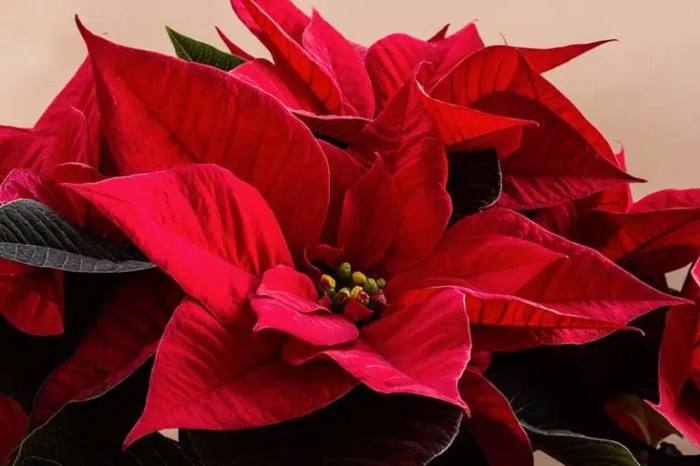
Poinsettias, with their vibrant colors, require specific nutrient support to thrive and produce those stunning displays. Proper fertilization is crucial for healthy growth and the production of abundant blooms. Neglecting these needs can lead to stunted growth, pale foliage, and a disappointing lack of festive blossoms.Understanding poinsettia’s nutritional requirements allows you to provide the best possible care, ensuring a spectacular display each holiday season.
A balanced fertilization schedule, tailored to the plant’s needs, is key to success. This section will delve into the essential nutrients, the importance of a balanced schedule, and the negative consequences of improper fertilization.
Essential Nutrients for Blooming
Poinsettias need a blend of essential nutrients for optimal growth and blooming. These nutrients include nitrogen (N), phosphorus (P), and potassium (K), along with trace elements such as magnesium, iron, and sulfur. Nitrogen is vital for foliage development, phosphorus supports root growth and flower production, and potassium strengthens the plant’s overall health. A proper balance of these elements is paramount.
Importance of a Balanced Fertilizer Schedule
A consistent and balanced fertilizer schedule is crucial for poinsettia health. Applying fertilizer too frequently or in excessive amounts can lead to salt buildup in the soil, potentially harming the roots. Conversely, infrequent or insufficient fertilization can limit the plant’s ability to produce the energy needed for blooming. A well-structured schedule ensures the plant receives the right nutrients at the right time, fostering robust growth and beautiful blooms.
Giving your poinsettia a second act of vibrant blooms is totally achievable! Proper care, including a well-lit spot and the right watering schedule, is key. But remember, avoid storing things like strong-smelling chemicals or items that could potentially damage your poinsettia’s health, such as the things you definitely shouldn’t store in your closet. things not to store in closet.
This will ensure that your poinsettia stays happy and healthy, leading to a beautiful display of color for your next holiday season.
Effects of Improper Fertilization
Improper fertilization can significantly impact a poinsettia’s health and flowering ability. Over-fertilization can cause leaf burn, yellowing, or stunted growth. Under-fertilization, on the other hand, can result in weak stems, pale foliage, and fewer blooms. The balance is critical. A proper schedule will prevent these issues.
Step-by-Step Procedure for Fertilizing Poinsettias, How to make poinsettia bloom again
1. Assess the plant’s needs
Before fertilizing, examine the plant for signs of nutrient deficiency or excess. Look for yellowing leaves, stunted growth, or other signs of stress.
2. Use a balanced fertilizer
Select a balanced liquid fertilizer formulated for flowering plants, ideally with an NPK ratio suitable for poinsettias.
3. Dilute the fertilizer
Follow the manufacturer’s instructions carefully for dilution. Over-concentrated fertilizer can harm the plant.
Getting your poinsettia to bloom again can be tricky, but a few simple steps can help. Proper light and temperature are key, and remembering to prune your plant is crucial. Also, understanding techniques like “Shou Sugi Ban yakisugi,” a Japanese wood-burning method ( what is shou sugi ban yakisugi ) might inspire you to consider some innovative ways to revive your plant’s vibrant color.
Ultimately, consistent care and attention will help your poinsettia bloom beautifully once more.
4. Water thoroughly before fertilizing
Water the plant thoroughly before applying fertilizer. This helps to prevent fertilizer burn by ensuring the soil is already moist.
5. Apply fertilizer to the soil
Apply the diluted fertilizer to the soil around the plant’s base. Avoid getting the solution on the leaves, as it can cause damage.
6. Monitor plant response
Observe the plant’s reaction to the fertilizer. If there are signs of over-fertilization, adjust the application frequency and dosage.
Fertilizer Chart
| Fertilizer Type | Application Frequency | Dosage |
|---|---|---|
| Balanced Liquid Fertilizer (e.g., 20-20-20) | Every 2-3 weeks during active growth | 1/2 teaspoon per gallon of water |
| Slow-Release Granular Fertilizer (e.g., 10-10-10) | Every 6-8 weeks during active growth | 1 tablespoon per square foot of soil |
| Organic Fertilizer (e.g., fish emulsion) | Every 4-6 weeks | Follow manufacturer’s instructions for dilution |
Pruning and Maintenance: How To Make Poinsettia Bloom Again
Keeping your poinsettia looking its best and encouraging repeat blooms requires a thoughtful approach to pruning and maintenance. Proper pruning techniques not only shape the plant’s appearance but also stimulate new growth, leading to a healthier and more vibrant poinsettia. Consistent maintenance ensures the plant thrives, increasing the likelihood of stunning blooms in future seasons.Maintaining a poinsettia’s health and vigor involves more than just watering and light; it demands attention to detail in pruning and regular upkeep.
This careful attention prevents the plant from becoming stressed, which can lead to a decline in its overall health and reduced flowering potential.
Pruning Techniques for New Growth
Pruning a poinsettia involves removing specific parts of the plant to encourage new growth and maintain its shape. This process helps the plant allocate its energy to developing healthy stems and blooms. By carefully trimming back certain stems and leaves, you promote a more compact, fuller plant, which is crucial for maximizing flowering potential.
- Removing Dead or Damaged Parts: Regularly inspect the poinsettia for any dead, dying, or damaged leaves or stems. These should be promptly removed to prevent disease and promote healthy growth. This is a crucial aspect of maintenance, as diseased or damaged areas can easily spread to healthy parts of the plant.
- Light Pruning: Light pruning involves removing just a few inches from the ends of stems to stimulate lateral growth. This technique is effective in maintaining a compact form, and encourages the development of new branches, creating a fuller plant. A good example would be pruning a few inches from the top of the stem to encourage side shoots.
- Hard Pruning: Hard pruning involves cutting back stems significantly, often to the base of the plant. This method is often employed to rejuvenate a poinsettia that is looking tired or has not bloomed well in recent seasons. This type of pruning is usually performed during the plant’s dormant period. Consider a situation where the plant is getting too tall and loses its shape, hard pruning can reshape the plant.
Importance of Proper Maintenance
Maintaining a healthy environment for your poinsettia is crucial for encouraging consistent blooming. This involves more than just pruning; it also encompasses consistent care throughout the growing season. Proper maintenance helps prevent issues like pest infestations, disease, and nutrient deficiencies, which can all negatively impact the plant’s health and flowering capabilities.
- Regular Inspections: Regularly inspect your poinsettia for any signs of pests, diseases, or nutrient deficiencies. Addressing these issues promptly can prevent serious problems from developing. This proactive approach is key to maintaining a healthy plant.
- Cleaning and Sanitizing Tools: Using clean and sanitized pruning tools is vital to prevent the spread of diseases. This is an often overlooked but essential aspect of maintaining healthy plants. Always sterilize your tools after pruning.
- Monitoring Environmental Factors: Continue to monitor the poinsettia’s light, temperature, watering, and humidity requirements. Adjust these factors as needed to ensure optimal growth and flowering. Consistency in these factors is critical to successful poinsettia maintenance.
Troubleshooting Common Issues
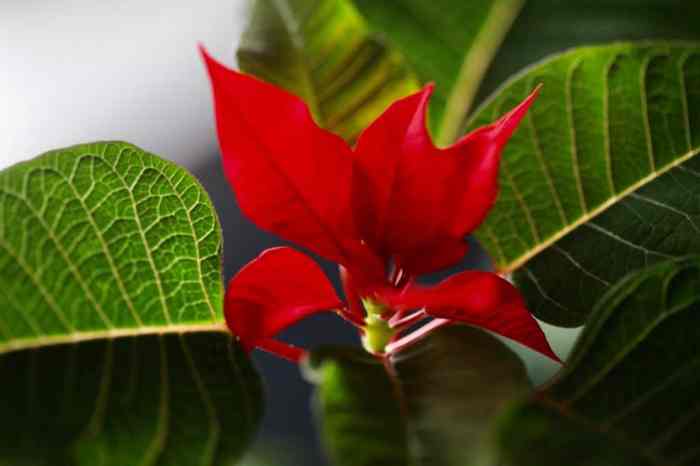
Poinsettias, with their vibrant colors and festive appeal, are a beloved holiday decoration. However, sometimes these beautiful plants struggle to maintain their vibrant blooms. Understanding common issues and their solutions is crucial for ensuring your poinsettia thrives and continues to display its stunning displays year after year. This section will delve into the diagnostic process and remedies for typical problems.Poinsettias are relatively low-maintenance, but like any plant, they can encounter issues.
A keen eye and a little detective work can often pinpoint the root cause, allowing for timely intervention and a happy, healthy poinsettia.
Identifying Problems with Your Poinsettias
Proper diagnosis is key to effective treatment. Carefully observe your plant for signs of distress. Look for wilting leaves, discoloration, pest infestations, or unusual growth patterns. Note any changes in the plant’s appearance compared to its previous state. Environmental factors like temperature fluctuations, inadequate light, or improper watering practices can also contribute to problems.
Documenting observations, including the timing of any changes, can assist in determining the source of the issue.
Common Issues and Solutions
A methodical approach to problem-solving is essential. Addressing potential problems promptly can often prevent them from escalating into larger issues.
- Issue: Drooping or Wilting Leaves
- Solution: This often indicates underwatering or overwatering. Check the soil moisture. If the soil is bone-dry, increase watering frequency. If the soil is consistently soggy, reduce watering and ensure proper drainage. Examine the roots for signs of rot.
If the roots are damaged, repotting in fresh, well-draining soil may be necessary.
- Issue: Leaf Spots or Discoloration
- Solution: Various factors can cause leaf spots or discoloration, including fungal diseases, nutrient deficiencies, or pests. Inspect the plant thoroughly for visible pests. Adjust the watering schedule and ensure proper air circulation to prevent fungal growth. If spots persist despite these changes, consult a local gardening center or agricultural specialist for diagnosis and specific treatment recommendations.
- Issue: Lack of Blooming
- Solution: A poinsettia’s ability to re-bloom is heavily dependent on proper dormancy. After the holiday season, ensure the plant receives adequate light and a cool temperature for a period of several weeks. This will signal the plant to initiate the blooming cycle again. Insufficient light, improper temperature, or nutrient deficiencies can also prevent blooming. Assess the light and temperature conditions and provide appropriate adjustments.
- Issue: Pest Infestation (e.g., aphids, mealybugs)
- Solution: Inspect the plant carefully for signs of pests, such as small insects or sticky residue. Use insecticidal soap or neem oil to treat the infestation, following the product instructions. Isolating the plant from other plants can prevent the spread of pests. Repeated treatments might be necessary for effective control.
- Issue: Yellowing or Browning of Leaves (not related to wilting)
- Solution: Yellowing or browning can indicate nutrient deficiencies or an imbalance. A soil test can help determine the precise nutrients lacking or in excess. Use a balanced, slow-release fertilizer to address these issues. Ensure proper drainage to prevent overwatering and subsequent nutrient runoff.
By diligently addressing these common issues, you can help your poinsettia flourish and enjoy its beauty for many seasons to come. Remember, consistent monitoring and proactive care are essential for successful poinsettia maintenance.
Outcome Summary
In conclusion, nurturing your poinsettia for repeated blooms involves a combination of factors. By understanding and meticulously following the light, temperature, watering, and fertilization requirements, you can cultivate a vibrant and healthy plant that showcases stunning displays year after year. This comprehensive guide provides the necessary knowledge and actionable steps to ensure your poinsettia thrives, offering a beautiful reminder of nature’s artistry.
Armed with this knowledge, you’re well-equipped to make your poinsettia bloom again.