



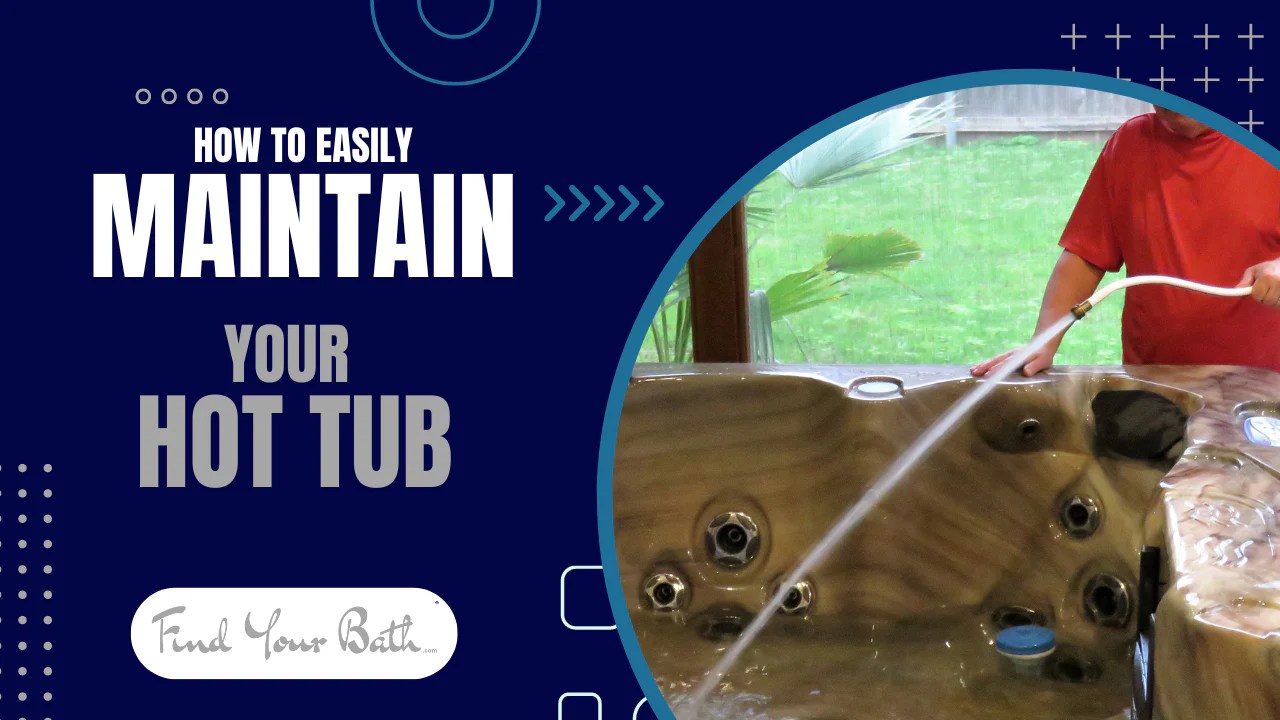
How to maintain your hot tub is a crucial aspect of enjoying its benefits year-round. This guide will walk you through everything from initial setup and water chemistry to cleaning, filter maintenance, equipment inspections, seasonal preparation, and safety considerations. Proper maintenance ensures a clean, safe, and enjoyable hot tub experience for years to come.
From understanding the different types of hot tubs and their specific needs to learning the best ways to manage water chemistry, this guide is designed to empower you with the knowledge and skills necessary to keep your hot tub running smoothly. We’ll cover everything you need to know, from the basics to advanced techniques.
Initial Setup and Preparation
Welcome to the world of blissful hot tub relaxation! Before you can soak in the therapeutic warmth and rejuvenating bubbles, careful initial setup and preparation are essential. This meticulous process ensures optimal performance, longevity, and a safe bathing experience.Proper installation, water chemistry, and meticulous maintenance are paramount for enjoying your hot tub. This guide will walk you through each critical step, from unpacking to achieving the perfect water balance.
Installing a New Hot Tub, How to maintain your hot tub
The installation of a hot tub should be performed by trained professionals. Improper installation can lead to structural damage, leaks, and electrical hazards. Ensure the installation company adheres to local building codes and manufacturer guidelines. Verify that the chosen location has sufficient electrical capacity, proper drainage, and level ground. Following the manufacturer’s instructions meticulously is crucial for a safe and effective setup.
Water Chemistry Testing and Balancing
Maintaining the proper water chemistry in your hot tub is vital for hygiene and the longevity of the equipment. Before filling the hot tub, thoroughly test the water for pH, alkalinity, sanitizer levels (chlorine or bromine), and calcium hardness. These tests are readily available and can be performed using test strips or liquid test kits. The ideal water chemistry parameters will vary depending on the specific hot tub model and local water conditions.
Necessary Tools and Supplies
A well-stocked maintenance kit is essential for a smooth hot tub experience. Basic tools include a water testing kit, a thermometer, a brush for cleaning, and a net for debris removal. A dedicated cleaning solution, appropriate for your hot tub’s materials, is also recommended. Additional tools may be required based on the specific type of hot tub, such as a pump pressure gauge or a water filter cleaning tool.
Types of Hot Tubs and Their Maintenance Needs
Hot tubs come in various shapes, sizes, and materials. Understanding the specifics of your hot tub’s construction is crucial for maintenance. For example, fiberglass hot tubs require different cleaning procedures compared to acrylic or steel models. Acrylic hot tubs are prone to scratching, so gentle cleaning methods are important. Steel hot tubs need regular rust prevention measures.
Research the specific material of your hot tub and follow manufacturer recommendations for optimal care.
Hot Tub Cover Types and Benefits
| Cover Type | Benefits | Drawbacks |
|---|---|---|
| Solid, Insulated Covers | Excellent insulation, minimizes heat loss, extends the life of the hot tub, and enhances safety by preventing debris and unwanted elements from entering. | Can be heavy, and may require additional storage space. |
| Removable Covers | Easy to clean and maintain, allows for easy access to the hot tub, and may offer greater flexibility for use in diverse climates. | May not insulate as effectively as solid covers, potentially leading to faster heat loss, and potentially not as safe from elements. |
| Retractable Covers | Convenience, easy access, and suitable for varied weather conditions. | Might be susceptible to damage from strong winds, may not provide as much insulation as solid covers, and the mechanism may require maintenance. |
A well-chosen cover protects the hot tub from the elements and minimizes energy consumption. The type of cover selected should align with the owner’s needs, budget, and the prevailing climate conditions. For example, a solid cover is ideal for areas with extreme temperature fluctuations, while a retractable cover is convenient for frequent use in moderate climates.
Water Chemistry Management
Maintaining the perfect water chemistry in your hot tub is crucial for its longevity and your comfort. Properly balanced water prevents scaling, corrosion, and the growth of harmful bacteria, ensuring a clean, healthy, and enjoyable bathing experience. Understanding the key parameters and how to adjust them is vital for responsible hot tub ownership.Maintaining the right balance involves regular testing and adjustments to pH, alkalinity, calcium hardness, and sanitizer levels.
Consistency is key. A slightly off-balance can lead to issues over time. A well-maintained hot tub provides a relaxing and safe experience for everyone.
Testing and Maintaining pH Levels
Precise pH control is essential for optimal water quality and sanitizer effectiveness. A balanced pH range prevents corrosion and scaling, prolonging the life of your hot tub’s components. Testing strips or a digital test kit are commonly used for accurate pH measurements. The ideal pH range for hot tub water is typically between 7.2 and 7.8. If the pH is outside this range, appropriate adjustments must be made using pH increasers or decreasers.
Keeping your hot tub pristine is key for years of enjoyment, and a crucial part of that is proper storage. For example, storing certain chemicals and cleaning supplies in sturdy plastic bins, like those detailed in this guide on things you should always store in plastic bins , can prevent spills and keep your supplies organized. This, in turn, makes maintaining your hot tub a breeze, ensuring a relaxing soak for everyone.
Always follow the manufacturer’s instructions carefully.
Adjusting Alkalinity and Calcium Hardness
Maintaining appropriate alkalinity and calcium hardness levels helps prevent scaling and other water quality issues. Alkalinity acts as a buffer, preventing rapid pH fluctuations, while calcium hardness is crucial for preventing corrosion. Testing kits are available for measuring these parameters. Adjustments should be made slowly and in small increments to avoid drastic changes in water chemistry. Use alkalinity increasers or decreasers to adjust alkalinity levels to the optimal range (typically 80-120 ppm).
Similarly, adjust calcium hardness using appropriate increasers or decreasers to maintain the recommended level (typically 180-250 ppm).
Preventing Scaling and Other Water Quality Issues
Scaling, caused by mineral deposits, can clog jets and reduce the efficiency of your hot tub. It can also lead to corrosion of metal components. Preventing scaling requires consistent monitoring and adjustments to water chemistry. Maintaining optimal pH, alkalinity, and calcium hardness levels significantly reduces the risk of scaling. Regular cleaning of the hot tub’s interior and exterior also helps prevent buildup.
Sanitizer Levels (Chlorine, Bromine, etc.)
Sanitizers are essential for preventing the growth of bacteria and other microorganisms in the hot tub water. Maintaining the correct sanitizer levels is critical for a safe and hygienic bathing experience. Chlorine and bromine are the most common sanitizers. Monitoring sanitizer levels is important to ensure effective disinfection. Always follow the manufacturer’s instructions for sanitizer usage and maintenance.
Excessive sanitizer levels can cause skin irritation or other health issues. Low sanitizer levels can lead to bacterial growth and potential health risks.
Common Water Quality Problems and Solutions
| Problem | Possible Cause | Solution |
|---|---|---|
| Cloudy water | Bacterial growth, insufficient sanitization | Shock the water with a recommended sanitizer, filter the water, and monitor sanitizer levels |
| Scaling | Inadequate alkalinity or calcium hardness, improper pH | Adjust alkalinity and calcium hardness levels, maintain the appropriate pH range |
| Corrosion | Inadequate alkalinity or calcium hardness, improper pH | Adjust alkalinity and calcium hardness levels, maintain the appropriate pH range |
| Cloudy water | Dirt, debris | Filter the water |
Performing Regular Water Tests
Regular water testing is essential for maintaining the right balance of water chemistry in your hot tub. This involves using test strips or a digital test kit to measure pH, alkalinity, calcium hardness, and sanitizer levels. A recommended schedule for testing is typically once a week or more frequently, depending on usage. Record your results to identify trends and make necessary adjustments.
Thorough documentation of these tests will allow for proactive maintenance and prevent potential issues.
Cleaning and Sanitization Procedures
Maintaining a clean and sanitized hot tub is crucial for preventing health issues and extending the lifespan of your spa. Regular cleaning and sanitization not only ensures a pleasant bathing experience but also safeguards against the growth of harmful bacteria, algae, and other microorganisms. Proper cleaning and sanitizing procedures are key to maintaining a healthy and enjoyable hot tub environment.Thorough cleaning and sanitization procedures are essential for a safe and enjoyable hot tub experience.
A neglected hot tub can harbor harmful microorganisms, leading to potential health risks and premature equipment failure. The steps detailed below will guide you in maintaining a clean and sanitary environment.
Recommended Cleaning Products and Their Applications
A variety of cleaning products are available for maintaining a clean hot tub. Choosing the right product and applying it correctly is critical for effective cleaning. Common cleaning products include specialized hot tub cleaners, algaecides, and disinfectants.
- Specialized Hot Tub Cleaners: These cleaners are formulated to remove tough stains, dirt, and debris from the hot tub shell, jets, and other components. They typically work best when used according to the manufacturer’s instructions. Example: A granular cleaner, when used correctly, can effectively remove mineral deposits and scale build-up.
- Algaecides: These products are specifically designed to prevent and eliminate algae growth. Algae can rapidly accumulate in hot tubs, affecting water clarity and aesthetics. Regular use of algaecides is essential to maintaining a healthy hot tub environment.
- Disinfectants: Disinfectants, such as chlorine or bromine, are used to sanitize the water and kill bacteria and other microorganisms. The proper concentration of disinfectant is crucial for effective sanitization.
Methods for Cleaning Hot Tub Shell, Jets, and Filters
Effective cleaning methods for various hot tub components are crucial for maintaining a hygienic and attractive spa. Each component requires specific attention to maintain optimal function and appearance.
- Hot Tub Shell: Use a soft-bristled brush and a specialized hot tub cleaner to scrub the shell, paying close attention to hard-to-reach areas. Avoid using abrasive cleaners or scouring pads, as they can damage the shell’s surface. Regular cleaning prevents buildup of dirt and stains.
- Jets: Dislodge any debris or mineral deposits from the jets using a jet cleaner or a soft brush. For stubborn clogs, use a specialized jet cleaning tool. This prevents clogs and ensures proper water circulation.
- Filters: Regular filter cleaning is essential to maintain water clarity and prevent the buildup of debris. Cleaning frequency depends on the type of filter and the amount of use. Follow the manufacturer’s instructions for specific cleaning procedures.
Frequency of Cleaning Different Hot Tub Components
Maintaining a clean hot tub requires a schedule for cleaning various components. Regular cleaning intervals help prevent the buildup of contaminants and ensure optimal performance.
- Hot Tub Shell: Clean the shell at least once a week or more frequently if necessary. The frequency depends on the level of use and the amount of debris accumulating. This prevents unsightly stains and buildup.
- Jets: Clean jets every 1-2 weeks to prevent clogs. More frequent cleaning may be necessary if the jets are heavily used. This ensures proper water circulation and prevents water flow blockages.
- Filters: Clean the filters weekly, or more frequently if needed. Filter maintenance significantly impacts water clarity and hygiene. Following the manufacturer’s recommendations is crucial.
Sanitizing and Disinfecting the Hot Tub
Proper sanitization is crucial for maintaining a safe and healthy hot tub environment. The type of sanitizer used, and its concentration, must be consistent with the water chemistry.
- Sanitization Process: Follow the manufacturer’s instructions for the specific sanitizer used. The ideal concentration should be maintained for optimal disinfection. Monitoring water chemistry is essential.
Hot Tub Cleaning Tools
Using the right tools is essential for efficient and effective hot tub cleaning.
| Tool | Purpose | Illustration |
|---|---|---|
| Soft-bristled brush | Cleaning the hot tub shell and jets | Imagine a small, scrub brush with soft bristles. |
| Jet cleaner | Removing debris and clogs from jets | Picture a small, handheld tool with a nozzle that can be inserted into the jets. |
| Filter cleaning tool | Cleaning and maintaining the hot tub filter | Visualize a tool designed to remove debris and dirt from the filter. |
| Skimmer | Removing surface debris | Imagine a tool with a net or mesh to collect floating debris. |
Filter Maintenance and Replacement
Keeping your hot tub filter clean is crucial for maintaining sparkling water and a long-lasting hot tub. A dirty filter restricts water flow, reduces the effectiveness of sanitizers, and can lead to various water quality issues. Regular maintenance, including cleaning and backwashing, is essential to prevent these problems. Proper filter replacement is also critical for maintaining the structural integrity and longevity of your hot tub system.Proper filter maintenance ensures the consistent performance of your hot tub’s heating and circulation system.
A clean filter allows for efficient water circulation, enabling the sanitizer to work effectively and maintaining a safe and enjoyable bathing experience. Ignoring filter maintenance can lead to significant issues, including higher energy consumption, reduced water quality, and even premature equipment failure.
Cleaning and Backwashing the Hot Tub Filter
Regular cleaning and backwashing are vital for maintaining optimal water quality. The process involves reversing the flow of water through the filter, forcing debris and dirt out. This helps prevent clogging and ensures optimal filtration. Detailed instructions typically come with your specific filter model. These instructions usually Artikel the steps to manually clean the filter and/or use a backwash cycle.
Failing to follow these instructions may result in damage to the filter or other components of your hot tub.
Different Types of Hot Tub Filters and Their Lifespans
Hot tubs use various filter types, each with different characteristics and lifespans. Cartridge filters, for example, are common for their ease of cleaning. They typically last 1-3 years, depending on usage and maintenance. Sand filters, often preferred for their durability and long lifespan, are another option. They typically last 5-10 years, but this varies based on the specific sand used and the frequency of maintenance.
Diatomaceous earth (DE) filters, known for their high filtration efficiency, usually have a lifespan of 2-5 years, although the exact lifespan depends on the quality of the DE and the frequency of backwashing. The lifespan of each type can vary based on factors such as water quality, usage frequency, and the intensity of the cleaning and backwashing process.
Diagnosing Filter Issues
Identifying filter problems is crucial for timely intervention. Reduced water flow is a common sign. If you notice that the water isn’t circulating as quickly as usual, the filter may be clogged. Increased energy consumption can also signal an issue with the filter. The hot tub pump might need to work harder to circulate the water if the filter is restricting the flow.
Checking the filter for visible debris and dirt is an important first step in diagnosing any potential issues.
Importance of Filter Maintenance for Water Quality
A well-maintained filter is essential for maintaining pristine water quality. It removes contaminants, debris, and other particles, ensuring that the water is safe and comfortable for bathing. Dirty filters allow impurities to pass through, impacting the clarity and cleanliness of the water, which can lead to various issues, including health concerns and potential damage to the hot tub itself.
Keeping your hot tub sparkling clean is a breeze with regular maintenance, but sometimes those pesky wall repairs pop up. If you need to patch a wall imperfection, learning how to spackle a wall with easy steps can be a real lifesaver! This guide will walk you through the process, and then you can get back to enjoying your hot tub with a renewed sense of peace and quiet.
Just remember, a well-maintained hot tub is a happy hot tub!
Comparing Filter Types
| Filter Type | Cleaning Method | Lifespan (approx.) | Cost (approx.) |
|---|---|---|---|
| Cartridge | Manual cleaning, backwashing | 1-3 years | $50-$200 |
| Sand | Backwashing | 5-10 years | $100-$300 |
| Diatomaceous Earth (DE) | Backwashing, DE replacement | 2-5 years | $75-$250 |
The table provides a general comparison of filter types. Specific costs can vary based on the brand, size, and retailer. The lifespans are estimates and can vary depending on the conditions and maintenance schedule. Always refer to the manufacturer’s guidelines for specific instructions and recommendations.
Equipment Inspection and Troubleshooting

Maintaining a hot tub requires more than just regular water chemistry checks. A proactive approach to inspecting and troubleshooting equipment is crucial for preventing costly repairs and ensuring years of enjoyable use. Regular maintenance helps to identify potential problems early, minimizing downtime and maximizing the lifespan of your hot tub.A well-maintained hot tub is a happy hot tub.
Preventive measures, such as regular inspections, can significantly reduce the risk of major breakdowns and costly repairs. Knowing how to troubleshoot common issues will save you time and money, allowing you to quickly resolve problems and get back to relaxing in your spa.
Electrical Component Inspection Checklist
Regular checks of electrical components are vital to prevent accidents and ensure safe operation. This checklist will help you identify potential hazards and address them promptly.
- Inspect all electrical cords and connections for damage, fraying, or loose connections. Replace any damaged cords immediately.
- Check the condition of the GFCI (Ground Fault Circuit Interrupter) outlets and ensure they are functioning correctly. Test them regularly.
- Examine the hot tub’s heating element for any signs of damage or discoloration. Be cautious when handling these components.
- Verify the proper grounding of the hot tub system. A grounded system is essential for safety.
- Look for any signs of overheating in the control panel or other electrical components. Overheating can be a sign of a malfunction.
Troubleshooting Common Hot Tub Problems
Identifying and resolving issues promptly can save you a significant amount of trouble.
- Leaks: If you notice water pooling around the hot tub, investigate the source of the leak. Common culprits include damaged seals, hoses, or plumbing connections. Look for signs of cracks in the tub itself, and inspect the hoses and fittings carefully.
- Pump Issues: A malfunctioning pump can be a significant problem. If the pump isn’t circulating water properly, it can lead to uneven heating and potentially damage other components. Check the pump’s motor for unusual sounds or vibrations. Look for any obstructions in the pump’s intake or outlet. Verify that the pump’s impeller is not damaged or worn.
Plumbing Problem Identification and Repair
Proper hot tub plumbing is critical for optimal function.
- Clogged Lines: If water flow is slow or uneven, clogs might be the cause. Use a plumbing snake or other tools to clear blockages. Avoid using harsh chemicals that could damage the tub’s components.
- Loose Connections: Check all plumbing connections for tightness. Any loose connections can lead to leaks. Tighten them as needed.
- Hose Issues: Inspect all hoses for any signs of damage, such as cracks or splits. Replace damaged hoses immediately to prevent leaks and ensure water circulation.
Importance of Regular Inspections
Proactive maintenance reduces the risk of major repairs.
- Early detection of small issues can save you from costly repairs down the line. This can save significant amounts of money compared to repairing a major breakdown.
- Regular inspections can prevent equipment failure, thus reducing downtime and ensuring continuous enjoyment of your hot tub.
Hot Tub Pump Malfunction Troubleshooting Flowchart
This flowchart Artikels the steps to diagnose a hot tub pump malfunction.
Keeping your hot tub sparkling clean is a breeze with regular maintenance, but did you know that knowing when to plant vegetables can actually help with that? For example, if you’re planting a summer garden, you might need to adjust your hot tub cleaning schedule around those tasks. You’ll want to make sure your hot tub is sparkling clean for those warm summer days, just like you’ll want your garden vegetables to be fresh and delicious, so consider checking out this handy guide on when to plant vegetables to plan your gardening and hot tub maintenance around each other.
Ultimately, a well-maintained hot tub is key for a relaxing summer!
| Step | Action | Result |
|---|---|---|
| 1 | Check power supply and circuit breaker | If power is off, turn it on. If breaker tripped, reset. |
| 2 | Listen for unusual noises | Unusual noises (grinding, humming) indicate mechanical issues. |
| 3 | Check water level | Low water level can cause pump issues. |
| 4 | Inspect pump impeller and motor | Damaged impeller or motor may be the source. |
| 5 | Check for obstructions | Obstructions in intake or outlet can impede flow. |
| 6 | Check pump motor temperature | Overheating may signal a malfunction. |
| 7 | Consult a professional | If problem persists, seek professional assistance. |
Seasonal Maintenance and Storage
Preparing your hot tub for the off-season is crucial for maintaining its longevity and preventing damage from harsh weather conditions. Proper winterization protects the plumbing, heating elements, and other components from freezing and cracking, ensuring a longer lifespan for your investment. This detailed guide will walk you through the essential steps for winterizing your hot tub and preparing it for safe storage.
Preparing for Winter Storage
Proper preparation for winter storage is essential for preventing costly repairs and extending the lifespan of your hot tub. This involves a series of steps that protect the components from freezing temperatures and moisture damage. These steps are crucial for maintaining the integrity of your hot tub, saving money on repairs, and ensuring your hot tub is ready for spring use.
Draining the Hot Tub
Draining the hot tub is a critical step in the winterization process. This removes the water, preventing it from expanding and causing damage to the plumbing and other components if it freezes. Proper draining procedures are vital to protect the equipment and ensure a long lifespan for the hot tub.
- Locate the drain plug and ensure it’s accessible. Using a wrench or the appropriate tool, carefully open the drain plug to allow water to drain completely.
- Monitor the draining process to ensure all water is removed from the hot tub.
- Use a shop vacuum or a similar device to remove any remaining water from the tub’s base and plumbing.
Winterizing the Hot Tub
Winterizing involves further steps beyond draining. This includes protecting the hot tub from freezing temperatures and environmental factors. Thorough winterization prevents damage from freezing and moisture. The proper steps ensure that the hot tub is protected from freezing and moisture.
- Apply a specialized winterizing solution to the tub’s interior, ensuring all surfaces are thoroughly coated. This will help prevent moisture buildup and corrosion.
- Cover the hot tub with a heavy-duty cover designed for outdoor use. The cover should be tightly fitted to prevent water from entering.
- Check and ensure all the drain plugs are tightly sealed to prevent water from getting inside.
Protecting from Freezing Temperatures
Protecting your hot tub from freezing temperatures is vital to prevent damage to the plumbing and other components. Freezing temperatures can cause significant damage to a hot tub, including cracking and warping. Thorough protection against freezing is crucial to maintain the integrity of your investment.
- Ensure that the cover is fitted securely to prevent water from entering and causing freezing damage.
- Insulate any exposed areas of the hot tub with blankets or foam insulation. This will help maintain a temperature above freezing.
- If the hot tub is located in an area with consistently freezing temperatures, consider using heating cables or other protective measures to maintain a temperature above freezing.
Importance of Proper Storage
Proper storage of your hot tub extends its lifespan significantly. Proper storage is vital for maintaining the quality and longevity of your hot tub. This reduces the risk of damage from the elements and ensures that your hot tub is ready for spring use.
- Proper storage helps prevent corrosion, cracking, and other damage caused by prolonged exposure to moisture and freezing temperatures.
- Regular maintenance and storage procedures contribute significantly to the longevity of the hot tub.
- Proper storage helps maintain the structural integrity of the hot tub, ensuring a longer lifespan for your investment.
Transporting the Hot Tub
Transporting a hot tub requires careful planning and execution. Proper transportation is essential to avoid damage to the hot tub and prevent accidents. Follow these steps to safely move your hot tub.
- Use a specialized transport trailer or a sturdy flatbed truck that is appropriately sized for the hot tub.
- Ensure the hot tub is securely fastened to the trailer or truck bed to prevent movement during transit.
- Contact professional movers or specialized transport companies for large or heavy hot tubs to avoid potential damage or accidents.
Safety and Health Considerations: How To Maintain Your Hot Tub

Maintaining a safe and enjoyable hot tub experience hinges on prioritizing safety and health. Proper maintenance, along with responsible use, minimizes potential risks and maximizes the benefits of your hot tub investment. Understanding the factors that contribute to a safe hot tub environment is paramount to preventing accidents and ensuring a healthy experience for everyone.Proper water chemistry, temperature control, and hygiene practices are crucial for preventing potential health issues and maintaining a safe hot tub environment.
The right precautions and awareness can ensure a relaxing and enjoyable hot tub experience for everyone.
Hot Tub Safety Guidelines
Understanding and adhering to safety guidelines is essential for a safe hot tub experience. These guidelines are not just recommendations; they are preventative measures to avoid potential hazards.
- Supervision is Key: Never leave children unsupervised in a hot tub, even for short periods. Adult supervision is crucial to ensure safety and prevent accidents. Designate a responsible adult to monitor the hot tub’s use, particularly when children are present.
- Proper Entry and Exit: Ensure the area around the hot tub is free from obstacles to facilitate safe entry and exit. Wet surfaces can be slippery, so caution is needed. Provide handrails or non-slip surfaces near the hot tub to aid safe movement.
- Alcohol and Hot Tubs Don’t Mix: Avoid consuming alcohol before or while using a hot tub. Alcohol impairs judgment and coordination, increasing the risk of accidents. Designate a sober driver if alcohol is consumed.
- Appropriate Clothing: Provide suitable clothing for hot tub use, such as bathing suits or other comfortable and non-slip materials. Proper attire can help prevent falls and injuries.
Water Temperature Management
Maintaining the correct water temperature is critical for both comfort and safety. An excessively high temperature can lead to burns, while a temperature that is too low can cause discomfort and lead to health issues.
- Optimal Temperature Range: The ideal water temperature for a hot tub is typically between 100-104°F (38-40°C). This range promotes relaxation without posing a burn risk. Temperatures exceeding 104°F should be avoided, particularly for prolonged soaks.
- Monitoring Temperature: Regularly monitor the water temperature to ensure it remains within the safe range. Invest in a reliable thermometer for accurate readings.
- Individual Sensitivity: Factors like individual sensitivity to heat and age can influence the ideal temperature. Be mindful of individual needs and adjust the temperature accordingly. Lower temperatures may be preferable for children and those with certain medical conditions.
Health Risks of Improper Maintenance
Improper hot tub maintenance can create a breeding ground for bacteria and other microorganisms, posing significant health risks.
- Waterborne Illnesses: Poor water chemistry can lead to the growth of harmful bacteria, viruses, and parasites. These pathogens can cause various waterborne illnesses, including skin infections, gastrointestinal problems, and respiratory issues. Maintaining proper water chemistry is crucial to prevent these risks.
- Skin Irritation: Chemical imbalances or the buildup of contaminants in the water can cause skin irritation, rashes, or other allergic reactions. This is particularly important for individuals with sensitive skin.
- Eye Irritation: Chemicals or impurities in the water can lead to eye irritation, redness, or even more severe conditions. Maintaining proper water chemistry is essential to prevent eye irritation.
Accident Prevention
Implementing preventive measures is key to minimizing the risk of accidents and injuries associated with hot tub use.
- Clear the Area: Ensure the area around the hot tub is clear of any obstructions that could cause tripping hazards.
- Emergency Plan: Have a plan in place for emergencies, including a means of contacting emergency services or a first aid kit.
- Proper Placement: Choose a location that is accessible and safe for entry and exit, avoiding potential hazards.
Signs of Waterborne Illnesses
Being aware of the signs of waterborne illnesses is crucial for prompt action.
- Symptoms of Waterborne Illness: Signs such as skin rashes, fever, vomiting, diarrhea, or other gastrointestinal problems could indicate a waterborne illness. Seek medical attention immediately if you experience any concerning symptoms after hot tub use.
- Prevention Measures: Maintaining proper water chemistry and following sanitation procedures are essential preventative measures.
- Professional Advice: Consult with a professional if you suspect a waterborne illness or have concerns about water quality. Proper water testing and treatment are critical to preventing these illnesses.
Final Conclusion
Maintaining your hot tub is a rewarding experience, transforming it from a luxury to a well-maintained, long-lasting investment. By following the comprehensive steps Artikeld in this guide, you can ensure your hot tub remains a source of relaxation and enjoyment for years to come. From initial setup to seasonal storage, we’ve covered all the essential aspects of hot tub maintenance, empowering you to take proactive steps to maintain a safe and healthy hot tub environment.