


How to grow chia seeds? This comprehensive guide will walk you through every step, from seed selection to harvesting. Discover the fascinating world of chia seeds, their nutritional power, and the rewarding process of cultivating your own.
We’ll delve into the specifics of choosing quality seeds, preparing them for planting, and understanding the ideal growing conditions for both indoor and outdoor cultivation. You’ll learn about soil preparation, watering techniques, and pest control, ensuring a healthy and bountiful harvest.
Introduction to Chia Seeds
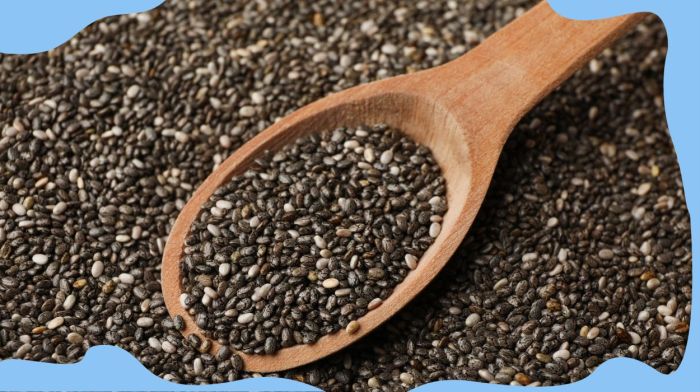
Chia seeds, tiny black or light brown seeds, are gaining popularity for their impressive nutritional profile and versatility. These ancient superfoods are packed with fiber, protein, and healthy fats, making them a valuable addition to a balanced diet. Their unique properties extend beyond culinary uses, offering potential health benefits.Chia seeds are a complete source of dietary fiber, promoting digestive health and satiety, which can be helpful for weight management.
Their high omega-3 fatty acid content contributes to heart health, while their protein content supports muscle growth and repair. The versatility of chia seeds allows for incorporation into various dishes, from smoothies and breakfast cereals to baked goods and puddings.
Nutritional Benefits
Chia seeds boast a remarkable nutritional density. They are a significant source of dietary fiber, essential for digestive health. A notable amount of protein is present, contributing to satiety and muscle function. The presence of omega-3 fatty acids, particularly ALA (alpha-linolenic acid), promotes cardiovascular health. Additionally, chia seeds contain various minerals like calcium, magnesium, and phosphorus, playing important roles in bone health and other bodily functions.
History and Origins
Chia seeds have a rich history, originating in Central America, particularly in the regions of present-day Mexico and Guatemala. These seeds were a staple food for the ancient Mayan and Aztec civilizations, who recognized their nutritional value and incorporated them into their diets for centuries. The Mayans, for example, often used chia as a thickening agent in beverages and as a nutritional supplement.
Their significance in traditional medicine also played a vital role in their cultural importance.
Different Types of Chia Seeds
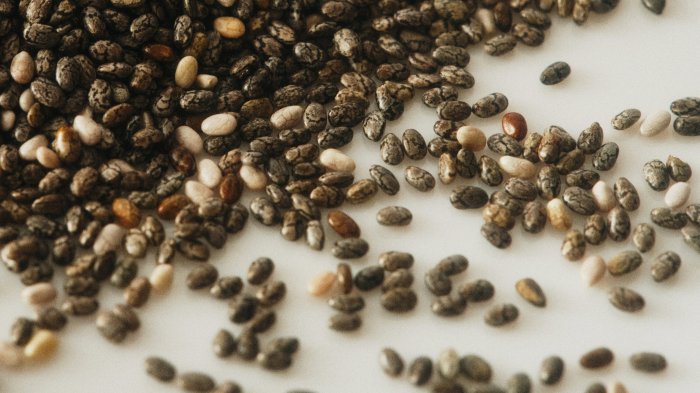
While there are no distinct commercially recognized “types” of chia seeds in the way there are varieties of rice or beans, variations in color and processing methods exist. The most common form encountered is the simple, whole chia seed. The color of the seed, which can vary from black to light brown, primarily depends on the specific variety and the growing conditions.
There are no significant differences in nutritional value among the various shades. The seed’s size and shape are relatively consistent.
Culinary Uses
Chia seeds’ versatility extends beyond simple consumption. They are a popular addition to smoothies, offering a creamy texture and nutritional boost. Their ability to absorb liquid and form a gel-like consistency makes them a key ingredient in puddings and desserts. They can be sprinkled on breakfast cereals, yogurt, or even incorporated into baked goods for a subtle nutty flavor and added fiber.
Seed Selection and Preparation
Chia seeds, a nutritional powerhouse, are readily available in most grocery stores. However, choosing high-quality seeds is crucial for optimal germination and nutritional benefits. Proper preparation methods further enhance the seeds’ potential for use in various culinary and health applications.High-quality chia seeds offer a superior nutritional profile and germination rate compared to lower-quality options. This difference is due to factors like the seed’s origin, processing methods, and storage conditions.
Understanding how to identify quality seeds empowers you to make informed choices.
Identifying Quality Chia Seeds
Quality chia seeds exhibit specific characteristics. Visual inspection plays a significant role in determining seed quality. Look for seeds that are uniformly round or oval-shaped, with a smooth, unbroken surface. Avoid seeds that show signs of damage, discoloration, or unusual shapes. The seeds should have a deep, rich brown color, free from any foreign particles.
The color and shape can provide clues to the seed’s origin and processing.
Seed Preparation for Consumption
Proper preparation of chia seeds before consumption maximizes their nutritional value and prevents potential digestive issues. Washing the seeds is an essential step. Rinse the seeds thoroughly under cool water to remove any dust, debris, or potential contaminants. Soaking chia seeds in water before consumption is a common practice. This allows the seeds to absorb water and expand, which enhances their texture and potential for digestive health.
The soaking process can range from a few minutes to several hours depending on the desired outcome. Thorough rinsing and proper soaking techniques are vital for optimal results.
Comparison of Chia Seed Types (If Applicable)
Unfortunately, there are no widely recognized “types” of chia seeds with distinct characteristics like different varieties of beans. Most chia seeds available in stores are of the same species,
Salvia hispanica*, and their nutritional profiles do not differ significantly based on readily identifiable varieties.
Planting Chia Seeds
Chia seeds, with their remarkable ability to thrive in diverse conditions, are a rewarding crop to cultivate. From the initial planting to the harvest, understanding the nuances of seed starting and growth is crucial for a successful yield. This section delves into the practical aspects of getting your chia seeds off to a good start.Chia seeds, being incredibly adaptable, can be grown in a variety of ways.
Proper understanding of the ideal conditions and methods will ensure a healthy and bountiful harvest.
Ideal Growing Conditions
Chia plants are remarkably resilient and can tolerate a range of conditions. However, optimal conditions contribute significantly to robust growth and higher yields. The key factors are soil type, sunlight, and temperature.Chia seeds thrive in well-drained, sandy, or loamy soils. Heavy clay soils may hinder proper drainage, potentially leading to root rot. The soil should have a neutral pH, ranging from 6.0 to 7.0.
Adequate drainage is paramount for healthy root development. Sunlight is another crucial element for chia plants. They need at least six hours of direct sunlight per day for optimal growth. Partial shade can work but will likely result in smaller plants. Temperature plays a vital role as well.
Chia seeds germinate best in temperatures ranging from 65-85°F (18-29°C). Warmer temperatures encourage faster growth.
Planting Methods
Chia seeds can be planted in various ways, each with its own advantages and considerations.
- Direct Sowing: This method involves planting seeds directly into the garden bed. It’s a simple and efficient method, minimizing the need for transplanting. This is especially suitable for large-scale cultivation and areas with favorable growing conditions.
- Starting Indoors: Starting seeds indoors allows you to initiate growth earlier in the season, even in areas with cooler temperatures. This can be beneficial in extending the growing season and enabling you to get a head start. This method also gives you more control over the environment, which can help to ensure optimal conditions for germination and early growth. This is useful for sensitive seedlings or when you want to maintain a specific environment for growth.
Outdoor Planting Procedure
Direct sowing is a popular method for outdoor planting. Follow these steps for successful chia cultivation:
- Soil Preparation: Ensure the soil is well-tilled and free of debris. Amend the soil with compost or other organic matter to enhance its drainage and fertility. A well-prepared soil bed will provide the best environment for the chia seeds to establish strong roots.
- Spacing: Space chia seeds approximately 1/2 inch apart in rows, maintaining a distance of 12-18 inches between rows. This spacing allows for adequate air circulation and prevents overcrowding, which can lead to competition for resources. This spacing is crucial for healthy growth and prevents the plants from becoming too crowded.
- Depth: Gently press the seeds into the soil to a depth of about 1/4 inch. Too deep a planting may hinder germination. Too shallow a planting might not provide enough protection from the elements.
- Watering: After planting, water the soil thoroughly to ensure proper moisture for germination. Maintain consistent moisture, but avoid overwatering, which can lead to root rot. Keep the soil evenly moist, not soggy. Water deeply and less frequently for optimal root development.
- Sunlight: Choose a location that receives at least six hours of direct sunlight daily. This will provide the necessary energy for the plants to thrive.
Growing Chia Seeds Outdoors
Chia seeds, with their remarkable ability to thrive in diverse conditions, are a fantastic choice for outdoor gardening. Their resilience and relatively low maintenance requirements make them suitable for beginners and experienced gardeners alike. This section will delve into the specifics of cultivating chia outdoors, focusing on soil preparation, watering, sunlight, potential issues, and maintaining healthy plants.
Soil Preparation for Chia Growth
Chia seeds thrive in well-drained soil. Heavy clay or compacted soil can hinder root development and lead to poor growth. Preparing the soil involves several key steps. Amendments such as compost or well-rotted manure can significantly improve drainage and nutrient availability. A loose, aerated soil structure promotes healthy root growth and efficient water absorption.
A pH level between 6.0 and 7.0 is ideal for optimal nutrient uptake. Testing the soil’s pH and amending it accordingly is crucial for successful chia cultivation.
Watering Schedule for Chia Plants
Chia plants are drought-tolerant once established. However, consistent moisture during the initial germination and seedling stages is vital for healthy growth. A deep watering once every 3-4 days is sufficient for most climates. Avoid overhead watering, as this can lead to fungal diseases. Instead, water at the base of the plants to encourage deep root growth.
Monitor soil moisture regularly; if the top inch feels dry, it’s time to water. Excessive watering can lead to root rot, so adjust the watering schedule based on local rainfall and soil conditions.
Sunlight Exposure for Optimal Growth
Chia plants require ample sunlight for optimal growth and seed production. At least 6-8 hours of direct sunlight per day is recommended. Full sun exposure promotes vigorous growth and a bountiful harvest. Partial shade might still allow for growth, but yields may be reduced. Choose a location that receives sufficient sunlight throughout the day.
Potential Issues Affecting Chia Plants
Chia plants, like any other crop, are susceptible to pests and diseases. Common issues include aphids, spider mites, and fungal diseases. Aphids can be controlled with insecticidal soap or neem oil. Spider mites can be managed by increasing humidity around the plants or using insecticidal sprays. Fungal diseases, such as powdery mildew, can be addressed with fungicides.
Regular inspection and prompt action are key to preventing these problems from escalating. Proper spacing and good air circulation around the plants can also help to mitigate the risk of disease.
Maintaining Healthy Chia Plants
Maintaining healthy chia plants involves several crucial practices. Regular weeding helps to prevent competition for resources. Fertilizing with a balanced fertilizer, especially during the initial growth stages, can support robust growth. Mulching helps retain moisture, suppress weeds, and regulate soil temperature. Observe your plants closely for any signs of stress, pests, or diseases.
Addressing issues promptly can prevent them from spreading and impacting the entire crop. Proper plant spacing also allows for better air circulation, reducing the risk of disease.
Growing Chia Seeds Indoors: How To Grow Chia Seeds
Chia seeds, with their remarkable ability to thrive in diverse environments, can be successfully cultivated indoors. This offers a convenient way to enjoy fresh chia seeds, especially during seasons when outdoor conditions might be less favorable. Understanding the optimal indoor growing conditions and the specific steps involved in cultivating chia indoors will ensure a successful harvest.Indoor chia cultivation presents a fascinating alternative to outdoor methods.
Careful attention to light, temperature, and humidity levels is crucial for success, ensuring the seeds germinate and grow into healthy plants. By replicating the ideal conditions, you can cultivate a bountiful harvest within your home.
Ideal Indoor Growing Conditions
Indoor chia cultivation thrives in specific conditions that mimic their natural environment as closely as possible. Maintaining these conditions is key to successful germination and growth. Adequate light, temperature, and humidity are crucial for optimal plant development.
- Light: Chia plants require ample sunlight to flourish. While they can tolerate partial shade, direct sunlight is often ideal for optimal growth. Using grow lights, especially fluorescent or LED lights, is often necessary for indoor cultivation to provide the needed light intensity and duration.
- Temperature: Chia seeds germinate best in temperatures ranging from 70°F to 80°F (21°C to 27°C). Maintaining a consistent temperature throughout the growth cycle is essential for consistent growth and prevents stress on the plants.
- Humidity: While chia plants are relatively tolerant of varying humidity levels, maintaining a moderate level (around 50-60%) is beneficial for healthy growth. High humidity can lead to fungal issues, while very low humidity can cause the plant leaves to wilt.
Starting Chia Seeds Indoors
Following a structured approach for starting chia seeds indoors is crucial for a successful harvest. This includes seed selection, preparation, and providing the optimal environment for germination and growth.
- Seed Selection and Preparation: Choose high-quality chia seeds from a reputable source. Thoroughly inspect the seeds for any signs of damage or discoloration. Soaking the seeds in water for a few hours before planting helps accelerate germination.
- Planting Chia Seeds: Use small pots or containers with well-draining soil. A seed-starting mix or a combination of potting soil and perlite can be used to create a suitable growing medium. Plant the seeds about 1/4 inch deep in the soil. Keep the soil consistently moist but not waterlogged.
- Maintaining the Growing Environment: Place the pots in a location with ample light, ensuring adequate light hours to promote healthy growth. Monitor the soil moisture and provide regular watering as needed. Maintaining a consistent temperature and humidity is also essential.
Indoor vs. Outdoor Chia Cultivation
Cultivating chia indoors and outdoors has distinct advantages and disadvantages. Careful consideration of these factors can determine the best approach for your specific needs.
| Characteristic | Indoor Cultivation | Outdoor Cultivation |
|---|---|---|
| Light Availability | Controllable through grow lights | Dependent on natural sunlight |
| Temperature Control | Precise temperature regulation | Subject to weather fluctuations |
| Pest and Disease Control | Easier to manage | Prone to pests and diseases |
| Space Requirements | Suitable for smaller spaces | Requires more space |
| Harvest Timing | Potential for faster harvests with controlled conditions | Harvest timing is influenced by weather |
| Cost | Higher initial investment for grow lights | Lower initial investment |
Creating a Suitable Indoor Environment
Replicating the optimal growing conditions indoors is essential for a successful chia harvest. This involves a strategic approach to light, temperature, and humidity control.
Using grow lights with adjustable intensity and timing will ensure the chia plants receive the necessary light to thrive.
Controlling the temperature through a heater or air conditioner, and using a humidifier or dehumidifier, will help maintain optimal humidity levels. These steps will ensure that your indoor chia garden mimics the ideal growing conditions as closely as possible.
Caring for Chia Seed Plants
Chia plants, though relatively low-maintenance, require specific care to thrive and produce a bountiful harvest. Proper support, fertilization, and pest control are crucial for healthy growth and high yields. Understanding these elements will significantly impact the success of your chia cultivation.
Providing Support for Chia Plants
Chia plants, with their delicate stems, are susceptible to toppling over, especially in windy conditions or when laden with seed pods. Providing proper support prevents breakage and ensures the plant can reach its full potential. This is crucial for maximizing yield. Using stakes, cages, or trellises will help support the plants, allowing them to stand tall and strong.
Choosing the right support system depends on the size of your plants and the growing environment. For example, in a garden with moderate winds, stakes driven into the ground and tied to the plant’s stem can be sufficient. In more exposed areas, a sturdy trellis or cage might be a better option.
So, you’re keen to cultivate those chia seeds? First, ensure proper sunlight and watering. Then, consider how high to mount your TV for optimal viewing. How high to mount your TV is a crucial aspect of home entertainment setup, just like ensuring your chia seeds have enough space to sprout. Ultimately, the right planting conditions will help your chia seeds thrive, just like the right viewing angle can enhance your home theater experience.
Fertilizing Chia Plants
Chia plants are not heavy feeders, but a balanced fertilizer can help them reach their full potential. A light application of a balanced, all-purpose fertilizer, such as one with an NPK ratio (Nitrogen-Phosphorus-Potassium) of 10-10-10, can be applied every 2-4 weeks, depending on the soil’s nutrient content. It’s important to follow the manufacturer’s instructions for application rates to avoid over-fertilizing.
Over-fertilization can lead to excessive vegetative growth at the expense of seed production.
Pest and Disease Control
Chia plants, like other crops, are vulnerable to pests and diseases. Regular monitoring for signs of infestation or disease is essential for early intervention and prevention. Common pests that might target chia include aphids, spider mites, and whiteflies. Diseases like fungal leaf spots can also be problematic. Early detection of these issues is key to effective management.
Prevention is key. Maintaining healthy soil conditions, proper spacing between plants, and ensuring good air circulation can reduce the risk of pest and disease problems. For example, using row covers can protect young plants from pests. Proper irrigation practices, which minimize plant moisture stress, can reduce the incidence of fungal diseases.
Sprouting chia seeds is super easy! Just soak them in water for a few hours, then pop them in a sunny spot. But if you’re looking to get your poinsettias blooming again, you might want to check out this helpful guide on how to make poinsettia bloom again. Once you’ve got those poinsettias looking their best, you can go back to focusing on your chia seeds and their healthy growth.
Managing Pests and Diseases
Effective pest and disease management involves a combination of preventative and remedial strategies. A preventative approach includes maintaining good plant hygiene, such as removing dead leaves and plant debris, which can harbor pests and diseases. If pests or diseases are detected, organic pest control methods, such as insecticidal soap or neem oil, can be used. Consult your local agricultural extension office for specific recommendations for your area.
Avoid using broad-spectrum pesticides, as these can harm beneficial insects. Consider introducing beneficial insects, such as ladybugs or lacewings, to your garden. These natural predators can help control pest populations.
Essential Care Steps for Chia Plants
| Care Step | Details |
|---|---|
| Support | Provide stakes, cages, or trellises to prevent plants from toppling over. |
| Fertilization | Apply a balanced fertilizer every 2-4 weeks, following manufacturer instructions. |
| Pest & Disease Control | Regularly monitor for signs of infestation or disease. Use organic pest control methods when necessary. |
| Soil Health | Maintain healthy soil conditions to reduce pest and disease issues. |
| Irrigation | Use proper irrigation practices to minimize plant moisture stress. |
Harvesting Chia Seeds
Chia seeds, a nutritional powerhouse, are a rewarding crop to cultivate. Harvesting them at the optimal time ensures the highest quality and yield. Careful attention to the signs of ripeness and proper drying techniques are crucial for maximizing seed quality and longevity.
Signs of Ripeness
Chia plants exhibit clear visual cues when they’re ready for harvest. The most prominent sign is the color change of the seed pods. As the seeds mature, the pods transition from a vibrant green to a light tan or beige color. This indicates the seeds are developing fully and are nearing maturity. Another critical sign is the firmness of the pods.
Mature pods feel firm to the touch, whereas immature pods might be slightly soft or pliable.
Harvesting Process
Harvesting chia seeds efficiently requires the right tools and techniques. A pair of sharp scissors or pruning shears are essential for carefully snipping the seed pods from the plant stems. Avoid using tools that might crush or damage the pods, as this can compromise the integrity of the seeds. Working in the morning, when the dew has dried, prevents mold growth and enhances seed quality.
Gently place the harvested pods in a shallow container to prevent them from being crushed or squashed during the process.
Drying Chia Seeds
Proper drying is vital for preserving the quality of chia seeds. Spread the harvested pods in a single layer on a clean, dry surface, such as a screen or tray. Ensure adequate air circulation to accelerate the drying process. Direct sunlight can be helpful, but monitor the seeds closely to prevent scorching. The drying process typically takes several days, depending on the weather conditions.
It’s essential to check the pods regularly and ensure they’re not damp or moldy.
Growing chia seeds is surprisingly easy! Just soak the seeds in water for a few hours, then sprinkle them on top of some soil. To keep your growing area clean and prevent any clogs, you should definitely check out how to freshen and unclog drain with baking soda. freshen and unclog drain with baking soda This simple method is a great way to keep your growing area clean and prevent issues later on.
After that, keep the soil consistently moist and watch your chia seeds sprout and grow!
Storing Chia Seeds
Once the chia seeds are completely dry, they should be stored in an airtight container in a cool, dark, and dry place. This will help maintain their freshness and nutritional value. Glass jars, airtight plastic containers, or food-grade storage bags are ideal choices. Proper storage can help retain the seeds’ quality for several months.
Maximizing Seed Yield
Several factors can influence the yield of chia seeds. Proper plant spacing allows for adequate sunlight and airflow, crucial for optimal seed development. Regular watering, especially during dry periods, ensures healthy seed production. Fertilizing the plants with a balanced fertilizer can boost seed production. In addition, consider selecting high-yielding chia varieties.
Harvesting Steps
| Step | Action | Details |
|---|---|---|
| 1 | Inspect pods | Check for color change (light tan/beige) and firmness. |
| 2 | Harvest pods | Use scissors/pruning shears to cut pods from plant. |
| 3 | Spread pods | Place pods in a single layer on a clean, dry surface. |
| 4 | Dry pods | Ensure good air circulation; monitor for moisture. |
| 5 | Store seeds | Store in airtight containers in a cool, dark, dry place. |
Using Chia Seeds
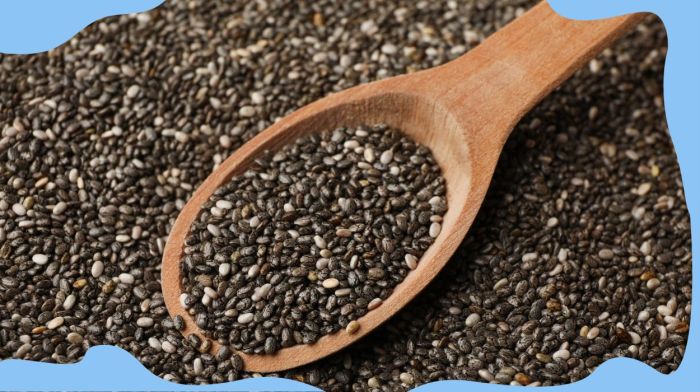
Chia seeds, these tiny powerhouses, offer a multitude of culinary and nutritional benefits. Beyond their role as a vibrant green addition to your dishes, they contribute a unique texture and a satisfying nutritional boost. From breakfast smoothies to baked goods, chia seeds can be seamlessly incorporated into various dietary preferences.Chia seeds’ versatility extends beyond their deliciousness. They possess a remarkable ability to absorb liquids, creating a gel-like consistency that adds body and substance to foods.
This unique characteristic makes them a valuable ingredient for both health-conscious individuals and creative cooks. Their impressive nutritional profile also makes them a fantastic addition to any diet.
Culinary Uses
Chia seeds are surprisingly versatile in the kitchen. Their subtle flavor allows them to blend seamlessly into various dishes without overpowering other ingredients. They work well in both sweet and savory applications. A simple sprinkle on your morning oatmeal or a hearty addition to a salad can transform a basic meal into a nutrient-rich experience.
Chia Seed Recipes
- Chia Seed Pudding: This simple breakfast or dessert is a great way to enjoy the creamy texture of chia seeds. Combine chia seeds with milk (dairy or non-dairy), sweeteners (honey, maple syrup, or stevia), and your favorite flavorings (vanilla extract, cinnamon, cocoa powder). Let it sit in the refrigerator overnight for a delicious and nutritious start to your day.
- Chia Seed Jam: Chia seeds can be used to thicken jams and preserves, giving them a unique texture and nutritional boost. Combine chia seeds with fruit pulp, sweetener, and spices. Cook until the mixture thickens, and store in airtight containers.
- Chia Seed Smoothie: Chia seeds are an excellent addition to smoothies, adding a thick, creamy texture. Blend chia seeds with fruits, vegetables, yogurt, or milk for a nutritious and satisfying smoothie. Experiment with different fruits and vegetables to create unique flavor combinations.
- Chia Seed Crackers: Chia seeds can also be used to make healthy and delicious crackers. Combine chia seeds with other ingredients like oats, flaxseed, and spices to create a mixture. Roll the mixture into balls and bake until crisp for a healthy and satisfying snack.
Nutritional Value
Chia seeds are a powerhouse of nutrients, packed with fiber, protein, and omega-3 fatty acids. They are a good source of essential vitamins and minerals, including calcium, magnesium, and phosphorus. Their high fiber content contributes to digestive health, while the omega-3 fatty acids support heart health and brain function.
Health Benefits
Chia seeds offer a wide array of potential health benefits. Their high fiber content promotes digestive regularity and helps regulate blood sugar levels. The omega-3 fatty acids contribute to heart health and reduce inflammation. The rich source of antioxidants in chia seeds may also help protect the body from cell damage. They can also contribute to weight management by promoting satiety.
Recipes Table, How to grow chia seeds
| Recipe Name | Ingredients (approximate) | Instructions |
|---|---|---|
| Chia Seed Pudding | Chia seeds, milk, sweetener, flavorings | Combine ingredients, let sit overnight in the refrigerator. |
| Chia Seed Jam | Chia seeds, fruit pulp, sweetener, spices | Cook until thickened, store in airtight containers. |
| Chia Seed Smoothie | Chia seeds, fruits, vegetables, yogurt/milk | Blend all ingredients until smooth. |
| Chia Seed Crackers | Chia seeds, oats, flaxseed, spices | Combine, roll into balls, bake until crisp. |
Conclusion
From selecting the perfect chia seeds to harvesting a delicious crop, this guide has equipped you with the knowledge to cultivate your own chia seeds successfully. Whether you’re a seasoned gardener or a complete beginner, the detailed steps and insightful tips will help you achieve a thriving chia plant. Now you can enjoy the satisfaction of growing your own chia seeds and savor their unique nutritional benefits!